Dragon Life Simulator Review: Tips and Tricks
Dragon life simulator review — because sometimes you want to forget about being human for a while. There's something uniquely freeing about controlling a massive scaled creature that breathes fire and answers to nobody. Dragon Life Simulator has built a dedicated following precisely because it delivers that fantasy without overcomplicating it.
This guide covers everything: what the game actually is, how the controls work, practical tips that will save you from the frustrating trial-and-error phase, and a rundown of similar games worth trying when you want something fresh. Whether you've been playing for a week or just heard about it from a friend, there's something useful here.
Dragon Life Simulator Review
Dragon Life Simulator is a creature survival and growth game where you begin as a newly hatched dragon and work your way up to becoming a fully realized apex predator. The concept sounds simple on the surface, but there's more depth underneath than first impressions suggest.
From the moment you spawn, the world makes one thing clear: you are small, and almost everything wants to eat you. That vulnerability is intentional. The early game teaches patience — you can't rush headfirst into fights when you're barely larger than a horse. You hunt, you eat, you grow, and gradually the power dynamic shifts entirely in your favor. That arc from fragile hatchling to mountain-top terror is the core fantasy, and the game delivers it well.
The growth system is one of Dragon Life Simulator's most satisfying features. Your dragon physically changes as you level up — wings expand, scales deepen in color, and your silhouette becomes noticeably more imposing. The visual feedback ties directly into gameplay. You can see when you've become strong enough to handle tougher zones rather than relying purely on abstract numbers.
The world is structured around distinct biomes: open grasslands for early hunting, dense forests with better prey, volcanic zones filled with high-level enemies and rare rewards, icy mountain peaks that test your stamina management to its limit. Each area feels different to navigate, and the transitions between zones create natural difficulty spikes that push progression forward without hand-holding.
Combat is straightforward but not shallow. Three core attack types — bite, elemental breath, and a crowd-control tail swipe — cover every situation the game throws at you. The tactical layer comes from knowing when to use each one. Fire breath deals damage over time and cuts through armor, making it the right tool for certain enemy types. Bite and claw do burst damage on unarmored targets. The tail swipe is purely defensive, creating distance when you're surrounded and need a second to breathe.
Social features vary by platform. On some versions of Dragon Life Simulator, you share the world with other players, can form packs, and fight for territory. PvP encounters are tense and reward preparation over brute force. On other versions, the game runs strictly single-player with AI-controlled dragon companions. Both modes work well for different playstyles — the solo version is arguably the better learning environment.
Visually, Dragon Life Simulator hits a comfortable sweet spot: stylized enough to run smoothly on lower-end hardware, detailed enough to feel immersive. The animation quality stands out especially during flight, where your dragon moves with realistic weight and momentum. The moment your huge wings catch air and you bank into a turn, the control design clicks.
Verdict: strong recommendation. Dragon Life Simulator does exactly what it promises, and the depth underneath the accessible surface keeps it engaging long past the initial novelty.

Robby: Lifting Dragon
Staring at a blank screen during a lunch break often feels like a chore, but turning that downtime into a training session is much more satisfying. Ro...
▶ Play FreeHow to Play Dragon Life Simulator
Getting comfortable with the controls is the first real hurdle in Dragon Life Simulator, and it typically takes 20-30 minutes before movement stops feeling awkward. Here's how every core system works.
Ground movement uses a virtual joystick on mobile or WASD/arrow keys on PC. Standard stuff — your dragon walks, runs, and interacts with the environment through the usual inputs. Nothing unusual here until you get airborne.
Flight is where new players consistently stumble. On mobile, a double-tap launches your dragon into the air. On PC, a dedicated key handles this. Once airborne, altitude is controlled by holding or releasing the flight input, while directional movement stays the same as on the ground. The key insight that most beginners miss: you can gain significant speed by pitching into a dive and then pulling sharply upward. This "dive-to-boost" technique is faster than sustained level flight and becomes essential for catching fast prey or creating distance from early-game threats.
Stamina governs everything. Flying costs stamina. Fighting costs stamina. Running costs stamina. Your stamina bar is, effectively, your survival gauge. Letting it bottom out mid-fight or mid-flight is a death sentence early on. Stamina regenerates when you're grounded and not actively exerting yourself. Learning to pace your actions around your stamina level will prevent more deaths than any other single adjustment.
Combat runs on one button per attack type: melee, elemental breath, tail swipe. The tactical depth comes from cooldown management and positioning, not complex button sequences. Keep moving during fights — a stationary dragon takes significantly more damage than one that's constantly repositioning around its target.

Cat Simulator: My Pets
Navigate a vibrant world through the eyes of a nimble feline in Cat Simulator: My Pets. You spend your days patrolling your cozy home, tossing toys, a...
▶ Play FreeDragon types are selected at the start and shape your entire experience. Fire dragons are the balanced option: moderate damage, moderate defense, solid stamina regeneration. Ice dragons trade direct damage output for crowd control — their breath slows and freezes enemies, letting you dictate the pace of every fight. Storm dragons are glass cannons: massive elemental damage but fragile defenses that punish mistakes hard. First-time players should start with fire. Players who already know the biome layouts by heart tend to favor storm dragons for faster growth.
The mini-map gets ignored by most new players and shouldn't be. It shows nearby prey, enemy positions, and claimed territory. Glancing at it regularly before committing to a route warns you about threats before they're visible on screen. Making it a habit costs nothing and saves a lot of ambushes.
One underappreciated aspect of how to play Dragon Life Simulator well is audio. The game's sound design communicates information that doesn't appear anywhere on the UI. Background audio shifts noticeably near rare spawns, boss encounters, and hidden nest locations. If the ambient sound changes while you're exploring, stop moving and look around carefully. The game is trying to tell you something.
Tips and Tricks
Here's the practical knowledge that makes a genuine difference. These are the things that experienced players figured out through hours of trial and error — you can skip straight to the result.
Eat before you fight. Hunger directly reduces your stamina regeneration rate. Players who charge into combat while starving find fights lasting twice as long as they should, burning through stamina until they're cornered. Spend the first stretch of each session hunting and feeding. Then pick fights.
Test new zones before committing. Every biome has a power threshold. Walk along the border of a new area and let one enemy notice you. If it kills you in two or three hits, you're not ready for that zone yet. If you kill it in two or three hits, you're fine. This quick test saves enormous amounts of frustration and respawn time.
Use elevation as a reset button. Ground-based enemies can't pursue you into the air. When a fight goes sideways — health dropping, stamina draining, enemies surrounding you — get airborne immediately, gain altitude, let your stamina recover, and re-engage on your terms. This technique works against almost every enemy in the early and mid-game.
Fire breath against armored enemies. Physical attacks deal reduced damage against armored targets: knights, stone golems, territory guardians. Elemental damage over time bypasses armor reduction. Lead every armored fight with a full-duration fire breath application before closing into melee range. Let the ticks do their work first.
Stone Miner Simulator - Mine MOD!
Smash through endless blocks and collect precious ores to build your underground empire in Stone Miner Simulator - Mine MOD!. Clicking rapidly to brea...
▶ Play FreePlan your growth phases. Triggering a growth phase by filling your eat bar leaves your dragon briefly vulnerable and stationary. Never let this happen in open terrain, near enemy camps, or in active PvP zones. Before intentionally triggering one, find a cave or a tucked-away cliff, confirm no enemies are nearby, and only then eat the food that pushes you over the threshold.
Use your elemental zone for passive recovery. Fire dragons regenerate stamina passively in volcanic zones. Ice dragons get the same benefit in tundra regions. This sounds minor but compounds dramatically over long sessions. Position your main base of operations in your elemental zone and your sustain improves noticeably.
In PvP, commit to aggression. Defensive play in dragon PvP rarely works — the combat math slightly favors the attacker. Open every engagement with elemental breath to start damage-over-time, close distance immediately, and use the tail swipe to punish any opponent who tries to back away. Circling and waiting creates opportunities for your opponent, not for you.
Spread your nest claims across the map. Claimed nests regenerate your health passively when you're nearby. Rather than clustering all your claimed nests in one region, distribute them across different biomes — one per area you visit regularly. You'll always have a quick heal available without a long flight back to base.

One Block Simulator - Mine MOD!
Fans of clicker games and block breaking will find One Block Simulator - Mine MOD! completely addictive as they strive for mining dominance. You start...
▶ Play FreeDaily objectives add up. Dragon Life Simulator (in most versions) offers daily objectives that seem small in isolation: hunt X animals, fly Y distance, defeat Z enemies. The cumulative rewards — rare cosmetics, stat boosts, premium currency — are substantial. Treat daily objectives as non-negotiable. The players who complete them consistently pull ahead of those who don't more quickly than any other single habit.
Sound design tells you things the UI doesn't. Beyond the cues mentioned earlier, listen for changes in combat audio. The sound of enemy attacks often telegraphs timing better than the visual animation, especially during lag spikes on mobile. Learning to react to audio rather than visuals improves your combat response time noticeably.
Similar Games
Dragon Life Simulator does the creature survival formula well, but the simulator genre has plenty of other strong entries worth your time.
Robby: Lucky Blocks, Simulator! brings the random-reward satisfaction of loot mechanics into a playful platformer setting. Every block you smash might contain something useful, something wild, or something completely absurd. It's a great fit for Dragon Life Simulator fans who love the thrill of unpredictable outcomes.
Obby: Lumberjack Life Simulator! flips the creature fantasy entirely — instead of a fearsome predator, you're a lumberjack making your way through an obstacle-course world of timber and terrain. The obby format makes for addictive quick-play sessions, and the progression system keeps it engaging well past the initial learning curve.
Dragons and Toothless Coloring is for players who love the dragon aesthetic but want something more relaxed and creative. No combat, no survival pressure — just iconic dragon characters and a palette of colors to work with. It's a complete tonal shift from Dragon Life Simulator's intensity, which makes it a perfect wind-down option after a hard session.

Dragons and Toothless Coloring
Bring your favorite mythical beasts to life by filling intricate outlines with vibrant shades in Dragons and Toothless Coloring. This relaxing digital...
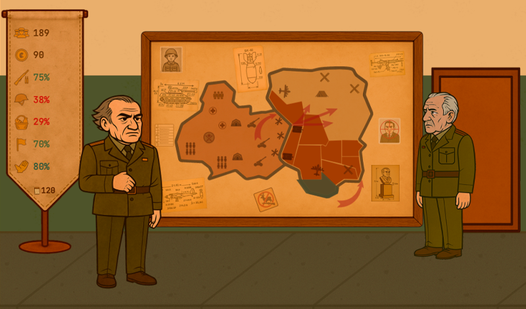
▶ Play FreeWar Simulator: 1985 takes the simulator genre into military strategy territory. You're managing units, making tactical decisions under pressure, and trying to outmaneuver opponents in Cold War-era conflict scenarios. The strategic depth is significant, and it delivers that same "build up and dominate" satisfaction that Dragon Life Simulator fans tend to respond to — just in a very different setting.

War Simulator: 1985
History is written by those who survive the toughest choices on the battlefield. War Simulator: 1985 places you in the command chair of Gradnar where ...
▶ Play FreeSimulator: The Streamer's Path is one of the more unusual entries on this list. You're not a dragon, a lumberjack, or a soldier — you're a content creator trying to grow a channel, manage an audience, and survive the increasingly chaotic world of online streaming. The progression loop is genuinely compelling and surprisingly hard to put down once you're invested in your virtual career.

Simulator: The Streamer's Path
Managing a virtual broadcast career allows you to climb the ranks from a bedroom enthusiast to a global internet celebrity. You start by selecting tre...
▶ Play FreeCase Simulator Block Strike scratches a completely different itch: unboxing. Open cases, collect items, build your arsenal through the randomness of each pull. The range of potential rewards means there's always something to work toward, and the tension of each case opening has a very specific kind of appeal that a lot of Dragon Life Simulator players end up gravitating toward.