How to Play Football Life Simulator
So you want to know how to play football life simulator games and actually get somewhere with your virtual career? You're in the right place. Whether you're chasing your first professional contract or trying to manage a squad to championship glory, football simulators offer one of the most satisfying progressions in browser gaming today. This guide covers everything — from understanding what these games are actually about, to concrete tips for building skills, managing your career, and finding the best free options you can play right now in your browser.
What Is Football Life Simulator?
Football life simulators are a category of sports games that go beyond just kicking a ball around. Instead of a single match, you're managing an entire career arc — signing contracts, improving stats, handling your public image, and making decisions that affect your trajectory from a no-name youth player to a global superstar.
The "life" aspect is what makes these games genuinely compelling. You're not just playing football; you're living the life of a footballer. Should you push for a move to a bigger club even if your current team needs you? Do you invest training time into physical conditioning or technical skill? These are the kinds of decisions that define your experience.
Modern browser-based football life simulators have gotten surprisingly deep. Some feature full attribute systems with dozens of stats, agent negotiations, sponsorships, social media reputation mechanics, and even personal life choices that affect your mental form. Others focus more tightly on the on-pitch simulation side, giving you direct control over matches and skill challenges.
The genre draws from classic career modes in console football games, but strips away the hardware requirements and price tags. You can jump into a full football career simulation right in Chrome or Firefox, no installation required.
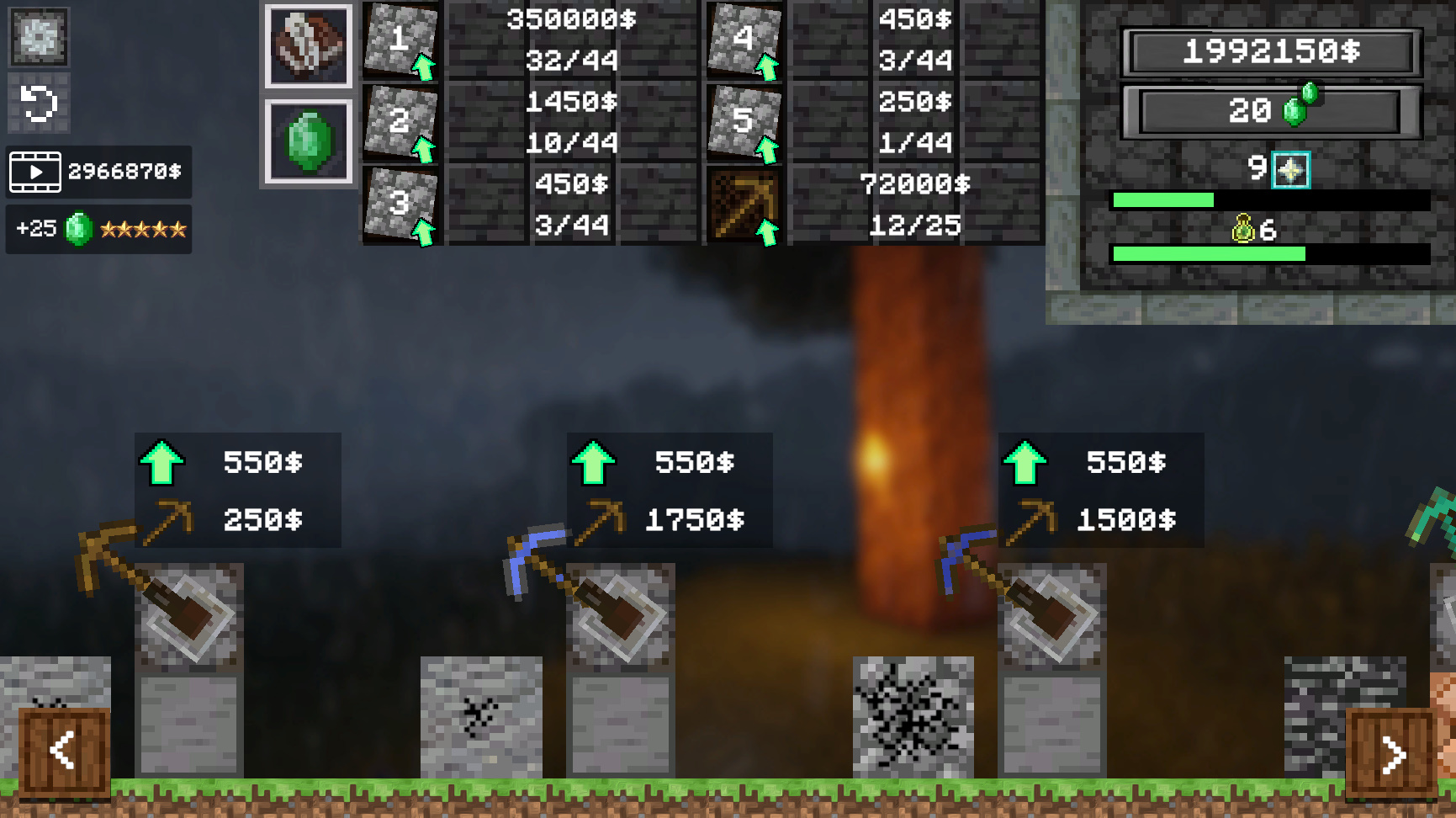
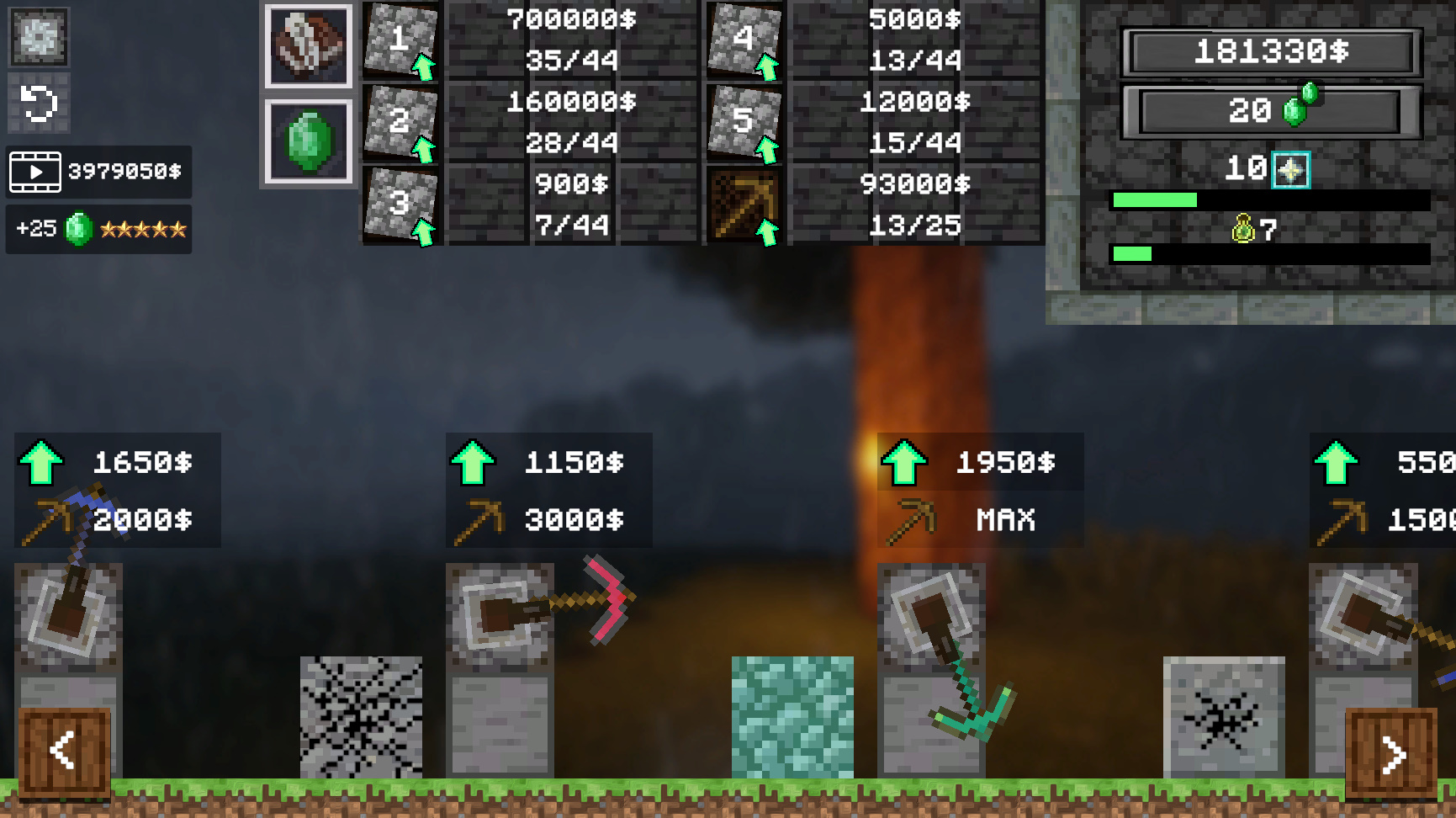
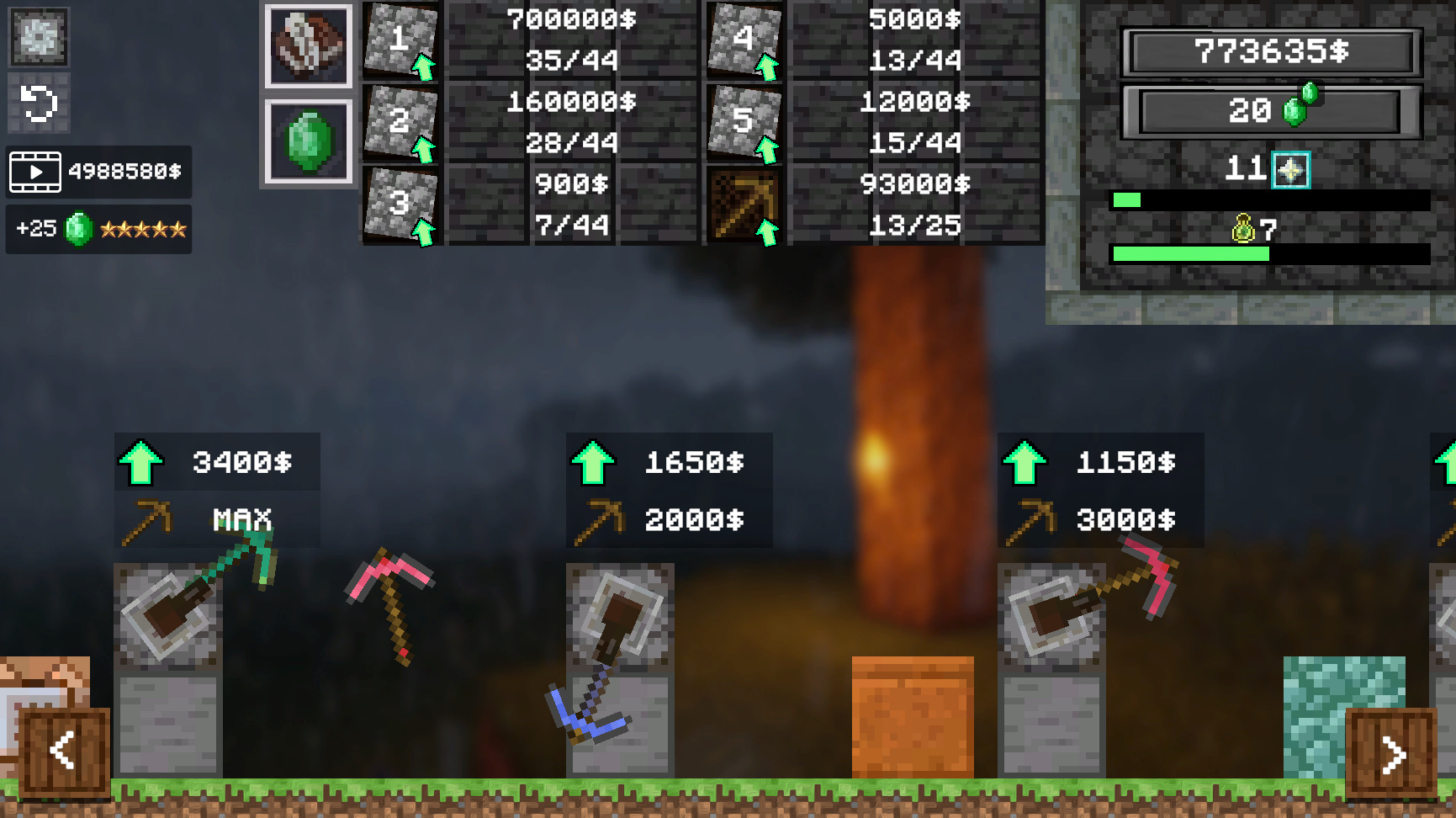
One concept these games share with other simulator genres is the idea of progressive resource management — grinding early, unlocking better options over time, and making strategic investments. That same loop shows up in a game like Stone Miner Simulator, where you're managing resources and upgrading your operation to reach new levels of output. It's the same psychological reward cycle that makes career simulators so addictive.

Stone Miner Simulator - Mine MOD!
Smash through endless blocks and collect precious ores to build your underground empire in Stone Miner Simulator - Mine MOD!. Clicking rapidly to brea...
▶ Play FreeCareer Mode — From Rookie to Star
Learning how to play football life simulator career mode means understanding the full lifecycle of a professional footballer, compressed into a manageable game system. Here's how it typically breaks down.
Character Creation and Starting Stats
Most football life simulators start you off at the bottom. You create your player — choose a position, maybe allocate a few starting attribute points — and then get placed in a youth team or low-division club. Your initial stats are deliberately mediocre. This is intentional. The whole point is the journey upward.
Your starting position matters a lot. Forwards and attacking midfielders tend to have more visible impact metrics, making progression feel faster early on. Defenders and goalkeepers often have harder-to-quantify contributions, but usually have more stable career paths since teams always need solid backline players.
Contract Negotiation
One of the most interesting mechanics in career simulators is the contract system. Early in your career, you'll take whatever deal is offered — low wages, short duration, little negotiating power. As your stats improve and your match ratings climb, agents will start reaching out, bigger clubs will make offers, and you'll gain genuine leverage.
The mistake most players make is jumping to the biggest club too soon. If your stats aren't ready for a top-tier team, you'll ride the bench, your match ratings stay low, and your development stalls. It's usually better to be a key player at a mid-tier club than a bit-part player at a giant.
Match Performance and Ratings
Every match generates a performance rating, usually on a scale from 1-10. These ratings feed directly into your reputation score, which determines which clubs are interested in signing you. String together several 8+ performances and you'll start appearing on transfer radar. Have a slump and clubs will lose interest fast.
The key variables affecting match ratings are typically: your current fitness level, your form (a rolling average of recent games), your compatibility with the manager's tactical system, and sometimes even weather or home/away factors.
Reputation and Global Fame
Beyond raw stats and ratings, many football life simulators track your public reputation separately. This affects sponsorship deals, national team call-ups, and how much media pressure you face. High reputation means more scrutiny — a bad game gets amplified more. It's a double-edged mechanic that adds real tension as your career progresses.
PROCareer: Football Career Simulator captures this whole arc brilliantly. You create a unique athlete, manage their professional journey from youth to legend status, and face genuinely meaningful decisions along the way. It's the closest thing to a full football life simulator experience available free in a browser right now.
PROCareer: Football Career Simulator
Staring at the screen during a dull afternoon, you crave a challenge that puts you in the driver seat of a massive sports journey. PROCareer: Football...
▶ Play FreeTraining and Skill Development Tips
Training is where football life simulators separate casual players from people who actually understand the systems. Here's how to approach skill development properly.
Understand the Attribute System
Most games divide player attributes into physical (speed, strength, stamina, agility), technical (passing, shooting, dribbling, crossing), and mental (positioning, decision-making, work rate, composure). Each position has a "key attribute" set that matters most for your performance ratings.
A striker who maxes out tackling is wasting points. A central midfielder who ignores passing accuracy is going to drag their team down. Before spending any training points, look up what attributes your position actually relies on and prioritize accordingly.
The Diminishing Returns Problem
Early in your career, every attribute point you add makes a visible difference. Going from 50 to 60 in shooting feels massive. But going from 85 to 90? You might not notice the impact at all, and you spent significant training time getting there.
Smart players diversify their development rather than grinding one stat to max. A forward with 80 shooting, 75 speed, and 70 positioning will outperform one with 95 shooting and 55 in everything else, because football is a complex game and you need multiple attributes firing at once.
Recovery and Form Management
Many simulators model fatigue. Playing too many matches without rest drops your fitness, which tanks your form, which drops your ratings. Don't chase every minute of every match. Rotation and rest are legitimate strategies, especially during intense fixture periods.
Some games let you specifically schedule rest days in your training calendar. Use them, particularly before big matches — cup finals, derby games, title deciders. Showing up at 90% fitness versus 70% can be the difference between an 8/10 and a 5/10 performance rating.
Skill-Specific Mini-Games
Some football simulators use skill challenges or mini-games to represent training sessions. These might be reflex tests, timing challenges, or juggling mechanics. They're not just filler — doing well in them usually grants bonus attribute points on top of your regular training allocation.
Kick Ups PRO is a great example of a skill-based football challenge that genuinely develops your timing and touch. Its progressive level structure means you're always operating just at the edge of your current ability, which is exactly what makes it effective for training your real-time football instincts.

Kick Ups PRO
Master the art of ball control by landing perfect strikes in Kick Ups PRO, the ultimate test of coordination and rhythm. Every touch requires precisio...
▶ Play FreeKnowing When to Peak
Football careers have natural peaks — typically somewhere between ages 24-29 in real life, and most simulators model this. Your physical stats will start declining in your late 20s or early 30s, while mental attributes can continue improving. The smart adaptation is to shift your training focus as you age: less speed and strength work, more composure, positioning, and leadership development.
Best Free Football Simulator Games Online
Now that you understand the systems, here's a rundown of the best football simulator experiences you can play free in your browser right now.
Soccer Random
Sometimes you want strategy and depth, and sometimes you just want to play football without loading screens and tutorial sequences. Soccer Random delivers exactly that — dynamic soccer gameplay where field conditions, player physics, and match situations shift constantly. It's the kind of game that tests adaptability more than any stat system, because you genuinely cannot predict what situation you'll face next. The chaos is the point, and it's genuinely hilarious to play.

Soccer Random
Staring at the clock waiting for your shift to end or just need a quick distraction from a dull afternoon? Soccer Random provides the perfect dose of ...
▶ Play FreeSoccer League
Soccer League sits in an interesting hybrid space — it combines direct soccer gameplay with progression and management elements that give it genuine replay value beyond single sessions. You're building something over time here, not just playing individual matches. The blend of hands-on gameplay and bigger-picture management decisions makes it one of the more complete football experiences available for free in a browser.

Soccer League
Combining high-speed motorized vehicles with the intensity of professional football creates an adrenaline rush that few sports games can match. Soccer...
▶ Play FreeGuess the Football Player by Their Career
If you're serious about football life simulators, you probably love football history too. This trivia game tests your knowledge of real footballers by showing you career milestones and asking you to identify the player. It's surprisingly addictive and actually teaches you a lot about how different football careers developed — which can give you useful intuitions about how career simulator systems are designed.

Guess the football player by their career!
True fans of the sport who live and breathe every match will find their ultimate challenge in Guess the football player by their career. This engaging...
▶ Play FreeMore Simulator Experiences
The broader simulator and progression game space has a lot to offer fans of football career games. These titles share the same core appeal: build something over time, make strategic decisions, and watch your investment pay off.
Obby: Ninja Simulator brings obstacle course and skill progression mechanics that will feel familiar to anyone who's spent time grinding attributes in a sports career mode.

Obby: Ninja Simulator
Hardcore parkour fans and action enthusiasts will find their new obsession in Obby: Ninja Simulator. This high-energy experience challenges you to sha...
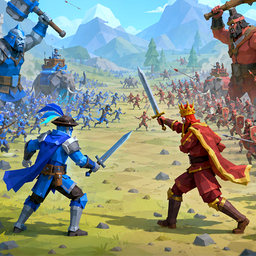
▶ Play FreeBattle Playground: Tactical Simulator scratches the tactical decision-making itch — managing units and resources with strategic depth that echoes the management side of football career games.
Battle Playground: Tactical Simulator
Staring at a blank screen during a lunch break or waiting for a meeting to start is never fun. Battle Playground: Tactical Simulator solves that bored...
▶ Play FreeUpgrade Monster captures that core satisfaction of incremental progression — spending resources to unlock better capabilities, then using those capabilities to earn more resources. The loop is identical to how skill development works in football life simulators.

Upgrade Monster
True survival of the fittest means starting as a tiny creature and dominating the food chain through sheer force. Upgrade Monster turns this primal in...
▶ Play FreeObbie Tycoon: Money Tycoon translates the management and growth mechanics of sports simulators into a tycoon format. If you enjoy the business and career management side of football simulators more than the on-pitch gameplay, this hits similar beats.

Obbie Tycoon: Money Tycoon
Building a sprawling empire from scratch is the ultimate power fantasy for any aspiring digital entrepreneur. Obbie Tycoon: Money Tycoon turns this dr...
▶ Play FreeAdvanced Strategies Most Players Miss
Let's talk about the tactics that separate average career simulator players from the ones who consistently reach the top.
The Loan Strategy
Early in your career, if you're at a major club, push for loan moves to smaller clubs where you'll get regular first-team football. Development in most simulators is tied to match experience, not just training. A season of 35 league starts at a second-division club will develop your player faster than 10 substitute appearances at a top-flight giant.
Tactical Adaptation
Pay attention to the manager's preferred formation and tactical style. A player whose attributes align with the manager's system gets significant hidden bonuses in most simulators. A high-energy pressing system rewards stamina and work rate stats. A possession-based system values technique and passing. Read what your manager wants and either adapt your training to fit, or find a manager whose style matches your player's strengths.
The Captain Effect
Getting the captain's armband — even at a youth or reserve level — often triggers leadership stat growth that can't be obtained any other way. Leadership and composure stats affect your performance in high-pressure situations: finals, relegation battles, title run-ins. The players who thrive in big moments usually have high mental stats, and the captaincy path is one of the best ways to develop them.
Agent Management
Some football life simulators give you control over your agent relationship. Choosing the right agent — or switching at key career moments — can open transfer opportunities that wouldn't otherwise exist. A top agent with connections to European clubs might be worth taking over a local agent who offers better percentage terms but fewer opportunities.
International Career
Don't neglect the national team pathway. International matches and tournaments provide experience and reputation boosts that are hard to replicate in club football. More importantly, performing well in a major international tournament can trigger transfer market activity even mid-season, giving you leverage you wouldn't have otherwise.
Managing the Final Years
When your physical stats start declining, most players try to fight it by investing in physical training. This is usually a mistake. Your final career years should be about maximizing what you still do well while transitioning to a leadership and mentoring role. Some simulators even let you move into coaching or management at the end of your playing career, extending the game's life significantly.
Common Mistakes to Avoid
Chasing the Biggest Club Too Early
Already covered this above, but it's worth repeating because it's the most common error. Your ratings at a club you're too good for will tank. Stay at the level where you're a star.
Ignoring Fitness
Playing through injury or fatigue feels okay in the short term, but the cumulative effect on form and ratings is real. A rested player at 85% stat effectiveness outperforms an exhausted player with better raw numbers.
Neglecting Mental Stats
Most new players dump everything into physical and technical attributes. Mental stats like composure, positioning, and decision-making feel abstract but have enormous impact on match ratings, especially in high-pressure situations. Balance your development.
Staying at One Club Too Long
Loyalty is a nice concept, but most career simulators reward movement. New clubs bring new tactical challenges that develop different attributes. Different leagues have different physical demands. Moving every few years — even if you love your current club — usually produces better overall development.
Ignoring the Off-Season
The off-season isn't downtime — it's your most important development window. No matches means you can focus entirely on training without fatigue management. Players who optimize their off-season training consistently arrive at new seasons with a step up over players who treat it as a rest period.