How to Play Life Simulation Games — Beginner's Guide
If you've ever wondered how to play Life Simulation games, you're in the right place. These games put you in charge of a virtual existence — whether that means running a hotel, raising animals, building a career, or even living out your days as a dragon. Life sim games are endlessly creative, deeply personal, and surprisingly easy to get into once you understand the basics. This guide covers everything from core mechanics to tips that actually help, plus a curated list of the best Life Simulation games online free to play right now.
What Are Life Simulation Games
Life simulation games are a genre where you manage, shape, or experience a simulated existence over time. Unlike action games that push you toward a fixed goal, life sims give you agency — you decide what to do, how to grow, and what kind of virtual life you want to lead.
The genre is broad. Some games simulate everyday human life: you wake up, go to work, make friends, and build relationships. Others let you simulate the life of an animal, a fantasy creature, a business owner, or even a social media celebrity. What they share is a focus on progression, choice, and consequence. Your decisions accumulate. The life you build reflects the choices you made three hours ago.
This openness is exactly what makes life sims so appealing — and sometimes so confusing for beginners. Without a clear mission telling you what to do next, it's easy to feel lost. But once you understand the underlying structure, these games become incredibly rewarding.
Life sims have been popular since the earliest days of gaming, but today's browser-based and mobile versions have made the genre more accessible than ever. You no longer need to own a console or a high-end PC to experience a rich life simulation. Many of the best options are free to play online.
How Life Sim Games Work — Core Mechanics
To understand how to play Life Simulation games well, you first need to understand the mechanics that power almost every game in the genre. While each title is different, most share a handful of core systems.
Needs and Resources
Most life sims track some version of needs — hunger, energy, happiness, money, social connection. These meters deplete over time and need to be replenished. Ignoring them leads to penalties: your character might perform worse at work, lose relationships, or enter a bad mood that affects everything else.
The trick is learning the rhythm of replenishment. Early on, focus on stabilizing your most critical resource (usually money or energy) before branching out.
Progression Systems
Life sims almost always have some kind of skill or stat progression. The more you do something, the better you get at it. Cook meals often enough and your cooking skill rises. Work a job consistently and you earn promotions. These systems reward patience and repetition — two things many players overlook in favor of chasing variety.
Time Management
Many life sims run on an internal clock. Days pass, seasons change, and opportunities appear and disappear. Learning how to manage in-game time is often the difference between thriving and constantly playing catch-up.
In a game like Obby: Lumberjack Life Simulator!, for example, you experience the rhythm of a working life — cutting wood, managing your output, and making the most of each shift. The structured daily loop teaches you time management in a fun, physical way.
Economy and Earning
Money — or its equivalent — runs through almost every life sim. You earn it through work, sell items you craft or collect, or build a business. Spending wisely early on, rather than splurging on cosmetics or extras, sets you up for long-term success. Think of your first few in-game days or weeks as a setup phase, not a spending phase.
Relationships and Social Systems
Many life sims model some form of social interaction. NPCs have preferences, moods, and relationship meters. Gifting, talking, and spending time with characters improves your standing with them, which often unlocks new content, perks, or storylines.
Tips for Managing Your Virtual Life
Getting into a life sim is easy. Getting good at one takes a bit of strategy. Here are the habits that separate players who thrive from those who constantly feel behind.
Start with One Goal Per Session
Life sims can be overwhelming because everything feels equally important. Before you start a play session, pick one concrete objective: earn enough to upgrade your room, max out one skill, or complete a specific task. This focus stops you from drifting aimlessly for an hour and wondering what you actually accomplished.
Don't Skip the Tutorial
It sounds obvious, but many players rush through or ignore tutorial prompts in life sims. Unlike action games, where tutorials teach combat combos, life sim tutorials often explain time-sensitive mechanics — which days certain shops are open, how to avoid losing progress, or how to unlock a key feature early. Missing this context costs you hours later.
Optimize Your Routine Early
Once you understand the daily loop, optimize it. Figure out the most efficient order of actions: maybe you work first, then cook, then socialize, because that sequence wastes the least energy. Small efficiency gains compound significantly over a long play session.
Life Simulator Youtuber captures this perfectly — you're managing a modern content creator's life, balancing filming, editing, uploading, and growing an audience. The game rewards players who establish a consistent upload schedule and reinvest earnings into better equipment rather than spending everything immediately.

Life Simulator Youtuber
Building a massive online following from scratch is a digital dream that rarely comes easy in the real world. Life Simulator Youtuber captures the hig...
▶ Play FreeSave Your Currency for Meaningful Upgrades
In almost every life sim, early-game currency feels precious because it is. Resist the urge to buy decorative items or extras until you've secured your core needs. A better workspace, a faster vehicle, or a skill-boosting item will pay back its cost many times over.
Experiment with Different Life Paths
One of the best things about life sims is that there's rarely a "wrong" path. Try a playthrough focused on wealth, then try one focused on relationships, then try one where you deliberately make unusual choices. Each run teaches you something new about the game's systems, and often reveals mechanics you didn't notice the first time.
Hotel Life is a great example of a game that rewards experimentation. You can run your hotel strictly for profit, focus obsessively on guest ratings, or try to balance both while expanding your property. Each approach reveals a different side of the simulation.

Hotel Life
Staring at the clock during a slow afternoon when you need a quick mental escape is a challenge we all face. Hotel Life turns those idle minutes into ...
▶ Play FreeEmbrace the Chaos
Things will go wrong. Your character will have a bad day. An unexpected event will derail your plans. The best life sim players treat these moments as part of the experience rather than failures. Adapt, recover, and keep moving. The ability to course-correct is a skill worth practicing.
Best Free Life Simulation Games Online
The best Life Simulation games online free to play cover an enormous range of themes. Here's a look at some of the most compelling options available right now.
Dragon Life Simulator
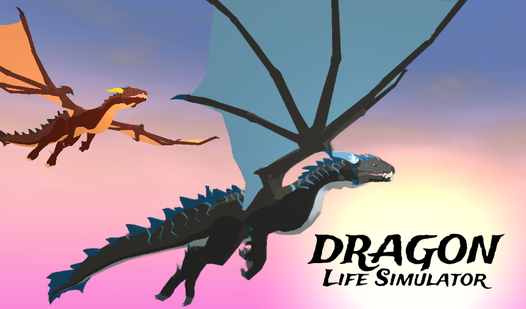
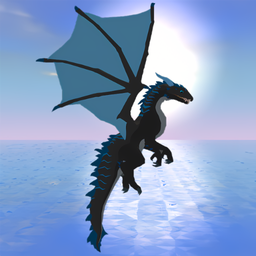
Fantasy life sims take the genre to extremes, and Dragon Life Simulator does exactly that. You don't manage a human career here — you control a dragon, shaping its personality, hunting habits, and destiny over time. The game layers classic life sim progression onto a fantasy world, making decisions like whether to protect a village or raid it, how to grow your strength, and what legacy your dragon leaves behind. It's a fascinating twist on the genre and proof that "life simulation" doesn't have to mean ordinary human life.
Dragon Life Simulator
Fans of high-stakes fantasy adventures will find their ultimate playground in Dragon Life Simulator. This action-packed dragon sim lets you command a ...
▶ Play FreeSort Life & Organizing Game
Not every life sim is about careers and relationships. Sort Life & Organizing Game strips things back to a satisfying core activity: organizing. You sort, arrange, and tidy items across various virtual spaces. It sounds simple, but the game's escalating complexity taps into real decision-making about priority, order, and efficiency. It also captures something true about life simulation as a concept — a lot of real life is just figuring out where things belong.
More Life Sim Games Worth Trying
The genre extends in many directions. Here are more free options from our catalog:
Gacha life 3D
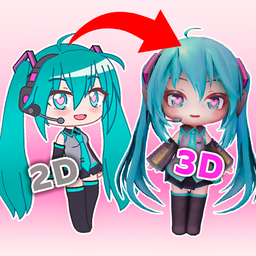
Design your dream anime chibi character from the ground up using a massive library of 3D customization options. You manipulate every detail, from the ...
▶ Play Free
Digital Circus Life
Arrange characters and interact with objects to bring your own unique circus story to life. You can explore the mysterious tent, hop on a digital caro...
▶ Play Free
Toca Life: All Items Unlocked
Virtual dollhouses have evolved into powerful storytelling engines where your imagination sets the boundaries for every scene. Toca Life: All Items Un...
▶ Play Free
Capybara Life
Animal enthusiasts will adore the charm and challenge packed into Capybara Life as they navigate a wild world from a unique perspective. Players must ...
▶ Play Free
Cat Life Simulator: Devil Cat
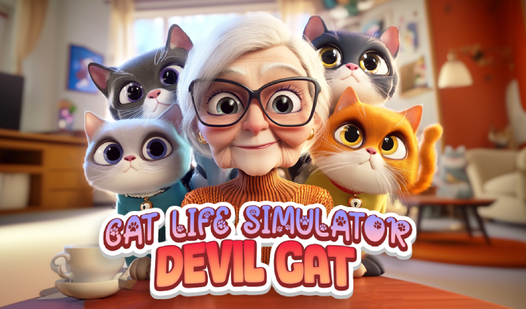
Wreak absolute havoc in Grandma's house by taking control of a mischievous kitten in this wild simulation adventure. Cat Life Simulator: Devil Cat let...
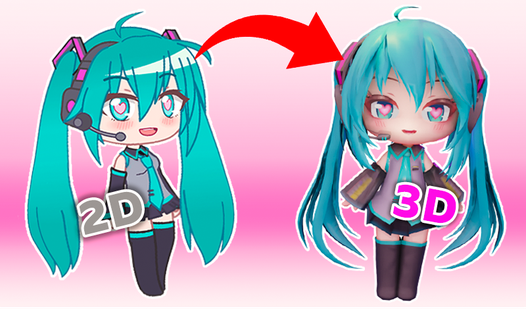
▶ Play FreeEach of these takes a different angle on simulated living — from the creative dress-up and social world of Gacha Life 3D to the chaotic absurdism of Digital Circus Life, from city-block exploration in Toca Life to the zen simplicity of Capybara Life. The breadth of the genre means there's a life sim for virtually every mood and playstyle.
Life Sim Games vs. Other Simulation Genres
People often lump all simulation games together, but the differences matter — especially if you're trying to figure out which type of game will actually hold your attention.
Life Sims vs. City Builders
City builders (like SimCity-style games) ask you to manage systems at scale: traffic, power grids, population happiness. Life sims zoom in to the individual level. You're managing one character's day, not thousands of citizens' infrastructure. City builders are about optimization at macro scale; life sims are about personal choices at micro scale.
Life Sims vs. RPGs
Role-playing games share some DNA with life sims — both have stats, progression, and choices that matter. But RPGs are fundamentally story-driven and combat-focused. Life sims are usually more open-ended, with less narrative direction and more emphasis on routine and ongoing systems than quests and boss fights. In a life sim, the story is the life you build; in an RPG, the story is handed to you with a quest marker.
Life Sims vs. Idle/Clicker Games
Idle games automate progress while you're away, rewarding you for logging back in. Life sims typically require more active engagement — decisions, timing, and responses to in-game events. That said, the line blurs with some mobile life sims that include idle mechanics to simulate time passing while you're offline.
Life Sims vs. Business Sims
Business simulators focus specifically on economic systems: profit margins, supply chains, customer satisfaction scores. Life sims often include these elements but frame them around a character's personal journey rather than pure corporate efficiency. Hotel Life, for example, is partly a business sim — but it's also about the experience of running a hospitality space, which gives it a warmer, more personal feel than a spreadsheet-driven business game.
Which One Is Right for You?
If you want a story with structure, an RPG might suit you better. If you want to optimize systems at scale, look at city builders. But if you want to make personal choices, watch your virtual life evolve, and feel the satisfying weight of decisions made hours ago paying off now — life simulation is your genre.