TOP 28 Best Challenging Games — Free to Play Online
If you've been searching for the best challenging games that actually put your mind and reflexes under pressure, this is the list you need. We've gathered 20 of the most demanding, rewarding games available for free on FreeJoy — no downloads, no paywalls, no registration. Logic puzzles, tower defense, turn-based strategy, number grids, arcade precision — it's all here, and none of it goes easy on you.
These aren't games that just call themselves hard. They're games where failure means something, progress feels earned, and the satisfaction of finally cracking a tough level is genuinely hard to beat.
How We Chose the Best Challenging Games
Not every hard game is worth your time. A game can be difficult because it's unfair, poorly balanced, or just tedious. That's not what we're after. Here's how we filtered the FreeJoy catalog:
Skill depth matters. The best challenging games reward players who invest time in understanding the system. There's always something new to learn, and getting better actually changes how the game plays out.
Multiple skill types represented. Logic and deduction, spatial reasoning, arithmetic, strategic planning, pattern recognition, and reaction speed — strong challenging games demand different things, and we made sure this list covers the full range.
Replayability. A game that exhausts its challenge in two hours doesn't belong on a top list. Every entry here offers enough variety or depth to stay interesting over many sessions.
Browser-native quality. All 20 games run smoothly in a browser, look clean, and don't fight you with intrusive ads or forced loading screens. The challenge should come from the gameplay, not the interface.
With those filters applied, 20 titles stood out clearly above the rest.
Top 20 Best Challenging Games
1. Balls in the Maze — A Challenging Puzzle
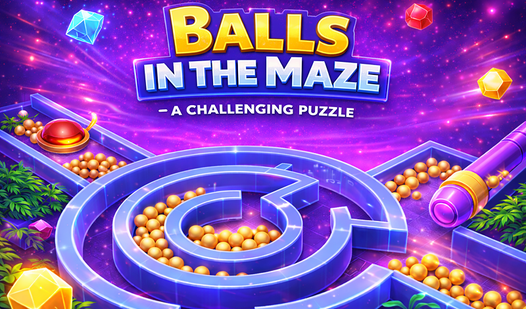
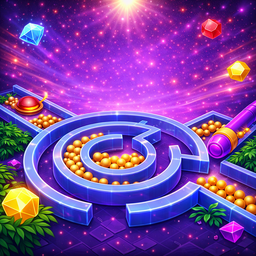
First up is one of the more underrated brain-twisters on the platform. The concept sounds manageable: guide balls through a maze and get them out the other side. But every maze is an interconnected system — moving one ball shifts the path for others, and the layouts escalate fast. What looks like a straightforward routing problem turns into something closer to multi-variable logic. Levels that seem impossible often have elegant solutions that only reveal themselves after you've tried everything wrong first. A perfect opener for this list.
Balls in the Maze - A Challenging Puzzle
Fans of brain training games will find their new obsession with the relaxing mechanics found in Balls in the Maze - A Challenging Puzzle. Players navi...
▶ Play Free2. Sudoku
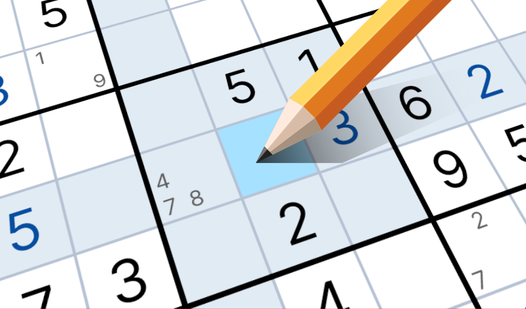
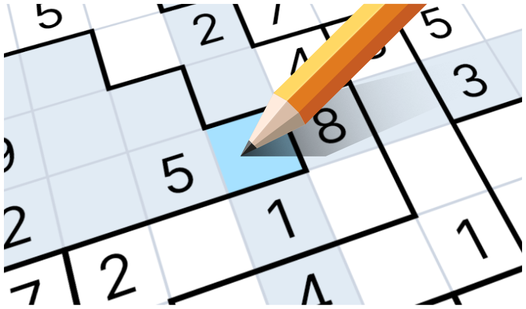
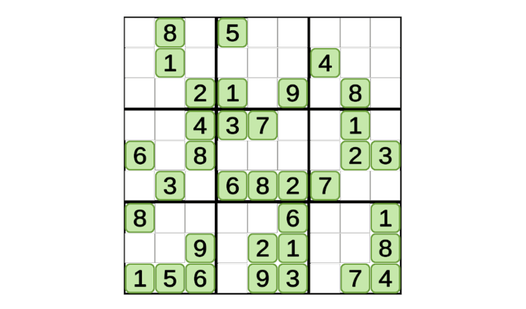
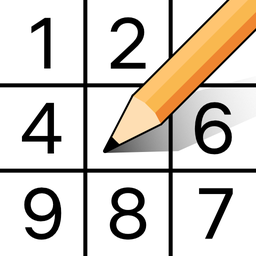
The undisputed king of logic puzzles. The rules fit on one sentence: fill a 9x9 grid so every row, column, and 3x3 box contains each digit from 1 to 9, with no repeats. But the difficulty range on that simple foundation is enormous. Beginner grids are solvable with basic elimination; expert grids require chained deductions, hypothesis testing, and pattern recognition that takes serious practice to develop. The FreeJoy version is clean and well-paced. If you've never played, start here. If you have, you already know why it's on the list.
Sudoku
Logic puzzles have a unique way of sharpening the mind while providing a satisfying sense of accomplishment when every box finally clicks into place. ...
▶ Play Free3. Wave Challenges
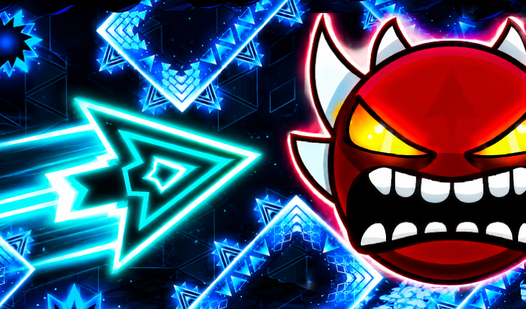
Complete tonal contrast from the previous two entries. Wave Challenges is pure reflex-based intensity — fast, punishing, and relentless. Each wave hits harder than the last, and the game has absolutely no sympathy for hesitation or mistimed inputs. The challenge here isn't intellectual; it's physical and psychological. Can you stay precise when the speed ramps up and the pressure builds? Expect a steep early curve and the deeply satisfying feeling of finally getting through a wave that destroyed you ten times in a row.
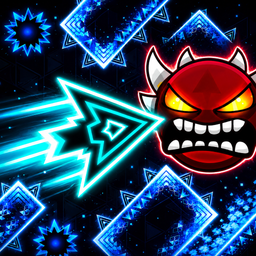
Wave challanges
Navigate a pulsating energy beam through treacherous obstacles by holding and releasing your input to maneuver through tight corridors. Wave challenge...
▶ Play Free4. Jigsaw Sudoku
Standard Sudoku pushes you far. Jigsaw Sudoku pushes you further. The core rules stay the same, but instead of clean 3x3 boxes, the grid is divided into irregular, jigsaw-shaped regions. Your brain's built-in solving patterns — the ones you've developed playing regular Sudoku — stop working reliably. You have to build new ones. The irregular boundaries create constraint combinations that feel genuinely novel even to experienced Sudoku players. If classic Sudoku has become too comfortable, this is the logical next step.
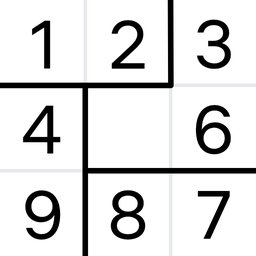
Jigsaw Sudoku
Logic enthusiasts seeking a mental workout will find their new addiction with Jigsaw Sudoku. This challenging brain teaser transforms the traditional ...
▶ Play Free5. Killer Sudoku
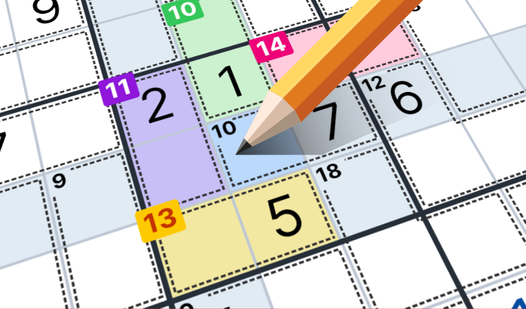
Arguably the hardest number puzzle on this list. Killer Sudoku layers arithmetic on top of the standard Sudoku rules: groups of cells called "cages" must add up to a given target sum, and no digit can repeat within a cage. You're solving two interlocking constraint systems simultaneously — logical placement AND arithmetic. The early stages feel doable, but as the grid fills in and the cage constraints start intersecting, the difficulty becomes intense. One of the absolute best challenging games for players who enjoy math-based reasoning.
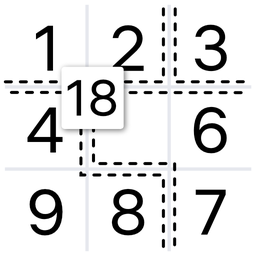
Killer Sudoku
Killer Sudoku takes the standard grid logic you already know and adds an addictive mathematical twist that keeps your brain firing on all cylinders. T...
▶ Play Free6. MathCross: Math Crossword Puzzle
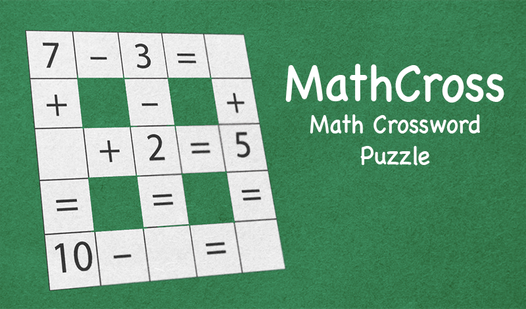
This one occupies a unique space. MathCross fuses the format of a crossword with arithmetic operations — you need to satisfy both directional constraints and mathematical equations within the same grid. It's the kind of game that makes you realize how rarely puzzles ask you to use two different cognitive systems at once. Language processing and numerical reasoning don't naturally cooperate, and MathCross forces them to. Unusual, genuinely challenging, and worth trying even if crosswords or math games don't usually appeal to you separately.
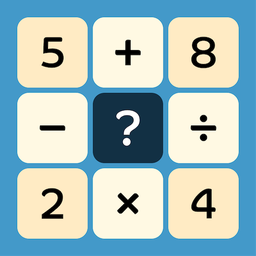
MathCross: Math Crossword Puzzle
Numbers are the universal language of logic, but rarely do they get to play the lead role in a grid-based brain teaser like they do here. MathCross: M...
▶ Play Free7. Cryptogram: Cipher
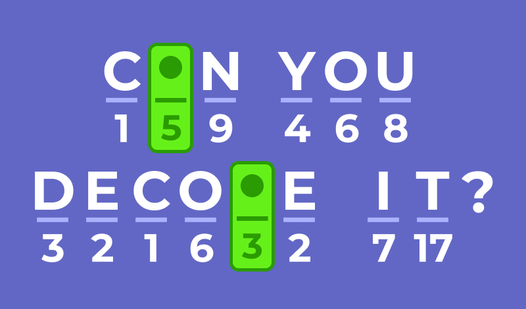
Every letter in the puzzle is a substitution for a real letter of the alphabet. Your job is to decode a hidden phrase using logic, frequency analysis, context clues, and occasionally inspired guessing. Cryptogram: Cipher is slow and cerebral — the payoff comes not from a single breakthrough but from the gradual accumulation of small deductions until the message finally surfaces. Veteran word puzzle players will find this deeply satisfying. Newcomers should expect to feel lost for a while, then suddenly not lost at all.
Cryptogram: Cipher
Decode hidden messages by swapping mysterious numbers for their corresponding letters in Cryptogram: Cipher. Each puzzle presents a unique quote or pr...
▶ Play Free8. Cursed Treasure
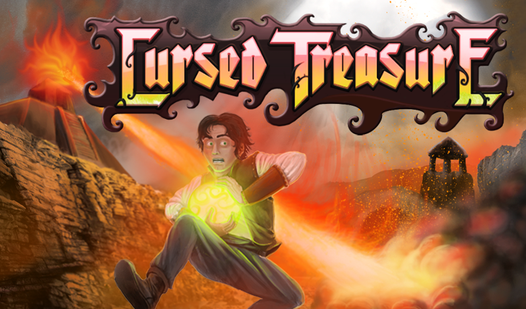
Tower defense with genuine strategic depth. Waves of heroes push toward your gem cache, and your tools for stopping them — towers, ability upgrades, special attacks — need to be deployed with real precision. The enemy roster is varied enough that no single tower configuration works everywhere; you have to read each wave and adapt. Poorly placed defenses compound quickly, and the game doesn't hesitate to punish lazy setups. Cursed Treasure rewards players who think before they build, and punishes those who don't.
Cursed Treasure
Strategy enthusiasts who enjoy playing the villain will find Cursed Treasure incredibly addictive as they safeguard their hoard from meddlesome heroes...
▶ Play Free9. Dinosaurs Merge Master
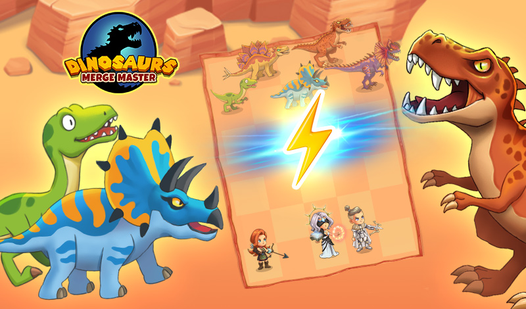
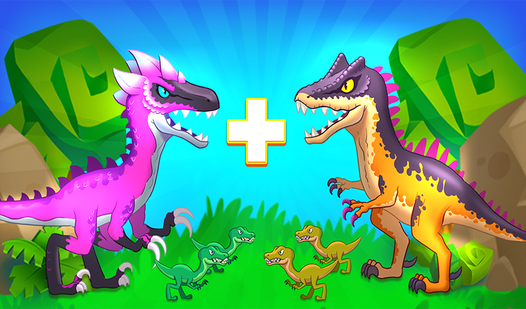
Auto-battler mechanics combined with chess-like board positioning. You place and merge dinosaurs to build an army, and those armies fight in real time against increasingly tough opponents. The challenge is strategic: understanding which units beat which, where to position high-damage pieces, and when to commit to a merge versus holding back for a bigger combination later. The AI scales aggressively, so your early strategies stop working well before the end. Strong entry for players who enjoy systems-level thinking.
Dinosaurs Merge Master
Stuck in a boring meeting or just need a quick mental escape from your daily grind? Dinosaurs Merge Master is the perfect browser solution to turn you...
▶ Play Free10. Water Sort Go
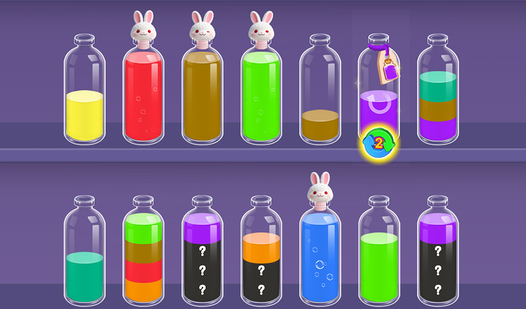
This one earns its spot through a particular kind of diabolical design. Tubes of mixed colored water, and you pour them between containers trying to isolate each color. Early levels feel almost relaxing — just move this here, move that there. Then the tube count grows, the colors multiply, and suddenly there are no obviously good moves. One wrong pour can create a cascade of bad situations that forces a full restart. Water Sort Go is excellent at making you feel almost done right up until you're completely stuck.

Water Sort Go
Staring at the clock during a long afternoon usually means you need a quick mental escape to recharge your focus. Water Sort Go provides the perfect a...
▶ Play Free11. Sudoku Classic (9)
A focused, well-implemented 9x9 Sudoku experience for players who want the puzzle without distractions. The difficulty tiers are well-calibrated, moving from straightforward warm-ups to genuinely taxing grids that require serious deductive chains. Good for daily practice — solving one challenging Sudoku per day builds pattern-recognition skills that carry over into other logic games. Clean interface, responsive controls, and puzzles that hold up under close analysis.
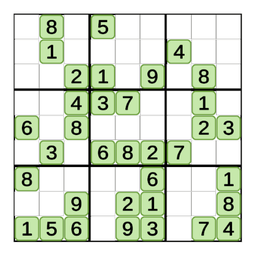
Sudoku classic (9)
Logic enthusiasts and fans of classic brain teasers will find Sudoku classic (9) to be the ultimate test of mental clarity. This timeless puzzle chall...
▶ Play Free12. Merge Master: Dinosaurs War
The full-scale version of the merge-and-battle concept. Where Dinosaurs Merge Master is a strategic warmup, Merge Master: Dinosaurs War is the tournament. Real-time pressure, resource management, and opponent armies that escalate fast. Every decision matters: timing your merges, reading enemy movements, figuring out the right unit composition for the current threat. The strategic complexity here exceeds most games in the genre, and it remains challenging well into late levels. High replay value for players who want to refine their approach between sessions.
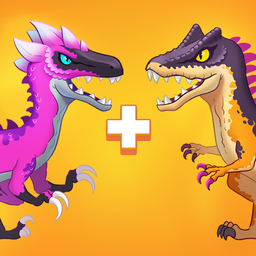
Merge Master: Dinosaurs War
Command a prehistoric army and climb the ranks to become the ultimate dinosaur conqueror in this intense combat simulator. You will strategically comb...
▶ Play Free13. OpenXcom Extended
The most demanding game on this list by a significant margin. OpenXcom Extended is a faithful, modernized adaptation of the legendary X-COM strategy series — one of the most notoriously difficult games in history. You run a global organization fighting an alien invasion, managing research, base construction, finances, and tactical ground missions. Missions are turn-based and brutal; your soldiers can die permanently. Bad decisions made in January might not manifest as disasters until June. The systems interact in complex, non-obvious ways, and the learning curve is genuinely steep. This isn't a casual recommendation — it's for players who want a game that demands everything.

OpenXcom Extended
Staring at the clock while your coffee goes cold is a sign that you need an immediate tactical distraction to sharpen your mind. OpenXcom Extended ser...
▶ Play Free14. Star & Box
Puzzle simplicity meets serious spatial depth. You push boxes across a grid to marked target locations — that's the whole game. But the walls are tight, the paths are narrow, and boxes can block each other in ways that require planning six moves ahead. Star & Box is built on the classic Sokoban formula, which has been humbling puzzle players for decades for a reason. Short levels, high density of challenge per square centimeter of grid. A good one to pick up for a few minutes and end up spending an hour on.
15. Solitaire Napoleon
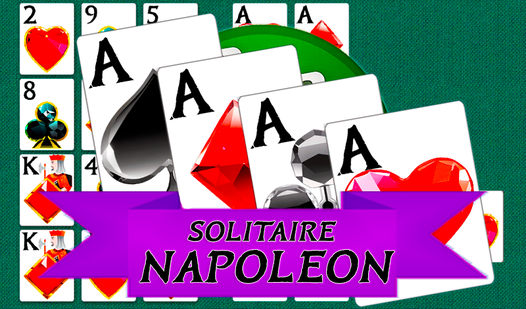
Most solitaire variants are won or lost depending on your starting hand. Napoleon is different — it's one of the few solitaire games where strategy genuinely shifts the odds, and it still manages to be brutal. The rules demand careful sequencing, knowing when to draw versus when to build, and avoiding states where the remaining cards can't be placed anywhere useful. Experienced card game players often find it surprisingly difficult. The satisfaction of completing a hand is real, and so is the frequency of failure.
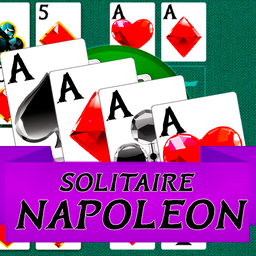
Solitaire Napoleon
Stacking cards in Solitaire Napoleon demands sharp strategy and a keen eye for detail to conquer the challenging layout. You must organize every card ...
▶ Play Free16. Sudoku Plus
Built for players who've worked through standard puzzles and want more. Sudoku Plus maintains the classic 9x9 grid but features puzzles with longer deduction chains and fewer "easy" starting cells to anchor your logic. The gap between obvious moves appears earlier and lasts longer, putting pressure on your ability to work with incomplete information. A strong pick for anyone developing serious Sudoku skills who needs puzzles that won't let them coast.
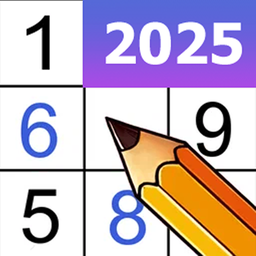
Sudoku Plus
Staring at a blank screen during a coffee break is the perfect sign that your brain needs a quick, stimulating reset. Sudoku Plus arrives as the ultim...
▶ Play Free17. Chess with a Computer
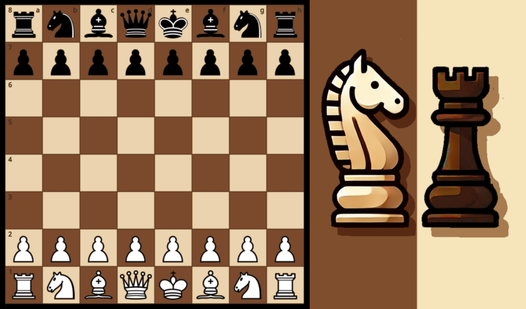
No game in history has produced more written strategy, more theory, more analysis, than chess. Playing against a computer removes the human variable and leaves you with pure structure — your understanding of the game against the algorithm's. The difficulty settings here make it accessible at any level, but push the AI toward its higher settings and the experience becomes a proper test of everything you know. Chess rewards deep thinking more consistently than almost any other game on this list.
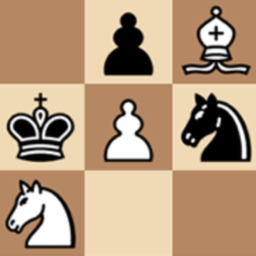
Chess with a computer
Mastering the ancient strategy of the royal game is a lifetime pursuit that begins with a single move. Chess with a computer offers the perfect digita...
▶ Play Free18. Theme Hospital Tycoon
Managing a hospital full of absurd fictional diseases is funnier than it sounds and harder than it looks. Theme Hospital Tycoon asks you to balance room construction, staff allocation, patient flow, diagnosis accuracy, treatment availability, and budget — simultaneously. Every system interacts with the others, and inefficiencies that seem minor early on compound into expensive crises later. The tone is lighthearted but the management challenge is genuine. A good option for players who want strategic depth wrapped in something less grim than most strategy games.

Theme Hospital Tycoon
Managing a healthcare facility sounds serious until you realize your patients have neon-colored heads and invisible limbs. Theme Hospital Tycoon turns...
▶ Play Free19. Sudoku PRO
The highest-difficulty Sudoku on the list. Sudoku PRO features puzzles designed specifically for players who treat number placement as a serious discipline. The solving techniques required go beyond basic elimination — you'll need to recognize X-Wing patterns, swordfish configurations, and other advanced structures to crack the harder grids. If you want Sudoku that actually develops your logical thinking rather than just giving you something to fill time, this is the right version.
Sudoku PRO
Staring at a blank screen during a midday slump is the perfect excuse to sharpen your mind with a quick logic challenge. Sudoku PRO turns those idle m...
▶ Play Free20. Mineblock Survivor: Craft
Closing the list with a different kind of challenge. Mineblock Survivor: Craft puts you in a block-built world where hostile mobs attack in waves. You craft tools, build defenses, upgrade abilities, and fortify your position between each assault. The challenge isn't just reactive — preparation matters as much as performance under pressure. Later waves hit hard enough that a poorly designed base becomes a serious liability. Good survival game pacing, satisfying progression, and enough variety to stay interesting across long sessions.
Mineblock Survivor: Craft
Staring at a blank screen during a lunch break often feels like a missed opportunity for some serious pixelated action. Mineblock Survivor: Craft turn...
▶ Play FreeMore Challenging Games to Explore
The 20 games above are the highlights, but the FreeJoy catalog runs deep. These eight additional titles all offer real challenge and are worth adding to your rotation:
Dots Sudoku
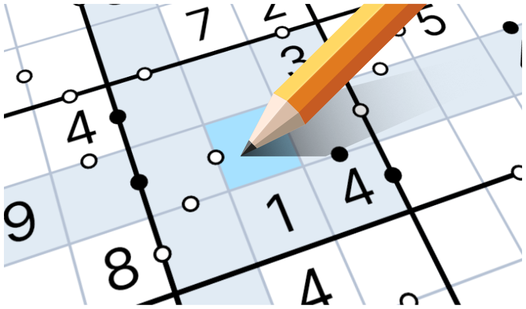
Place numbers into the grid ensuring no repeats while following the logic of white and black dots that define the relationship between adjacent cells....
▶ Play Free
Mahjong Classic
Ancient board games have survived for centuries because they perfectly balance relaxation with intense mental stimulation. Mahjong Classic honors this...
▶ Play Free
Water Drop Sort
Pour colorful liquids between glass containers to organize them by hue until every bottle holds only one shade. Water Drop Sort challenges your logic ...
▶ Play Free
Domino duel
Staring at the screen during a long afternoon slump is the worst, but Domino duel turns that downtime into a strategic mental workout. This classic ta...
▶ Play Free
Take over America
Crush waves of incoming hostile forces while claiming every inch of the map in Take over America. You command the battlefield by strategically placing...
▶ Play Free
Merge Blocks
Fans of addictive puzzle games will find themselves hooked on the satisfying loop of shooting and combining colorful numbered tiles. Merge Blocks turn...
▶ Play Free
Make Words from Words
Construct as many unique terms as possible using only the provided letters to master this addictive linguistic challenge. Every level presents a fresh...
▶ Play FreeTips for Getting Started with Challenging Games
Jumping into hard games cold leads to frustration for most players. A few adjustments make the experience significantly better:
Reframe failure as data. Every lost match or failed puzzle tells you something about how the system works. The best challenging games are designed to be fair — if you lose, a reason exists, even if you can't see it yet. Try to identify that reason before retrying.
Commit to one game at a time. Each game on this list has its own logic, its own vocabulary of patterns. Jumping between three different puzzle types before building competency in any of them slows your progress in all of them. Pick one, get comfortable, then expand.
Use undo as a learning tool. For puzzle games that offer it, the undo button is genuinely useful — not as a way to erase mistakes, but as a way to step back through your reasoning and find where it broke down. Undo, study the board state, understand why your last move was wrong.
Break big problems into small ones. Complex grids and multi-step puzzles become manageable when you focus on the most constrained element first. In Killer Sudoku, find the cage with the fewest possible number combinations. In Star & Box, identify the box with only one possible path. Small locks open big doors.
Rest between sessions. Cognitive fatigue is real, and it hits puzzle players especially hard. If you've been on the same level for 20 minutes without progress, walking away for 10 minutes frequently produces better results than grinding harder. Tired pattern recognition is significantly worse than rested pattern recognition.
For strategy games, study losses. Chess, OpenXcom Extended, and Cursed Treasure all reward players who analyze what went wrong after a defeat. Taking five minutes to understand why you lost is worth more than immediately starting another game with the same habits. Strategy games are systems — learning the system matters more than raw repetition.
Don't rush the early levels. The starting stages of challenging games aren't just for beginners — they're building the mental models you'll need when difficulty spikes. Players who speed through easy levels often hit a wall later that players who paid attention never encounter.