How to Play Sudoku for Kids
Learning how to play sudoku for kids is easier than most parents expect. The puzzle looks intimidating — all those numbers arranged in a grid — but the actual rules take about five minutes to explain. After that, children often get completely hooked. Sudoku sharpens logical thinking, builds concentration, and delivers a genuine sense of satisfaction when that last number finally clicks into place. Whether your child is six or twelve, there's a version of sudoku perfectly suited to their level. This guide covers everything: the basic rules, the best starting point for young beginners, a clear solving strategy, the top free online sudoku games for children, and why this classic puzzle is one of the best things kids can do for their developing brains.
Sudoku rules explained for kids
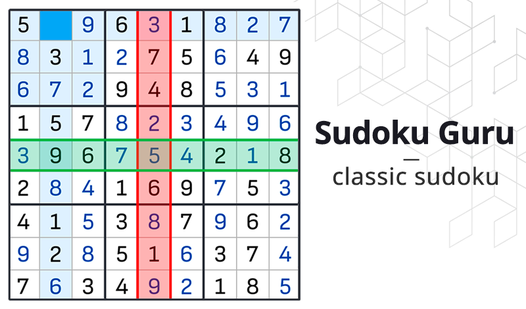
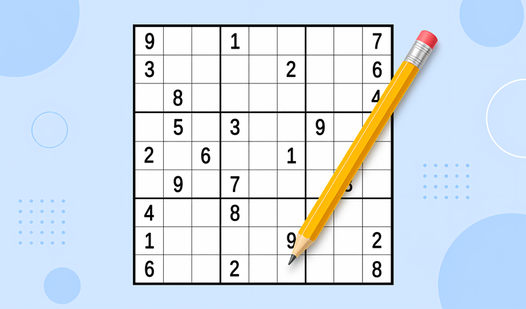
Sudoku is a number placement puzzle played on a grid. The classic version uses a 9×9 grid — 81 cells in total — divided into nine 3×3 boxes. Your goal is to fill every row, every column, and every 3×3 box with the numbers 1 through 9, with each number appearing exactly once in each unit.
Here's the single golden rule children need to understand: no repeats. If the number 5 already appears somewhere in a row, it cannot go anywhere else in that same row. The same applies to columns and to the 3×3 boxes. Every empty cell in the grid has exactly one correct number, and you figure it out through pure logic — no guessing, no arithmetic, just careful observation.
Breaking it down simply:
- The grid — a large square made up of 81 smaller squares (9 rows × 9 columns)
- The rows — nine horizontal lines running left to right
- The columns — nine vertical lines running top to bottom
- The boxes — nine chunky 3×3 squares nested inside the big grid
- The rule — numbers 1 through 9 each appear exactly once in every row, column, and box
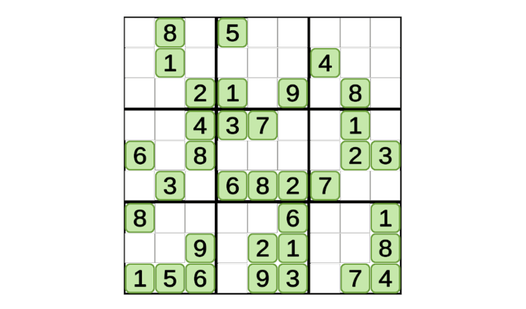
A puzzle starts with some numbers already filled in — these are called "givens." The more givens there are, the easier the puzzle. Beginner puzzles for children often have 40 or more numbers already in place, leaving only a handful of cells to figure out. Expert-level puzzles might have just 17 givens, forcing the solver to work much harder.
A fun way to explain the concept to young kids: imagine nine friends sitting at nine different tables in a cafeteria. No two friends with the same name can sit in the same row of tables or at the same table. Each seat belongs to exactly one person. Sudoku works the same way — each "seat" in the grid belongs to exactly one number.
One thing that surprises many children: you never need to guess. Every sudoku puzzle with a unique solution can be solved entirely through logic. If a child feels like they're guessing, that's a signal to slow down and re-examine what they know.
Sudoku
Logic puzzles have a unique way of sharpening the mind while providing a satisfying sense of accomplishment when every box finally clicks into place. ...
▶ Play FreeStart with 4×4 mini sudoku
Before jumping straight to the full 9×9 grid, children learn far more effectively by starting with a 4×4 version. The rules are identical — you just use numbers 1 through 4 instead of 1 through 9, and the grid contains four 2×2 boxes instead of nine 3×3 ones.
The whole puzzle fits on a small piece of paper:
[ ][ ] | [ ][ ]
[ ][ ] | [ ][ ]
-------+-------
[ ][ ] | [ ][ ]
[ ][ ] | [ ][ ]
With a few numbers filled in as starting clues, most children can solve a 4×4 sudoku in under two minutes. That quick win is enormously important. Success builds confidence, and confidence is what motivates kids to try harder versions. A child who completes a 4×4 puzzle feels smart — and they are right to feel that way, because logic is genuinely a skill.
Practical tips for teaching 4×4 sudoku:
- Use pencils, not pens. Being able to erase without a trace removes a huge source of frustration for beginners.
- Color-code the boxes. A light crayon shading each 2×2 box a different color helps young children see the boundaries clearly.
- Say the rule together. Before starting, say out loud: "Each number 1, 2, 3, 4 appears exactly once in every row, column, and box." Hearing it helps.
- Start with obvious squares. Any row or column already containing three of the four numbers — the last one is automatic. Find these first.
- Celebrate every completion. Make a mini puzzle feel like an achievement, because it genuinely is one.
After 3–5 solved 4×4 puzzles, most children are ready to try a 6×6 version (numbers 1–6, six 2×3 boxes). Then comes the standard 9×9. This step-by-step progression keeps frustration low and excitement high throughout the learning curve.
One big advantage of online sudoku is that the interface handles all the bookkeeping. No erasing, no smudged paper, no confusion about which marks are "real" answers versus notes. For young beginners especially, playing sudoku online can make the whole experience feel lighter and more fun.
Sudoku: Classic Puzzles
Place numbers from one to nine into the grid making sure every row and column holds each digit only once. Mastering Sudoku: Classic Puzzles requires s...
▶ Play FreeStep-by-step solving strategy for beginners
Understanding the rules is the starting line. Actually solving a puzzle requires a little strategy. Here's a beginner-friendly approach that works well for children just getting started — and honestly for most adults too.
Step 1: Look for lonely numbers
The easiest moves in any sudoku puzzle are the ones where a row, column, or box already has eight of the nine numbers filled in. The missing number is obvious: just check which number from 1 to 9 isn't there yet, and write it in. Always start by scanning the entire grid for these "last-one-standing" situations before doing anything more complex.
Step 2: Cross-elimination
Pick any number — let's say 3. Find every 3 already placed on the board. For each row that already contains a 3, mentally cross out that entire row from consideration. Do the same for columns. Now look at a specific 3×3 box: if two out of three possible rows passing through that box already have a 3 somewhere else on the board, then the 3 in this box can only go in the remaining row. Narrow down further by checking which columns in that row already have a 3, and you'll often be left with just one possible cell.
Repeat this process for every number 1 through 9. Some will resolve immediately; others will narrow down to two or three options that you'll revisit later.
Step 3: Write pencil candidates
For any cell that still isn't resolved, lightly write all the numbers that could go there in small text inside the cell. A number is a candidate for a cell if it doesn't already appear in that cell's row, column, or box. These small notes are called candidates or pencil marks.
As you fill in more cells around the board, go back and erase candidates that are no longer valid. The grid gradually simplifies.
Step 4: Find naked singles
A "naked single" is a cell where only one candidate remains after all others have been eliminated. Write that number in and update your pencil marks across the entire row, column, and box. Naked singles often chain-react — solving one reveals another, which reveals another.
Step 5: Find hidden singles
A "hidden single" is slightly trickier. It's when a specific number can only go in one cell within a given row, column, or box — even though that cell might still have multiple candidates written in it. Scan each unit carefully: if the number 7 appears as a candidate in only one cell in a particular row, that cell must be 7, regardless of what other candidates are written there.
These five steps — combined with patience — are enough to complete the vast majority of easy and medium sudoku puzzles. Kids don't need advanced techniques to enjoy the game. The habit of checking carefully and working systematically is the real skill being built.
One useful mindset to share with children: sudoku is not about being fast, it's about being right. Slowing down and double-checking is always the better choice.
Sudoku Guru - classic sudoku
Staring at a blank screen during your commute or waiting for your coffee to brew is the perfect time to sharpen your wits with a quick logic puzzle. S...
▶ Play FreeBest free online sudoku games for children
Playing sudoku word game online free is one of the easiest ways to get kids started — no printing, no pencils needed, instant access to puzzles at any difficulty level. Here are the top options for children on FreeJoy, covering everything from classic 9×9 grids to creative variations that feel entirely fresh.
Sudoku is a clean, standard 9×9 puzzle that requires logical thinking and concentration. It's a solid starting point for kids who already understand the rules and want straightforward practice — no gimmicks, just pure sudoku.
Sudoku
Logic puzzles have a unique way of sharpening the mind while providing a satisfying sense of accomplishment when every box finally clicks into place. ...
▶ Play FreeSudoku: Classic Puzzles is the go-to recommendation for beginners. It offers multiple difficulty settings, and the easy level is genuinely accessible for children — not watered-down "easy" that still stumps newcomers. The interface is clean, there's no time pressure, and it works smoothly in any browser without any setup.
Sudoku: Classic Puzzles
Place numbers from one to nine into the grid making sure every row and column holds each digit only once. Mastering Sudoku: Classic Puzzles requires s...
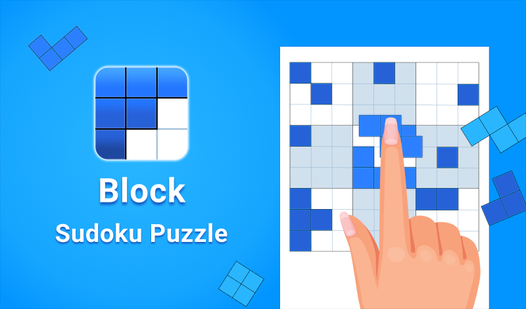
▶ Play FreeBlock Sudoku Puzzle takes a genuinely different approach. Rather than placing single numbers one at a time, you're fitting blocks of numbers into the grid — a bit like combining Tetris-style thinking with sudoku logic. This version works brilliantly for kids who find traditional sudoku too rigid, because the block-fitting mechanic feels more like assembling a toy than solving a puzzle. Many children who say they "don't like sudoku" end up loving Block Sudoku.

Block Sudoku Puzzle
Arrange various wooden shapes on a 9x9 board to complete lines and clear space for your next move. Block Sudoku Puzzle challenges your spatial awarene...
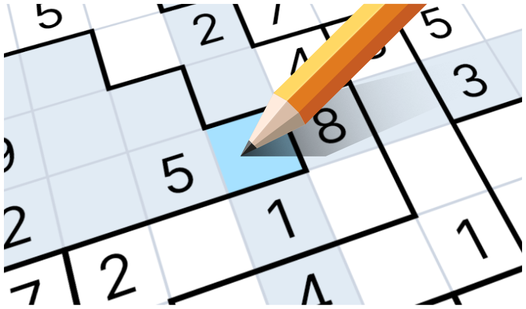
▶ Play FreeJigsaw Sudoku replaces the standard 3×3 square boxes with irregular, jigsaw-shaped regions. The core rule stays the same — each number appears once per row, column, and irregular region — but the unusual shapes make every puzzle look and feel completely different. Kids who get bored with standard grids often find that jigsaw variations reignite their interest because the visual variety keeps things surprising.
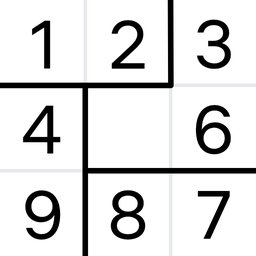
Jigsaw Sudoku
Logic enthusiasts seeking a mental workout will find their new addiction with Jigsaw Sudoku. This challenging brain teaser transforms the traditional ...
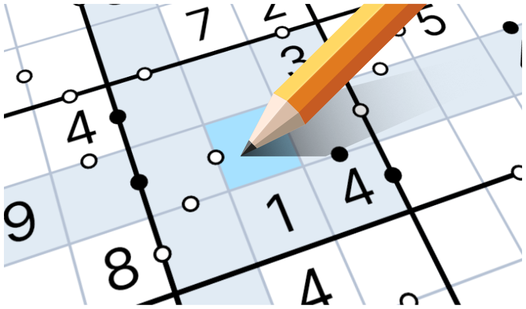
▶ Play FreeDots Sudoku offers another visual spin on the classic format, with different difficulty levels making it accessible across a wide age range. The lighter, dot-based presentation feels more playful than a traditional number grid, which helps younger players stay engaged for longer sessions.
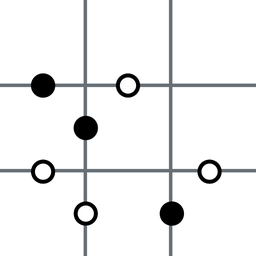
Dots Sudoku
Place numbers into the grid ensuring no repeats while following the logic of white and black dots that define the relationship between adjacent cells....
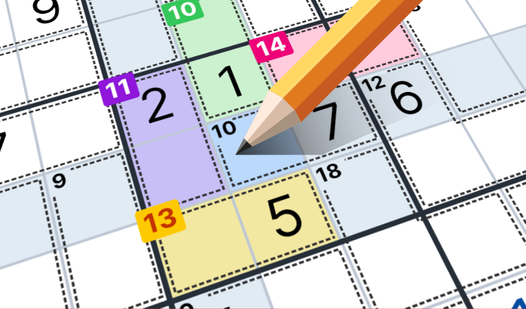
▶ Play FreeKiller Sudoku is the challenge-seeker's reward. Beyond the usual row/column/box rule, groups of cells are outlined in dashed "cages," and the numbers inside each cage must add up to a target sum printed in the corner. It's significantly harder than classic sudoku, but for children who enjoy arithmetic as well as logic, it's deeply satisfying. Think of it as the advanced chapter that waits after kids have truly mastered the basics.
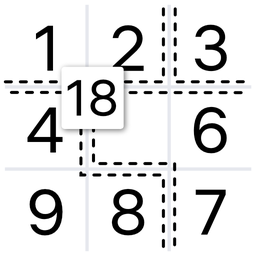
Killer Sudoku
Killer Sudoku takes the standard grid logic you already know and adds an addictive mathematical twist that keeps your brain firing on all cylinders. T...
▶ Play FreeSudoku Club brings variety into the mix, offering different puzzle types in one place — great for kids who want options rather than the same format every session. Sudoku Free delivers the classic experience with zero fuss: clean design, multiple difficulty levels, and instant play.

Sudoku Club
Staring at a blank screen during a long afternoon slump makes it hard to stay productive without a quick mental reset. Sudoku Club provides the perfec...
▶ Play Free
Sudoku free
Filing rows and columns with numbers is the core of Sudoku free, a game that sharpens your mind while you unwind. You carefully place digits from one ...
▶ Play FreeUltimate Sudoku lives up to its name with an extensive puzzle library and a clear interface that suits both newcomers and children who've been playing for months. When a child has outgrown easy puzzles and wants a real workout, this is an excellent destination.
Ultimate Sudoku
Logic puzzles have a unique way of keeping the mind sharp, and few titles manage to capture that satisfaction as well as Ultimate Sudoku. This classic...
▶ Play FreeSudoku Classic (9) brings the full 9×9 grid experience in a reliable, distraction-free format. When kids just want to sit down and solve puzzles without extra features getting in the way, this is the one to bookmark.
Sudoku classic (9)
Logic enthusiasts and fans of classic brain teasers will find Sudoku classic (9) to be the ultimate test of mental clarity. This timeless puzzle chall...
▶ Play FreeSudoku benefits for kids' brain development
Sudoku isn't just a way to pass time — it actively builds cognitive skills that carry over into school performance and everyday problem-solving. Here's a closer look at what regular puzzle practice genuinely does for a developing brain.
Logical reasoning
Every single move in sudoku requires a chain of logical thought: "This cell cannot be 4 because 4 already appears in this row. It cannot be 8 because 8 is already in this column. The only remaining option is 2." Children practice constructing if/then arguments with every puzzle they solve. This kind of systematic deductive reasoning is the same thinking used in mathematics, coding, science experiments, and legal analysis. Starting early, in a fun context, builds a powerful intellectual habit.
Working memory
Tracking candidates across multiple cells, remembering which numbers are placed in which positions, and holding several overlapping constraints in mind at once — all of this exercises working memory intensively. Working memory is essentially the brain's mental workspace, the capacity to hold and manipulate information in the moment. Research consistently links stronger working memory with better reading comprehension, mathematical ability, and academic performance overall.
Patience and frustration tolerance
Sudoku puzzles don't yield to impatience. Some cells remain blank for a long stretch while you work through other parts of the grid, gradually gathering the information needed to resolve the difficult ones. Children learn — in a genuinely engaging context — that not knowing the answer right away is normal, that it's okay to set a problem aside and return to it, and that persistence eventually pays off. These emotional and metacognitive skills are at least as valuable as any academic lesson.
Sustained concentration
Screens and modern environments offer constant rapid stimulation. Sudoku demands something different: focused, patient attention over an extended period. A single puzzle might require 15 to 30 minutes of unbroken concentration. Practising this regularly helps children develop the capacity to focus in settings where distractions are everywhere — including classrooms. It's essentially training the brain to stay on task.
Number confidence without math pressure
You do not need mathematical ability to play sudoku. The numbers 1 through 9 are just symbols — you could replace them with colours or letters and the logic would be identical. But the constant exposure to numbers, to patterns they form, and to the systematic process of working through numerical options does build number comfort and fluency. Many teachers specifically recommend sudoku because it makes children more at ease with numbers without carrying the pressure of "getting the math right."
Spatial and pattern recognition
After solving enough puzzles, children begin recognising recurring configurations — certain arrangements of numbers that always resolve the same way. This pattern-recognition ability transfers across many domains: reading, music, programming, and visual arts all rely heavily on identifying and applying patterns. The spatial thinking involved in tracking a 9×9 grid also strengthens visual-spatial skills more broadly.
The consistent message across child development research is that games combining clear rules with open-ended logical challenge are among the best activities for building analytical thinking. Sudoku fits that description perfectly, and the free online versions available today mean any child with internet access can start building these skills right now.