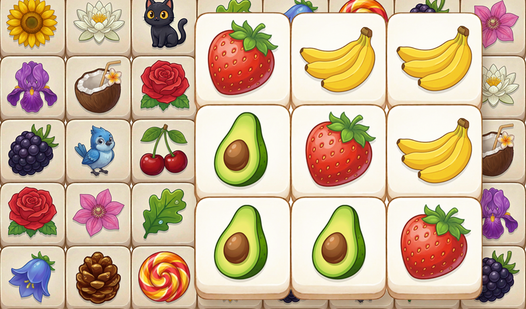
Best Tiles Games Online — TOP 19 Free Puzzle Games 2026
Tile-matching puzzles have been hooking players for decades — and the best tiles games available today are sharper, more creative, and more addictive than ever. Whether you prefer clearing a board of identical pairs, sorting colorful stacks, or working through layered mahjong challenges, there's a tiles game here built exactly for your brain. All of them are free, all run straight in your browser, and none require a download. Let's get into it.
What Are Tiles Games?
Tiles games are puzzle games built around a shared mechanic: you have a field of tiles — usually square, hexagonal, or card-shaped — and your job is to match, sort, or clear them according to specific rules. The genre blends logic, pattern recognition, and spatial reasoning into one satisfying loop.
The core types you'll find online:
- Pair-matching — find two identical tiles and remove them. Classic mahjong falls here.
- Triple-matching — collect three identical tiles into a hand slot before your slots fill up.
- Sort & stack — move tiles to organize them by color or type, often into limited containers.
- Sliding or layered puzzles — tiles sit in layers and you clear the top ones to expose deeper ones.
- Hybrid games — mix tile mechanics with match-3 or 2048-style progression.
The appeal is universal. Tiles games are easy to pick up — tap matching tiles, remove them, repeat — but the strategic depth sneaks up on you. Board order matters. Slot management matters. Which tile you expose next can make or break a run. That's why the genre remains one of the most-played puzzle categories online.
TOP 12 Best Tiles Games Online
Here are the twelve best tiles games you can play right now, ranked and ready.
1. Master of Tiles
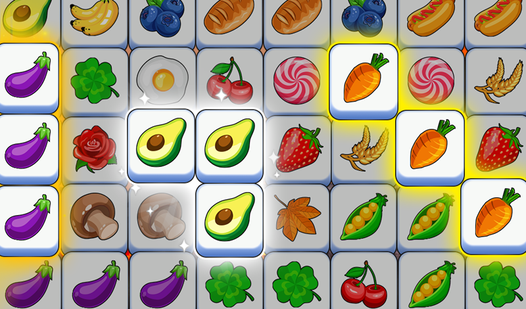
A clean, satisfying puzzle built on one idea: click groups of matching colors to remove them. The board clears in waves as you chain removal combos, and the color coding makes it visually readable even on cluttered stages. Great for players who want tiles games with a low barrier but real strategic payoff.
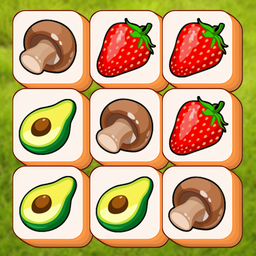
Master of Tiles
Ever wondered what makes a puzzle game truly captivating? Master of Tiles draws you in with its simple premise and keeps you hooked with surprisingly ...
▶ Play Free2. Cute Tiles: Puzzle
Cozy aesthetics, wooden tile textures, and a satisfying combo-assembly system make this one stand out. You collect tiles and build combinations — there's a light crafting feel to it that most tiles games skip. If you want something that feels like a relaxing afternoon project rather than a race against the clock, this is your pick.
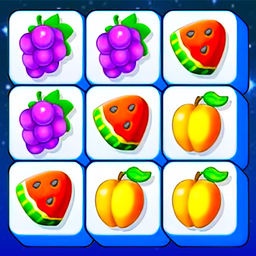
Cute Tiles: Puzzle
Feeling a bit bored and need a quick mental break? Cute Tiles: Puzzle is your cozy escape into a world of satisfying tile-matching and aesthetic charm...
▶ Play Free3. Tiles Slider: Combine
Slide, match, score. The board-clearing mechanic here rewards deliberate play — you're not just matching pairs but thinking about which combinations will leave you a clean board state. The scoring system adds replay value, since there's always a better run to chase. One of the stronger competitive-style tiles games in the list.
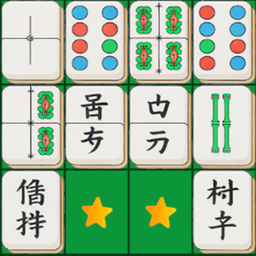
Tiles Slider: Combine
Match pairs on a bustling 6x7 board by sliding tiles into position to clear the screen. Tiles Slider: Combine challenges you to spot identical images ...
▶ Play Free4. Find the Pair of Tiles!
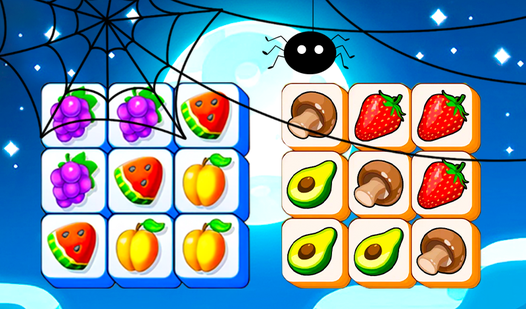
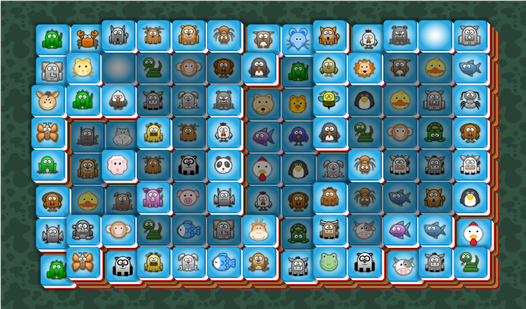
Sometimes you just want to switch off and match tiles at your own pace. This game gets that. The field fills with identical tile pairs, you find and tap them, they disappear, and the board gets cleaner. No timers forcing panic, no punishing mechanics. Pure relaxation mode. The tile designs are varied enough to stay visually interesting across sessions.
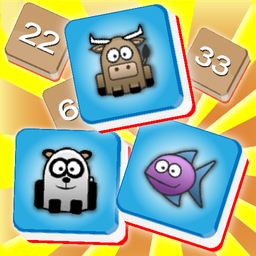
Find the pair of tiles!
Matching games offer a meditative way to sharpen your focus while unwinding after a long day. Find the pair of tiles! turns this simple concept into a...
▶ Play Free5. Tiles Match 3: Forest Journey
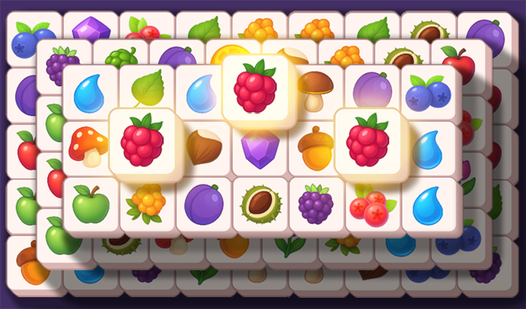
This one blends two classic puzzle genres into something fresh. Take the visual aesthetic of a forest-themed mahjong set, add match-3 collection logic, and you get a game that fans of both genres will enjoy. Collect sets of identical forest images — mushrooms, leaves, animals — to progress through stages. The art style is genuinely charming.
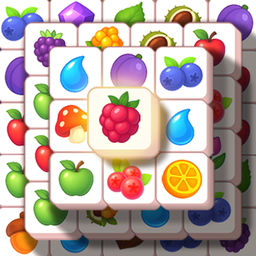
Tiles Match 3: Forest Journey
Fans of logic puzzles will adore the serene challenge found in Tiles Match 3: Forest Journey. This addictive experience blends the classic fun of a ma...
▶ Play Free6. Find a Pair of Tiles: 2-5 Layers!
Standard pair-matching gets a serious upgrade with the layered system here. You're not just scanning a flat field — tiles sit in multiple layers, and clearing the top exposes what's underneath. This creates real depth in planning: sometimes the pair you need is buried under four tiles you haven't matched yet. Among layer-based tiles games, this one nails the difficulty curve.
7. Mahjong: Collect Three Tiles in a Row
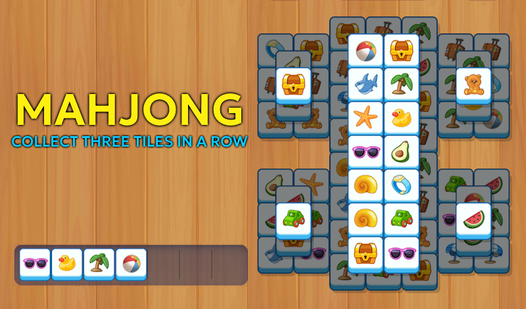
A mahjong-match 3 hybrid that requires a shift in thinking. You're not just pairing tiles — you're collecting three identical ones to eliminate them. The playing field can get crowded fast, and slot management becomes critical. If you're comfortable with classic mahjong but want something that demands more active strategy, this is where to go next.
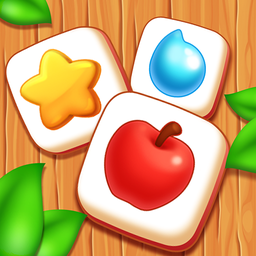
Mahjong: Collect three tiles in a row
Sorting through intricate patterns to find a matching плитка keeps your brain sharp and your competitive spirit high. Mahjong: Collect three tiles in ...
▶ Play Free8. Mahjong 2 Tiles
Old-school mahjong, cleanly executed. The two-tile matching format keeps things accessible while the puzzle depth of traditional mahjong fully intact. The game is described as useful for your brain — and that's accurate. Pattern recognition, memory, and forward planning all get a workout here. A solid pick for daily mental exercise.
9. Collect 3 Tiles
The difficulty scaling here is one of its strongest features. Earlier levels ease you in gently; later stages will genuinely test your planning. The triple-matching mechanic creates a slot-management puzzle on top of the tile-matching puzzle — you're constantly asking "do I have room for this tile right now, or will it trap me?" Great for players across all experience levels.
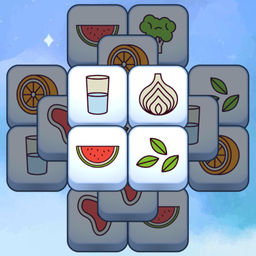
Collect 3 Tiles
Matching bright icons across the board requires sharp focus as you clear the screen piece by piece. You simply tap on a tile to move it into your tray...
▶ Play Free10. Hexa Sort Tiles
Hexagonal tiles instead of squares changes everything. The grid geometry is different, the stacking logic is different, and sorting tiles by color into hexagonal stacks requires thinking in six directions instead of four. Fresh and satisfying if you've been playing square-grid tiles games for a while and want a different visual language.

Hexa Sort Tiles
Staring at the clock waiting for your next meeting or just needing a quick mental reset during a coffee break is a common struggle. Hexa Sort Tiles is...
▶ Play Free11. Three Tiles: Match 3
Stress relief is built into the design philosophy here. The pace is calm, the tile designs are pleasant, and the matching mechanic hits that perfect sweet spot between mindless and engaging. When you match three tiles and they vanish cleanly off the board, there's a small but genuine satisfaction response. Recommended for evening sessions.
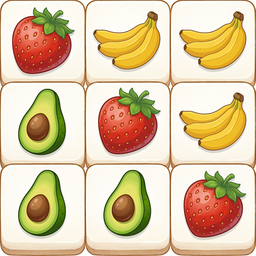
Three Tiles: Match 3
Logic puzzles that challenge your focus are the perfect remedy for a hectic day. Three Tiles: Match 3 takes the addictive soul of classic Mahjong and ...
▶ Play Free12. Tiles Match: Release Stress 3D
The 3D visual presentation makes tiles feel more tangible — they look like real objects on a surface rather than flat icons. The game deliberately avoids overwhelming mechanics and focuses on the core loop: match tiles, clear the board, enjoy the process. No gimmicks, no complex rule sets. Just clean, enjoyable tiles gameplay in three dimensions.
Best Number Tiles Games
Number-based tiles games add a layer of mathematical logic to the standard matching formula. Instead of matching images or colors, you're working with values — combining, sorting, or clearing numbered tiles according to progression rules.
Tiles 2048 takes the classic 2048 sliding mechanic and remixes it into tile form. You combine matching numbers to double their value, chasing the highest tile you can create before the board fills. The strategic challenge is in keeping the board open — one bad move can box you in completely.
Sort Tiles: Tap Away strips sorting puzzles down to their essentials. You tap tiles to remove them in the right sequence, and the game tests your ability to read board state quickly. Numbered or colored tile sequences require planning a few moves ahead — exactly the kind of light cognitive workout that makes short sessions feel productive.
Sort Tiles Puzzle takes a container-sorting approach, where the goal is organizing tiles into sorted stacks using limited moves. The puzzle logic is clean and the difficulty ramps steadily. If you enjoy the satisfaction of watching a disordered board collapse into perfect order, this one delivers that feeling reliably.

Sort Tiles Puzzle
Drag and drop colorful pieces across your screen to master the art of sorting tiles in this addictive brain teaser. Your goal is to consolidate stacks...
▶ Play FreeNumber tiles games reward players who think ahead. The temptation is to make the immediately available move — but the best play is usually the one that keeps your options open for the next three turns. That forward-thinking habit is what separates good scores from great ones.
Best Pattern-Matching Tiles Games
Pattern-matching tiles games focus on visual recognition and memory. You're scanning fields for identical designs, symbols, or images — and the satisfaction comes from spotting matches faster and more accurately over time.
Falling Tiles: Match Three adds a gravity mechanic to the mix: tiles fall from above and you need to match three before they stack up too high. The real-time pressure of falling tiles makes this the most arcade-feeling entry in the category. Reaction speed matters here alongside pattern recognition.
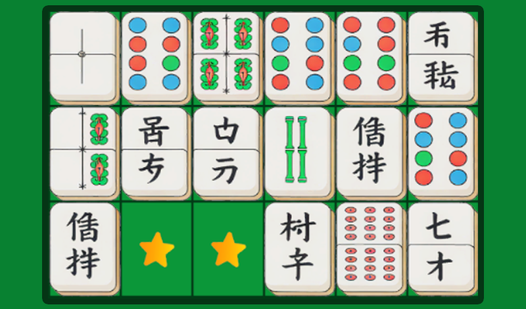
Little Tiles Mahjong Match 3 combines traditional mahjong's visual complexity with the accessibility of match-3. The tile set is detailed — expect classic mahjong imagery like bamboo, characters, and circles — and the matching rules create a rich puzzle experience. A good entry point for players curious about mahjong but intimidated by full traditional rulesets.
Hexa Tiles: Sorting presents hexagonal tile fields with color-sorting challenges. The hex grid means each tile has up to six neighbors, which creates more complex adjacency puzzles than square grids allow. Visual pattern recognition and spatial planning both get exercised here.
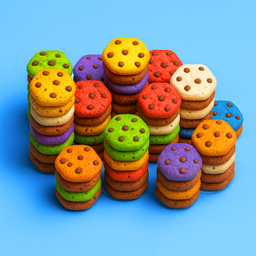
Hexa Tiles: Sorting
Sorting games have evolved into a masterclass of logic, and Hexa Tiles: Sorting takes this concept to a satisfying new level of complexity. You will f...
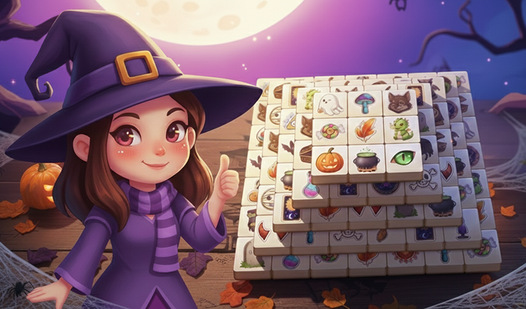
▶ Play FreeThe Three Tiles in the Halloween World wraps the triple-matching mechanic in a Halloween visual theme — pumpkins, bats, ghosts, and witches populate the tile set. The seasonal imagery is detailed enough to keep the visual scanning interesting across longer sessions. Great for players who want familiar mechanics with fresh presentation.
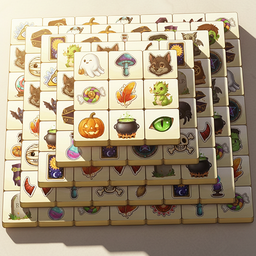
The Three Tiles in the Halloween World
Matching games remain the ultimate way to sharpen your logic while clearing your mind after a long day. The Three Tiles in the Halloween World takes t...
▶ Play FreePattern-matching tiles games build real cognitive skills over time. Regular play genuinely improves the speed at which your brain processes visual similarity — a skill that transfers beyond games. The fact that it's fun is a bonus.
Strategies for Tiles Puzzles
Playing tiles games well isn't just about matching fast — it's about making moves that keep your future options open. Here are the approaches that consistently improve results across different tile game types.
Scan the full board before moving
The first move is rarely urgent. Take a second to map the whole board: where are the densest clusters? Which pairs are easy to find? Which tiles are buried under others? A quick full-board scan usually reveals a better first move than whatever catches your eye immediately.
Clear from the edges inward
In games with layered or stacked tiles, clearing edge tiles first tends to open more of the board than digging into the center. Central tiles often have more neighbors blocking them; edge tiles are more exposed. Start at the margins and work toward the middle.
Manage your hand slots carefully
In triple-matching games (Collect 3 Tiles, Three Tiles: Match 3), your hand slots are a finite resource. Never fill all three slots with three different unmatched tiles — you'll have no room to collect the third of anything. Try to keep at least one slot type that's two-of-a-kind, so the next matching tile immediately clears it.
Think in chains, not single moves
The best moves aren't just "this tile matches that tile." They're "if I remove these two tiles, it exposes this other tile, which pairs with that one, which then frees up the left cluster." Chain thinking is the skill that separates intermediate players from advanced ones in tiles games.
Don't avoid hard tiles
The temptation in pair-matching games is to clear easy pairs first and leave the tricky ones for later. That's usually wrong. Difficult tiles — the ones buried in corners, covered by three layers, or with only one match on the board — should be your priority. They constrain your options. Clear the constraints first.
Use undo moves strategically
Many browser tiles games include an undo feature. Don't use it as a reflexive correction — use it as a planning tool. If you're not sure a move is right, make it, see what it reveals, and undo if the new board state is worse than you expected. Undo is a look-ahead tool, not just an error corrector.
Match tiles to play tiles games better
This sounds circular, but the actual practice loop matters: play a game, notice where you got stuck, specifically try to fix that problem in the next run. Players who consciously analyze why they lost — "I ran out of hand slots in round 4" — improve faster than players who just replay hoping for a better outcome.