What Are Adventure Games? A Complete Beginner's Guide
Adventure games are one of the oldest and most beloved genres in gaming history — and if you've ever wondered what are adventure games and why millions of players keep coming back to them, you're in the right place. This guide breaks down everything you need to know: what defines the genre, where it came from, which sub-genres exist, and which titles are perfect for players just getting started.
What Are Adventure Games, Exactly?
At their core, adventure games are interactive experiences built around exploration, storytelling, and puzzle-solving. Unlike shooters or sports games where reflexes are king, adventure games reward curiosity and creative thinking. You explore environments, collect items, talk to characters, and piece together solutions to move the story forward.
The defining elements of what are adventure games typically include:
- A narrative-driven experience — there's always a story to follow, from rescuing a kidnapped friend to exploring a mysterious island
- Exploration — the world exists to be examined, and hidden details often matter
- Puzzle mechanics — logic problems, item combinations, or environmental challenges
- Character interaction — dialogue systems, choices, and relationships that shape how the story unfolds
Unlike action games, you rarely need to be fast. Adventure games give you time to think, observe, and experiment. That's exactly why the genre is so welcoming to new players.
Take Noob Legends Dungeon Adventures, for example. You play as a hero on a rescue mission through a dungeon, solving challenges and battling through obstacles to save your beloved. It captures the adventure game spirit perfectly — exploration, stakes, and satisfying progress.
Noob Legends Dungeon Adventures
Saving a damsel in distress from a villainous rival is a classic trope, but Noob Legends Dungeon Adventures turns this rescue mission into a chaotic s...
▶ Play FreeA Brief History of Adventure Games
The adventure game genre is older than most people realize. It started in 1976 with Colossal Cave Adventure, a text-based game where players typed commands to explore a cave system. The entire game existed in words — no graphics, no sound, just imagination.
Through the early 1980s, games like Zork pushed the text adventure format further, while Sierra On-Line introduced graphical adventures with their King's Quest series in 1984. Suddenly, you could see the world you were exploring.
The golden age arrived in the late 1980s and throughout the 1990s. LucasArts became legendary with titles like Monkey Island, Day of the Tentacle, and Grim Fandango — games known for sharp writing, memorable characters, and clever puzzles. Sierra continued building their universe with Police Quest, Space Quest, and Gabriel Knight.
The genre dipped in popularity in the early 2000s as 3D action games dominated the market. But adventure games never really disappeared — they evolved. Episodic storytelling, mobile platforms, and indie developers gave the genre new life. Telltale Games' The Walking Dead (2012) introduced a new generation to what adventure games could be: emotionally powerful, choice-driven narratives.
Today, adventure games are everywhere — from big-budget narrative epics to charming browser games you can play right now for free.
Dog Pet Adventure: Save the Puppies 3D! is a great example of accessible modern adventure game design. You're on a mission to rescue puppies — the story is simple, the goal is immediately clear, and the sense of reward when you succeed is completely genuine. Classic adventure game loop, playable by anyone.

Dog Pet Adventure: Save the Puppies 3D!
Navigate through lush forests and bustling villages as a heroic canine on a mission to rescue lost pups in Dog Pet Adventure: Save the Puppies 3D!. Yo...
▶ Play FreePopular Sub-Genres of Adventure Games
One reason what are adventure games remains such a rich question is the genre's flexibility. It spans an enormous range of experiences. Here are the main sub-genres you'll encounter:
Point-and-Click Adventures
The classic format. You click on objects and characters to interact with them. The gameplay revolves around inventory management — picking up items and figuring out how to use them together. These games are relaxed and story-focused, great for players who want to experience a narrative without any time pressure.
Action-Adventure
This is where adventure meets combat or platforming. You still explore and solve problems, but reflexes matter too. The Legend of Zelda series is the defining example — exploration and story combined with real-time combat. Many modern adventure games fall here.
Survival Adventure
Crafting, resource management, and exploration combine into tense, open-world experiences. Minecraft, Subnautica, and Don't Starve live in this space. The "story" is often what you create yourself.
Horror Adventure
Adventure game mechanics applied to scary settings. You explore unsettling environments, uncover disturbing narratives, and face threats you can't always fight. FNAF Adventure! Five Nights Quest is a perfect example — it takes the iconic Five Nights at Freddy's universe and turns it into a quest with mini-games, puzzles, and that ever-present feeling that something is watching you. The combination of quest structure and horror atmosphere makes it genuinely gripping.
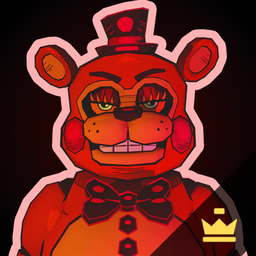
FNAF adventure! Five Nights Quest
Navigate through eerie hallways and engage with mysterious animatronics in FNAF adventure! Five Nights Quest as you uncover long-forgotten secrets. Yo...
▶ Play FreePuzzle-Adventure
Puzzle mechanics take center stage while narrative wraps around them. Games like Portal or The Room series focus on environmental puzzles where the story exists to give context and emotional weight to each challenge.
Visual Novels
Heavy on story, light on traditional gameplay. You read, make choices, and see how the story branches. Popular in Japan and growing worldwide, titles like Ace Attorney and Doki Doki Literature Club have massive followings.
Platformer-Adventure
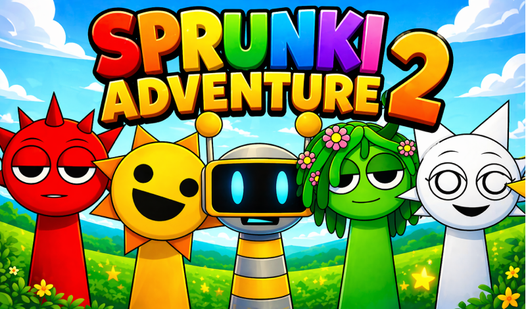
Exploration-driven platformers where the world is the puzzle. Sprunki Adventure 2 fits here — you journey through a magical world, encountering challenges, discovering secrets, and progressing through an exciting narrative built around platformer movement. The colorful world design pulls you forward naturally, making it hard to stop at just one level.
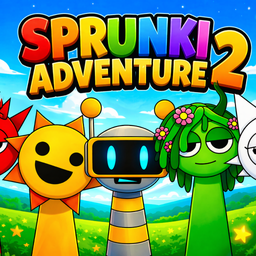
Sprunki Adventure 2
Navigate through vibrant landscapes and master platforming challenges as you guide your character through a mysterious world. Sprunki Adventure 2 keep...
▶ Play FreeWhat Makes a Great Adventure Game?
Not every game with "adventure" in the title delivers a true adventure experience. The best ones share certain qualities that keep players hooked:
Strong world-building. Great adventure games create a sense of place. Whether it's a noir city, a fantasy dungeon, or a cartoon forest, the best games make you feel like you're somewhere real — and make you want to know every corner of it.
Puzzles that feel fair. Nothing kills an adventure game faster than an unfair puzzle. The best designs give you all the information you need to solve a problem — the challenge is putting it together, not guessing randomly.
Characters you care about. Even simple games benefit from memorable characters. The hero you play as, the allies you meet, the villains you face — good writing turns a game into an experience you remember.
A sense of discovery. The feeling that exploring this world will reveal something surprising is what keeps you clicking, walking, and investigating. The best adventure games reward curiosity consistently.
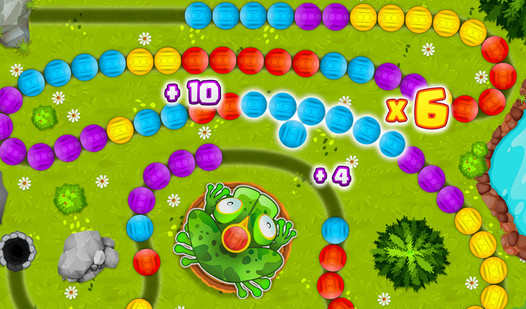
Frogtastic Marble Adventure delivers this through its puzzle-adventure format — each level is a colorful challenge that rewards patience and problem-solving, with enough variety to stay fresh long into any session. The adrenaline of clearing a tough marble puzzle is surprisingly real.
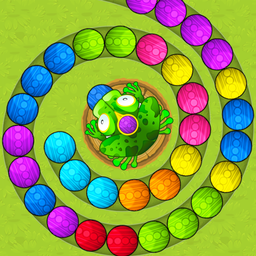
Frogtastic Marble Adventure
Fans of fast-paced arcade challenges will find their new obsession in Frogtastic Marble Adventure. This vibrant puzzle game tasks you with clearing wi...
▶ Play FreeBest Adventure Games for Beginners
If you're new to the genre and want to know where to start, good news: the barrier to entry has never been lower. Here are practical recommendations for players just getting started.
Start with Clear Goals
As a new player, look for games where the objective is straightforward. "Rescue the puppies" or "escape the dungeon" gives you immediate direction and motivation. Games with sprawling open narratives can be wonderful, but they're easier to appreciate once you have a feel for how adventure games work.
Pick Your Tone
Adventure games come in every emotional register: funny, scary, heartwarming, tense. Figure out what kind of story appeals to you and start there. Horror adventure newcomers might love the FNAF universe. Cat lovers might want something gentler.
Adventures of a Cat in Space is a charming, lighthearted option. The premise alone — a cat navigating the cosmos — sets an immediately friendly tone, and the gameplay delivers with accessible, inventive challenges that won't frustrate a first-time player.
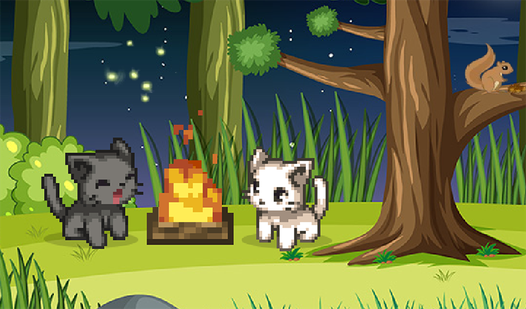
Adventure of Kittens goes in a similarly warm direction. If you want a gentle, welcoming introduction to adventure gameplay without any stress or scary moments, this is exactly the kind of game to start with.
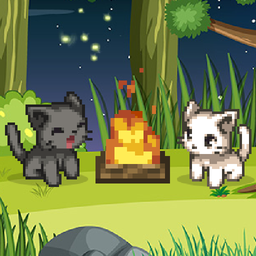
Adventure of Kittens
Staring at the clock and waiting for your shift to end is a total drag when you just need a quick mental escape. Adventure of Kittens turns those idle...
▶ Play FreeDon't Skip the Story
A common mistake new players make is rushing through dialogue and cutscenes. In adventure games, the story IS the game. The clues, the humor, the emotional payoff — it's all in the writing and the world-building. Slow down. Read everything. Seriously.
Mix in Some Action
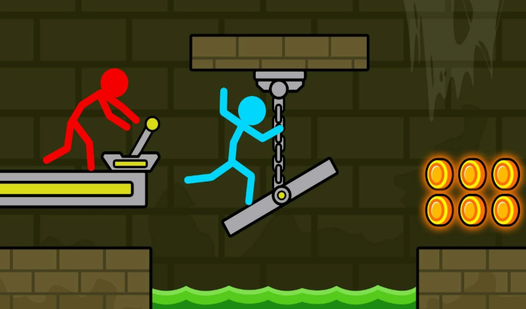
If pure point-and-click feels too slow, try an action-adventure or a platformer hybrid. Fire and Water: Stick Adventures offers two-character cooperative play, combining action and adventure mechanics in a way that's instantly engaging. The dynamic of controlling both characters — or playing alongside a friend — adds energy and variety to the exploration.
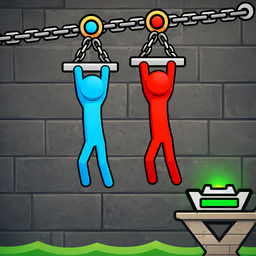
Fire and Water: Stick Adventures
Navigate two distinct heroes through a treacherous temple by coordinating their every move to reach the exit safely. You must guide the red stickman a...
▶ Play FreeTry Different Sub-Genres
Give yourself permission to experiment. Spend an afternoon on a horror adventure, then try a cute puzzle platformer, then check out a match-3 adventure. The genre is vast enough that you'll find your corner of it.
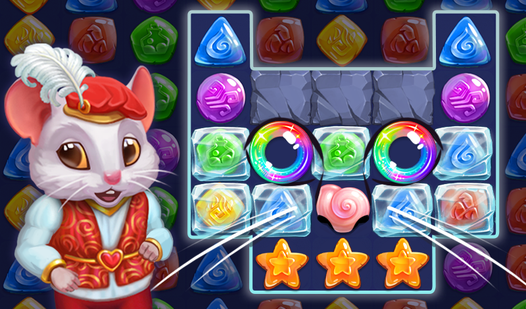
Strongblade Match 3 Adventure! is a great example of match-3 mechanics wrapped in an adventure framework — quests, progression, and a world to explore, all built around the satisfying loop of matching gems. It's accessible, genuinely addictive, and a natural gateway for players who already enjoy casual puzzle games.
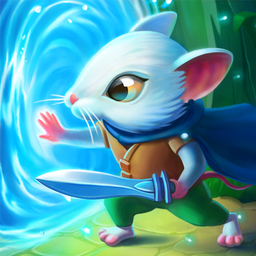
Strongblade Match 3 Adventure!
Matching three colorful items is the perfect way to sharpen your mind while embarking on a grand quest through a whimsical forest. Strongblade Match 3...
▶ Play FreeThe Social Side of Adventure Gaming
Adventure games have always had a community around them. From forums dedicated to solving puzzles in classic point-and-clicks to YouTube channels that do full game walkthroughs, players have always gathered around these experiences and shared them.
Speedrunning adventure games is a surprisingly popular niche — players try to complete classic titles as fast as possible, finding glitches and optimal paths that completely transform how a game looks. Watching a speedrun of a game you love is a genuinely strange and delightful experience.
Fan art, fan fiction, and even fan-made sequels thrive in the adventure game space. Games like Monkey Island and Myst have inspired decades of creative work from devoted communities.
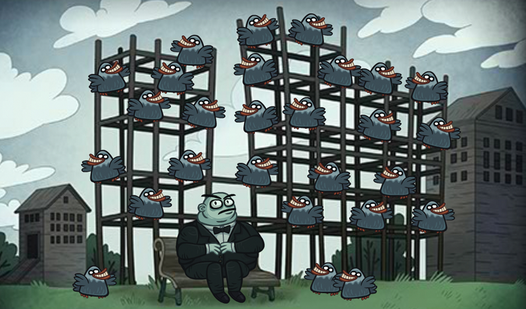
And let's not forget the humor. Adventure games have always had a special relationship with comedy. The genre gave us some of the funniest writing in gaming history — from LucasArts' one-liners to the absurdist scenarios that make Troll Face Quest Horror Adventure Puzzle so entertaining. It takes horror adventure conventions and twists them into pure comedy. The result is a game that's genuinely funny while still delivering puzzles and that satisfying "got it!" moment.

Troll Face Quest Horror Adventure Puzzle
Click on bizarre objects and icons to unleash chaotic pranks upon legendary horror icons in this twisted logic challenge. Troll Face Quest Horror Adve...
▶ Play FreeWhy Adventure Games Still Matter
With so many high-budget open-world games, live-service shooters, and cinematic experiences available, you might wonder why adventure games — sometimes with simple graphics and slow pacing — still have such devoted audiences.
The answer is straightforward. Adventure games offer something most other genres don't: genuine intellectual engagement combined with emotional storytelling. They ask you to pay attention. They reward observation and creativity. They tell stories that stay with you.
In a medium often focused on reaction speed and competition, adventure games are spaces for reflection. You can take your time. You can walk away and think about a puzzle. You can come back and see the world differently.
They're also often the most personal gaming experiences available. The choices you make in a narrative adventure feel meaningful in ways that pure action rarely achieves. When a game's story affects you emotionally, that's usually an adventure game doing it.
Cuboy Adventure carries this spirit into a fun, stylized package — colorful visuals, clever design, and a playful energy that reminds you exactly why this genre has been alive and thriving since the very earliest days of gaming.
Tips for Getting the Most Out of Adventure Games
A few practical suggestions before you start:
Don't be afraid to get stuck. Getting stuck is part of the experience. Sit with a puzzle for a while before looking up hints. The moment a solution clicks is one of gaming's best feelings.
Pay attention to everything. Adventure games hide clues in dialogue, environmental details, and item descriptions. Nothing is placed there by accident.
Take notes. Especially in longer, more complex adventures, a notepad beside you makes a real difference. Jot down codes, names, observations — your future self will thank you.
Explore fully before moving on. Check every corner of a location before advancing. Backtracking because you missed something is far more frustrating than being thorough the first time.
Use hints as a last resort. Most modern adventure games have built-in hint systems. They're there for a reason — use them if you're genuinely stuck, not as a first response to a tricky puzzle.
Where to Play Adventure Games for Free
The great news for new players is that free adventure games are everywhere, and the quality bar has never been higher. Browser-based adventure games have come a long way from the Flash era — you'll find fully realized worlds, proper narratives, and polished mechanics available to play immediately without paying anything.
FreeJoy.games hosts a constantly updated catalog of free adventure games across every sub-genre: horror adventures, platformer adventures, puzzle adventures, cute animal adventures, and more. Every game in this article is playable directly in your browser — no installation, no downloads, no waiting.