TOP 20 Best Klondike Solitaire Games to Play Free
If you've spent any time with card games, you already know the basics: seven tableau columns, a draw pile, four foundations waiting to be filled from ace to king. What you might not know is just how many variations, themes, and rule tweaks exist on top of that familiar skeleton. The best Klondike Solitaire games don't just replicate the classic — they add something that makes you stay for one more round, and then another.
This list covers 20 solid solitaire picks you can play right now, free, directly in your browser. No installs, no account, no waiting. Some are faithful Klondike recreations; others are close relatives like Spider and FreeCell that will feel immediately familiar if you've played the classic. All of them are worth your time.
How We Picked These Games
Picking the best Klondike Solitaire online isn't as simple as grabbing the first 20 results from a search. We looked at several things:
Card readability — Can you quickly tell a black 7 from a red 7? Solitaire lives and dies by how clearly it presents information. Games with cramped, fuzzy, or hard-to-distinguish cards are frustrating no matter how good the underlying mechanics are.
Control quality — Cards should respond the moment you click or drag. Laggy animations, missed clicks, and cards that fly to the wrong pile kill the flow of a session instantly.
Variety and flexibility — The best versions offer something beyond a single mode. Whether that's difficulty settings, draw options (1 or 3 cards), or a completely different rule variant, having choices extends replay value significantly.
Theme and atmosphere — Not everyone wants sterile green felt. Some players want anime artwork, a relaxing jazz soundtrack, or a jigsaw twist on the familiar format. We've included options across the full range.
True free-to-play — Every game on this list requires zero payment to play fully. No paywalled levels, no energy meters, no mandatory sign-up.
Now, the list.
TOP-20: Best Klondike Solitaire Games Online
1. Klondike Solitaire
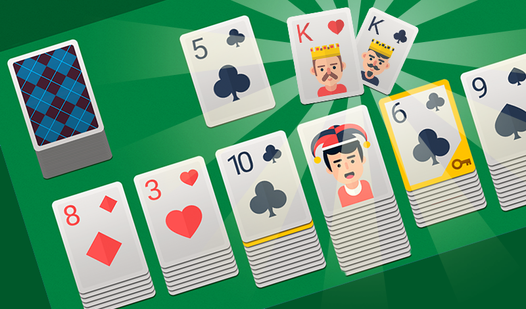
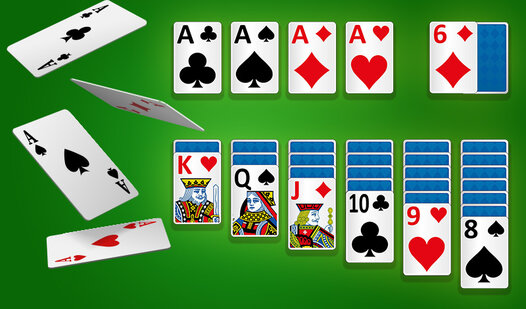
The original and still the benchmark. Seven columns, one draw pile, four foundations — everything in exactly the right place, nothing extra getting in the way. The card design is crisp and easy to read, animations run smoothly, and the game never tries to upsell you anything mid-session. If someone asks you to explain what Klondike Solitaire is, just point them here. It's the purest version of the game on the platform.
Klondike Solitaire
Card enthusiasts seeking a classic mental challenge will find their perfect match in Klondike Solitaire. This timeless puzzle tests your patience and ...
▶ Play Free2. Solitaire Klondike — Deluxe
Everything the classic version does, with difficulty options layered in. Deluxe lets you choose your challenge before each game starts, which makes it a much better fit for regular players who want more control over their experience. Casual days call for easy mode; sharper focus sessions benefit from harder settings. The interface is polished and the card animations feel snappier than average.
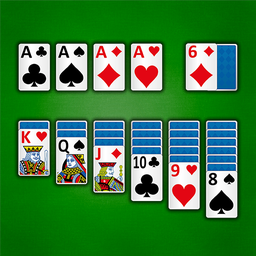
Solitaire Klondike - Deluxe
Card games remain the ultimate way to sharpen your mind while enjoying a relaxing break during a busy day. Solitaire Klondike - Deluxe brings the clas...
▶ Play Free3. Klondike Classic (1 or 3 Cards)
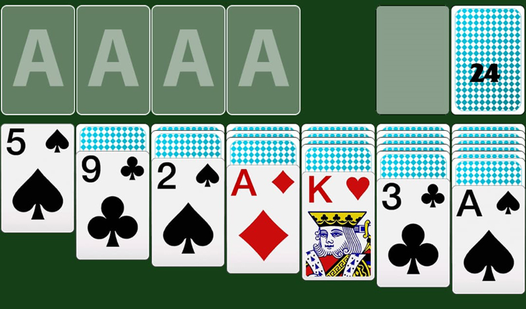
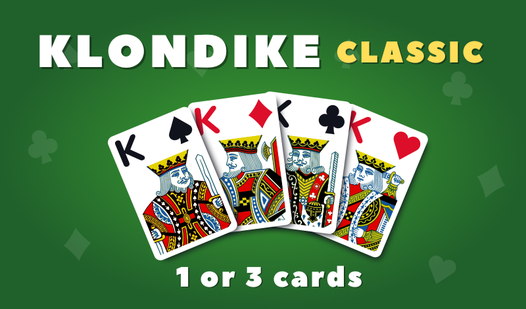
The eternal Klondike debate: draw one or draw three? This version resolves it by letting you pick at the start of every game. One-card draw gives you visibility into every card in the pile, making things substantially easier. Three-card draw restricts your access and forces longer-term planning. Both modes use the same clean interface, and switching between sessions to compare the experience is genuinely illuminating.
Klondike Classic (1 or 3 cards)
Stack cards in descending order by alternating colors to clear the board and master the art of Klondike Classic strategy. You organize the deck into f...
▶ Play Free4. Double Klondike Solitaire
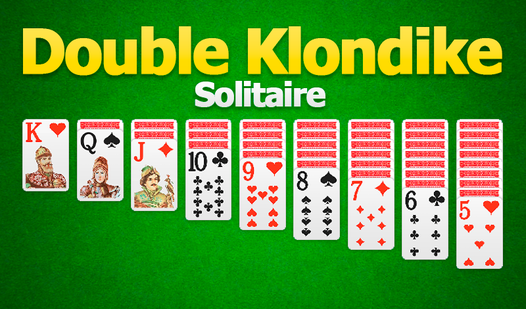
Two decks, eight foundations, a much wider tableau. Double Klondike takes familiar mechanics and stretches them into something that plays quite differently in practice. Sessions run longer, sequencing decisions become more complex, and clearing the field feels genuinely earned. If standard Klondike has become routine, this is the natural next step — same DNA, meaningfully harder.
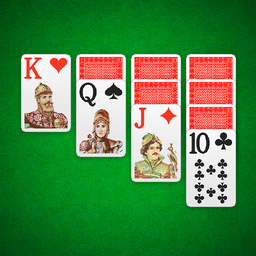
Double Klondike Solitaire
Arrange cards by suit from Ace to King across eight foundation piles in this challenging variation of the classic card game. Double Klondike Solitaire...
▶ Play Free5. Klondike — Anime Girls
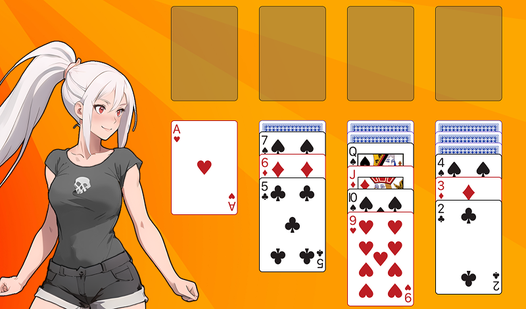
The rules here are identical to standard Klondike — the difference is what you're working toward. Card backs gradually reveal collectible anime character artwork as you progress, which adds a secondary reward loop beyond just winning. The art style is clean and well-drawn rather than garish, and the solitaire mechanics underneath are solid. A good choice if you want something visually distinctive without sacrificing gameplay quality.

Klondike - anime girls
Solitaire games remain the ultimate test of patience and logic, but adding a touch of charm makes every move feel more rewarding. Klondike - anime gir...
▶ Play Free6. Solitaire for 1 and 3 Cards
Another strong entry in the draw-choice category. The UI here is particularly well-organized — card suits and values are immediately legible, and the layout scales well across different screen sizes. Strategy-focused players tend to gravitate toward the three-card draw for its added complexity. New players should start with one-card draw and work up from there.
Solitaire for 1 and 3 cards
Staring at a blank screen during a midday slump is the worst, but a quick round of Solitaire for 1 and 3 cards is the perfect mental reset. This class...
▶ Play Free7. Spider Solitaire (1, 2, and 4 Suits)
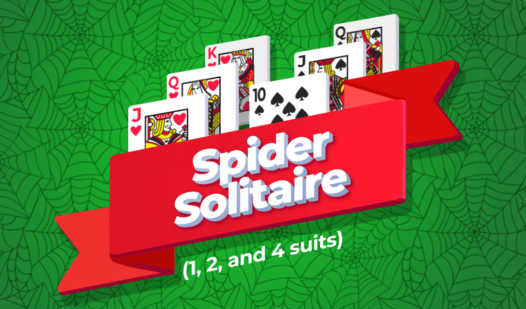
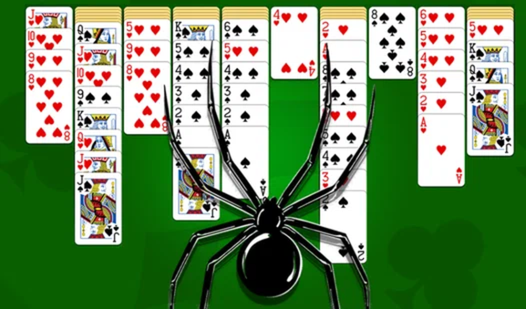
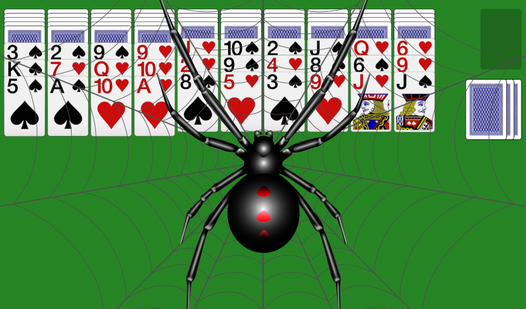
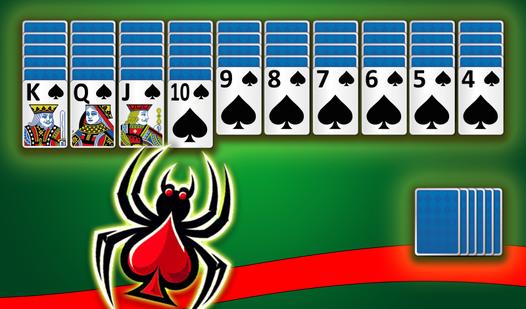
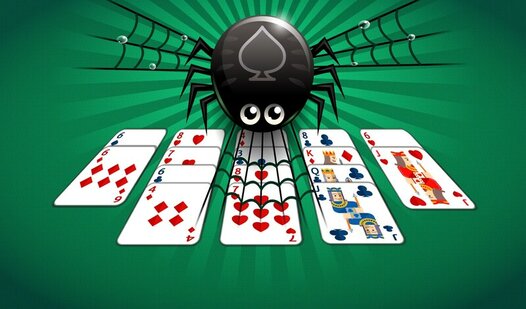
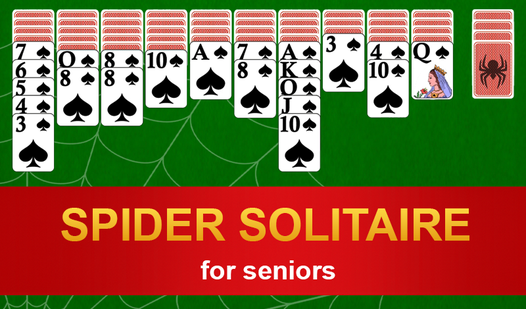
Spider Solitaire is the most popular alternative to Klondike — instead of moving individual cards to separate foundations, you build complete suit sequences within the tableau itself and remove them as sets. This version covers all three difficulty tiers: one suit for beginners, two suits for experienced players, four suits for a genuine challenge. Among the best Klondike Solitaire variants for players ready to push their card game skills further.
Spider Solitaire (1, 2, and 4 suits)
Arrange descending sequences of the same suit from king to ace to clear the board. Spider Solitaire offers a classic card game experience with multipl...
▶ Play Free8. Solitaire Spider — Deluxe
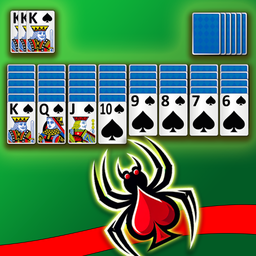
A refined take on the Spider formula with difficulty selection and particularly readable card design. With eight tableau columns to manage simultaneously, clear card visuals matter more in Spider than in Klondike — and this version handles it well. Difficulty options let you pick a starting point that matches your experience and push further as you improve.
Solitaire Spider - Deluxe
Card game enthusiasts who enjoy a good mental workout will find Solitaire Spider - Deluxe to be their new favorite pastime. This classic solitaire spi...
▶ Play Free9. Spider Solitaire — The Perfect Deal
Standard Spider games occasionally deal unwinnable hands — a frustration that has nothing to do with player skill. This version removes that variable entirely: every deal is confirmed solvable before you start. That means every loss represents a genuine puzzle to figure out, not a dead end you couldn't have seen coming. For players who find random unwinnable deals discouraging, this is a significant quality-of-life improvement.
Spider Solitaire - The Perfect Deal
Arrange cards into descending sequences from King to Ace to clear the board in this engaging logic challenge. Spider Solitaire - The Perfect Deal test...
▶ Play Free10. Spider Solitaire 2024
A modern Spider release with updated visuals and smooth browser performance. The color palette is easy on the eyes during long sessions, card spacing is generous, and the game doesn't overcomplicate its interface with unnecessary features. Reliable, well-optimized, and comfortable to sit with for extended play.
Spider Solitaire 2024
Staring at the clock waiting for your next meeting or just need a mental reset during a long afternoon? Spider Solitaire 2024 is the ultimate browser-...
▶ Play Free11. Spider Solitaire Cards
Multiple difficulty tiers, fair shuffling, and a satisfying game loop. Spider Solitaire Cards doesn't reinvent anything, but it executes the fundamentals cleanly. If you want a straightforward Spider experience where the challenge comes from the cards rather than a confusing interface, this hits that mark consistently.
Spider Solitaire Cards
Staring at a blank screen during a midday slump is the worst, but a quick mental reset can change your entire outlook. Spider Solitaire Cards serves a...
▶ Play Free12. Maps — Solitaire Spider
A visually themed Spider variant where the table design draws from cartographic imagery. The map aesthetic gives sessions a slightly exploratory quality that keeps long play feeling fresh. The underlying Spider mechanics are fully intact — varied difficulty levels, the same tableau-building logic — just presented with more visual personality than a plain green table.
Maps - Solitaire Spider
Card game enthusiasts who enjoy a good mental workout will find Maps - Solitaire Spider the perfect companion for a quick break. This addictive challe...
▶ Play Free13. Solitaire Swift
Three modes, including a quiet mode that removes time limits entirely. Solitaire Swift understands that not everyone wants to play against a clock — some sessions are about unwinding, not competing. The quiet mode in particular is worth trying if you find timed solitaire stressful. The other modes add challenge progressively. Flexible enough to suit very different moods and intentions.
Solitaire Swift
Clear the board by matching cards one rank higher or lower regardless of their suit or color. Solitaire Swift keeps your brain sharp as you strategica...
▶ Play Free14. Scorpio — World Best Solitaires!
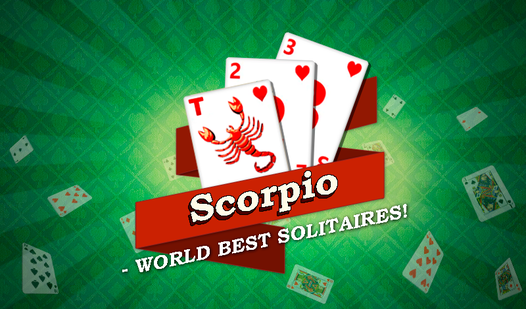
A collection that packs multiple solitaire variants into a single package. The primary mode has you arranging cards in piles from king to ace sorted by suit — simple rules, endlessly replayable execution. Clean design and quick game starts make this a solid go-to when you want variety without having to open multiple browser tabs.
Scorpio - world best solitaires!
Staring at a stagnant screen while your coffee gets cold is a classic sign that you need a mental refresh right now. Scorpio - world best solitaires! ...
▶ Play Free15. Dreamland Solitaire
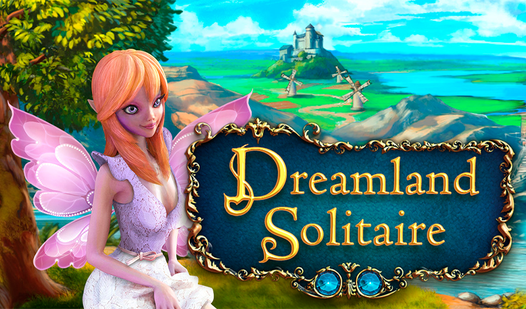
Standard Klondike rules set inside a hand-painted fantasy world. Dreamland Solitaire takes the familiar card layout and places it against illustrated magical backgrounds that make the game feel more like an experience than a quick time-filler. The atmospheric setting doesn't distract from the card play — if anything, the relaxed visual design makes it easier to think through your moves.
Dreamland Solitaire
Fans of card games will find a new obsession in Dreamland Solitaire as it blends relaxing strategy with a charming magical aesthetic. Your main missio...
▶ Play Free16. Jazz Cards: Solitaire with Soul
The most atmospheric entry on the list. Jazz Cards pairs classic solitaire mechanics with a jazz-inflected visual design — muted tones, elegant typography, and an overall aesthetic that evokes a late-night listening session more than a competitive card game. The rules are standard and well-implemented. The surrounding design is what makes this one genuinely memorable.
17. Jigsaw Solitaire
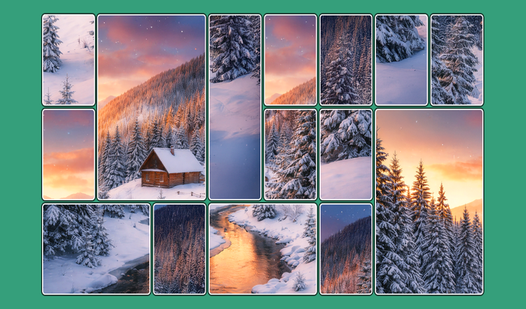
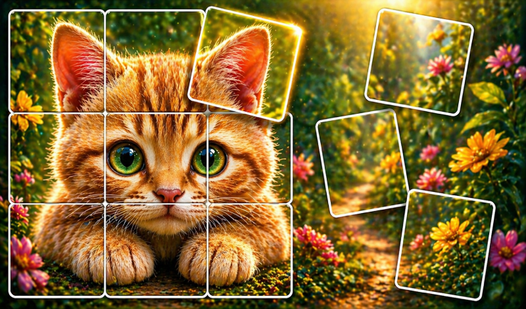
A genuine mashup of two classic pastimes. Jigsaw Solitaire layers picture-puzzle mechanics onto a card-game framework — as you play, you're simultaneously working toward completing a visual image. The sliding mechanics add a secondary layer of logic on top of card arrangement. Calming and unexpectedly satisfying when both systems click together at the same time.
Jigsaw Solitaire
Fans of logic challenges and beautiful visuals will find Jigsaw Solitaire the ultimate way to decompress after a long day. This refreshing take on the...
▶ Play Free18. Jigsolitaire
Similar concept to Jigsaw Solitaire, with its own set of carefully crafted images and block structures. The peaceful presentation and deliberate visual design make this one of the more meditative picks on the list — good for a slow afternoon when you want something to engage with gently rather than aggressively.
Jigsolitaire
Staring at a blank screen during a midday slump is the worst, but finding a quick way to reset your brain is a total game changer. Jigsolitaire acts a...
▶ Play Free19. Mahjong Solitaire For Free
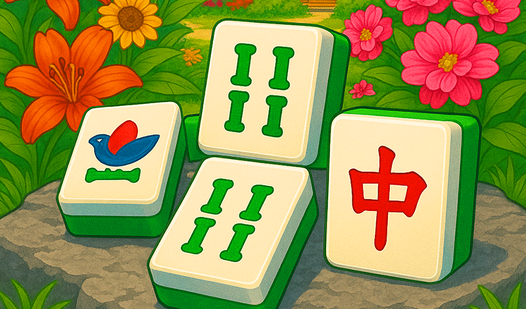
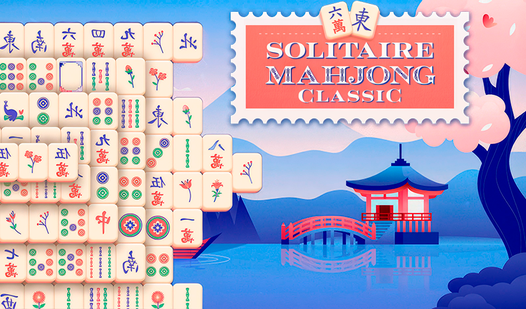
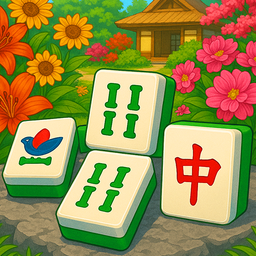
Different game, same satisfying sensation of a board gradually clearing. Mahjong Solitaire has you matching identical tile pairs to remove them from a stacked layout — the challenge lies in finding accessible pairs before you run out of legal moves. No time pressure, full-screen display, and a classic tile arrangement make this one of the most welcoming non-card solitaire experiences on the platform.
Mahjong Solitaire For Free
Match pairs of identical tiles to clear the board in this relaxing brain teaser. Your main objective is to identify free pieces and remove them from t...
▶ Play Free20. Incredible Solitaire
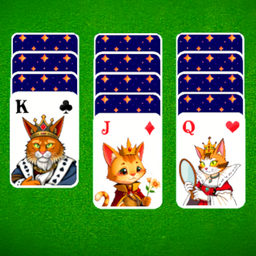
A hybrid that fuses Tripeaks and Golf solitaire into something that plays noticeably differently from standard Klondike. If you've worked through the main variants and want a format that surprises you with its own internal logic, Incredible Solitaire delivers. The card-clearing mechanics feel fresh without being confusing, and the combination of two rule systems keeps sessions from going on autopilot.
Incredible Solitaire
Solitaire challenges have been the ultimate way to sharpen your focus and pass the time for generations. Incredible Solitaire takes this classic exper...
▶ Play FreeTips for Beginners
Getting into Klondike is easy — getting out of bad habits takes more deliberate effort. A few things that make a real difference early on:
Move aces and twos to foundations immediately. Holding them in the tableau is almost never beneficial. They don't help you build sequences, and they cover cards you probably need access to.
Every move should reveal something. The goal of each action should ideally be to flip a face-down card or open a column. Moving cards between tableau piles without uncovering new information is usually wasted motion, even if it looks productive.
Empty columns are more valuable than they look. A fully cleared column can hold any king, which unlocks reorganization options that weren't available before. Protect cleared columns — don't fill them with the first king you find unless you have a clear plan behind it.
Start with one-card draw. Three-card draw is significantly harder, and not in a subtle way — you can only access every third card on each pass through the deck. Learn the core logic first with one-card draw, then test your patience with three.
Not every deal is winnable — and that's fine. Roughly 80% of Klondike deals are theoretically solvable, but a meaningful portion require move sequences that aren't obvious even to experienced players. If you've genuinely exhausted your options, restart without guilt. You weren't beaten by poor decisions.
Train your eye to see color pairs, not just values. Cards alternate red-black-red-black in descending order across the tableau. "I need a black 8 for this red 7" should become automatic thinking. The faster you see color relationships, the less scanning you do per move.
Use undo sparingly. The button is there for genuine mistakes, but relying on it too heavily means you stop thinking before committing to a move. Treat each game as a chance to build real pattern recognition rather than a puzzle to reverse-engineer one step at a time.