Best Life Simulation Games for 10 Year Olds
Life simulation games for 10 year olds hit a sweet spot that few other genres can match. They're creative, open-ended, and built around personal choice — from designing outfits and decorating hotel rooms to raising animals, running a YouTube channel, or working outdoors as a lumberjack. There's no single "right" way to play, which means every session feels fresh and genuinely personal. And since every game on this list runs directly in the browser without any downloads or installs, kids can jump in and start living their virtual life within seconds of opening a tab.
This guide is sorted by theme — so if your kid has a specific type of experience in mind, you can skip straight to that section and find exactly what they're looking for. All games are free to play.
Best Life Simulation Games for 10 Year Olds
The picks in this section cover a wide range of scenarios — from working in the wilderness to building a social media following — all presented in kid-friendly, browser-accessible formats. These are the standout titles that give the most complete "living another life" experience: characters to build, routines to manage, and virtual worlds to explore entirely on your own terms.
Obby: Lumberjack Life Simulator!
Most life sim games stick to familiar territory: schools, apartments, cafes. Obby: Lumberjack Life Simulator goes somewhere genuinely different — deep into the forest, where the work involves chopping trees, hauling logs, and building up an outdoor operation from the ground up. It's got the satisfying loop of work → earn → upgrade that makes simulation games so addictive, combined with a physical setting that actually feels fresh compared to the usual virtual life fare. Kids who like a bit of hands-on challenge mixed into their sim gameplay will click with this one quickly. There's something genuinely rewarding about watching a tree fall after a series of well-timed actions, and the progression system gives every session a clear sense of purpose.
Life Simulator Youtuber
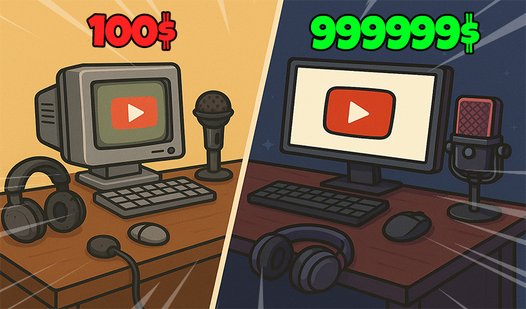
This game taps directly into something almost every 10-year-old daydreams about: becoming a famous content creator. Life Simulator Youtuber lets players manage their own channel, create videos, grow an audience, and handle the decisions that come with internet fame — all within a completely safe, simulated environment. What makes it genuinely engaging is that it mirrors the exact decisions kids are already curious about: what to post, how to grow a following, what equipment to invest in, how to handle setbacks. It's also a natural conversation starter for parents who want to talk about the realities of social media and online careers in a grounded, low-pressure way. The game holds up as both entertainment and a gentle introduction to how the creator economy actually works.

Life Simulator Youtuber
Building a massive online following from scratch is a digital dream that rarely comes easy in the real world. Life Simulator Youtuber captures the hig...
▶ Play FreeGacha Life 3D
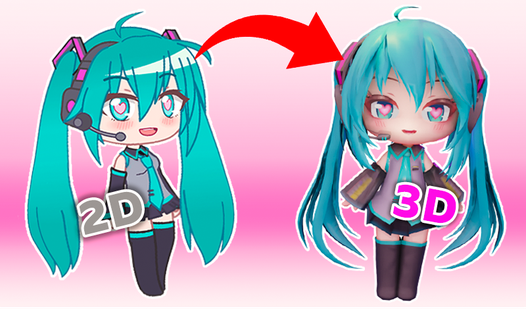
Gacha Life 3D is a creative sandbox that rewards imagination above all else. Players design anime-style characters from scratch — layering outfits, choosing hairstyles, mixing accessories, fine-tuning expressions — and then set those characters up in scenes to create mini-stories, skits, and visual moments. There's no fixed goal, no "winning condition," and no pressure to play a certain way. Some kids spend their entire session just building and styling characters without ever setting up a scene. Others construct elaborate storylines across multiple scenes, using the game almost like a digital animation studio. Either approach is valid, and the sheer volume of customization options means two players can sink the same amount of time into Gacha Life 3D and come out with completely different creations.
Gacha life 3D
Design your dream anime chibi character from the ground up using a massive library of 3D customization options. You manipulate every detail, from the ...
▶ Play FreeHotel Life
Running a hotel looks deceptively simple until you're simultaneously juggling room upgrades, guest satisfaction ratings, facility improvements, and the general chaos of a growing property. Hotel Life gives kids an authentic taste of hospitality management: checking guests in, upgrading rooms and common areas, making design decisions that affect both aesthetics and function, and chasing the next milestone in a progression system that always has something new just within reach. It's satisfying in the way that well-designed management sims always are — the sense that there's always one more thing to improve, one more rating to chase, one more upgrade to unlock. Kids who enjoy planning, organizing, and watching systems they've built actually work tend to connect with Hotel Life immediately.

Hotel Life
Staring at the clock during a slow afternoon when you need a quick mental escape is a challenge we all face. Hotel Life turns those idle minutes into ...
▶ Play FreeSort Life & Organizing Game
Organization games have quietly grown into one of the most popular subgenres in casual gaming, and Sort Life & Organizing Game illustrates exactly why. Players sort, arrange, and tidy different spaces — capturing that same deeply satisfying feeling you get from watching a room transformation video, except here you're the one making it happen. It's a low-stress, high-reward experience that works well for winding down without feeling passive. For kids who enjoy puzzle games but want something that feels more grounded and everyday, this is a consistently strong pick. The satisfying visual feedback each time a space gets organized gives it a "just one more round" quality that keeps sessions going longer than expected.
Virtual Pet & Animal Care Games
Animal care sims have been a cornerstone of the life simulation genre for decades, and for good reason. They introduce kids to themes of responsibility, empathy, and routine — all wrapped in an experience that's genuinely fun to engage with. The two games below are the top picks for kids who want to care for a creature companion, or better yet, become one.
Cat Simulator: My Pets
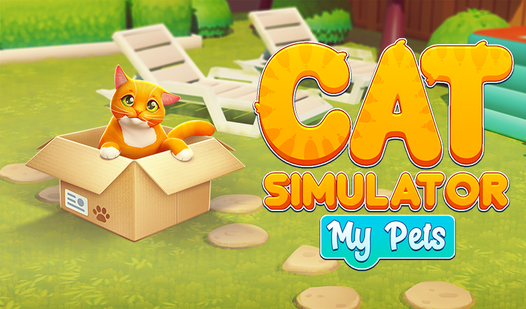
Cat Simulator: My Pets takes a clever twist on the usual format: instead of caring for a cat, you play as one. Players take on the role of a cat navigating everyday life — exploring spaces, playing with toys, interacting with humans, getting into the kind of cheerful low-stakes trouble that cats are universally known for. It's a fresh take on the pet simulation format, and kids who love cats will immediately understand the appeal without needing much explanation. The gameplay has enough variety across different environments and interactions to stay interesting across multiple sessions, and the whole experience leans into a tone that's warm, goofy, and completely wholesome. Nothing here takes itself too seriously, which is a big part of the charm.

Cat Simulator: My Pets
Navigate a vibrant world through the eyes of a nimble feline in Cat Simulator: My Pets. You spend your days patrolling your cozy home, tossing toys, a...
▶ Play FreeToca Life: The Love
Toca Life: The Love brings the warmth and open-ended creativity that the Toca Boca brand has built its reputation on over many years. This installment focuses on relationships, connection, and the kinds of everyday moments that make life feel meaningful: meeting friends, building bonds over time, spending time in shared spaces, and finding joy in small interactions. There's no pressure, no countdown timer, and no score to optimize. Kids direct their own little stories in whatever direction feels right to them, making the experience feel closer to imaginative play than to a traditional scored game. It's an especially good fit for younger 10-year-olds and kids who gravitate toward narrative-driven and social play styles rather than challenge-based gameplay.

Toca Life: The Love
Matching adorable characters together creates an addictive puzzle loop that keeps you hooked for hours. Toca Life: The Love challenges you to connect ...
▶ Play FreeHouse Building & Decorating Sims
There's a reason home design games remain consistently popular across age groups — they tap into something genuinely satisfying about arranging spaces, expressing personal style, and making an environment feel entirely your own. The games in this section let kids exercise their creative instincts in virtual spaces where the results reflect their individual taste and vision.
Gacha Life Maker
Gacha Life Maker operates more as a creation tool than a traditional game, and that quality is exactly what makes it so appealing to a specific kind of player. The focus here is on building: designing characters, setting up scenes, arranging Gacha worlds in ways that feel intentional and personal. There's no story being handed to you — you supply the story. Kids who are already fans of Gacha Life 3D will find this a natural companion piece, one that leans further into the world-arrangement and space-design side of the Gacha experience rather than the narrative side. The creative ceiling here is genuinely high, and the active community of players sharing their creations provides an ongoing source of inspiration for what's possible with the tools available.

Gacha life maker
Fashion enthusiasts who adore the aesthetic of gacha life will find their new favorite creative outlet right here. This vibrant anime style maker puts...
▶ Play FreeGacha Life Stylist
Fashion and style take full center stage in Gacha Life Stylist. Players assemble outfits, mix and match accessories, and put together complete looks for their characters — the same core loop as a virtual dress-up game, but layered with the visual depth, variety, and distinct aesthetic of the Gacha universe. For kids who are into fashion, personal style, and creative expression, this is exactly the kind of game they'll return to on a regular basis. The volume of available items and combination possibilities keeps the experience feeling new across multiple sessions, and the satisfaction of landing on a look that works is genuinely compelling. It pairs naturally with Gacha Life Maker for kids who want both the styling and the world-building aspects of the Gacha experience.

Gacha Life Stylist
Staring at a blank screen during your lunch break is the worst way to spend your free time. Gacha Life Stylist turns those dull moments into a creativ...
▶ Play FreeFarming & Nature Life Sim Games
Not every life simulation needs to take place in a city apartment or a busy school corridor. The games in this section take players outdoors — to beaches, natural spaces, and fantastical environments that feel genuinely alive. They're a great match for kids who want their virtual lives to have more open space and fresh air.
Glamour #BeachLife
Beach vibes, warm sunlight, and the easy rhythm of coastal life — Glamour #BeachLife delivers exactly what the name promises. Players style their characters for seaside settings, explore a vibrant beachfront world, and settle into the kind of carefree summer energy that makes the lifestyle genre so appealing in the first place. It's less about resource management and more about atmosphere — finding the perfect look, discovering the right spot to hang out, experiencing the beach life fantasy in a way that's colorful and genuinely fun. For kids who want a lighter, aesthetically-driven life sim experience rather than one focused on progression systems and timers, this one consistently delivers.

Glamour #BeachLife
Craft the ultimate seasonal aesthetic by mixing and matching vibrant swimwear with high-end accessories in Glamour #BeachLife. This creative experienc...
▶ Play FreeDigital Circus Life
Digital Circus Life brings something that stands apart from everything else on this list. Inspired by the world of digital circuses and surreal virtual spaces, this game places players inside a colorful, slightly offbeat world that feels unlike any standard life sim. It's an exploratory, creative experience — less about following a daily routine and more about discovering what this strange and vibrant place has to offer on its own terms. The aesthetic is distinctive, the tone is playful, and the overall experience rewards curiosity over goal-chasing. For kids who are fans of unconventional creative games and want their life sim to feel more adventurous and imaginative, Digital Circus Life is one of the more memorable options on this list.
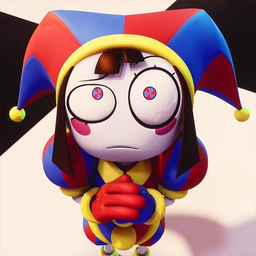
Digital Circus Life
Arrange characters and interact with objects to bring your own unique circus story to life. You can explore the mysterious tent, hop on a digital caro...
▶ Play FreeWhy Kids Love Life Simulation Games for 10 Year Olds
Life simulation games have been popular with kids and teens for decades, and the reasons are genuinely interesting to think about. Here's what makes this genre resonate so strongly with 10-year-olds specifically.
Real decision-making power. Most school days and family routines don't leave a lot of room for kids to make significant decisions on their own. Life sim games hand over the controls completely and then stand back. Want to run a hotel? Become a YouTube star? Work as a lumberjack? Raise a cat? The game doesn't guide you toward one correct answer — it just gives you the tools and lets you figure out your own path. That sense of genuine agency is powerful for kids who are at an age where they're starting to think seriously about who they are and what they might want to do.
Low-stakes experimentation. Life sims let kids try out roles and responsibilities — running a business, managing a space, caring for others, maintaining a routine — in an environment where the consequences of failure are completely minimal. If the hotel loses money, the simulation resets. If the YouTube channel loses subscribers, you try a different strategy. Kids learn by doing, and life sims give them a space to do that repeatedly, without real-world consequences getting in the way.
Creative expression without barriers. Many of the most popular games in this genre — especially the Gacha family and Toca Life series — are fundamentally about creativity. Designing a character, setting up a scene, putting together an outfit from scratch: these are forms of creative problem-solving that kids engage with naturally and enthusiastically. Life sims let them build and express without needing to be "good" at the game in any traditional sense. The creative output is its own reward.
The comfort of a manageable routine. There's something genuinely calming about well-made simulation games. Checking in on a hotel's progress, tidying a space, logging in to see how a channel is performing — life sims often create a gentle, comfortable rhythm that many kids find grounding. It's not about adrenaline or beating a score; it's about showing up, working through your tasks, and watching something you've built gradually get better.
A shared social experience. Kids frequently play life sim games alongside friends — sharing screenshots of their Gacha characters, comparing hotel designs, sending outfit screenshots in group chats. Even in single-player games, there's a social dimension that makes the experience feel connected and communal. Life sims give kids something concrete to show and discuss with the people they care about, which adds a layer of value that purely competitive games often don't.