How to Play Tetris Online — Rules, Tips and Strategy
Few games have stood the test of time quite like Tetris. Since its creation by Alexey Pajitnov in 1984, it has captured the attention of hundreds of millions of players across every platform imaginable. If you want to learn how to play Tetris — whether you're picking it up for the first time or brushing up on the fundamentals — this guide has everything you need: rules, controls, rotation tricks, and strategies that will help you clear more lines and survive longer on the board.
The best part? You can play Tetris games for free right in your browser, with no installation required.
What Is Tetris and How Does It Work?
Tetris is a tile-matching puzzle game. The core loop is simple: geometric pieces called tetrominoes fall from the top of the playing field, and your job is to arrange them so they fill complete horizontal rows. When a row is fully filled, it disappears, clearing space and earning you points. If the stack of pieces reaches the top of the board, the game is over.
Each tetromino is made of four square blocks arranged in a specific shape. There are seven classic pieces, each identified by its letter-like appearance:
- I-piece — a straight line of four blocks
- O-piece — a 2×2 square
- T-piece — a T-shape
- S-piece — an S-shape (zigzag right)
- Z-piece — a Z-shape (zigzag left)
- L-piece — an L-shape
- J-piece — a reverse L-shape
The playing field is a rectangular grid, typically 10 columns wide and 20 rows tall. Pieces appear at the top and fall at a steady speed, which increases as you progress through levels. Every few levels, the game speeds up, adding pressure and demanding faster decisions.
What makes Tetris endlessly compelling is that it rewards both quick reflexes and calm, strategic thinking. You can't control what piece comes next (though most modern versions show you the upcoming piece in a "next" preview window), so adaptability is key.
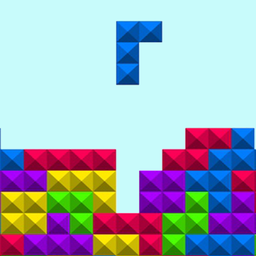
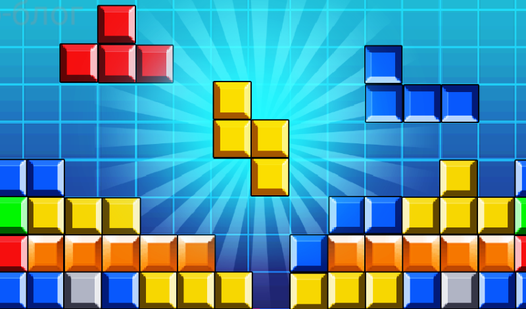
Classic Tetris
Rotate falling geometric shapes to create perfect solid lines across the board in this timeless challenge. Every block you drop demands quick thinking...
▶ Play FreeTetris Rules and Controls
Understanding the rules is the first step toward knowing how to play Tetris confidently.
The Core Rules
- Pieces fall continuously from the top of the board. You can move and rotate them as they fall.
- Complete rows to score points. A row must be entirely filled with blocks — no gaps.
- Cleared rows disappear, dropping everything above them down.
- The game ends when pieces stack up and a new piece cannot enter the playing field.
- Points multiply when you clear multiple rows at once. Clearing four rows simultaneously — known as a Tetris — is the highest-value single move.
Standard Controls
Most browser-based Tetris games use similar keyboard controls:
| Action | Key |
|---|---|
| Move left | ← Arrow key |
| Move right | → Arrow key |
| Soft drop (speed up) | ↓ Arrow key |
| Hard drop (instant fall) | Spacebar |
| Rotate clockwise | ↑ Arrow key or Z |
| Rotate counter-clockwise | X or Ctrl |
| Hold piece | C or Shift |
The hold feature (available in most modern versions) lets you set aside the current piece and swap it later. This is a powerful tool once you understand when to use it.
The ghost piece is another modern standard — a faint outline showing exactly where your falling piece will land. Pay attention to it; it removes the guesswork from placements.
Scoring Basics
Different games implement scoring differently, but the classic scoring logic rewards:
- 1 line cleared: 100 points
- 2 lines: 300 points
- 3 lines: 500 points
- 4 lines (Tetris): 800 points
These values are typically multiplied by your current level, so playing aggressively on higher levels compounds your score quickly.
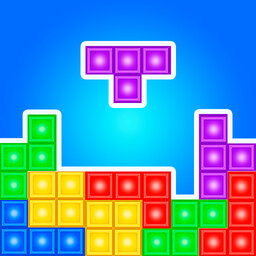
Super Tetris
Falling blocks were the original digital obsession that turned simple logic into a global phenomenon. Super Tetris captures that addictive spirit by c...
▶ Play FreeHow to Rotate and Place Pieces
Rotation is where most newcomers struggle. Getting comfortable with rotating tetrominoes quickly — and knowing where each piece will land after rotation — is what separates casual players from consistent high-scorers.
Basic Rotation Mechanics
Every tetromino rotates around a central pivot point. For most pieces, this is fairly intuitive:
- The I-piece rotates between vertical (a tall column) and horizontal (a flat bar). It's your most valuable piece because it's the only one that can score a Tetris.
- The T-piece has four rotation states, making it one of the most flexible pieces.
- The O-piece doesn't visually change when rotated — it's already symmetrical.
- S and Z pieces toggle between two orientations, which makes them trickier to fit cleanly.
- L and J pieces have four orientations and are great for filling corners and gaps.
Wall Kicks
In modern Tetris implementations, when you try to rotate a piece near a wall or stack and it can't rotate normally, the game attempts a wall kick — it nudges the piece slightly left or right to see if the rotation can succeed. This is a feature, not a bug. Skilled players use wall kicks deliberately to rotate pieces into tight gaps they couldn't otherwise reach.
The T-Spin
One of the most celebrated moves in Tetris is the T-spin. By rotating the T-piece into a pre-built slot — usually a narrow notch in your stack — you can complete two or three rows at once, earning bonus points in many versions. This technique takes practice but significantly boosts your scoring potential.
Placing Pieces Well
Here's a practical mindset for placement:
- Fill from the bottom up. Always prefer placements that complete or nearly complete rows at the base.
- Avoid holes. A covered hole (a gap with blocks above it) is very hard to fix. Every time you place a piece that creates a covered hole, you're making future moves harder.
- Keep the board flat. A surface with minimal height variation gives you the most flexibility for incoming pieces.
- Plan two pieces ahead. The "next piece" preview window isn't just decorative — actively use it to decide your current placement with the next piece in mind.
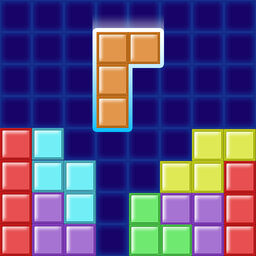
Block Puzzle Gem
Ever wondered what makes classic puzzle games so endlessly engaging? Block Puzzle Gem takes that timeless appeal and polishes it to a brilliant shine,...
▶ Play FreeAdvanced Tetris Strategies
Once the basics click, you'll want strategies that hold up under increasing speed and pressure. These are the techniques that experienced players use to extend their games and push for high scores.
Stack Building
Your stack is your foundation. How you build it determines how many options you have later.
Flat-stacking is the beginner-friendly default: keep the surface as flat as possible so any piece can land cleanly anywhere. This works well at lower speeds.
The well is a deliberate gap — usually one column wide — kept open specifically to receive I-pieces for Tetris clears. Most experienced players keep their well on the far left or right side. The idea is simple: build the stack high on all other columns, then drop an I-piece into the well to clear four rows at once.
Single-Sided vs. Center Well
- Right-side well: Works well if you're comfortable moving pieces quickly to the right edge.
- Left-side well: Some players prefer this since tetrominoes appear from the center and drift left is slightly faster.
- Center well: Generally not recommended — it splits your stack and makes consistent Tetris clears harder.
The DAS (Delayed Auto-Shift)
DAS refers to how quickly a piece moves when you hold down the left or right key. Understanding your game's DAS setting lets you slide pieces into position more efficiently. If DAS feels sluggish, tap instead of hold for more precise placement. Once you're used to the timing, holding the direction key becomes your fastest tool for sliding pieces under overhangs.
Handling Drought
A drought is when a specific piece — almost always the I-piece — doesn't appear for a long stretch. This is statistically normal but can destroy a well-planned stack. Handle it by:
- Keeping your well shallow (don't let the stack grow too high while waiting)
- Using other pieces to stay close to clearing rows instead of holding out for a Tetris
- Accepting a single or double clear to keep the board manageable
Speed Management
As levels increase, soft-dropping (tapping the down arrow to speed up a piece) becomes essential. Waiting for pieces to fall naturally wastes time you need for decision-making. Train yourself to position a piece first, then soft-drop it into place. Hard-drop (Spacebar) is even faster but leaves no room for last-second adjustments — use it when you're certain about placement.
Practicing Spatial Awareness
Tetris rewards your brain's ability to quickly visualize where rotated shapes fit. This is a skill that improves with practice, but you can speed it up by playing block puzzle variants that train the same mental muscles without the time pressure.
Games that challenge your spatial reasoning are excellent cross-training for Tetris. When you regularly practice fitting shapes into grids, your reaction time and accuracy in Tetris improve noticeably.
Best Free Tetris Games Online
Ready to put all of this into practice? Here are the best free games to play right now in your browser — ranging from pure classic Tetris to modern variants that build the same core skills.
Classic Tetris
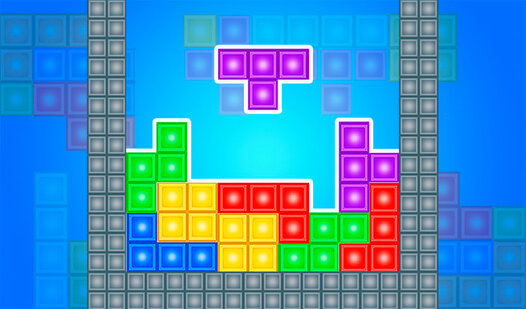
The most direct way to practice is to play the original format with no distractions. Classic Tetris offers exactly that — genuine tetromino gameplay on a standard board, with increasing speed levels. It's the best place to build your foundation for everything in this guide.
Classic Tetris
Rotate falling geometric shapes to create perfect solid lines across the board in this timeless challenge. Every block you drop demands quick thinking...
▶ Play FreeSuper Tetris
Super Tetris takes the core mechanics and layers in additional challenges and mechanics that push your adaptability. If you've mastered the basics and want to expand your strategic thinking, this is a natural next step. The variations force you to rethink placement habits you've built on autopilot.
Super Tetris
Falling blocks were the original digital obsession that turned simple logic into a global phenomenon. Super Tetris captures that addictive spirit by c...
▶ Play FreeBlock Puzzle Gem
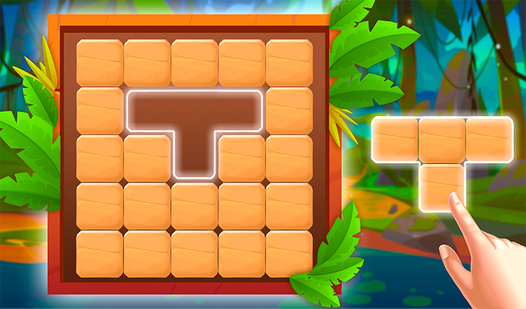
Block Puzzle Gem is a modern take on the block-fitting formula. Instead of falling pieces, you place blocks strategically onto a grid to clear rows and columns. The slower pace makes it ideal for focusing on spatial reasoning — the same skill that powers your Tetris placement instincts. It's a great game to play when you want to think deliberately rather than react quickly.
Block Puzzle Gem
Ever wondered what makes classic puzzle games so endlessly engaging? Block Puzzle Gem takes that timeless appeal and polishes it to a brilliant shine,...
▶ Play FreeColor Block Blast
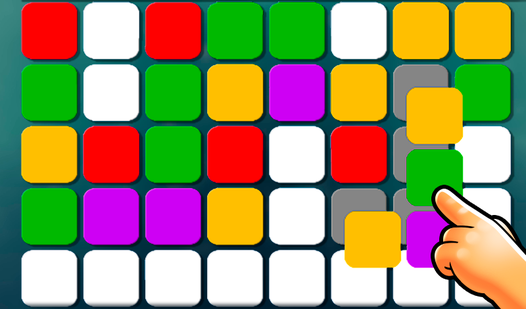
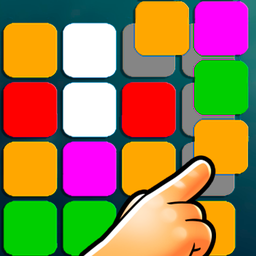
Color Block Blast adds a color-matching layer to the block-fitting formula. Clearing same-color groups while also managing the grid layout exercises both creative and spatial thinking. Players who practice games like this often report that their Tetris placement decisions feel more fluid afterward.
Color Block Blast
Matching games have a way of turning a dull afternoon into a high-stakes strategic showdown. Color Block Blast elevates this experience by forcing you...
▶ Play FreeSuper Arrow Go!
Super Arrow Go! is a logic and spatial thinking challenge that trains directional reasoning in a completely different format. The problem-solving habits it builds transfer directly to Tetris decision-making: reading the board, predicting outcomes, and committing to a plan under pressure.
More Block Puzzle Games Worth Playing
Beyond the featured titles, these games are excellent for building puzzle skills:
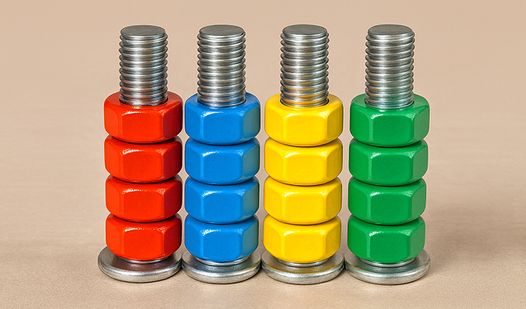
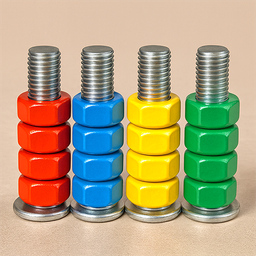
Nut Sort: Color Puzzle Game — A sorting challenge that exercises sequential thinking and color pattern recognition, great for players who want to work on their decision logic.
Nut Sort: Color Puzzle Game
Organize colorful rings onto metal bolts by matching every shade to its perfect home. You must carefully strategize each move to ensure every bolt end...
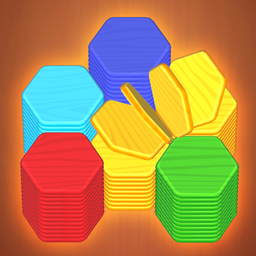
▶ Play FreeHexa Master 3D: Sort Puzzle — A 3D spatial puzzle that challenges you to think across multiple dimensions, expanding your mental rotation abilities.
Hexa Master 3D: Sort Puzzle
Sorting games have evolved into a meditative art form where logic meets visual satisfaction. Hexa Master 3D: Sort Puzzle transforms simple stacks into...
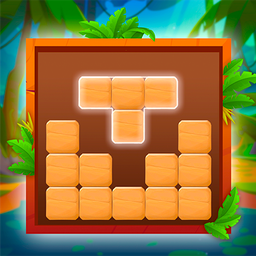
▶ Play FreeCall of the Stone Blocks — A block placement game with physics-driven challenges. Placing blocks here involves weight and balance considerations, adding a new layer to your spatial intuition.
Call of the Stone Blocks
Call of the Stone Blocks challenges you to clear a crowded grid by strategically placing geometric shapes to complete full horizontal and vertical lin...
▶ Play FreeBrain Training — Exactly what it sounds like. A collection of puzzles designed to sharpen memory, logic, and processing speed — all of which make you a faster, smarter Tetris player.

Brain Training
Keeping your mind sharp is just as important as hitting the gym for your physical health. Brain Training keeps you on your toes with a huge library of...
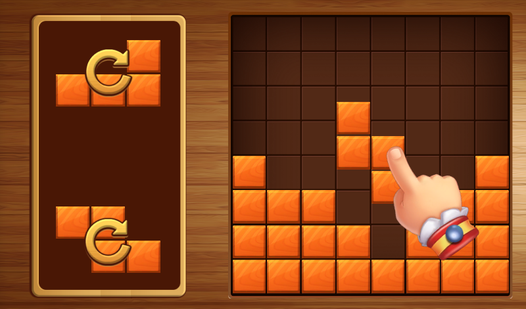
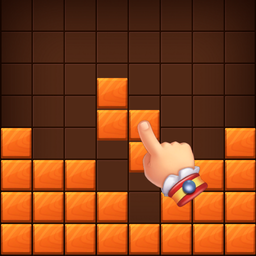
▶ Play FreeBlock Puzzle The Block Builder — A satisfying grid-filling game where you drag and place blocks to complete rows and columns without time pressure. Perfect for methodically practicing Tetris placement logic.
Block Puzzle The Block Builder
Spatial reasoning games have a unique way of clearing the mind after a long day of work. Block Puzzle The Block Builder captures that magic by challen...
▶ Play FreeBuilding Long-Term Tetris Skill
There's a pattern among players who improve quickly at Tetris: they don't just play more — they play more intentionally. Here are habits that accelerate improvement:
Review your mistakes. When your stack gets messy, pause mentally and identify what placement created the problem. Was it a hole you created three moves ago? An I-piece drought you didn't manage? Understanding the mistake is more valuable than just starting over.
Play at comfortable speeds first. There's no benefit to playing at maximum speed before your placement fundamentals are solid. Slower gameplay lets you practice clean stacking without panic. Speed comes naturally as muscle memory develops.
Learn one technique at a time. If you're working on T-spins, focus sessions specifically on setting up the right conditions. Mixing multiple new techniques in one session creates confusion. Isolate skills, then integrate them.
Use the hold piece strategically. Many players hold a piece "just in case" and never use it. Instead, identify which piece you most need for a current situation and swap when you have the wrong piece in play. The I-piece and T-piece are the most common hold candidates.
Accept imperfect boards. Experienced players know that a messy board isn't a crisis — it's a normal puzzle state to solve. Panicking and making rushed placements is what actually ends games. Slow down your thinking even as the pieces fall faster.
The core of how to play Tetris well isn't reflexes alone — it's learning to make calm, consistent decisions while maintaining a clear picture of your board at all times.