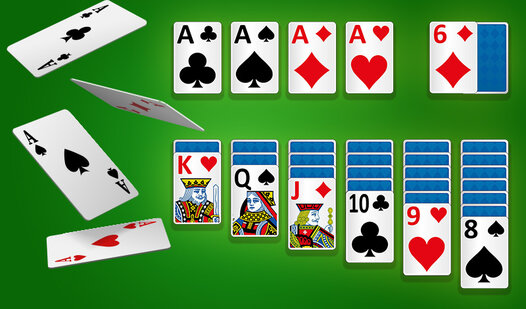
How to Play Spider Solitaire One Suit
Spider Solitaire one suit is the perfect entry point if you've ever watched someone play solitaire and thought "that looks fun — but complicated." Strip away the multi-suit chaos and what you get is a clean, satisfying card game you can genuinely win. This guide covers how to play Spider Solitaire one suit from scratch, walks you through the rules step by step, shares strategies that actually hold up, and points you to the best free games to practice right now.
Spider Solitaire One Suit — Rules Explained
Spider Solitaire gets its name from the eight foundation piles — the eight legs of a spider. The one-suit version uses a standard 52-card deck, but every card shares the same suit (spades, by default). That single change makes the game dramatically more approachable while keeping the core puzzle satisfying.
Here's how the setup works:
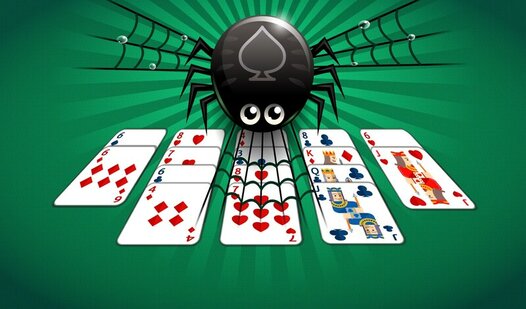
The tableau has ten columns. Four columns start with six cards each, and six columns start with five cards each — 54 cards total on the table. The top card of every column is face-up; the rest are face-down.
The stock holds the remaining 50 cards. These are dealt in batches of ten (one card per column) whenever you're stuck and want fresh options.
The goal is to build eight complete sequences from King down to Ace within the tableau. Each time you finish a complete King-to-Ace run, it lifts off the table and counts as a completed foundation. Clear all eight, and you win.
Moving cards — you can move any face-up card (or a sequence of face-up cards in order) onto another card that is one rank higher. In one-suit mode, since all cards are the same suit, any valid sequence is automatically moveable as a group. That's the big advantage over two- or four-suit versions, where you can only move multi-card sequences when the suits match throughout.
Dealing from stock — hit the deal button to drop one new card on each of the ten columns. You can only do this when every column has at least one card. You get five deals total from the stock before it runs out.
One extra rule worth knowing: empty columns. When you clear a column completely, you create an empty space. In Spider Solitaire, empty columns are incredibly powerful — they act as temporary holding spots and give you far more flexibility to reorganize your tableau. Don't fill them carelessly.
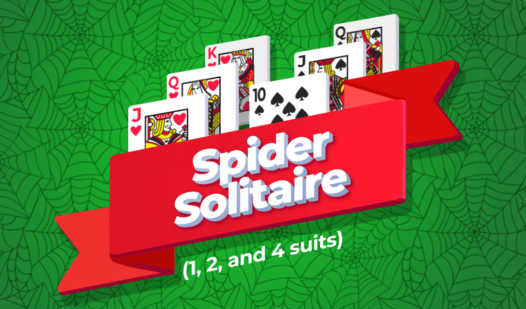
Spider Solitaire (1, 2, and 4 suits)
Arrange descending sequences of the same suit from king to ace to clear the board. Spider Solitaire offers a classic card game experience with multipl...
▶ Play FreeStep-by-Step Guide to Playing One Suit Spider
Knowing the rules and actually playing are two different things. Here's a practical walkthrough for your first game.
Step 1 — Read the tableau before touching anything
Before you move a single card, scan all ten columns. Look for:
- Long sequences already in order (these are gold — protect them)
- Face-down cards buried under only one or two face-up cards (flip these first)
- Any column close to becoming empty
Experienced players spend the first 20–30 seconds just reading the board. It pays off.
Step 2 — Uncover face-down cards as fast as possible
Face-down cards are dead weight until they're flipped. Prioritize moves that expose a new face-down card. A move that reveals two face-down cards is better than one that extends an already-visible sequence.
Step 3 — Build sequences in the same column when you can
The closer a sequence is to being a complete King-to-Ace run, the sooner it lifts off the board and frees up space. Try to consolidate partial sequences rather than spreading cards thinly across every column.
Step 4 — Use empty columns strategically
An empty column is not a trash can. It's a temporary buffer. Use it to move a blocking card out of the way so you can access what's underneath, then move that buffer card somewhere useful. Don't park a random mid-sequence card there and forget about it.
Step 5 — Deal from stock only when genuinely stuck
Every deal adds cards and can disrupt sequences you've carefully built. Before dealing, try to clear at least a couple of columns so the new cards have somewhere useful to land. Dealing into a messy board makes things worse.
Step 6 — Aim to complete sequences, not just organize
There's a trap in Spider Solitaire where you rearrange things endlessly but never complete a foundation run. Keep your eyes on finishing King-to-Ace sequences. Each completed run removes eight cards from play and gives you breathing room.
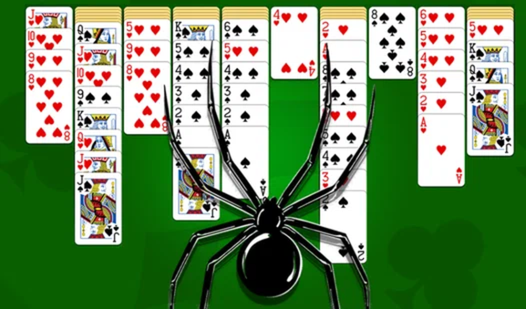
Maps - Solitaire Spider
Card game enthusiasts who enjoy a good mental workout will find Maps - Solitaire Spider the perfect companion for a quick break. This addictive challe...
▶ Play FreePlaying on Maps - Solitaire Spider is a great way to practice this step-by-step approach — the game offers different difficulty levels so you can build confidence before jumping to harder modes.
Step 7 — Track your remaining deals
You get five deals from the stock. As the game progresses, stay aware of how many you have left. If you're down to one or two deals and still have lots of face-down cards, you may need to take risks you'd otherwise avoid.
Winning Strategies for Spider Solitaire
One-suit Spider has a high win rate compared to its two- and four-suit cousins — some estimates put it around 97% for skilled players. But "high win rate" doesn't mean "wins itself." Here are the strategies that separate consistent winners from players who get stuck on the last few columns.
Prioritize columns with fewer cards
Short columns are cheaper to clear. A column with two or three cards can become empty with minimal disruption. Empty columns are your most powerful resource in Spider Solitaire, so target the shortest columns deliberately.
Never deal from stock if you can make a useful move
Stock deals are irreversible. Once those ten cards land, you can't take them back. Always check whether there's a move you haven't seen yet before hitting deal.
Build in-suit sequences from the start
In one-suit Spider, this isn't a challenge — every card is in-suit. But what it means in practice is that you should always be building proper descending sequences (King, Queen, Jack, 10, 9...) rather than scattering cards randomly. A proper sequence can be moved as a whole; a jumbled column cannot.
Keep at least one empty column at all times (when possible)
Advanced players treat the empty column like a tool, not an achievement. The moment you fill an empty column for no strong reason, you've lost your most flexible move option. Ask yourself: "If I park this card here, can I still get it out easily?"
Spider (4 suits)
Solitaire remains the undisputed king of patience games because it turns a simple deck of cards into a mental marathon that is impossible to put down....
▶ Play FreeSpider (4 suits) is worth trying once you've mastered the one-suit version — seeing how dramatically harder it gets makes you appreciate the skills you built.
Think three moves ahead
Spider Solitaire rewards players who chain moves together. "If I move the 8 onto the 9, that uncovers a 6, which I can put on the 7 in column three, which reveals a King..." That kind of three-step thinking turns a mediocre board into a winning position.
Don't chase dead-end sequences
Sometimes you'll see a lovely long sequence forming in one corner of the board — Jacks, 10s, 9s all lined up nicely. But if completing it requires cards that are buried under five face-down cards on the other side of the board, it might be a trap. Be willing to leave a promising sequence and work elsewhere if that's what opens the board up.
When to use the undo button
Most online versions give you unlimited undo. Use it — but use it wisely. Undo to reverse a deal from stock that made things worse. Undo to try a different branch of moves. Don't use it to play on autopilot; use it to explore the decision tree the game presents.
Solitaire Swift
Clear the board by matching cards one rank higher or lower regardless of their suit or color. Solitaire Swift keeps your brain sharp as you strategica...
▶ Play FreeSolitaire Swift is worth having in your rotation — its fast-paced format sharpens your pattern recognition, which directly improves your Spider Solitaire play.
Best Free Spider Solitaire Games Online
There's no shortage of Spider Solitaire games on the internet, but quality varies a lot. Here are the best free options you can play right now in your browser — no sign-up, no download needed.
Spider Solitaire (1, 2, and 4 Suits)
This is the go-to option for anyone who wants a proper Spider Solitaire experience. The game gives you all three difficulty modes right on the start screen — one suit, two suits, and four suits. That means you can start with one suit, build your confidence, and graduate to harder modes without switching apps. The interface is clean, deals are fast, and there's an undo option for when you want to rethink a move.
Spider Solitaire (1, 2, and 4 suits)
Arrange descending sequences of the same suit from king to ace to clear the board. Spider Solitaire offers a classic card game experience with multipl...
▶ Play FreeMaps — Solitaire Spider
A fresh visual take on Spider Solitaire with a map-themed aesthetic. The core gameplay is the same classic Spider experience, but the presentation makes it feel like a new game. Multiple difficulty levels mean you can find the right challenge level, and the pacing suits both casual sessions and longer focused play.
Maps - Solitaire Spider
Card game enthusiasts who enjoy a good mental workout will find Maps - Solitaire Spider the perfect companion for a quick break. This addictive challe...
▶ Play FreeSpider Solitaire Cards
Clean, no-frills Spider Solitaire with smooth card animation and an intuitive interface. If you want the classic experience without any visual noise, this one delivers exactly that. The card movements feel satisfying and the game logic is solid — no weird bugs where cards don't stack correctly.
Spider Solitaire Cards
Staring at a blank screen during a midday slump is the worst, but a quick mental reset can change your entire outlook. Spider Solitaire Cards serves a...
▶ Play FreeSolitaire Swift
Not Spider-specific, but an excellent solitaire trainer across multiple formats. The fast-paced design means you complete more games per session, which accelerates your pattern recognition. If you want to improve at solitaire broadly — including Spider — this is a smart pick.
Solitaire Swift
Clear the board by matching cards one rank higher or lower regardless of their suit or color. Solitaire Swift keeps your brain sharp as you strategica...
▶ Play FreeKlondike Solitaire
Klondike is the classic that most people picture when they think of solitaire. If you're new to solitaire in general, spending time on Klondike before Spider is a good call — it teaches the fundamental mechanics of building sequences and using foundations, which carry directly over.
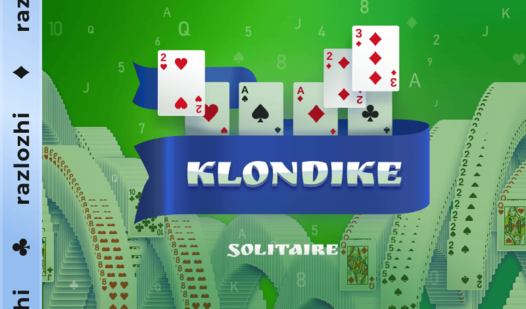
Klondike Solitaire
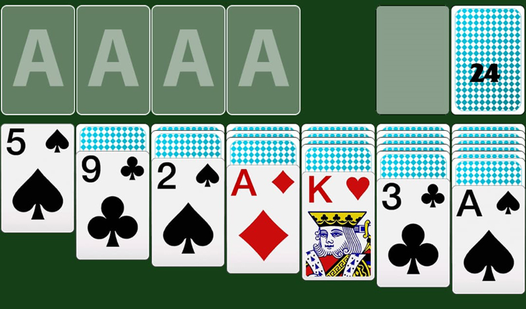
Card enthusiasts seeking a classic mental challenge will find their perfect match in Klondike Solitaire. This timeless puzzle tests your patience and ...
▶ Play FreeDreamland Solitaire
A beautifully themed solitaire experience for players who want their card game wrapped in atmosphere. Dreamland Solitaire keeps the classic rules but adds a magical visual layer that makes extended play sessions more engaging. Great for winding down with a few games.

Dreamland Solitaire
Fans of card games will find a new obsession in Dreamland Solitaire as it blends relaxing strategy with a charming magical aesthetic. Your main missio...
▶ Play FreeA Note on Solitaire Games and Money
The phrase "best solitaire games to win money" comes up often in searches, and it's worth addressing directly. The games on FreeJoy are genuinely free — no real-money betting, no hidden charges. If you're looking for the satisfaction of winning, these games deliver that through score systems, streaks, and the simple pleasure of clearing the board. For actual cash-prize games, those fall into gambling regulation territory and are a completely different category. Play here to get good; play elsewhere if prize money is your goal — but know the risks.
Other Solitaire Variants Worth Trying
If Spider Solitaire has hooked you, the broader world of solitaire has a lot to offer.
Solitaire for 1 and 3 cards
Staring at a blank screen during a midday slump is the worst, but a quick round of Solitaire for 1 and 3 cards is the perfect mental reset. This class...
▶ Play FreeSolitaire for 1 and 3 cards lets you adjust draw difficulty in Klondike — drawing one card is easier, three cards adds a strategic layer that challenges even experienced players.
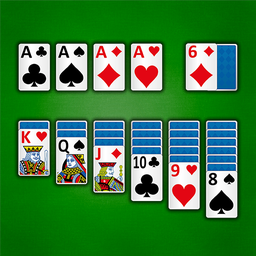
Solitaire Klondike - Deluxe
Card games remain the ultimate way to sharpen your mind while enjoying a relaxing break during a busy day. Solitaire Klondike - Deluxe brings the clas...
▶ Play FreeSolitaire Klondike - Deluxe is a polished version of the classic with smooth controls and a refined presentation. A reliable option when you want Klondike without any rough edges.
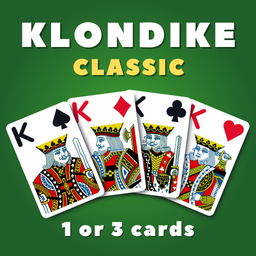
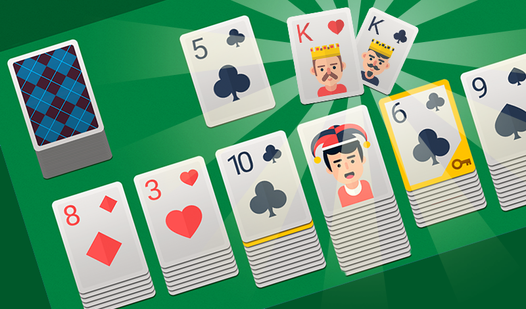
Klondike Classic (1 or 3 cards)
Stack cards in descending order by alternating colors to clear the board and master the art of Klondike Classic strategy. You organize the deck into f...
▶ Play FreeKlondike Classic (1 or 3 cards) rounds out the collection with another take on the draw-one/draw-three choice. The different draw modes genuinely change how the game plays, so it's worth experimenting.
Common Mistakes to Avoid
Even in the easier one-suit version, certain habits kill otherwise winnable games.
Filling empty columns too quickly. The moment a column clears, resist the urge to immediately drop a King there. Ask first: do I need this space for anything else right now?
Ignoring face-down cards. Some players chase building long visible sequences while buried face-down cards sit untouched. Those hidden cards are the real uncertainty in the game — clear them early.
Dealing from stock too late. Conversely, some players are so conservative about dealing that they run out of moves and have wasted deals. If you're genuinely stuck and have made every possible useful move, deal. Holding stock deals in reserve has no value if the board is gridlocked.
Not using undo after a deal. If you deal from stock and the new cards make your position immediately worse, undo it. That's what undo is for.
Playing too fast. Spider Solitaire rewards patience. Racing through moves feels good in the moment but leads to preventable losses. Take an extra five seconds before each move, especially as the board gets complex.