How to Play Hidden Treasures Games: Tips, Strategies & Best Picks
Meta description: Master hidden object games with expert tips. Learn scanning techniques, time management, and strategies to find every hidden treasure.
Learning how to play Hidden Treasures games is easier than it looks — but getting genuinely good at them takes a bit of practice and the right approach. These games drop you into richly detailed scenes packed with objects, and your job is to find specific items before time runs out (or before your patience does). Some are casual and relaxed. Others are frantic, timed challenges that'll have you squinting at the screen. Either way, once you understand the core mechanics and a few smart techniques, you'll start clearing levels that used to stump you. This guide covers everything: how these games actually work, search strategies that save time, tips for timed modes, and recommendations for where to start if you're new.

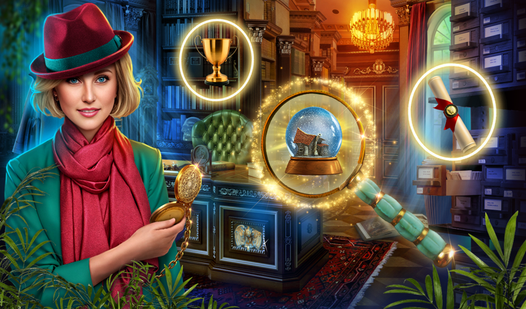
Hidden Objects: Find the Treasure
Every tropical island holds secrets buried deep beneath the sand and tangled vines. Hidden Objects: Find the Treasure turns you into a detective seeki...
▶ Play FreeHow Hidden Treasures Games How to Play — The Core Mechanics
Hidden object games follow a simple premise: you get a scene, you get a list, you find the items on the list. But the execution varies a lot between titles, and understanding what kind of game you're playing changes how you approach it.
Classic list mode. The most common format. You see a cluttered scene — an attic, a beach, a pirate ship — and a list of items appears at the bottom or side of the screen. Click each item as you spot it. Some lists use text, others use silhouettes. Silhouette lists are trickier because they don't name the item, just show its shape.
Story mode with puzzles. Many modern hidden object games weave a narrative through the levels. You're not just finding random stuff — you're gathering clues, solving a mystery, or unlocking the next chapter. The puzzles between scenes add variety and break up the search gameplay. Think detective work meets word-find.
Match-3 hybrids. A few games in this category blend hidden object scenes with match-3 mechanics. You might spend half a level matching gems and the other half combing through a ship's hold for lost artifacts. It's a different rhythm, but the search skills transfer.
Timed vs. untimed. Some games give you unlimited time to find everything. Others run a countdown clock that adds pressure. Both have their place — untimed modes are great for relaxing, timed modes train sharper attention.
One thing most hidden treasure games share: items are deliberately hard to spot. Developers tuck things in corners, match their color to the background, or hide them behind other objects. That's the whole game. Accepting this instead of fighting it puts you in the right headspace.
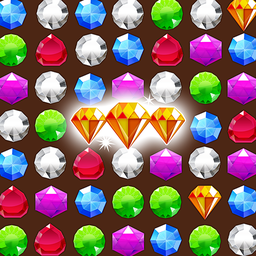
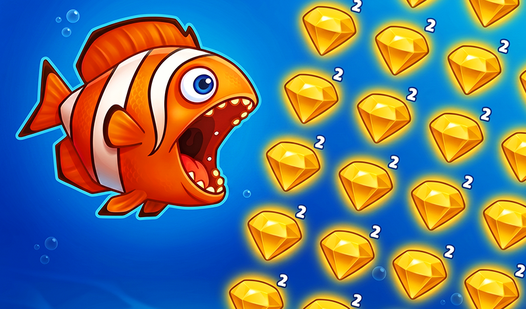
Pirate Treasures
Fans of swashbuckling adventures and challenging logic riddles will find their new obsession with Pirate Treasures. This vibrant match 3 game tasks yo...
▶ Play FreeScanning Techniques — Systematic vs Random Search
This is the section that actually improves your scores. How to play Hidden Treasures games well comes down mostly to how you scan a scene — and most players default to random scanning, which is the slowest method.
Random Scanning (What Most Players Do)
You look at the list, then dart your eyes around the scene hoping something jumps out. This works when items are obvious, but falls apart in dense, detailed scenes. You end up rechecking the same spots and missing things in the periphery.
Systematic Grid Scanning (What Works Better)
Divide the scene into sections mentally — imagine a 3x3 grid laid over the image. Start top-left, work across each row, then move down. For each section, you're asking: "Does anything here match what I'm looking for?" This methodical sweep catches items your random eye skips.
The technique in practice:
- Read the full list before you start scanning
- Pick 2-3 items that stand out in your memory and scan specifically for those shapes or colors
- Once you find one, pause, re-read the remaining list, then continue your grid sweep
- Return to the list frequently — holding all 10-15 items in your head at once is too much
Color-First vs Shape-First Searching
Some players naturally search by color — looking for the specific hue of a key or a gem. Others search by shape — looking for the silhouette of a bottle or a boot. Neither is universally better, but knowing which works for you helps.
Try this: for text lists, go color-first. For silhouette lists, go shape-first. Text gives you enough mental imagery to think "golden key" and scan for gold. Silhouettes strip the color away, so shape becomes your main cue.
When You're Stuck
Every hidden object player hits a wall — you've scanned the scene three times and still can't find the anchor or the magnifying glass. A few things to try:
- Zoom in on corners and edges. Developers love hiding items at the very borders of the scene where your eye naturally stops.
- Look for partial visibility. An item might be 80% obscured by another object, with just a corner or edge poking out.
- Use hints sparingly. Most games offer hint systems (a glowing orb, a skip button). Save them for when you've genuinely spent 30+ seconds on a single item.
- Take a fresh look. Stare at anything long enough and you stop seeing it clearly. Scroll away, read the list again, then come back.

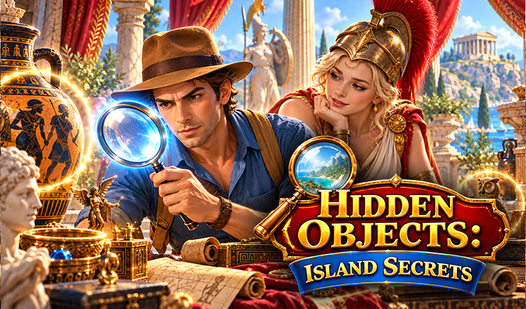
Hidden Objects: Island Secrets
Fans of detective games will find themselves hooked by the mysterious atmosphere of Hidden Objects: Island Secrets. This captivating adventure challen...
▶ Play FreeHow to Play Hidden Treasures Under Time Pressure
Timed challenges shift the whole dynamic. You can't afford a methodical grid scan when the clock is dropping fast. Here's how to adapt.
Prioritize by rarity, not difficulty. When you open a timed scene, quickly scan for items that are large and obvious — grab the easy ones first. This banks time and keeps your score climbing. Save the tricky items for the end when you can afford to focus.
Train your peripheral vision. This sounds abstract but it's a real skill. When you're in a timed round, resist the urge to tunnel-vision on one small area. Keep your gaze centered in the scene and let your peripheral vision catch movement, color shifts, and shapes at the edges.
Learn the scene layouts. Most hidden object games reuse scenes across multiple levels. The beach scene comes back. The ship's hold comes back. The first time through, you're mapping the layout while you play. By the third visit, you know where things tend to cluster and your scanning gets faster automatically.
Use hints early in hard scenes. Counter-intuitive, but true: if you're 45 seconds in and the clock is brutal, burning a hint on one impossible item frees you to quickly grab five easier ones. Hoarding hints and running out of time is a losing trade.
The "scan and ignore" trick. When you're looking for item X, train yourself to quickly register and dismiss everything that's obviously not X. This sounds basic but it takes practice. Beginners pause on every object to consciously evaluate it. Experienced players dismiss non-matches in a fraction of a second.
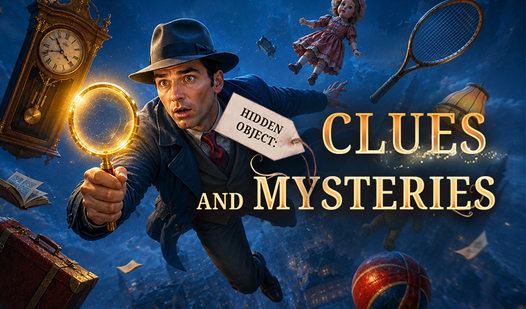
Hidden Object: Clues and Mysteries
The human brain is naturally wired to find patterns in chaos, making the classic hidden object genre the ultimate test of observation. Hidden Object: ...
▶ Play FreeHow to Play Hidden Treasures Games That Mix Puzzles
Some of the best hidden object titles add mini-puzzles between scenes — lock-and-key sequences, jigsaw inserts, sliding panels. These aren't just filler. They often reward you with hints or bonuses for the next hidden object scene, so it's worth taking them seriously.
For puzzle segments:
- Read any tutorial text that appears. Puzzle mechanics aren't always obvious.
- Don't mash randomly if you're stuck — wrong moves sometimes cost points or reset progress.
- Puzzles that seem unrelated to the scene (a pipe-connecting puzzle in a jungle game, for example) usually have a solution logic separate from the main gameplay. Treat them as standalone brain teasers.
Oceanscapes - Secrets of the Lost Treasures
Swap shimmering underwater tiles to create explosive combinations and clear your path through mysterious ocean depths. Oceanscapes - Secrets of the Lo...
▶ Play FreeBest Hidden Object Games for Beginners — Where to Start
If you're new to the genre, starting with the right game makes a big difference. A game that's too dense or too cryptic discourages new players fast. Here are solid entry points, each with a different style so you can find what clicks.
Hidden Objects: Find the Treasure is a natural first choice. The tropical island setting gives you visually distinct scenes — bright colors, clear contrasts — which makes spotting items more forgiving. The mystery narrative about a grandfather's secrets adds just enough story to keep you invested between scenes. Good for players who want some plot with their puzzles.
Pirate Treasures leans into the adventure side. Maps, ships, hidden caches — the treasure-hunting theme makes every scene feel purposeful. It's a good pick if the treasure hunt concept is what drew you to the genre in the first place.
Hidden Objects: Island Secrets handles the magical-mystery angle well. Items sometimes feel more stylized and fantastical, which freshens up the search experience. If straight-up "find the candlestick" gameplay gets monotonous, the artifact-hunting framing here adds variety.
Hidden Object: Clues and Mysteries works best for players who enjoy detective fiction. Finding items here feels connected to solving an actual case, which gives each discovery more weight than just clearing a list.
Oceanscapes: Secrets of the Lost Treasures is the hybrid pick. If match-3 puzzles are part of your gaming diet already, this game bridges both genres comfortably. The underwater visual style is distinctive and the level structure keeps things moving.
Beyond the featured five, there's a solid range of hidden object experiences across different settings and difficulties. Traveling through Europe, solving hotel mysteries, tracking island secrets — the variety means you can hop between styles without burning out on any single approach.
Hidden objects: Lost Island 2
Searching for items in a cluttered scene is the ultimate test of observation that keeps your brain sharp and focused. Hidden objects: Lost Island 2 tr...
▶ Play Free
Hidden Object: My Hotel
Fans of mystery and renovation will fall in love with Hidden Object: My Hotel instantly. This captivating hidden object adventure tasks you with resto...
▶ Play Free
Hidden Objects: Detective Agency
Scour cluttered crime scenes to uncover vital clues and crack the case of the century in Hidden Objects: Detective Agency. You play as a sharp-eyed in...
▶ Play Free
Hidden Objects: Traveling America
Road trips are the ultimate way to see the world, and now your living room is the starting point for a cross-country adventure. Hidden Objects: Travel...
▶ Play Free
Treasures of Paris: The Secret of Gems - Match 3
Matching colorful gems is the ultimate way to unwind while sharpening your cognitive skills through strategic thinking. Treasures of Paris: The Secret...
▶ Play Free
Find the Frog - Hidden Objects
Scan intricate hand-drawn scenes to spot hidden objects that blend perfectly into their surroundings. You will navigate through thematic worlds rangin...
▶ Play Free
Hidden Objects Trip to Europe 4
Scan detailed European landscapes to locate dozens of concealed items tucked away in famous tourist hotspots. Hidden Objects Trip to Europe 4 turns yo...
▶ Play FreeAdvanced Strategies Worth Knowing
Once you've got the basics down, a few advanced habits separate good players from great ones.
Track your patterns. Notice which types of items consistently give you trouble. Ropes, chains, and dark-colored objects on dark backgrounds? Make those your first target every scene — get them out of the way when your attention is sharpest.
Adjust your brightness. Genuinely useful. Slightly boosting screen brightness reveals details in shadowed corners that developers hide items in. Most hidden object games are designed with a standard display in mind, and your screen settings are a legitimate variable.
Read the item name carefully. "Key" and "golden key" are different items. "Book" and "open book" can appear in the same scene. Precision in reading the list saves you from clicking the wrong object and burning time.
Don't skip cutscenes on first play. In story-driven hidden object games, cutscenes often show you locations or objects that appear in upcoming scenes. Your brain files away those visual details, and they resurface when you're scanning later.
Play in short sessions. Hidden object games are genuinely harder when you're fatigued. Eye strain and attention drift are real performance factors. Thirty focused minutes beats ninety half-checked minutes every time.
Playing Hidden Treasures Games Unblocked on FreeJoy
All games listed here run directly in your browser — no installs, no accounts required. Hidden Treasures games unblocked means you can access them from any device on any network. FreeJoy hosts the full catalog, and the games load fast because they're browser-native.
This matters for a practical reason: hidden object games reward uninterrupted sessions. Having to navigate logins, loading screens, or install prompts breaks the scanning rhythm. Browser play on FreeJoy removes that friction entirely.
Pick any game from the list, open it, and you're in a scene in under a minute.
FAQ
How do I get better at finding hidden objects faster?
Are hidden object games harder on mobile than on desktop?
What should I do when I'm completely stuck and can't find the last item?
Do I need to play story-mode games in order, or can I jump in mid-series?
Are there any strategies specifically for silhouette-based item lists?
The best way to apply any of this is to actually play. Pick a game from the list above, run through a couple of scenes using the grid-scanning method, and see how it changes your speed. Most players notice an improvement within the first session. From there, the strategies around timed play, puzzle segments, and advanced scanning build naturally as you put in more time. Start with whichever setting appeals to you most — island, pirate ship, detective agency — and go from there.