Best Mind Games Online — TOP 22 Free Brain Training Games
Your brain is a muscle. And like any muscle, it gets stronger when you challenge it regularly. The best mind games do exactly that — they push your logic, memory, and pattern recognition in ways that feel fun rather than like homework. Whether you have five minutes on your lunch break or an hour to spare, free mind games online let you train your brain without spending a dime or downloading anything.
This list covers the top 10 best mind games you can play right now in your browser — plus tips on building a daily brain training routine, the best picks for older adults, and answers to the questions people ask most.
TOP 10 Best Free Online Mind Games
1. Mind Blocks 2
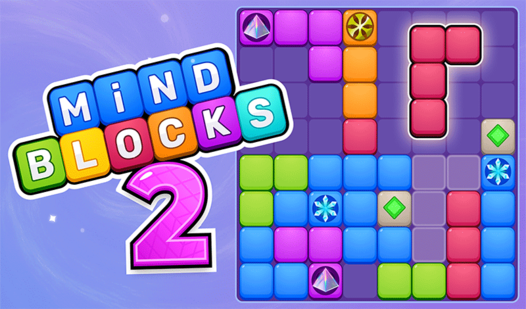
If you like block puzzles but want something that actually makes you think, Mind Blocks 2 is exactly what you're looking for. Each level requires you to plan several moves ahead — you can't just wing it and hope the pieces fall into place. The game rewards deliberate thinking, and the difficulty curve is perfectly paced so you're always slightly challenged without feeling overwhelmed.
Mind Blocks 2
Strategic thinkers and block puzzle enthusiasts will find their new obsession with Mind Blocks 2. This title tests your spatial awareness and logic as...
▶ Play Free2. Sudoku Master
Sudoku has been one of the gold standards for brain training for decades — and for good reason. This version packs hundreds of hand-crafted puzzles across multiple difficulty levels, from gentle warm-ups to genuinely tricky expert grids. Regular sudoku play builds deductive reasoning and concentration in a way that's almost meditative once you get into the flow.
Sudoku Master
Fill every row, column, and 3x3 square with numbers one through nine to conquer the grid in this brain-teasing classic. Mastering Sudoku Master requir...
▶ Play Free3. Mahjong: Train Your Mind
Most mahjong games are about speed. This one is about attention. Mahjong: Train Your Mind removes the timer entirely and focuses on helping you build memory and pattern recognition through careful tile matching. It's designed specifically as a cognitive training tool, not just entertainment — and that thoughtfulness shows in every level.
Mahjong: Train Your Mind
Fans of relaxing mahjong solitaire will find their perfect digital sanctuary in this beautifully designed matching experience. Players who enjoy brain...
▶ Play Free4. A Puzzle for the Mind
This one lives up to its name. A Puzzle for the Mind brings mechanics you probably haven't seen before — calculating moves, maximizing scores, and planning around unusual constraints. It rewards players who slow down and think rather than those who react quickly. If you want a genuine mental workout wrapped in an engaging puzzle, this delivers.
A puzzle for the mind
Staring at the clock waiting for your shift to end or just need a mental refresh during a dull afternoon? A puzzle for the mind is the perfect escape ...
▶ Play Free5. DOP Seduction Riddles: Mind Bender
Not all mind games are abstract grids and numbers. DOP Seduction Riddles wraps logic challenges inside a story-driven adventure — you're solving riddles that actually matter to the narrative. The puzzles are genuinely mind-bending, requiring you to think laterally rather than just follow established patterns. A great pick if you want your brain trained while you're entertained.

DOP Seduction Riddles: Mind Bender
Erase parts of the image to reveal hidden truths and solve the charming mysteries in DOP Seduction Riddles: Mind Bender. Each level acts as a complex ...
▶ Play Free6. Blocks and That's It
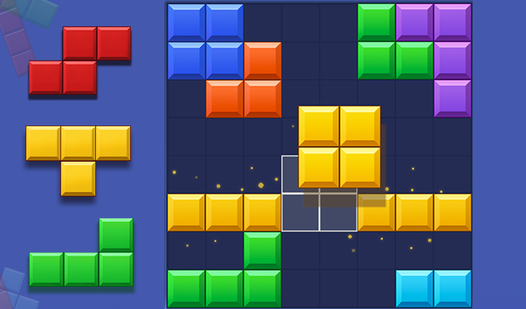
Here's an interesting data point: research has linked regular block puzzle play to reduced dementia risk. Blocks and That's It was designed with that science in mind. The mechanics are accessible — fit blocks onto a grid, clear rows — but the mental engagement is real. This is one of those games you can play daily as part of a genuine brain health routine.
Blocks and that's it
Feeling that midday slump or need a quick mental refresh? Blocks and that's it is your perfect escape, offering a delightful challenge that sharpens y...
▶ Play Free7. Words from Words
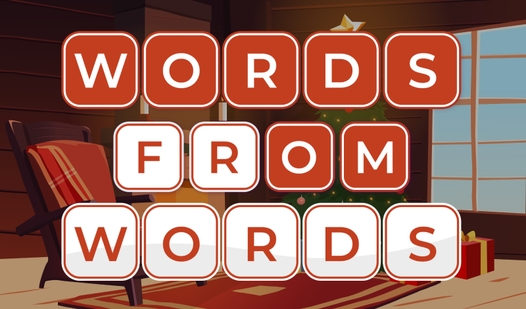
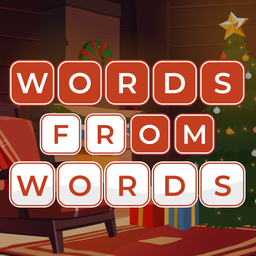
Vocabulary games work a completely different part of your brain than spatial puzzles. Words from Words gives you a set of letters and asks you to build as many words as possible from them. It sounds simple until you're staring at six letters and convinced there's no word left to find — and then you spot one. Great for linguistic thinking and mental flexibility.
Words from Words
Language is a vast playground where even a single long noun hides dozens of shorter secrets waiting to be unlocked. Words from Words challenges your v...
▶ Play Free8. Brain Training
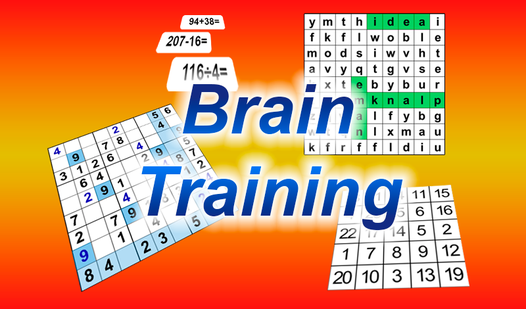
If you want a full cognitive workout in a single session, Brain Training is the most comprehensive option on this list. It bundles multiple exercise types — memory tests, logic challenges, attention drills, processing speed tasks — into one structured program. Think of it as a gym session for your mind rather than a single exercise.

Brain Training
Keeping your mind sharp is just as important as hitting the gym for your physical health. Brain Training keeps you on your toes with a huge library of...
▶ Play Free9. Minesweeper Online
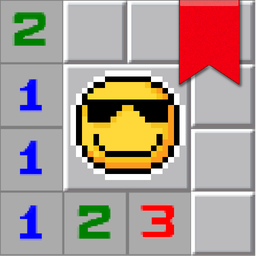
Minesweeper is deceptively sophisticated. What looks like a simple grid-clicking game is actually a rigorous exercise in deductive reasoning — you're reading probability, eliminating possibilities, and making calculated decisions under uncertainty. The classic version holds up beautifully, and this browser implementation runs perfectly without any setup.
Minesweeper Online
Staring at the clock waiting for a meeting to end or just need a mental refresh between tasks is the perfect moment to sharpen your wits. Minesweeper ...
▶ Play Free10. Lines 98
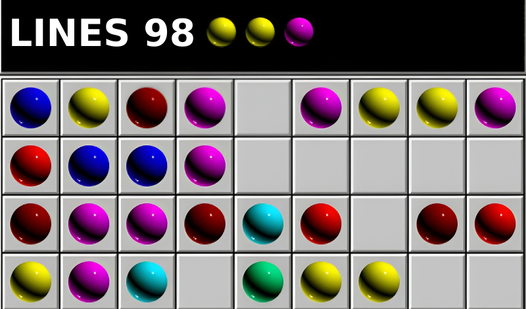
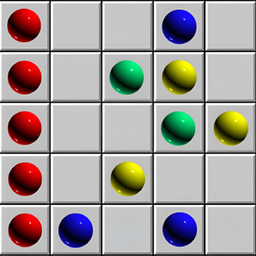
Lines 98 is one of those games that rewards long-term thinking over quick reactions. You're moving colored balls across a grid, trying to form lines of five or more to clear them — but every move also spawns new balls, so the board fills up fast if you're not planning ahead. Spatial reasoning and strategic foresight are the core skills here.
Lines 98
Strategic puzzle games often trick the brain into thinking they are simple until the grid starts filling up with chaotic patterns. Lines 98 turns this...
▶ Play FreeLogic Puzzles vs Memory Games — Train Different Skills
Not all mind games are the same, and the best mind games routine actually includes both types. Here's why:
Logic puzzles — games like Sudoku, Minesweeper, and block puzzles — engage your prefrontal cortex. They build deductive reasoning, pattern recognition, and the ability to hold multiple variables in mind simultaneously. These skills translate directly to problem-solving in daily life: reading situations, making decisions with incomplete information, planning ahead.
Memory games — tile matching, word recall, sequence games — primarily work your hippocampus. They build the capacity to form and retrieve information quickly, which degrades with age if left untrained. Memory training also builds associative thinking — the ability to link new information to what you already know.
Word games like Words from Words sit at an interesting intersection. They require both memory (what words do I know?) and logic (can these letters combine that way?). Linguistic puzzles also tend to improve verbal fluency and reading comprehension over time.
Story-driven puzzles like DOP Seduction Riddles add another dimension: lateral thinking. Instead of applying a known algorithm, you're asked to approach a problem from an unexpected angle. This kind of flexible thinking is arguably the most useful cognitive skill in real-world situations.
The practical takeaway: rotate through different game types rather than playing the same one every day. Your brain adapts to familiar challenges quickly. Variety keeps the training effective.
Daily Brain Training — How to Build a Routine
The research on brain training is clear about one thing: consistency beats intensity. Playing for 20 minutes every day does more for your cognitive health than a two-hour session on the weekend.
Here's a practical daily structure you can build around free online mind games:
Morning (5–10 minutes): Logic warm-up Start with something that requires deductive reasoning. A quick sudoku puzzle or a few rounds of Minesweeper gets your logical thinking active before the workday. These games are self-contained enough to fit between breakfast and your first task.
Afternoon (10–15 minutes): Strategy or memory The early afternoon — especially right after lunch — is when concentration tends to dip. A strategy game like Mind Blocks 2 or Lines 98 requires enough active attention to push through that slump without being so intense it's draining.
Evening (10–15 minutes): Language or creative puzzles End with something a bit more relaxed. Word games or story-driven puzzles like DOP Seduction Riddles are engaging without being stressful — a good way to wind down while keeping your brain active.
One key principle: track your progress. Most of the games on this list have scoring systems or difficulty levels. Pay attention to them. The goal isn't to pass time; it's to get slightly better each week. When a puzzle feels easy, move to harder ones.
Another principle: play in focus mode. Brain training while half-watching TV doesn't really work. Fifteen minutes of full attention beats an hour of distracted play every time.
Best Mind Games for Seniors
Cognitive decline is real, but it's not inevitable. Regular mental engagement is one of the most evidence-backed ways to maintain brain health as you age. The key is finding games that are genuinely engaging without being frustrating or requiring technical knowledge to play.
Here are the best picks from this list for older adults:
Mahjong: Train Your Mind is purpose-built for this use case. The timer-free gameplay removes pressure, the tile-matching mechanics are intuitive, and the memory and attention benefits are built into the design. Many older players find it the most comfortable entry point into regular brain training.
Mahjong: Train Your Mind
Fans of relaxing mahjong solitaire will find their perfect digital sanctuary in this beautifully designed matching experience. Players who enjoy brain...
▶ Play FreeBlocks and That's It is worth highlighting again here. The connection between block puzzle play and reduced dementia risk isn't marketing — it comes from actual research. The game is easy to learn, runs in any browser, and the daily habit of solving spatial puzzles delivers real benefits over time.
Sudoku Master has been used in cognitive health programs for years. It's familiar, comfortable, and the skill progression is natural. Starting on easy difficulty and gradually moving up provides a clear sense of progress that keeps motivation high.
Sudoku Master
Fill every row, column, and 3x3 square with numbers one through nine to conquer the grid in this brain-teasing classic. Mastering Sudoku Master requir...
▶ Play FreeBrain Training is worth recommending for seniors specifically because it provides structured variety in a single session. Rather than choosing between different game types, it guides you through multiple exercises automatically. For people who find it hard to build a self-directed routine, having the structure built in is genuinely helpful.
What to avoid: games that punish slow play with time pressure, require fast reflexes, or have complex modern interfaces. The games above all have relatively accessible UI and forgiving pacing — you can think at your own speed.
A few practical tips for older players specifically:
- Play in good lighting with the browser zoomed in if needed (Ctrl+ on most browsers)
- Set a regular time each day — same time slots build habits faster
- Play with someone occasionally — social brain training is more effective than solo play
Beyond the featured list, there are more great options worth trying:
Killer Sudoku
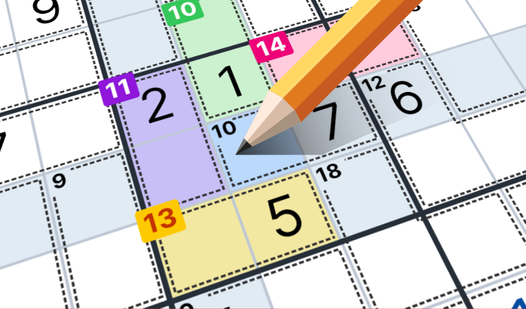
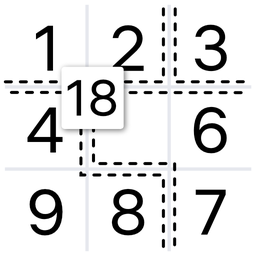
Killer Sudoku takes the standard grid logic you already know and adds an addictive mathematical twist that keeps your brain firing on all cylinders. T...
▶ Play Free
Mahjong Classic
Ancient board games have survived for centuries because they perfectly balance relaxation with intense mental stimulation. Mahjong Classic honors this...
▶ Play Free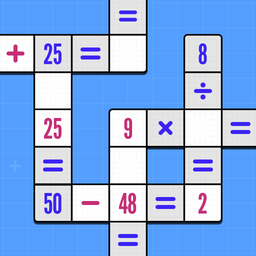
Mathematical crossword
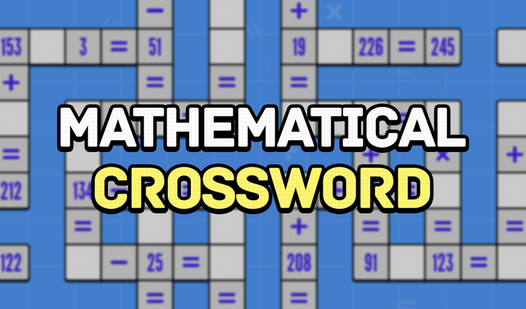
Drag numbers and operators into empty grid slots to solve equations and complete the logic grid. Mathematical crossword challenges you to balance rows...
▶ Play Free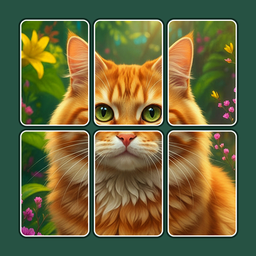
Jigsaw Solitaire
Fans of logic challenges and beautiful visuals will find Jigsaw Solitaire the ultimate way to decompress after a long day. This refreshing take on the...
▶ Play Free
Spellmind
Magic-themed puzzle games offer a unique escape by blending challenging logic with creative home renovation. Spellmind puts you in the shoes of a budd...
▶ Play Free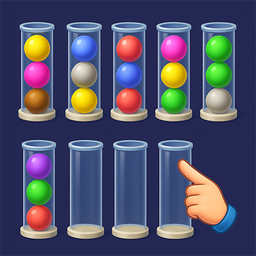
Ball Sort Puzzle: Color Tubes
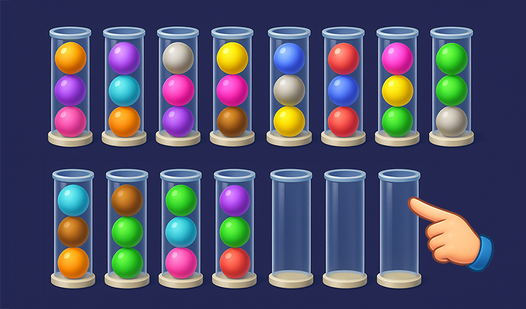
Sorting colorful spheres into matching tubes requires sharp logic and a steady hand in Ball Sort Puzzle: Color Tubes. You tap to lift the top sphere a...
▶ Play Free
Color Hoop Sort
Sorting games have evolved into the ultimate way to sharpen your cognitive skills while clearing your mind after a long day. Color Hoop Sort takes thi...
▶ Play Free
Nut Sort: Color Puzzle Game
Organize colorful rings onto metal bolts by matching every shade to its perfect home. You must carefully strategize each move to ensure every bolt end...
▶ Play Free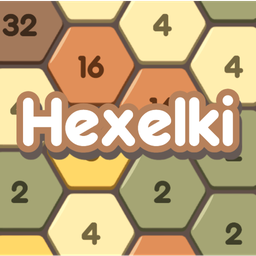
Hexelki
Hexagonal grids turn standard number puzzles into a complex tactical challenge that tests your spatial awareness. Hexelki captures this intensity by t...
▶ Play Free
The Evolution of the Mind: The Clicker
Staring at the clock waiting for your shift to end or just need a quick mental escape from a boring afternoon? The Evolution of the Mind: The Clicker ...
▶ Play Free