TOP 10 Best Psychology Games — Play Free Online
Psychology has always been a fascinating lens through which to experience games. The best Psychology games don't just entertain — they challenge how you think, feel, and react. Whether it's reading another player's behavior, solving mind-bending puzzles, or sitting with a creeping sense of dread, psychology-driven gameplay hits differently. On FreeJoy, you can explore all of this without spending a cent.
This guide rounds up the top Psychology games available right now: free, no download required, and genuinely worth your time. We've played them, analyzed them, and picked the ones that actually deliver on the psychological front — not just the ones with "mind" in the title.
How We Picked the Best Psychology Games
Ranking Psychology games isn't as simple as sorting by rating. We looked at a specific set of criteria:
Cognitive engagement — Does the game actually make you think? Not just react, but plan, predict, and process?
Emotional resonance — Does it create tension, curiosity, or satisfaction in a meaningful way? Good psychological games make you feel something beyond button-press gratification.
Social dynamics — Some of the most psychologically rich games involve other players. Reading bluffs, anticipating moves, building trust or deception — these are real psychological skills.
Replayability — A game that challenges your mind once and then becomes predictable isn't much of a psychological workout. We favored games that stay fresh across multiple sessions.
Accessibility — All games on this list are free and browser-based. No paywalls, no installs, no catch.
With those filters in place, five games rose clearly to the top. Here they are.
TOP-5 Best Psychology Games on FreeJoy
1. Voice Chat Online — Social Psychology in Real Time
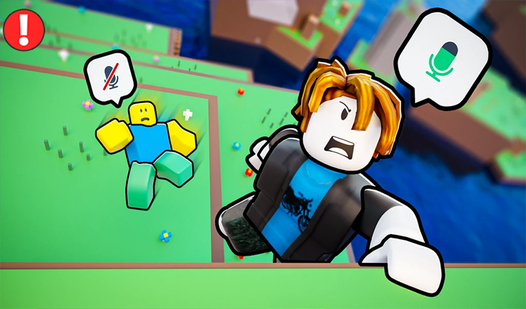
If you want to understand interpersonal psychology without reading a textbook, Voice Chat Online is one of the most direct ways to do it. The game puts you in social environments where reading people, building rapport, and understanding group dynamics actually matter. You're not just clicking through menus — you're navigating real human behavior in a simulated social space.
What makes Voice Chat Online psychologically compelling is how it mirrors the real dynamics of human interaction: who dominates a conversation, how trust forms between strangers, how quickly a group can fracture. It's simultaneously a game and a window into how people actually work.
Players who are naturally introverted often find it surprisingly engaging — the game structure gives you a framework for social interaction that feels less overwhelming than unstructured real-life situations. It's a rare case where a game might genuinely improve your real-world social awareness.
Voice Chat Online
Social butterflies and those craving genuine connections will love Voice Chat Online for its stress-free approach to meeting new people. This platform...
▶ Play Free2. Merge the Leaves: Spring! — Pattern Recognition and Cognitive Flow
Cognitive psychology talks a lot about "flow states" — those moments where you're so absorbed in a task that time disappears. Merge the Leaves: Spring! is engineered, almost accidentally, to produce exactly that.
The core mechanic is simple: merge matching tiles to create new ones. But what makes it one of the best Psychology games on this list is how it trains your brain to recognize patterns at speed. You're constantly building mental models, testing hypotheses, and updating your strategy based on results. That's not just fun — it's a genuine cognitive workout.
The spring aesthetic helps too. Bright colors and natural imagery aren't just decorative choices — there's real psychology behind using pleasant visual environments to sustain attention and reduce cognitive fatigue. You'll find yourself playing longer than you planned without feeling drained.

Merge the Leaves: Spring!
Staring at a blank screen while your coffee gets cold is the perfect sign you need a quick mental refresh. Merge the Leaves: Spring! provides the exac...
▶ Play Free3. Merge: Pickles 2025! — Decision-Making Under Constraints
Decision fatigue is a real psychological phenomenon — the more choices you make, the worse your later decisions become. Merge: Pickles 2025! puts this to the test in an interesting way. It constantly presents you with merging decisions under space constraints, forcing you to think several steps ahead while managing limited resources.
What separates this from a generic puzzle game is the feedback loop it creates. Every decision closes off some possibilities and opens others. You can watch your own decision-making process in action: do you play conservatively, hoarding space? Do you take big swings hoping for high-value merges? Do you panic when the board gets crowded?
These aren't just game mechanics — they're mirrors of real cognitive patterns. Players often discover something about their own problem-solving style through extended sessions. That's what earns it a spot among the top Psychology games.
The strategic depth in merge-style games is often underestimated. While the interface looks casual, the cognitive load of tracking multiple merge chains simultaneously is substantial. It's the kind of challenge that feels light on the surface but quietly sharpens your executive function over time.
More Games Worth Playing
Before we get to the final two featured picks, here are some additional games that pair well with a psychology-forward mindset. These aren't just filler — each one offers something distinct.
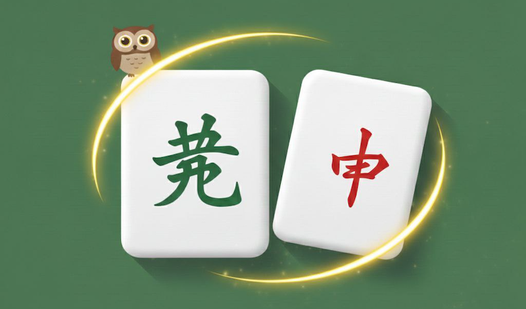
Cozy Mahjong brings mindfulness into gaming. The slow, deliberate pace of tile matching creates a meditative quality that contrasts sharply with high-adrenaline games. If you're interested in how attention and calm focus interact, this is a good test case.
Cozy Mahjong
Match identical tiles and clear the board in Cozy Mahjong, a relaxing online puzzle experience designed to unwind your mind. Swipe or click to select ...
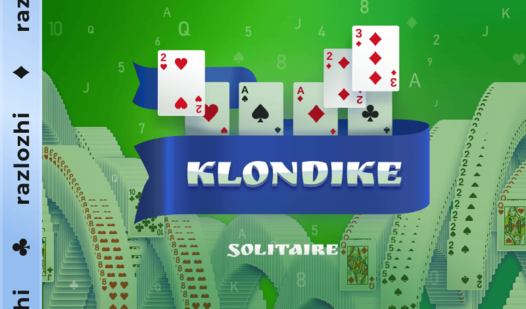
▶ Play FreeKlondike Solitaire is a classic for a reason. It's one of the purest examples of probabilistic thinking in games — you're constantly calculating odds, deciding when to commit to a path and when to hold back. The psychological tension of a nearly-won game that suddenly collapses is something solitaire players know well.
Klondike Solitaire
Card enthusiasts seeking a classic mental challenge will find their perfect match in Klondike Solitaire. This timeless puzzle tests your patience and ...
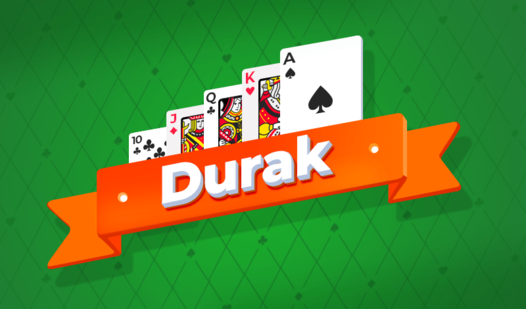
▶ Play FreeDurak is a Russian card game that rewards psychological reading of your opponents over pure card skill. Knowing when to attack, when to retreat, and how to read what your opponent is trying to do requires a kind of social intelligence that pure logic games don't develop.
Durak
Staring at the clock and waiting for your shift to end can be mind-numbing, but a quick round of Durak is the perfect remedy for your boredom. This cl...
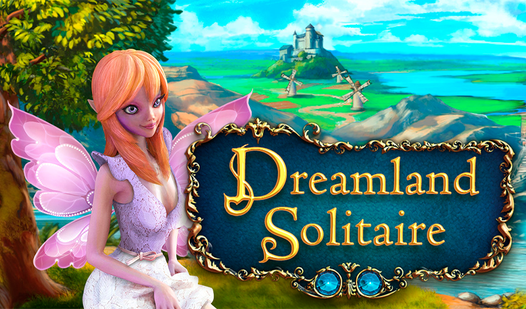
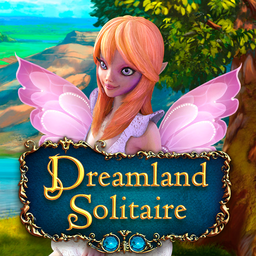
▶ Play FreeDreamland Solitaire adds a layer of narrative and atmosphere to the classic solitaire formula. The dreamy visual design isn't accidental — it creates a mild dissociative quality that some players find deeply relaxing, almost hypnotic. There's a real psychology to how aesthetic environments affect gameplay experience.
Dreamland Solitaire
Fans of card games will find a new obsession in Dreamland Solitaire as it blends relaxing strategy with a charming magical aesthetic. Your main missio...
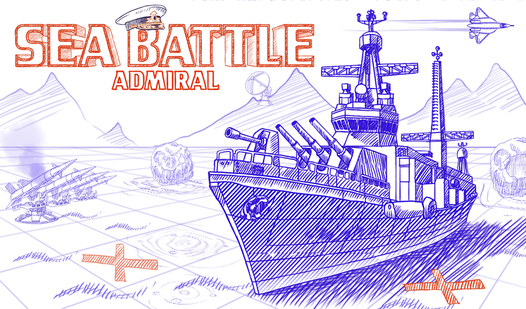
▶ Play Free4. Sea Battle Admiral — The Psychology of Conflict and Prediction
Sea Battle Admiral takes the classic battleship concept and builds something genuinely strategically rich around it. The core psychological challenge is prediction: where is your opponent hiding their fleet? What patterns are they using? Are they playing randomly or is there a logic you can exploit?
This is psychological warfare at its most accessible. You're building a mental model of another person's mind — their habits, their tendencies, their tells — from nothing but the pattern of hits and misses. It's the same cognitive process that poker players use, that negotiators use, that anyone who has ever tried to understand another person's reasoning uses.
What makes Sea Battle Admiral stand out among Psychology games is the asymmetry of information. Both players know the same rules but have completely different views of the board. Managing that uncertainty, staying calm when you're behind, and not overreacting to early success or early failure — these are psychological skills that the game genuinely trains.
It's also a fantastic study in how people respond to losing. Do you tilt? Do you adjust? Do you find a pattern in your defeats? The game gives you enough repetitions to actually observe your own psychological responses over time.

Sea Battle Admiral
Staring at the clock during a long afternoon or just craving a quick mental challenge to break up the monotony, you need something that sparks your ta...
▶ Play Free5. The Sorcerer's Refuge — Fear, Mystery, and Psychological Tension
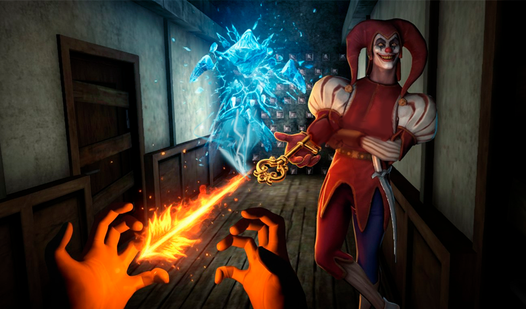
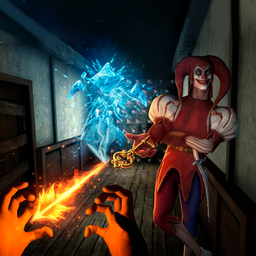
Horror is one of the most psychologically sophisticated genres in gaming, and The Sorcerer's Refuge is a strong representative of what it can do when handled well. The game doesn't rely on jump scares — it builds tension through atmosphere, ambiguity, and the slow accumulation of dread.
Psychologically, fear in games works differently than fear in real life. You know you're safe, but your brain still responds to threat cues. The Sorcerer's Refuge exploits this disconnect in fascinating ways. Dark environments, unexplained sounds, riddles that feel like they carry weight beyond their literal meaning — these elements activate your threat-detection systems even when your rational mind knows it's just a browser game.
This is one of the best Psychology games on FreeJoy for players who want to understand their own fear responses. Do you freeze up? Do you rush through to get the tension over with? Do you find the dread exciting or genuinely unpleasant? The game is almost a diagnostic tool for how you personally experience fear.
The riddle structure also adds a layer of cognitive challenge that separates it from pure horror. You have to think clearly while stressed — which is, frankly, one of the more useful psychological skills to develop.
The Sorcerer's Refuge
Fans of atmospheric horror and dark puzzle adventures will find themselves instantly ensnared by the eerie mystery of The Sorcerer's Refuge. You wake ...
▶ Play FreeAnd here's one more game that fits the horror/tension angle perfectly:
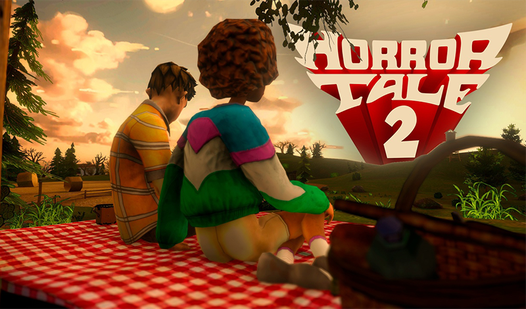
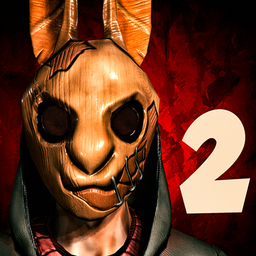
Horror Tale 2 continues the horror narrative genre with a strong atmospheric approach. It's a good companion to The Sorcerer's Refuge for anyone interested in how narrative tension and psychological horror work in game design — and how your brain learns to either manage or amplify fear over repeated exposure.
Horror Tale 2
Staring at the clock during a long afternoon, you probably need a quick escape from the mundane. Horror Tale 2 acts as the perfect antidote, pulling y...
▶ Play FreeTips for New Players Getting Into Psychology Games
If you're new to this genre, a few things will help you get the most out of it:
Pay attention to your own reactions, not just the game. The real value of Psychology games isn't winning — it's noticing what you do when things get hard. Do you rush? Do you freeze? Do you get angry or stay curious? These patterns show up in real life too.
Don't skip the easy levels. Especially in cognitive games like the merge titles, the early stages aren't just tutorials — they're calibrating your mental model. Players who rush through them often make avoidable mistakes later because they never built a solid foundation.
Try the social games even if you're introverted. Voice Chat Online in particular can feel uncomfortable if you're not naturally social. That discomfort is actually the point. Mild, safe exposure to social situations in a game context can be genuinely useful for understanding your own social patterns.
Alternate between tension and calm. A good psychology gaming session might pair something intense like The Sorcerer's Refuge with something meditative like Cozy Mahjong. Your brain benefits from the contrast — the relaxed game actually processes and integrates what you experienced in the stressful one.
Notice when you're playing mechanically vs. playing mindfully. All games have a "zone out" mode where you're just going through the motions. That's fine occasionally, but you get much more psychological value from games when you stay engaged with your own decision process. Ask yourself why you made a move, not just what the next move should be.
Take breaks. Cognitive fatigue is real, and it's especially noticeable in games that require pattern recognition or prediction. A five-minute break every 45 minutes will actually improve your performance and extend how long you enjoy playing.
Try games that challenge you in ways you don't naturally gravitate toward. If you're a strategy person, try a horror game. If you're a puzzle person, try a social game. The most interesting psychological insights tend to come from genres that feel slightly outside your comfort zone.