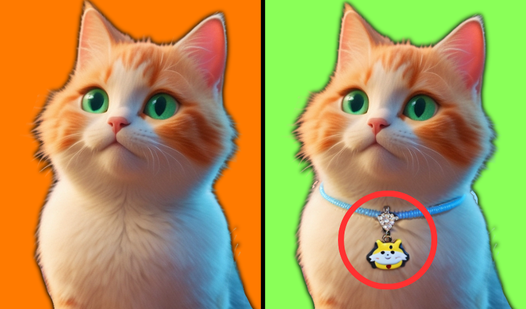
Spot The Difference Games Online Free
If you've ever stared at two almost-identical pictures and felt that satisfying rush of spotting a tiny missing button or a shifted cloud — you already know the appeal of spot the difference games online free. No app store, no installs, no waiting. Just two images, your sharp eyes, and the quiet triumph of catching every hidden change before the timer runs out.
This genre has been a crowd favorite for decades, and for good reason. These games are simple to pick up, surprisingly hard to master, and genuinely fun for pretty much everyone. Whether you have five minutes to kill or a whole afternoon, there's always a puzzle waiting. In this guide, we'll cover how these games work, which ones stand out, what makes them good for your brain, and how different age groups experience them.
What Are Spot The Difference Games?
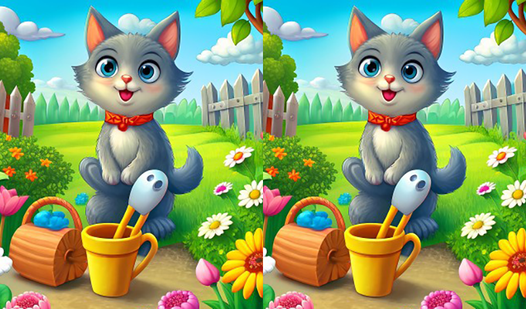
At their core, spot the difference games show you two images side by side — or stacked, or overlapping — and ask you to find a set number of differences between them. A tree might be missing in one version. A character's shirt might have changed color. A bird might have appeared in the background. Your job is to click or tap on every change until you've found them all.
The format sounds simple, and the basics are. But the best games in this genre layer in real challenge: tight time limits, images packed with detail, differences that are genuinely subtle — a shadow falling at a slightly different angle, a window that's opened a crack, a reflection that doesn't quite match. Your brain has to do genuine work, scanning systematically, holding one image in short-term memory while comparing it to the other.
Online versions of these games have expanded far beyond the newspaper puzzle format most people grew up with. Modern spot the difference games come with animated scenes, themed worlds (travel destinations, fantasy settings, movie tie-ins), sound effects that reward correct finds, and level progression that keeps difficulty scaling up. Many also include collectibles, achievements, and unlockable content to keep players coming back.
The genre overlaps with hidden object games — some titles blend both formats, asking you to both spot differences and find specific items within the same scene. Play spot the difference games long enough and you'll start noticing your attention to detail improving in everyday life too.
Best Free Spot The Difference Games Online
Here's where it gets fun. The following games represent some of the strongest picks for free online play right now. Each one brings something different to the table, and together they cover a wide range of styles, themes, and difficulty levels.
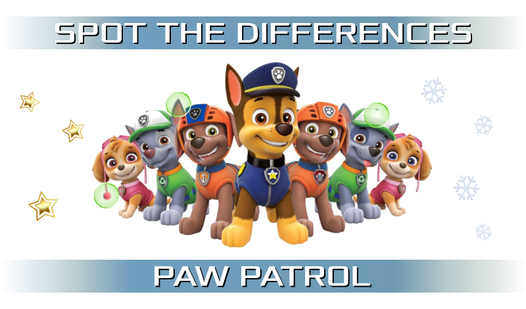
Spot the differences: PAW PATROL
For younger players (or nostalgic adults), this one combines the beloved PAW PATROL cartoon universe with solid educational game design. Each level uses scenes straight from the show — Chase, Marshall, Skye, and the whole crew appear in colorful, detailed environments that kids already love. The gameplay teaches careful observation and patience, rewarding players who take their time rather than clicking randomly. Hints are available when you get stuck, making it forgiving enough for beginners without feeling like a handout.
Spot the differences: PAW PATROL
Staring at the screen during a boring break and craving a quick mental refresh is a common struggle during busy days. Spot the differences: PAW PATROL...
▶ Play FreeWorldtrip Find the Differences
This one does something clever: it ties the spot the difference format to a world travel theme, moving you through destinations that feel distinct and visually rich. Each level is set in a different location, so the backgrounds shift from busy markets to scenic coastlines to historic architecture. The classic gameplay feels fresh because the scenery keeps changing. If you like the idea of touring the world while training your eye, this is a great pick.
Worldtrip Find the differences
Staring at the clock waiting for your shift to end or just need a quick mental escape from your daily routine? Worldtrip Find the differences is the p...
▶ Play FreeFind the differences Simbochka Pimp
This one has serious personality. With 33 levels, a soundtrack you'll actually enjoy, and collectible seals scattered through the game, Simbochka Pimp feels more like a full game than a casual puzzle set. The art style is distinctive — the kind of game that makes you stop mid-level just to appreciate what's on screen. The collectible seals add a meta-game layer that keeps completionists busy long after they've cleared the main levels. This is the pick for players who want more substance alongside their spot-the-difference puzzles.
Find the differences Simbochka Pimp
Training your brain to spot tiny visual inconsistencies is a classic way to sharpen focus while having a blast. Find the differences Simbochka Pimp ta...
▶ Play FreeSpot the Cat. Hidden Cats
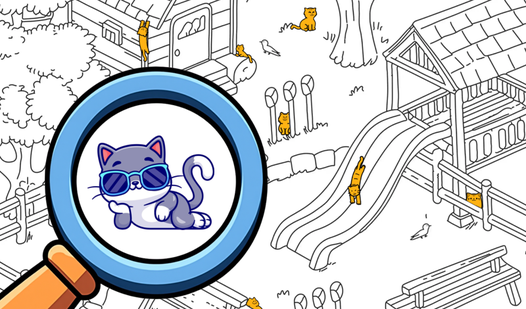
Technically this one edges into hidden object territory, but the core loop is firmly in the spot-the-difference family: you're scanning environments looking for cats cleverly concealed in the scene. The cats might be hiding in plain sight in ways that are deceptively hard to see — tucked behind furniture, blending into patterns, camouflaged against similarly colored objects. The charm factor here is off the charts, and cat lovers in particular will find this one impossible to put down. It's gentle, cozy, and genuinely satisfying to complete each scene.
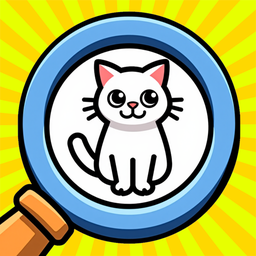
Spot the Cat. Hidden Cats
Scan every inch of vibrant, hand-drawn scenes to find the cat hiding in plain sight. Spot the Cat. Hidden Cats turns your screen into a massive scaven...
▶ Play FreeFluffy Holidays: Spot the Differences
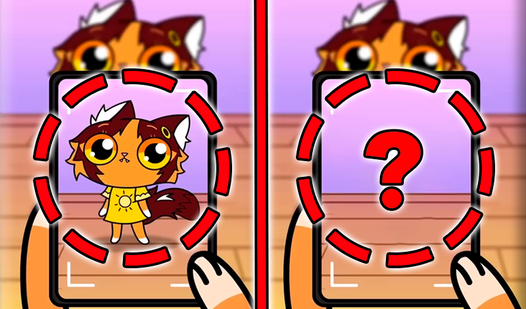
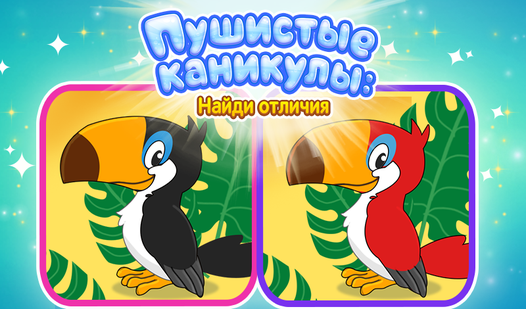
This game stars Murmyau, a fluffy character who takes you through a variety of holiday-themed locations. The scenes are warm and detailed, and the difference-finding gameplay is paced well — challenging enough to feel meaningful, relaxed enough that you're not stressed out. The holiday aesthetic makes it particularly appealing during seasonal periods, but the gameplay holds up year-round. If you want something visually cozy with solid mechanics, this delivers.
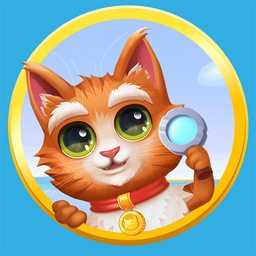
Fluffy Holidays: Spot the Differences
Scan two nearly identical scenes to identify subtle variations before your opponents beat you to the punch. Fluffy Holidays: Spot the Differences turn...
▶ Play FreeMore Great Options
The genre doesn't stop at five games. Here are more solid picks that round out any spot-the-difference session:
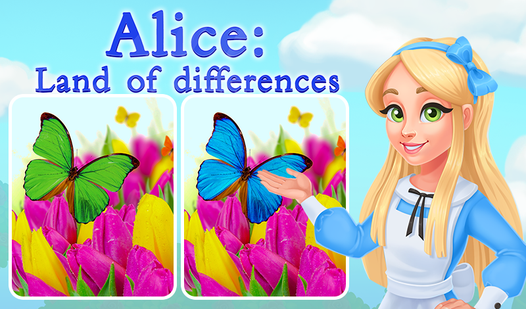
Alice: Land of Differences drops you into a wonderland-inspired visual world where the differences feel woven into the surreal setting — perfectly at home in a world where nothing is quite as it should be.

Alice: Land of differences
Spot the hidden discrepancies between two seemingly identical images to sharpen your sharp eye for detail in Alice: Land of differences. You must scan...
▶ Play FreeFind the Difference Master is for players who want a proper challenge. The "Master" in the title isn't decorative — this one expects focused attention and rewards sharp observation skills with progressively difficult scenes.
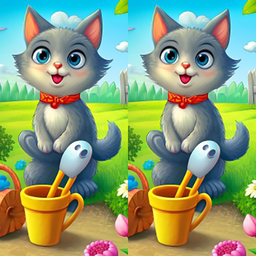
Find the Difference Master
Stuck in a boring meeting or just waiting for your coffee to brew, you need a quick mental escape to sharpen your focus. Find the Difference Master is...
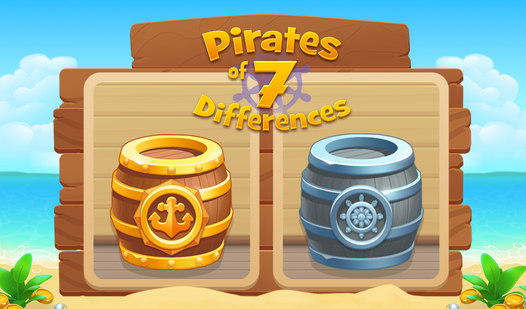
▶ Play FreePirates of 7 Differences takes the swashbuckling route, with pirate-themed art and seven differences per scene. The theme is fun and the difficulty is well-calibrated for players who want something in the middle — not too easy, not brutally hard.
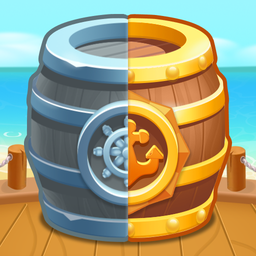
Pirates of 7 Differences
Stuck in a boring meeting or just waiting for the bus, you need a quick mental escape that keeps your brain sharp. Pirates of 7 Differences is the per...
▶ Play FreeFind the Differences: Animals & New Year 2024 pairs two crowd-pleasing themes — adorable animals and festive celebrations — into one charming package. Great for casual play sessions and particularly fun during the holiday season.
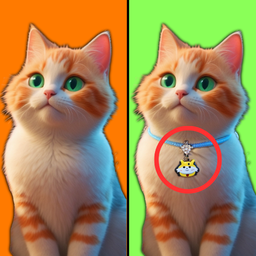
Find the Differences: Animals & New Year 2024
Spotting tiny visual discrepancies is a classic brain teaser that keeps your mind sharp while providing a relaxing escape from daily routines. Find th...
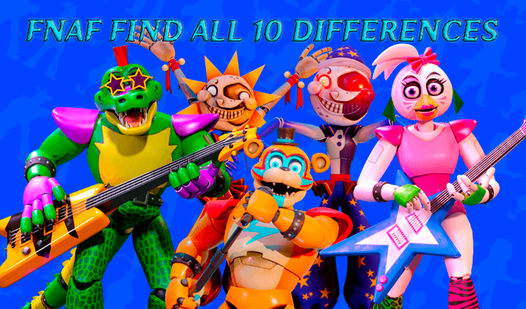
▶ Play FreeFNaF Find All 10 Differences brings the Five Nights at Freddy's universe into the format, offering a spookier take on the genre. With 10 differences per scene (more than most games ask for), it's a genuine test of observation. Fans of the franchise will love spotting familiar characters and locations slightly altered between panels.
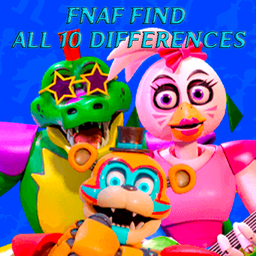
FNaF find all 10 differences
Fans of the iconic five nights at freddy horror series will love testing their sharp eyes with this challenging puzzle experience. You must carefully ...
▶ Play FreeBenefits of Playing Spot The Difference Games
This might feel like a light topic — it's just a casual game, right? But there's more going on cognitively than it looks.
Attention and focus. Finding differences requires sustained visual attention. You can't just glance at a scene and expect the answer to jump out. The brain has to slow down, scan methodically, and maintain concentration across an entire image. This is genuine cognitive work, and doing it regularly keeps that skill sharp.
Visual memory. To compare two images, your brain creates a short-term memory representation of one image while scanning the other. This process exercises working memory — the mental workspace you use for everything from reading comprehension to following conversations. Playing spot the difference games regularly is a low-key workout for this system.
Pattern recognition. Most experienced players develop scanning strategies: checking edges, looking at symmetrical areas, focusing on colors first then shapes. These are learnable skills, and they transfer to other observation tasks. Many people report noticing details in everyday environments more sharply after playing these games for a while.
Stress relief. There's something meditative about the process of scanning a detailed image. The focused attention required by the game naturally crowds out anxious or scattered thinking. Many players describe the experience as calming — similar to a puzzle or coloring book in terms of mental quieting effects.
Problem-solving satisfaction. Every time you find a difference, you get a small reward — a sound, a visual confirmation, a point. These micro-wins accumulate and create a sense of progress and accomplishment. The brain genuinely enjoys this feedback loop.
Screen time with purpose. For parents looking for games that aren't just reflex-testing or random, spot the difference games are one of the cleaner choices. The cognitive engagement is real, the content is usually appropriate, and the skills being practiced (attention, observation, patience) are genuinely useful.
Spot The Difference Games for Kids vs Adults
The same genre serves completely different audiences depending on how it's tuned. Understanding these differences helps you pick the right game for the right player.
For Kids
Games aimed at children — like the PAW PATROL entry or the holiday-themed Fluffy Holidays — typically use:
- Bright, high-contrast colors that make differences more visible
- Large, clear differences rather than subtle ones (a missing character rather than a shifted shadow)
- Familiar licensed characters from cartoons or kids' media that increase engagement
- Hint systems that prevent frustration when a difference stays hidden
- Gentle time pressure (or no timer at all) so there's no anxiety
The educational angle here is real. Preschool and early elementary children develop visual discrimination skills — the ability to notice that two things are not quite the same — through exactly this kind of activity. It's a building block for reading (recognizing that 'b' and 'd' are different) and math (comparing quantities, shapes, patterns).
For Adults
Spot the difference games tuned for adult players tend to work differently:
- Denser, more detailed scenes where differences are hidden in busy backgrounds
- Subtle differences — a missing texture, a tiny color shift, a reflection that's slightly wrong
- Tighter time limits that force faster scanning
- More differences per scene (10 is a common count in harder games)
- No hint systems, or hints that cost points/currency to use
- Thematic depth — more complex visual worlds, story elements, or lore-based settings
Games like Find the Difference Master and FNaF Find All 10 Differences land firmly in adult territory. The FNaF version in particular has a built-in atmosphere — if you know the franchise, the scenes carry tension that makes the search feel higher-stakes.
There's also a clear crossover zone. Games like Worldtrip Find the Differences and Alice: Land of Differences work for both audiences. The visual style is sophisticated enough to interest adults, but the gameplay mechanics are approachable enough that kids can engage with them too. These are solid choices for shared family gaming sessions where you want everyone at the table (or on the couch) to enjoy the same thing.
Competitive and Social Play
Some players enjoy racing a friend through the same level to see who finds all differences first. This adds a whole layer of social fun to what's normally a solo experience. Online versions make this easy since both players can access the same game from different devices. The best spot the difference games tend to be ones that hold up under repeated play — where you can come back to a level with a friend and still need to think, rather than just remembering the answers from last time.
Unblocked Access
A common search for these games is spot the difference games unblocked — particularly from school or workplace networks where gaming sites are sometimes restricted. Most of the games featured here are hosted directly on gaming platforms and run in-browser without requiring any additional software or accounts, which generally means they load cleanly regardless of most network filters. The appeal is obvious: a five-minute brain break that doesn't require any setup and works on virtually any device.
Finding Your Level
One thing players quickly discover is that the difficulty curve in this genre is steep. A beginner puzzle might have five obvious differences in a simple, uncluttered scene. An expert-level puzzle might have ten differences buried in a painting that looks like a Renaissance cathedral interior, with lighting differences, tiny background figures moved, and architectural details shifted by fractions.
The healthy approach is to start with games that feel slightly easy and work your way toward harder ones. This builds your visual scanning vocabulary — you start to learn which areas of an image are most likely to contain hidden differences (edges, reflections, text elements, symmetrical structures) and your search becomes more systematic rather than random.
Tracking time is another way to increase challenge. Once you can find all differences comfortably, start a stopwatch and try to beat your personal best. This shifts the skill being tested from pure observation to fast, accurate scanning — a harder and more rewarding challenge.