Most Popular Block Games Online — Free Browser Puzzles
Block games have been a staple of gaming culture for decades — and for good reason. Whether you're lining up gems to clear a board or stacking shapes to build something from scratch, popular block games tap into something deeply satisfying about the human brain. The combination of visual clarity, short feedback loops, and endless challenge keeps players coming back for "just one more round." And the best part? You can play all of them right here in your browser, for free, with zero installs required.
This guide covers the best block games available online right now — puzzle games, builders, mergers, and everything in between. We've grouped them by style so you can jump straight to what sounds most fun.
Top Block Puzzle Games You Should Try
Block puzzle games are the heart of the popular block games genre. They put your spatial reasoning and planning skills to the test, asking you to fit shapes, clear lines, and manage a board before it fills up. Simple to learn, incredibly hard to master — here's where to start.
Blocks and That's It
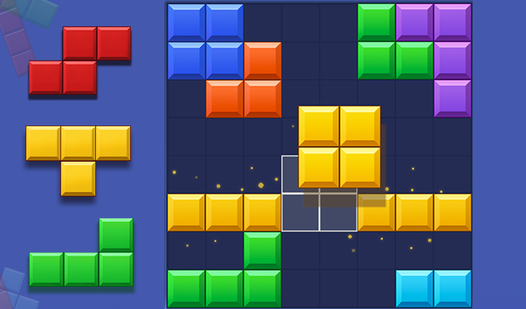
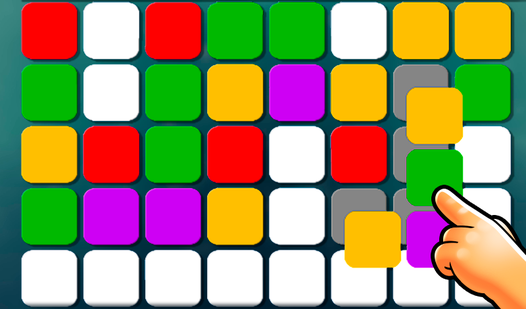
Sometimes the name says it all. Blocks and That's It is a clean, no-frills block puzzle experience that strips the genre down to its essentials. You've got a grid, you've got blocks, and you need to figure out where each piece goes. The satisfaction of clicking the last piece into place on a tricky level is genuinely hard to beat. The minimalist design means nothing distracts from the core puzzle — just pure problem-solving focus.
Blocks and that's it
Feeling that midday slump or need a quick mental refresh? Blocks and that's it is your perfect escape, offering a delightful challenge that sharpens y...
▶ Play FreeBlock Puzzle Gem
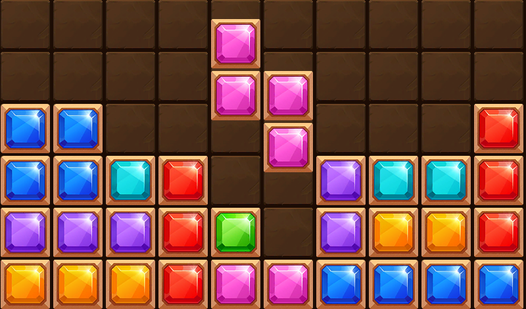
If you like your block games with a bit more visual flair, Block Puzzle Gem delivers exactly that. This one's built around crushing and clearing gem-colored blocks from the grid. The drag-and-drop mechanic feels fluid, and the escalating difficulty means you're always working just a little harder than the level before. It captures the classic "clear lines" loop and gives it some extra shine — high scores become genuinely competitive as the board gets more chaotic.
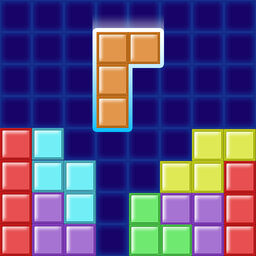
Block Puzzle Gem
Ever wondered what makes classic puzzle games so endlessly engaging? Block Puzzle Gem takes that timeless appeal and polishes it to a brilliant shine,...
▶ Play FreeBlock Puzzle: Block Builder
Block Puzzle: Block Builder adds a rotation mechanic that changes the game significantly. Instead of just dropping pieces, you can spin and reposition them to squeeze them into tight spots. Think Tetris logic but with a more deliberate, puzzle-focused pace. Forming complete lines rewards you with cleared space and a rush of satisfaction. The challenge ramps up fast, and you'll find yourself staring at the board, mentally rotating pieces before committing. It's the kind of game that's easy to lose 45 minutes to without noticing.
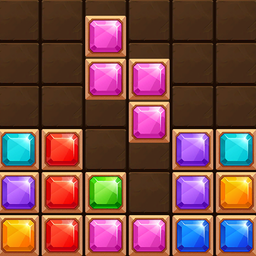
Block Puzzle: Block Builder
Puzzle lovers and fans of classic brain teasers will find Block Puzzle: Block Builder an incredibly addictive experience. This isn't just another bloc...
▶ Play FreeBlock Puzzle: Falling Shapes
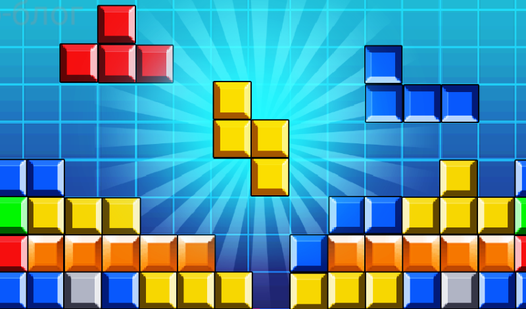
Speed matters in Block Puzzle: Falling Shapes. This one cranks up the pressure by introducing falling pieces that you need to react to quickly — a nod to classic arcade block games. Your reflexes and spatial reasoning get tested simultaneously, and the levels are designed to push your limits progressively. If you've ever wanted to see how fast your brain can process and place shapes, this is the game for it. It's tense, it's fast, and finishing a difficult level genuinely feels like an achievement.
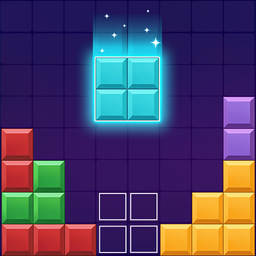
Block Puzzle: Falling shapes
Falling blocks carry a unique thrill that has defined classic gaming for generations. Block Puzzle: Falling shapes takes this timeless concept and ref...
▶ Play FreeBlock Building & Sandbox Games
Not every block game is about clearing lines under pressure. Some of the most popular block games online are about creation — placing blocks strategically, building structures, and seeing what you can construct. These titles are more relaxed but no less engaging.
One Block Simulator - Mine MOD!
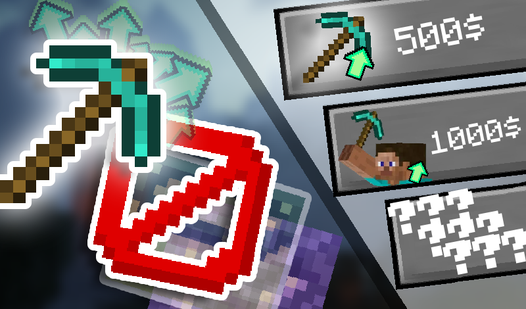
One Block Simulator - Mine MOD! takes a completely different approach to the genre. You start with a single block, destroy it, and use what you get to upgrade your tools and expand your world. It's an idle-meets-action loop that's genuinely hard to put down. The progression system keeps things interesting — a better pickaxe means faster mining, more resources, and access to new block types. There's a reason this style of gameplay has exploded in popularity: the feedback loop of "break → upgrade → break faster" is incredibly compelling.
One Block Simulator - Mine MOD!
Fans of clicker games and block breaking will find One Block Simulator - Mine MOD! completely addictive as they strive for mining dominance. You start...
▶ Play FreeGod's Land: From Block to Island
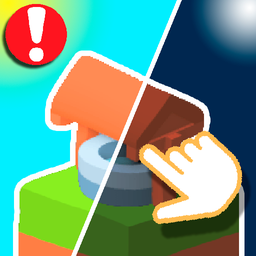
God's Land: From Block to Island lives in sandbox territory with a god-game twist. You're shaping terrain, placing blocks to build up landmass, and watching your little island grow from nothing. It's a slow-burn type of game — the appeal isn't frantic puzzle-solving but rather the meditative act of creation. If you want to zone out while still feeling productive, this one's the move. The block-by-block construction gives you real ownership over what you build, and the island-growing concept has a particular charm that keeps pulling you back in.
God's Land: From Block to Island
Transform a single lonely cube into a sprawling, thriving empire by mastering the art of world building in God's Land: From Block to Island. You act a...
▶ Play FreeRobby: Lucky Blocks, Simulator!
Robby: Lucky Blocks, Simulator! brings an element of randomness and surprise to block gameplay. Lucky blocks are a classic concept — smash a mysterious block and you might get a reward, or you might get chaos. It's playful, unpredictable, and surprisingly replayable because no two sessions feel quite the same. Great for when you want something lighter that still scratches the block-game itch without requiring too much concentration.
Block Stacking & Merging Games
A big slice of the popular block games world sits at the intersection of stacking and merging mechanics. These games ask you to place blocks strategically and combine matching ones to score big — deceptively simple on the surface, deeply strategic underneath.
Block Blast Online
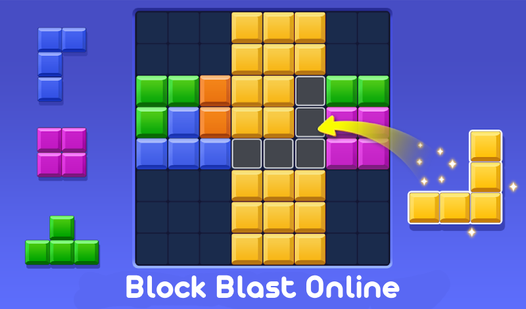
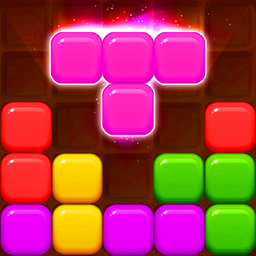
Block Blast Online is one of the most played block games in this category, and it earns its reputation. The mechanic is clean: place sets of blocks on a grid, clear rows and columns when they're full, and keep the board from filling up. The catch is that pieces arrive in groups of three, so you always need to think a few moves ahead. One wrong placement can snowball into an unwinnable situation fast. It's the type of game where you'll think "I've got this" right up until you suddenly don't — and then immediately start a new round.
Block Blast Online
Drag and drop colorful shapes onto the 8x8 grid to clear lines and rack up high scores. Strategy is the key to success as you carefully plan your plac...
▶ Play FreeBlock Blast 2048
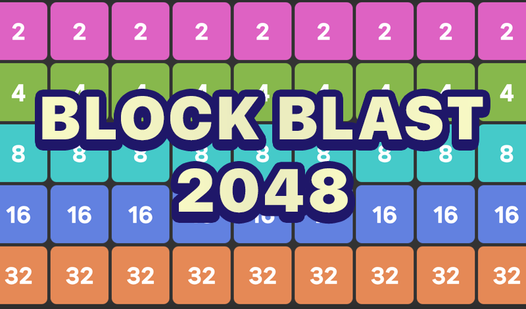
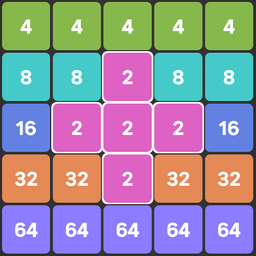
What do you get when you combine block-dropping mechanics with 2048-style merging? Block Blast 2048, and it's as addictive as it sounds. Matching same-numbered blocks causes them to merge and increase in value — so you're constantly juggling placement strategy with the need to keep high-value blocks accessible for future merges. The dual-layer strategy (placement + merging) makes every move feel meaningful. Players who love number-based puzzles will find this one especially hard to stop playing.
Block Blast 2048
Number merge games have a unique way of keeping your brain sharp while providing that oddly satisfying flow state. Block Blast 2048 takes this classic...
▶ Play FreeColor Block Blast
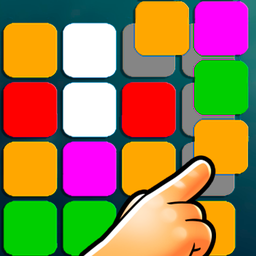
Color Block Blast trades numbers for colors, simplifying the visual language while adding its own strategic layer. The goal is to match and blast groups of same-colored blocks off the board. What looks like a casual game reveals surprising depth when you start planning multi-step combos. Chain reactions — where one blast triggers another — are deeply satisfying and feel like small victories every time. It's a great entry point for players newer to the genre.
Color Block Blast
Matching games have a way of turning a dull afternoon into a high-stakes strategic showdown. Color Block Blast elevates this experience by forcing you...
▶ Play FreeMind Blocks 2
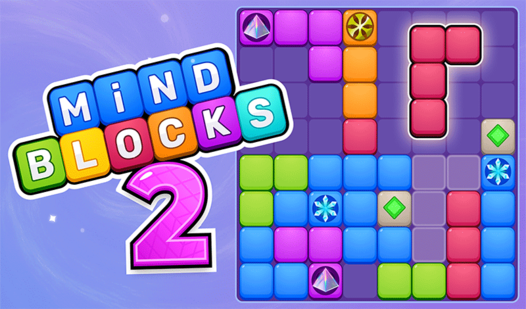
Mind Blocks 2 earns its name. This isn't a game you play on autopilot — every move requires genuine thought. The puzzle design pushes you to think several steps ahead, and the solutions often feel elegant in retrospect, like a "how did I not see that?" moment when you finally crack a level. It's squarely aimed at players who want their block game to double as a logic workout. If you're the type who enjoys the hard levels most, start here.
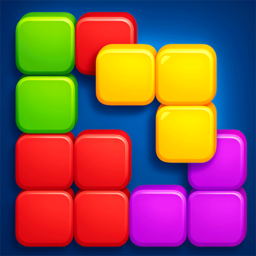
Mind Blocks 2
Strategic thinkers and block puzzle enthusiasts will find their new obsession with Mind Blocks 2. This title tests your spatial awareness and logic as...
▶ Play FreeObby Sword! Cut Enemies at Blocks Arena!
Obby Sword! Cut Enemies at Blocks Arena! throws a combat twist into the block game formula. You're in a block-built arena, swinging a sword to cut through enemies while navigating a blocky environment. It's more action-oriented than the pure puzzle titles, but the block aesthetic and level design keep it firmly in the family. If you've been looking for something with a bit more excitement and direct interaction, this is a fun detour from the usual clearing-and-stacking loop.
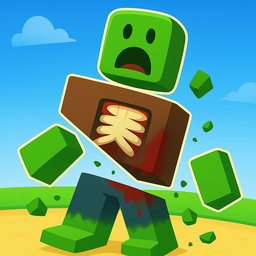
Obby Sword! Cut Enemies at Blocks Arena!
Fans of high-octane action games will find their new obsession with the fast-paced combat of Obby Sword! Cut Enemies at Blocks Arena!. This title plac...
▶ Play FreeWhy Block Games Are So Addictive
Popular block games have stuck around for a remarkably long time — from the earliest arcade puzzlers to the mobile hits of today. The reasons aren't mysterious, but they're worth understanding, especially if you've ever found yourself playing for an hour when you planned to play for five minutes.
The "Almost Perfect" Feeling
Block puzzle games are masterful at keeping you right on the edge of success. You fill up most of the board, and then one misplaced piece leads to a cascade of problems. You can see exactly what went wrong, which makes you immediately want to try again and fix it. This near-miss psychology is one of the strongest hooks in game design, and block games use it constantly.
Low Barrier, High Ceiling
Most block games take about 30 seconds to understand. Place the block, fill the line, clear the board — simple. But getting genuinely good at them? That can take hundreds of sessions. This wide skill range means they're accessible to everyone while still offering something meaningful for dedicated players. There's always a harder level, a better score, a cleaner strategy.
No Time Pressure (Usually)
Many popular block games are turn-based or pace-agnostic, meaning you can take as long as you want to plan your move. This makes them ideal for playing in short bursts — on a commute, during a break, before bed. The lack of a ticking clock removes stress while maintaining engagement. You're thinking, not reacting, which appeals to a huge audience.
Instant Visual Feedback
Every block placement produces an immediate, visible result. Lines clear with a satisfying animation. Merges pop. Scores tick up. The visual responsiveness of block games creates a constant stream of small rewards that keeps your brain engaged. Neuroscientifically, this is close to ideal for sustaining attention over long sessions without overwhelming the player.
They Scale with Your Mood
Feeling sharp? Go for a high score on a fast-paced falling shapes game. Want to zone out? Load up a building simulator and place blocks at your own pace. The genre covers enough ground that there's almost always a type of block game that fits exactly how you're feeling right now.
How to Get Better at Block Games
If you keep losing at the same point in a block puzzle, here are a few things that actually help:
Think in rows and columns, not individual pieces. The goal is usually to clear complete lines, so mentally scan your board row by row instead of focusing only on where the current piece will land.
Don't rush to fill corners. Corners and edges are the hardest places to clear once blocks accumulate there. Try to keep them flexible and avoid locking yourself into unworkable positions.
Keep the center flexible. In most block puzzle games, a congested center is harder to manage than congested edges. Prioritize clearing the middle when possible.
Watch for chain opportunities. In merging games especially, setting up a chain reaction — where one clear triggers another — is far more efficient than clearing single lines one at a time.
Accept that some games are lost. Unlike games where skill alone determines the outcome, many block games include randomness in piece selection. Sometimes the draw is genuinely bad. Move on without second-guessing every decision.