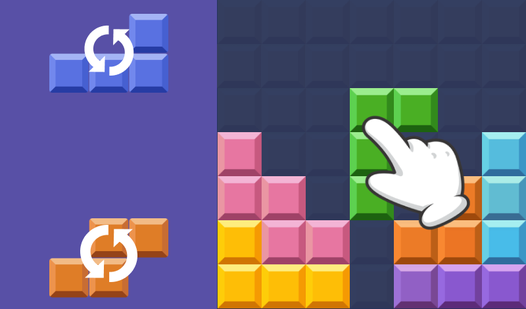
Best Block Games for Kids — TOP 15 Free Building and Puzzle Games
If you're searching for the best block games for kids, you've landed in the right place. Whether your child loves stacking colorful tiles, smashing blocks, or solving spatial puzzles, there's a huge world of free browser-based block games that are fun, safe, and genuinely educational. No app store, no installs — just pick a game and play.
Block games have been keeping kids entertained and sharp for decades. From classic Tetris-style puzzles to creative building simulators, these games come in so many flavors that every kid finds something they love. The best part? All the games in this article are completely free to play online.
Why Kids Love Block Games
Ask any kid why they love blocks, and you'll probably get a shrug followed by "because it's fun." But there's real psychology behind the appeal.
Blocks are satisfying. There's something deeply rewarding about clicking a shape into place or watching a full row disappear. That small moment of completion — that click — releases a tiny rush of dopamine. Kids feel it, even if they can't name it.
Block games build real skills. Spatial reasoning, pattern recognition, quick decision-making, number sense — these aren't side effects of block games, they're the core mechanics. A child who plays block puzzles regularly is quietly training the same mental muscles used in mathematics and engineering.
The rules are simple, but the challenge grows. Most block games take about 30 seconds to learn and a lifetime to master. Kids can jump in immediately without reading a manual, which removes the frustration barrier that stops them from trying other game genres.
They're not frustrating in a bad way. Unlike action games where a single mistake can end everything, block games usually give you space to recover. You can plan, undo your thinking, and try again. That kind of forgiving challenge is perfect for younger players building confidence.
Colorful and visually engaging. Bright colors, satisfying animations, and clean visuals make block games naturally appealing to kids who respond to visual stimuli. A well-designed block game looks like a toy — approachable and cheerful.
TOP 10 Best Block Games for Kids
Here are the ten best block games for kids you can play right now, completely free, in your browser.
1. Blocks and That's It
Simple name, powerful concept. This is a classic block puzzle where the goal is straightforward: place blocks to fill rows and columns, clear the board, and keep going as long as you can. What makes it special is how calm it feels. There's no timer, no pressure — just thoughtful placement. The game's creators even suggest it may help reduce the risk of dementia, which tells you something about the mental engagement it provides. For younger kids, it's a perfect introduction to spatial thinking.
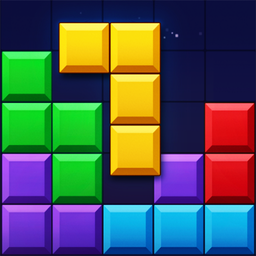
Blocks and that's it
Feeling that midday slump or need a quick mental refresh? Blocks and that's it is your perfect escape, offering a delightful challenge that sharpens y...
▶ Play Free2. Block Puzzle Gem
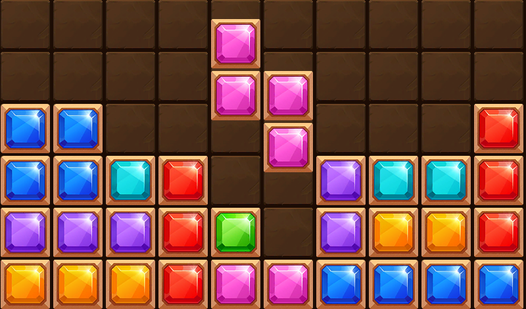
This one takes the standard block puzzle format and wraps it in sparkling, gem-toned visuals. The blocks look like precious stones — rubies, sapphires, emeralds — and the sound effects are crisp and satisfying. Every successful placement feels like finding treasure. Kids who enjoy beautiful things will gravitate toward this game naturally. The mechanics are easy to grasp: drag and drop colored gem blocks onto the grid to complete lines. The visual and audio combination makes it genuinely engaging without being overwhelming.
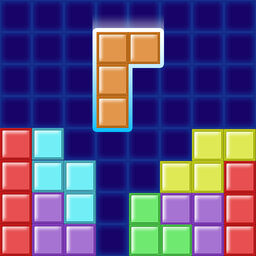
Block Puzzle Gem
Ever wondered what makes classic puzzle games so endlessly engaging? Block Puzzle Gem takes that timeless appeal and polishes it to a brilliant shine,...
▶ Play Free3. Block Puzzle: Block Builder
This game asks a slightly different question from most block puzzles: can you rotate and maneuver irregular shapes to fit them together perfectly? It's closer to a spatial jigsaw than a line-clearing puzzle. Kids have to visualize how shapes relate to each other in space, rotate pieces mentally before placing them, and plan a few moves ahead. That's legitimate geometry practice disguised as a fun game. Great for kids aged 7 and up who enjoy a slightly more strategic challenge.
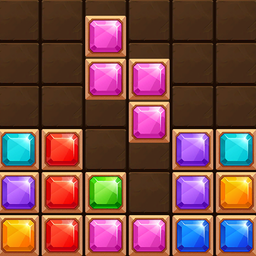
Block Puzzle: Block Builder
Puzzle lovers and fans of classic brain teasers will find Block Puzzle: Block Builder an incredibly addictive experience. This isn't just another bloc...
▶ Play Free4. Lilo & Stitch: Coloring Book for Kids
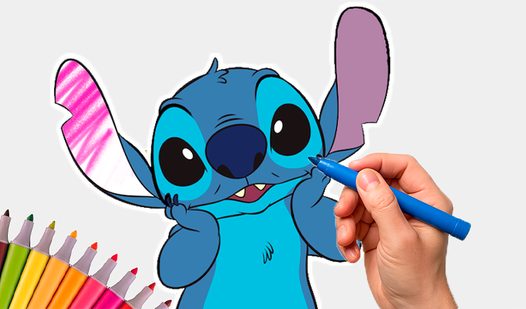
A different kind of block-based creativity: this coloring book game lets kids fill in Lilo & Stitch characters with their choice of colors, using a grid-based coloring system. It's relaxing, creative, and completely pressure-free. There's no "wrong" answer — your Stitch can be pink, your Lilo can have a purple dress. For younger children or kids who prefer artistic activities over puzzles, this is a wonderful option that still works the same color-and-pattern recognition muscles. Fan of the Disney film? Even better.

Lilo & Stitch: Coloring Book for Kids
Unleash your inner artist with Lilo & Stitch: Coloring Book for Kids, a delightful browser game where you bring your favorite Disney characters to lif...
▶ Play Free5. Block Puzzle: Falling Shapes
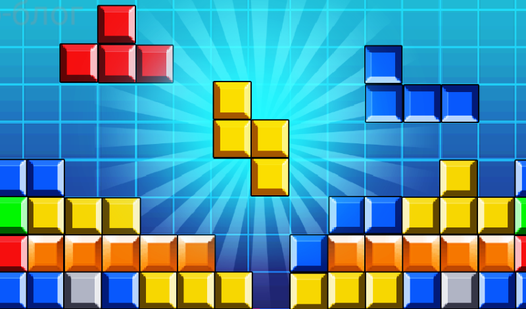
Now we speed things up. This game brings falling blocks in the Tetris tradition — shapes drop from the top of the screen and you have to position them correctly before they land. The challenge is about reaction speed and quick logical thinking. Can you see where a shape fits before it's too late? This is a great game for kids who find the slower placement-style puzzles too easy. It tests the same spatial skills but adds a time pressure element that keeps things exciting.
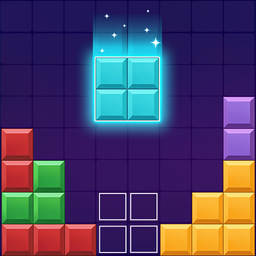
Block Puzzle: Falling shapes
Falling blocks carry a unique thrill that has defined classic gaming for generations. Block Puzzle: Falling shapes takes this timeless concept and ref...
▶ Play Free6. One Block Simulator — Mine MOD!
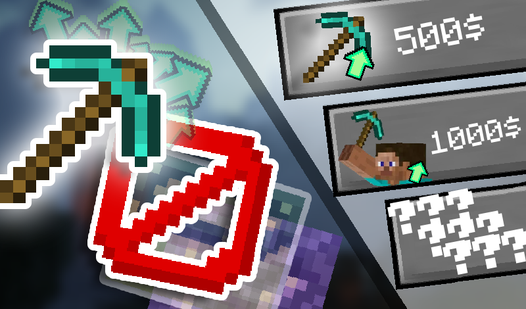
This one is inspired by the Minecraft "one block" challenge — you start with a single block, destroy it, get resources, upgrade your tools, and repeat. The loop is incredibly satisfying and very accessible. You don't need to build anything complex or follow a complicated story. Just keep destroying that block, collect what it drops, and upgrade. For Minecraft fans who want something simpler, or for kids who love the idea of mining without needing to navigate a full open world, this hits the spot perfectly.
One Block Simulator - Mine MOD!
Fans of clicker games and block breaking will find One Block Simulator - Mine MOD! completely addictive as they strive for mining dominance. You start...
▶ Play Free7. Block Blast Online
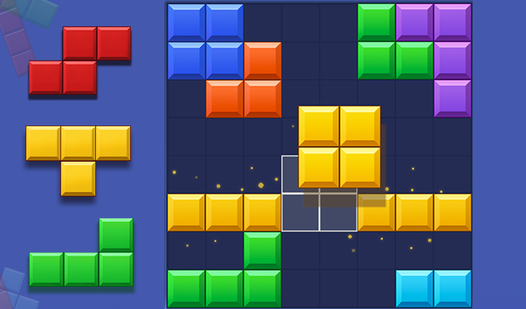
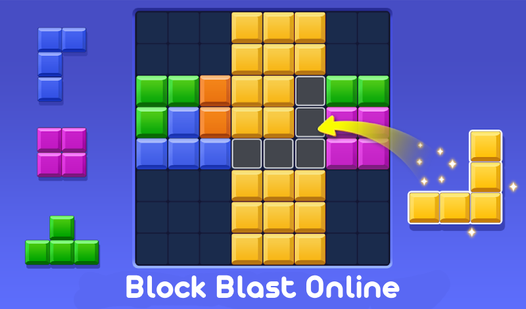
Block Blast is one of those games that becomes addictive almost immediately. You have a grid, you have a set of block shapes, and you need to place them so that complete rows or columns appear — and disappear. The more you clear at once, the higher your score. It sounds familiar, but the execution is snappy and fun. Kids quickly grasp the rule that you need to plan ahead, not just place blocks wherever there's space. It's an excellent introduction to thinking a few steps forward.
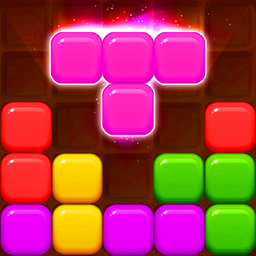
Block Blast Online
Drag and drop colorful shapes onto the 8x8 grid to clear lines and rack up high scores. Strategy is the key to success as you carefully plan your plac...
▶ Play Free8. Block Blast 2048
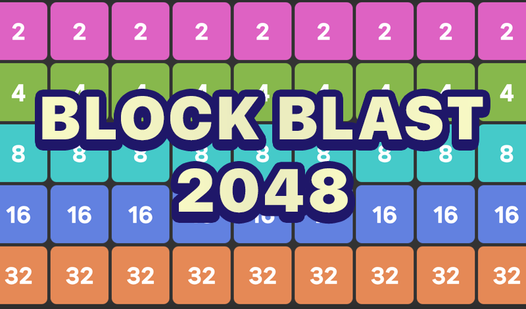
A clever mashup of two beloved puzzle genres: block placement and the 2048 number-merge mechanic. Blocks appear on the grid, and when identical numbered blocks touch, they merge into a higher number. The goal is to keep combining and avoid filling up the board. This game quietly teaches kids about powers of 2, doubling, and number patterns — concepts that show up in math class later. Even kids who claim to "hate math" often love this game, because the numbers feel like part of the puzzle, not a lesson.
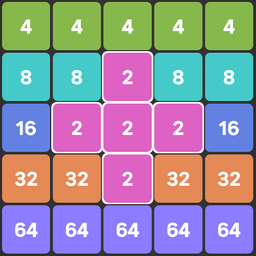
Block Blast 2048
Number merge games have a unique way of keeping your brain sharp while providing that oddly satisfying flow state. Block Blast 2048 takes this classic...
▶ Play Free9. Block Puzzle: A Puzzle with Blocks
This is a clean, well-designed falling-block puzzler that prioritizes creating solid horizontal lines. Control the falling figures, rotate them, slot them into the right gaps. Classic mechanics, reliable execution. What stands out here is how well it handles the difficulty curve — it starts gently enough for beginners and scales up naturally. For kids who want to practice spatial reasoning in a focused, no-frills environment, this is a strong choice.
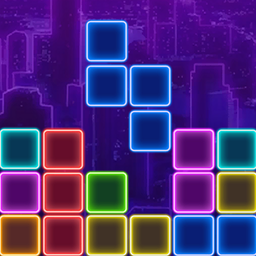
Block Puzzle: A Puzzle with Blocks
Staring at a blank screen during a midday slump is the worst, but finding the right mental distraction can turn your mood around instantly. Block Puzz...
▶ Play Free10. Jigsaw Puzzles for Kids: Trains
Our final pick steps away from abstract block shapes and goes somewhere more tangible: trains from around the world. These are jigsaw puzzles with block-shaped pieces, and each completed image reveals a real type of train — steam locomotives, bullet trains, trams. Kids learn about trains while developing fine motor skills and spatial thinking. The educational value is genuine, and the subject matter is inherently fascinating for many children. A perfect game for the train-obsessed kid in your life.
Building Block Games vs Block Puzzles
Not all block games work the same way, and it helps to know the difference when choosing something for your child.
Block puzzle games are about solving a specific challenge — clearing lines, filling spaces, matching colors. They have a correct answer (or at least a better answer) and reward logical thinking. Games like Block Blast Online and Blocks and That's It fall into this category. These games are fantastic for kids who enjoy strategy and problem-solving.
Building block games are more open-ended. You're given resources and tools, and the goal is to create something — or simply to explore. One Block Simulator sits closer to this category. These games nurture creativity and patience, letting kids experiment without a "wrong" outcome.
Coloring and creative games like Lilo & Stitch: Coloring Book occupy their own zone — block-grid-based creativity where the "puzzle" is entirely personal expression. These work especially well for younger children or kids who want something calming rather than challenging.
Number-block hybrids like Block Blast 2048 blend puzzle logic with arithmetic concepts. These are underrated as educational tools because they teach math without feeling like math.
The good news: you don't have to choose just one type. Most kids benefit from rotating between game styles — a bit of puzzle logic, a bit of creative building, a bit of fast reaction. That variety keeps things fresh and works different cognitive skills.
More Block Games Worth Trying
These five games didn't make the main top 10 but absolutely deserve a look:
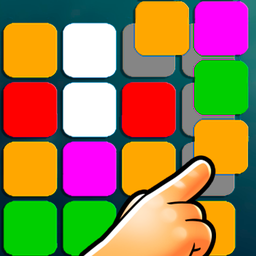
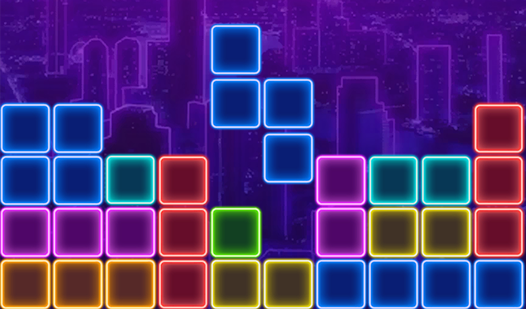
Color Block Blast
Matching games have a way of turning a dull afternoon into a high-stakes strategic showdown. Color Block Blast elevates this experience by forcing you...
▶ Play Free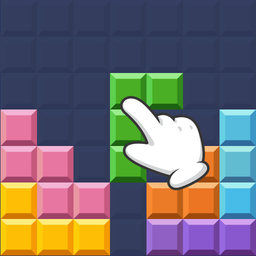
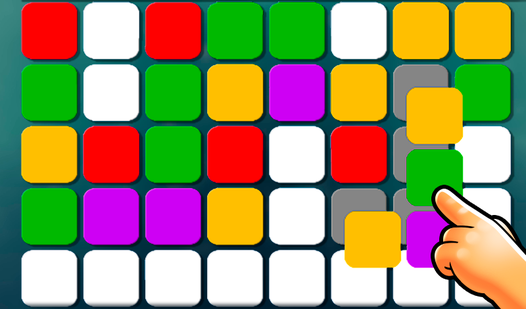
Block Puzzle Color Puzzles
Drag and drop colorful shapes onto the board to clear lines and rack up high scores in Block Puzzle Color Puzzles. You will constantly manage space wh...
▶ Play Free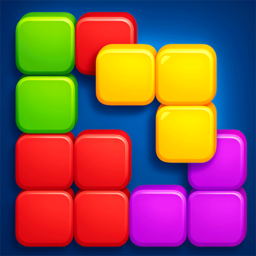
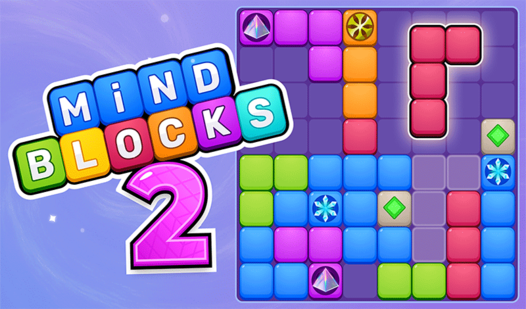
Mind Blocks 2
Strategic thinkers and block puzzle enthusiasts will find their new obsession with Mind Blocks 2. This title tests your spatial awareness and logic as...
▶ Play Free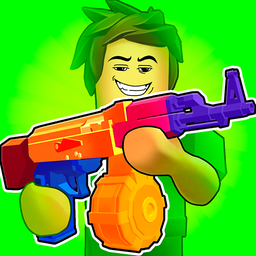
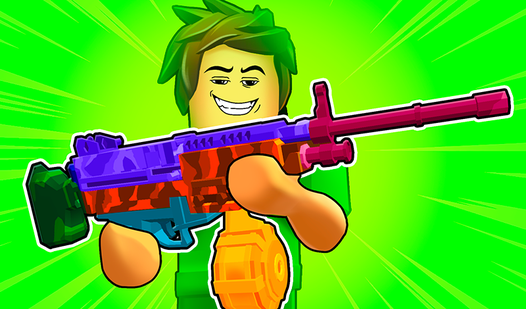
Blocks Shooter 3D! Run, Shoot, Merge Weapons!
Sprint down the track while gathering weapon components to build the ultimate gear in Blocks Shooter 3D! Run, Shoot, Merge Weapons!. This fast-paced e...
▶ Play FreeSafety Tips for Kids Playing Online
Free browser games are generally safe, but a few simple habits make the experience even better.
Play on trusted sites. FreeJoy.games curates its catalog to include only age-appropriate content. That's different from random Google searches that might lead to sites with aggressive ads or inappropriate content embedded nearby.
Watch for ads, not gameplay. The games themselves are safe. The risk is usually in ads displayed on the page. Ad-blockers help, and so does a parent glancing at the screen occasionally — not to monitor gameplay, but to spot anything that looks off.
Set time limits together. Block games are designed to be "one more turn" experiences. That's a feature for older players but can become a problem for young kids who haven't yet developed the ability to stop on their own. Set a timer before the session starts so it's never a surprise.
Play together sometimes. Co-op block gaming — even just watching and suggesting moves — is a great bonding activity. You get to see how your child thinks spatially and logically, and they get the pleasure of explaining the game to you (kids love that).
Encourage variety. If a child only plays one game obsessively, gently introduce a new one. This is especially easy with block games since so many exist and the genre is inherently varied.
Check age appropriateness. Most block puzzle games are fine for all ages. Games with combat elements (like Blocks Shooter 3D) are still mild but worth previewing if your child is very young.
Browser hygiene matters. Keep browsers updated, don't allow unnecessary browser extensions, and use a parental controls layer if your child uses the internet unsupervised.