How to Play City Building Games: Beginner's Strategy Guide
So you've decided to build your first virtual city. Maybe you've seen screenshots of massive urban sprawls with gleaming skyscrapers, or watched someone casually manage thousands of residents like it's nothing. City building games look deceptively simple — place some roads, drop a few houses, done. But the moment your budget crashes and your citizens start rioting because you forgot to build a power plant, you realize there's a lot more going on under the hood.
This guide covers everything you need to know about how to play city building games, from your very first road placement to managing a thriving metropolis. No fluff — just practical strategies that actually work.
Getting Started — Your First City
The biggest mistake beginners make is treating the tutorial like an obstacle. Go through it. Every city builder has its own quirks — what works in one game may tank your economy in another. The tutorial exists to teach you the specific rules of that game's world.
Start small and expand deliberately. When you place your first residential zone, resist the urge to immediately cover the entire map. A compact early city is easier to supply with utilities, easier to connect with roads, and much cheaper to maintain. You can always expand outward once your income is stable.
Understand win conditions early. Some games have you chasing population milestones. Others focus on profit margins or happiness ratings. Knowing what the game rewards helps you make better decisions from minute one.
Save often, experiment freely. City builders are sandbox games at heart. If your city starts spiraling — and it will, at least once — a saved game from thirty minutes ago is your best friend. Don't be afraid to try wild layouts or unusual strategies. That's how you learn what actually works.
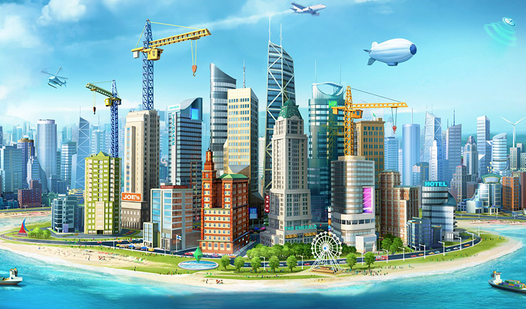
One game that eases you into the genre brilliantly is Sim City: Island Building Simulator, which allows you to build your dream city as a mayor, managing an island settlement from humble beginnings to a full urban center. The island setting naturally limits your early expansion, which is actually helpful for beginners — you're forced to optimize what you have.
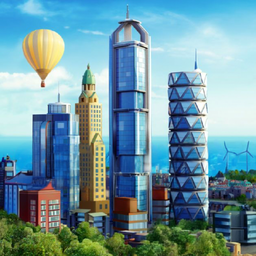
Sim City: Island Building Simulator
Staring at a blank screen while your coffee gets cold is the perfect sign that you need a creative escape. Sim City: Island Building Simulator turns t...
▶ Play FreeSet up basic infrastructure before anything else. Roads, water, power — in that order. Residential and commercial zones placed without utility connections are dead weight. They consume space and generate zero income or happiness.
Resource Management Basics
Every city building game is fundamentally a resource management puzzle. Money, population, happiness, energy, water, materials — the list varies by game, but the underlying logic is the same: supply must meet demand, and you need enough surplus to handle growth.
Money is the foundation. Your income usually comes from taxes on residential, commercial, and industrial zones. Early on, keep tax rates reasonable — too high and residents leave, too low and you go bankrupt. Most beginners err on the side of generosity, then wonder why they're perpetually broke. A tax rate of 8–10% is typically a safe starting point in most games.
Watch your upkeep costs. Every building you place has a maintenance cost. Roads, parks, fire stations, hospitals — they all drain your budget every cycle. Beginners often build services before they're needed, eating into profits. Build services reactively: when demand indicators appear, not before.
Balance your zones. A city full of only residential buildings generates population but no jobs. A city full of industry generates cash but no workers. You need a healthy ratio — roughly 40% residential, 30% commercial, 30% industrial in most standard city builders. As your city grows, commercial and services tend to expand proportionally.
Unlock upgrades strategically. Many city builders have tech trees or upgrade paths. Prioritize upgrades that boost income or reduce costs before aesthetic unlocks. A prettier city that's bankrupt isn't fun to play.
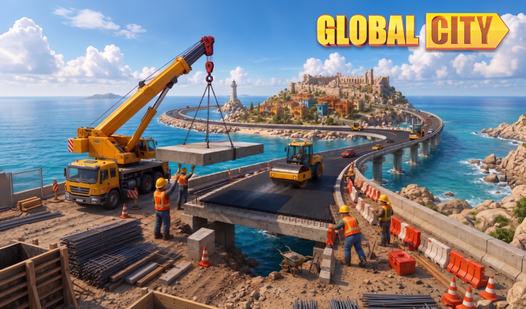
Global City gives you the opportunity to build a unique city from scratch, and its resource loop is a great example of balanced progression — you gather materials, construct buildings, and fulfill orders to earn coins, all in a cycle that teaches supply-and-demand thinking naturally.
Global City
Construct your bustling metropolis from the ground up by managing resources and optimizing infrastructure in this addictive city builder. You start wi...
▶ Play FreeKeep a cash reserve. Unexpected events — disasters, sudden population spikes, infrastructure failures — require emergency spending. Always keep at least 20% of your typical monthly income in reserve. Running on empty is how cities collapse.
City Layout Strategies That Work
Layout is where city building games separate the good players from the great ones. You can understand resources perfectly and still watch your city choke because your road network turns every commute into a nightmare.
Grid vs. organic layouts. Grids are efficient — they maximize buildable area, simplify road connections, and make zoning straightforward. Organic layouts look more realistic and can be more fun to design, but they create inefficiencies. For beginners, start with a modified grid: use straight main roads, then allow neighborhoods to have slight variations. You get efficiency without the sterility.
Separate industrial from residential. Industry produces pollution, noise, and traffic. Placing factories next to homes tanks happiness fast. Put industrial zones on the edge of the map, ideally downwind (if the game simulates wind) and separated by a buffer of commercial or green space.
Road hierarchy matters. Big arterial roads connecting major districts, medium roads for neighborhood access, small roads for individual buildings. Traffic jams in city builders aren't just aesthetic annoyances — they reduce productivity, lower happiness, and can cascade into economic downturns.
Zone in clusters, not scattered patches. A commercial zone needs customers nearby. An industrial zone needs workers. Scattering zones randomly across your map creates inefficient travel patterns. Group similar uses together, then connect them with good transit.
Plan for future expansion. Leave gaps in your early layout. A road that dead-ends now can become a major artery later. Buildings placed too tightly together with no room to add a transit hub become a problem you'll be demolishing and rebuilding at great cost.
Nubik: City Builder lets you gather resources and build a great city in a more relaxed, incremental style — perfect for practicing layout concepts without the pressure of collapsing budgets.
Nubik: City Builder
Fans of creative strategy will love the satisfying loop of resource management in Nubik: City Builder. You start your journey by gathering raw materia...
▶ Play FreeDon't neglect green space. Parks and natural areas aren't just decorative. In most city builders, they boost happiness in surrounding zones, increase land value, and help offset the negative effects of industry nearby. Integrate green corridors into your layout from the start — retrofitting them later is expensive.
Common Mistakes New Players Make
Even with solid fundamentals, certain patterns trip up nearly every beginner. Knowing them in advance saves you a lot of frustrating restarts.
Overbuilding early. You have a big empty map and it feels wasteful to leave it empty. But building more than your city needs — more roads, more services, more zones — means more upkeep than your early economy can support. Grow at the pace your income allows.
Ignoring happiness metrics. Population numbers look good, but if your citizens are miserable, they'll leave. Watch the happiness indicators actively. Common happiness killers: too much pollution, too little green space, inadequate services (hospitals, schools, fire stations), and high taxes. Address them early rather than letting them compound.
Building services too far from the zones they serve. A fire station on the far side of the map doesn't help much when a building across town catches fire. Service buildings have coverage radii — place them centrally within the zones they need to cover, not wherever there's empty space.
Focusing only on residential growth. More people sounds great until you realize more people means more demand for everything — water, power, jobs, services. Each population increase triggers a chain of additional needs. Scale your infrastructure before or alongside population growth, not after.
Neglecting the tutorial missions. Side quests and tutorial objectives in city builders often reward you with resources, unlocks, or cash that significantly ease the early game. Skipping them to "play freely" usually means a harder mid-game.
Build a Cyberpunk City with Robby at Robux takes a totally different angle — it allows you to create a cyberpunk city of the future, and its progression is refreshingly forgiving, making it ideal for players who want to experiment with layout ideas without severe consequences for early mistakes.

Build a Cyberpunk City with Robby at Robux
Fans of the iconic roblox aesthetic will find their new obsession in this immersive urban simulator. Build a Cyberpunk City with Robby at Robux lets y...
▶ Play FreeForgetting to specialize. As your city grows, you'll often have the option to specialize — becoming a tech hub, a tourist destination, an industrial powerhouse. Beginners often try to do everything equally and end up doing nothing well. Picking a direction and investing in it tends to produce better results.
Not reading building descriptions. Every building tells you what it does, what it needs, and what it produces. Many beginners skip these and place buildings based on guesswork. Two minutes reading building descriptions can save twenty minutes of troubleshooting later.
Best City Building Games for Beginners
The genre spans a huge range — from ultra-detailed simulations to casual, relaxed builders. Here are some standout picks for different playstyles.
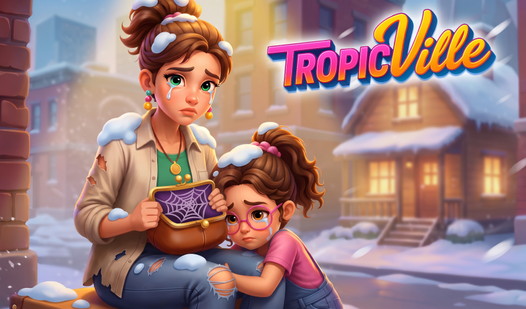
If you want a chill, creative experience: TropicVille is a merge puzzle game where you transform a beach town into a tropical paradise. The merge mechanic makes city growth feel like solving a satisfying puzzle rather than managing a spreadsheet, which is perfect if you want to ease into city building without number-heavy resource management.

TropicVille
Did you know that merge games are renowned for their ability to provide both a relaxing escape and a satisfying challenge? In TropicVille, you'll get ...
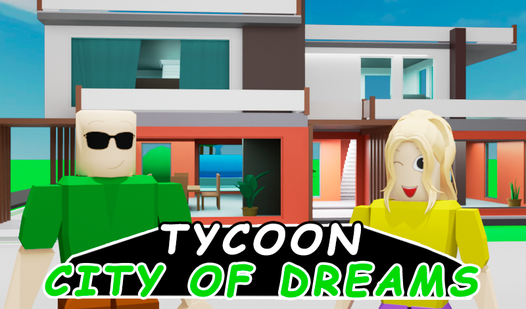
▶ Play FreeIf you like tycoon-style economics: Tycoon: City of Dreams puts financial management front and center, letting you build a city while chasing profit targets and managing business relationships. It's ideal for players who enjoy the economic strategy layer of city building.
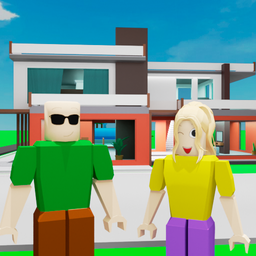
Tycoon: City of Dreams
Staring at a blank screen during a midday slump is the worst, but you can turn that boredom into a sprawling urban empire in seconds. Tycoon: City of ...
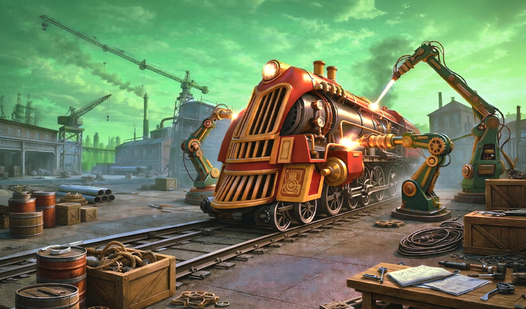
▶ Play FreeIf you enjoy historical or themed settings: Steam City drops you into a steampunk world where industrial-age infrastructure is the foundation of everything. The aesthetic is unique and the mechanics reward careful planning of your steam-powered networks.
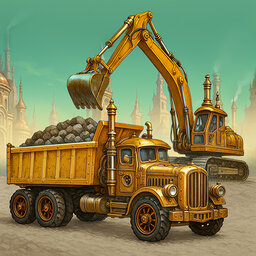
Steam City
Staring at a blank screen while your coffee gets cold is the perfect sign that you need a quick mental escape. Steam City turns that downtime into a h...
▶ Play FreeIf you like rapid progression and unlocks: Ice Tycoon delivers fast-paced city building with a cool arctic twist. The quick unlock loop makes it satisfying to play in shorter sessions.
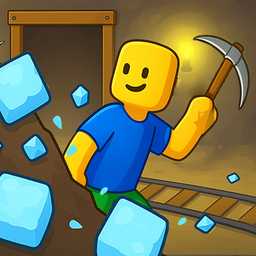
Ice Tycoon
Strategic thinkers and management experts will find Ice Tycoon to be a brilliant challenge that tests their resourcefulness under pressure. Your prima...
▶ Play FreeIf you enjoy obstacle courses mixed with building: Obby: Build an Island! combines platformer elements with island construction, making it a fun entry point for players who find pure city management games a bit dry.

Obby: Build an Island!
Building a custom paradise from scratch is the ultimate dream for anyone who loves a good creator sim. Obby: Build an Island! lets you escape the dail...
▶ Play FreeIf you enjoy vertical challenges: Tower Master: Collect & Build challenges you to build upward rather than outward, which teaches a very different kind of spatial thinking that translates well back to traditional city builders.
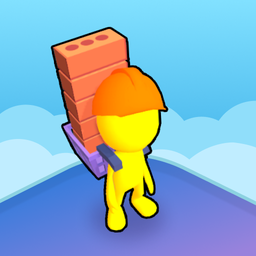
Tower Master: Collect & Build
Staring at a blank screen during a lunch break often feels like a missed opportunity to build something grand. Tower Master: Collect & Build turns tha...
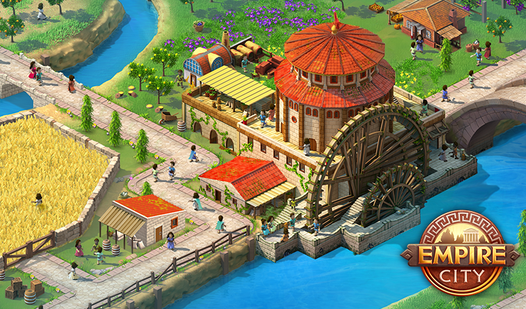
▶ Play FreeIf you want grand scale strategy: Empire City lets you grow from a small settlement to a vast empire, incorporating elements of both city building and light strategy that make it engaging for players who want more scope to their construction ambitions.

Empire City
Managing a sprawling civilization from the ground up offers a unique thrill that few strategy games truly capture. Empire City puts the fate of an ent...
▶ Play FreeThe best way to improve at city building games is simply to play a variety of them. Each one teaches different habits and problem-solving approaches. A player who has managed resources in Global City and laid out zones in Sim City: Island Building Simulator will bring valuable intuition to any new city builder they pick up.