How to Play Anime Tactical Simulator: Beginner's Guide
If you've been searching for how to play anime tactical simulator games and feeling overwhelmed by the mechanics, you're in the right place. These games blend the visual flair of anime with deep strategic thinking — and once you get the core concepts down, they become incredibly addictive. This guide covers everything from your first deployment to advanced battle tactics, plus some great simulator games you can jump into right now on FreeJoy.
What Is an Anime Tactical Simulator
An anime tactical simulator is a genre of online games where you recruit anime-style characters (often called units, heroes, or fighters), place them on a battlefield or grid, and watch them clash against waves of enemies or rival players. The "simulator" part means the combat largely plays out automatically — your job is the setup, the strategy, and the upgrades, not clicking individual attacks.
These games pull from a rich mix of inspirations: tower defense classics, auto-chess, gacha mechanics, and Japanese RPG aesthetics. Characters are usually inspired by popular anime archetypes — the overpowered swordsman, the ranged mage, the support healer, the tank guardian. Each unit has its own stats, abilities, and roles, and the entire challenge is figuring out which combinations work best against which enemy types.
What makes the genre special is the layer of collection and progression underneath the battles. You're not just playing matches — you're building a roster, leveling up favorites, and hunting for rare units that can turn the tide of a fight you'd otherwise lose. That loop of collect → upgrade → battle → repeat is what keeps players coming back for hundreds of hours.
The genre spans a huge range of complexity. Some anime tactical simulators are extremely casual: drag units onto a field and watch the action. Others have deep skill trees, PvP ranking systems, guild mechanics, and limited-time event units that require careful planning to unlock.
Before you start stressing about the advanced stuff, let's break down the core gameplay loop that almost every game in the genre shares.
How to Place Units and Build Your Army
Knowing how to place units is the single most important skill in any anime tactical simulator. Bad positioning with great units will lose you fights. Smart positioning with average units can win you fights you have no business winning.
Understand your grid or deployment zone
Most games give you a designated area where you can place units — often the left side or bottom rows of a battlefield. Enemies spawn from the opposite side and march toward your base or goal. Your deployment zone is limited, so you can't just stack everything in one spot.
Before placing a single unit, look at the map. Ask yourself:
- Where do enemies enter from?
- Are there chokepoints (narrow paths) I can exploit?
- Is there high ground or cover that boosts certain unit types?
Know your unit roles
Every unit in an anime tactical simulator belongs to one of a few core roles. Getting the mix right is the foundation of any good army.
- Tanks / Frontliners — High HP, low mobility. These go at the front to absorb damage and protect your squishier units. Put them in the path of incoming enemies.
- DPS / Damage dealers — High attack, lower defense. Place them behind your tanks so they can attack without getting hit first.
- Ranged units — Archers, gunners, mages. They attack from a distance, so placing them at the back row lets them contribute without ever being in danger.
- Healers / Support — Some games include units that restore HP or buff allies. Keep these protected at all costs — losing your healer mid-battle usually means losing the battle.
- AOE units — Characters who damage multiple enemies at once. These shine in chokepoints where enemies cluster together.
Synergies and team composition
Most anime tactical simulators reward you for building teams with complementary abilities. You might get a bonus when you field three "fire element" units together, or a damage multiplier when you combine a specific attacker with a specific buffer. Always check your unit descriptions for keywords like "fire," "blade," "beast," or "celestial" — these are usually synergy tags.
A balanced starting composition looks something like: 2 tanks, 2 damage dealers, 1 ranged unit, 1 support. As you learn the game, you'll find broken combinations and optimize toward those, but this baseline works in almost any game when you're just getting started.
Upgrades before deployment
Never go into a hard battle with under-leveled units if you can help it. Between matches, spend your currency on:
- Level upgrades (raw stat boosts)
- Star/rank upgrades (unlock new abilities)
- Equipment (passive stat bonuses)
Even a marginal power boost can be the difference between winning and wiping.
Stone Miner Simulator - Mine MOD!
Smash through endless blocks and collect precious ores to build your underground empire in Stone Miner Simulator - Mine MOD!. Clicking rapidly to brea...
▶ Play FreeBest Strategies for Winning Battles
Once you have solid unit placement habits, these strategies will sharpen your results across almost any anime tactical simulator you play.
1. Scout the enemy lineup first
Many games show you enemy unit types before the battle starts. Use this information. If you see a lot of magic-type enemies incoming, prioritize units with high magic resistance. If you spot fast-moving enemies, place your tanks closer to your spawn point so they have less time to breach your lines.
2. Prioritize economy early
In games with resource systems (gold, mana, energy), resist the urge to spend everything immediately. Building up your economy in the first few waves often lets you deploy stronger units later that carry the mid and late game. Spending everything on cheap early units can leave you helpless when the real threats arrive.
3. Watch the first battle before adjusting
If a game lets you watch a battle play out and then retry or modify your lineup, always watch the first attempt in full. You'll see exactly where your formation breaks down — which unit dies first, where enemies cluster, which enemies your DPS can't handle. That information is worth more than any guide.
4. Don't neglect your bench
Most anime tactical simulators let you carry more units than you can deploy. Keep a few alternative units leveled up as backup options. Some stages are specifically designed to counter certain team archetypes, and having a flexible bench means you can swap around instead of getting hard-countered.
5. Learn the attack priority system
Units don't always attack the closest enemy. Some target the lowest HP enemy. Some target the strongest. Some attack randomly. Understanding which of your units targets what — and which enemy units do the same — unlocks a new level of play. For example, if your healer is being targeted and dying, it might be because enemies prioritize low-defense targets. Solution: put a decoy tank nearby or reposition.
6. Use your special abilities at the right moment
Many games have active abilities — powerful skills you trigger manually rather than automatically. These have cooldowns, so timing matters. The classic mistake is using a big AOE ability on the first wave of weak enemies when you should save it for the boss that arrives on wave 10. Hold your cooldowns until they'll have maximum impact.
7. Explore different game modes
Anime tactical simulators typically offer more than just the main campaign. There are usually:
- PvP arenas — Test your team against other real players
- Raid/Boss modes — Cooperative or solo fights against giant enemies
- Endless/survival modes — See how far you can go with no exit
- Story chapters — Unlock new units and lore
Each mode teaches you something different about the game. PvP in particular forces you to think about what the meta team compositions are, because you're not fighting a scripted AI anymore.
One Block Simulator - Mine MOD!
Fans of clicker games and block breaking will find One Block Simulator - Mine MOD! completely addictive as they strive for mining dominance. You start...
▶ Play Free8. Join the community
This sounds simple, but it's one of the most effective strategies. Every popular anime tactical simulator has a community on Reddit, Discord, or dedicated wikis where players share tier lists, team comps, and stage-specific guides. The time investment to find these resources is usually trivial compared to the hours you'll save not figuring things out by trial and error.
9. Don't sleep on the gacha
If your game has a gacha system (random unit draws), understand the rates before you spend hard-earned premium currency. Most games have a "pity system" — a guaranteed rare unit after X pulls. Save your currency for limited banners featuring units that are genuinely strong, not just visually appealing. It's an easy trap to spend on a flashy character who turns out to be mid-tier.
10. Upgrade your base/facility too
Many games have a meta-progression system: a base, guild hall, research tree, or workshop that passively boosts your units. Players who ignore these fall behind, because the bonuses compound over time. Spend a few minutes each session advancing these systems even if it feels slow.
Top Anime Tactical Simulator Games to Try
FreeJoy has a huge library of simulator and strategy games you can play right in your browser — no downloads, no installs. While the tactical genre is massive, the simulator games on the platform offer the same satisfying loop: build something, watch it grow, push further, collect more. Here are some standout picks.
Brawl Boxes Mega Simulator is one of the most popular titles on the platform. You're opening ultra-boxes from the Brave Stars universe, collecting unique items with every pull. The anticipation of each box — what's inside, how rare is it — scratches the same itch as collecting units in a tactical RPG.
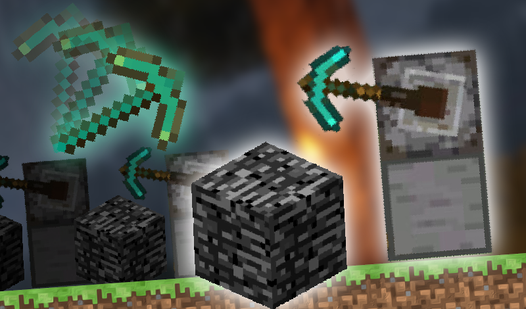
For players who enjoy the resource management side of tactical games, Stone Miner Simulator delivers a deeply satisfying loop. Break blocks, collect resources, and build up your mining operation. Managing what to mine, when to upgrade, and how to maximize income is strategy in its purest form — just without the combat.
Stone Miner Simulator - Mine MOD!
Smash through endless blocks and collect precious ores to build your underground empire in Stone Miner Simulator - Mine MOD!. Clicking rapidly to brea...
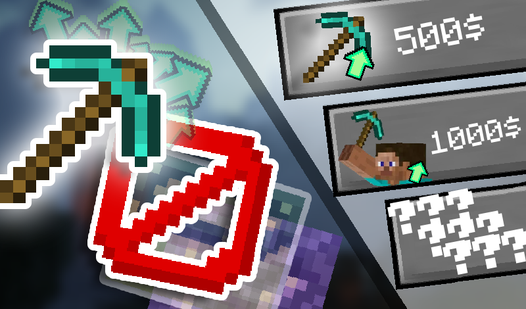
▶ Play FreeOne Block Simulator takes the mining concept and strips it to the essentials: one block, infinite potential. Upgrade your drill, boost your power, increase your income. It's a tight, focused game that teaches you quickly that incremental gains compound into massive results — exactly the same lesson that makes tactical simulators rewarding.
One Block Simulator - Mine MOD!
Fans of clicker games and block breaking will find One Block Simulator - Mine MOD! completely addictive as they strive for mining dominance. You start...
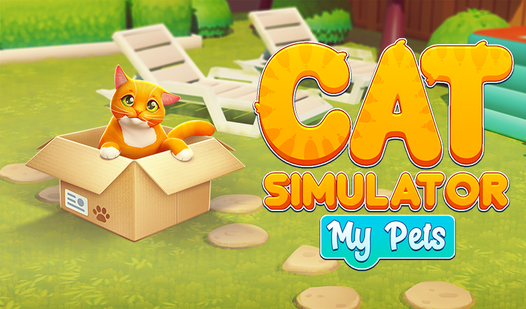
▶ Play FreeIf you want something with a softer touch between strategy sessions, Cat Simulator: My Pets lets you rescue and care for stray kittens, each with unique personalities. It's a palate cleanser that's every bit as engaging as something more intense, just in a different direction.

Cat Simulator: My Pets
Navigate a vibrant world through the eyes of a nimble feline in Cat Simulator: My Pets. You spend your days patrolling your cozy home, tossing toys, a...
▶ Play FreeStarr Drop Simulator brings the Brawl Stars universe to life with box-opening mechanics for fighters, skins, icons, badges, and titles. Chasing rare drops has the same pull as hunting five-star units in a gacha tactical game — and the collection system is genuinely deep.
Beyond those featured titles, here's a quick rundown of other simulator games worth checking out on FreeJoy:
Simulator Case: Stanok 2 offers a satisfying case-opening experience with its own progression system.
Robby: Lucky Blocks, Simulator! adds a fun randomness element that keeps every session feeling fresh.
Obby: Lumberjack Life Simulator! gives you a full virtual career as a lumberjack, with all the resource management that implies.
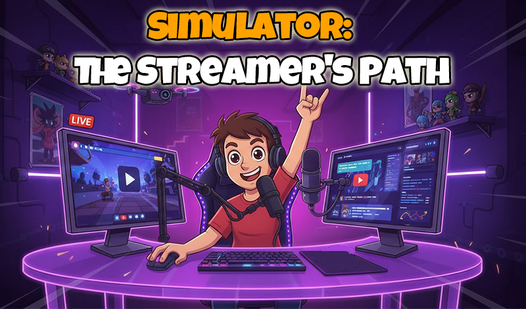
Simulator: The Streamer's Path is a unique take on simulation — build a streaming career from scratch, make decisions, grow your audience. Strategy and simulator mechanics combined in a relatable package.

Simulator: The Streamer's Path
Managing a virtual broadcast career allows you to climb the ranks from a bedroom enthusiast to a global internet celebrity. You start by selecting tre...
▶ Play FreeStandoff 2 Simulator: Cases and Case and Box Simulator Standoff 2 both tap into the addictive case-opening loop from the Standoff universe, with plenty of rare items to hunt.
Tips Specifically for Beginners
A few extra pointers that don't fit neatly into the other sections but make a real difference when you're just starting out:
Don't try to use every unit you get. Early on, you'll collect units faster than you can level them up. Pick four to six favorites and focus your resources there. A few highly-upgraded units beat a large roster of weak ones every time.
Read the tutorial, even if it's slow. Every anime tactical simulator has unique mechanics that you won't guess on your own. The tutorial exists to explain what makes that specific game different. Skipping it means you'll spend your first few hours confused about basic systems.
Check for daily missions and login bonuses. These are almost always the most efficient source of premium currency and upgrade materials. Many players ignore them early and then wonder why they're behind the curve on resources.
Don't rage-spend on gacha. Set a mental budget for premium pulls before you start a game and stick to it. The gacha in these games is designed to feel like you're "so close" to something great. Often you are. But chasing that feeling without a limit leads to burning through resources you'd have used better elsewhere.
Watch replays of wins and losses. When a game offers battle replays, use them. Watching yourself win tells you what's actually working (versus what you thought was working). Watching yourself lose shows you exactly where your strategy broke — and it's almost never where you expected.
Try different strategies before deciding something is bad. A unit or strategy that seems weak might just need a different support around it. The tactical simulator genre rewards experimentation, and some of the strongest compositions are counter-intuitive on paper.