What Is Parkour Games? Best Free Picks Online
If you've ever asked yourself what is parkour games and why literally everyone seems to be jumping between rooftops, grinding rails, and wall-running through impossible obstacle courses — you're in the right place. Parkour games are one of the most satisfying genres in casual and browser gaming: pure movement, pure skill, and that incredible rush when you finally nail a jump you've been failing for the last twenty minutes.
This guide covers everything you need to know about parkour games — what makes them tick, the best free examples you can play right now, how they differ from similar genres like obbies, and how to actually get good at them.
What Are Parkour Games?
Parkour is a real-world movement discipline that originated in France. The idea is simple: get from point A to point B as efficiently and fluidly as possible, using your body to overcome any obstacle in the environment — walls, gaps, rails, rooftops, you name it. No equipment, just movement.
Parkour games bring that idea into a digital space. They're all about navigating a sequence of platforms, obstacles, and jumps using precise timing and movement mechanics. The core loop is: attempt → fail → understand why → try again → succeed → feel amazing. That cycle is genuinely addictive, and it's why the genre has exploded in browser gaming over the last decade.
What makes a game a "parkour game" specifically? A few things:
- Precision platforming — jumps have to be timed and aimed carefully
- Movement as the main mechanic — running, jumping, climbing, and sometimes sliding or wall-running are the entire game
- Obstacle-based level design — the course itself is the challenge
- Progressive difficulty — early stages teach you mechanics, later stages demand mastery
- Replayability — you can always do it faster, cleaner, or with fewer fails
The genre ranges from straightforward block-jumping adventures to wild physics experiments where gravity shifts mid-run or your character accelerates with every click. That variety is part of the appeal — once you've mastered one parkour game, there's always another that will humble you all over again.
Skebob: Obby Parkour
Staring at a blank screen during your lunch break is the worst, but your boredom ends the moment you start climbing. Skebob: Obby Parkour serves up th...
▶ Play FreeBest Parkour Games to Play Online for Free
You don't need to install anything or pay for a subscription to enjoy great parkour gaming. FreeJoy.games hosts a solid collection of parkour titles that run directly in your browser. Here are the standout picks, organized by what makes each one special.
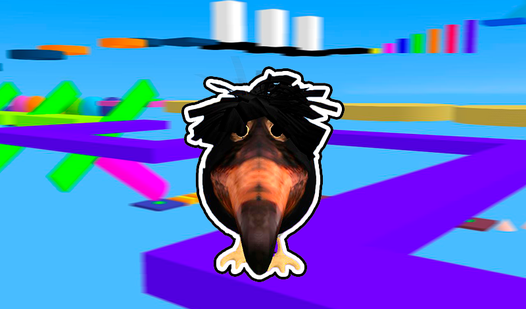
Skebob: Obby Parkour
A classic Roblox-inspired obby parkour experience with colorful block-based levels and steadily increasing difficulty. Skebob starts simple enough — wide platforms, forgiving jumps — but quickly introduces tighter gaps, moving platforms, and sections that demand near-perfect timing. It's great for beginners who want to build their parkour intuition before tackling harder titles. The visual style is cheerful and clear, which actually matters: you can read the level layout at a glance without squinting.
Skebob: Obby Parkour
Staring at a blank screen during your lunch break is the worst, but your boredom ends the moment you start climbing. Skebob: Obby Parkour serves up th...
▶ Play FreeObby with Friends Online
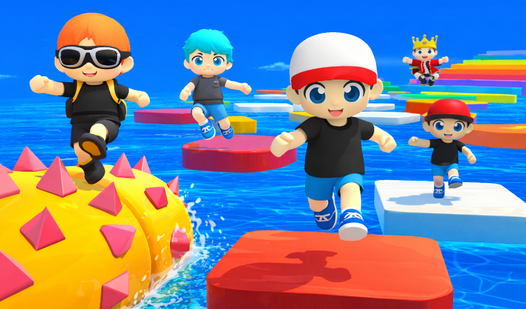
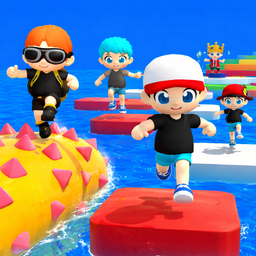
Parkour is more fun when someone else is also falling off the same platform. Obby with Friends Online adds a multiplayer layer to the classic obstacle course format — you race through the same stages simultaneously, which turns every section into a mini-competition. There's something uniquely motivating about watching another player nail a jump you just failed. You'll try harder, you'll laugh more, and you'll inevitably blame lag for your mistakes. It's the social version of parkour, and it works extremely well.
Obby with Friends Online
Stuck in a boring meeting or just need a quick escape from reality, Obby with Friends Online is the perfect digital playground to recharge. This vibra...
▶ Play FreeNoob Skyblock Parkour
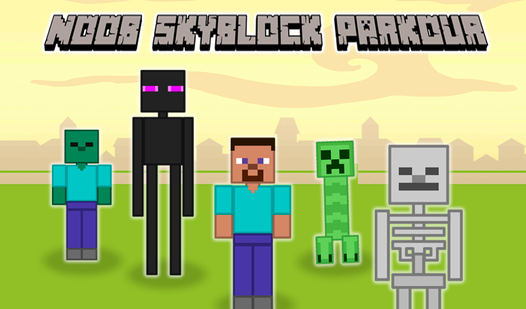
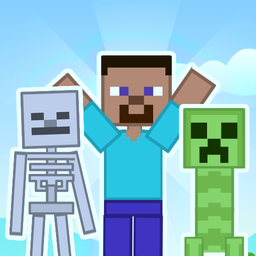
The "noob" branding is a little misleading here — Noob Skyblock Parkour gets tough fast. The game combines the floating island aesthetic of Skyblock with parkour challenge stages, which means you're jumping between small platforms suspended over a void. There's no safety net, literally. Miss a jump and you're back to the start of that section. The stripped-down visual style keeps the focus entirely on your movement, and the progression curve feels well-calibrated: hard enough to feel like an achievement, not so hard that it stops being fun.
Noob Skyblock Parkour
Parkour fans and fans of challenging geometry style obstacles will find their new favorite addiction in Noob Skyblock Parkour. You take control of a d...
▶ Play FreeObby: Dig Down
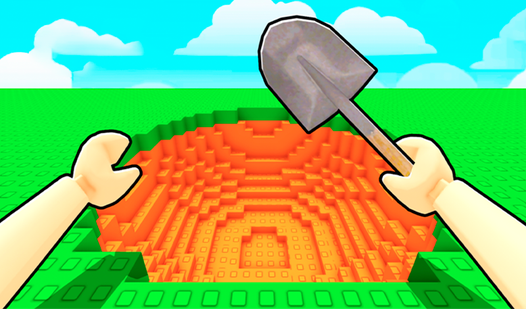
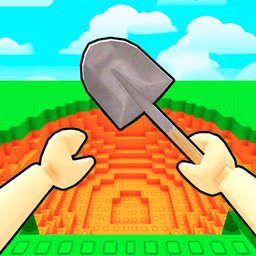
A creative twist on the standard parkour format — instead of climbing up or running forward, you're digging and moving downward through layers of obstacles. Obby: Dig Down flips the typical level progression, which sounds simple but genuinely changes how you think about movement and timing. Gravity becomes your friend and enemy at the same time. The further down you get, the more complex the obstacle arrangements become. It's a fresh take that parkour veterans will appreciate.
Obby: Dig Down
Fans of digging simulators and block-breaking challenges will find their new obsession in Obby: Dig Down. This addictive mining adventure tasks you wi...
▶ Play FreeFunny City: Gopniks
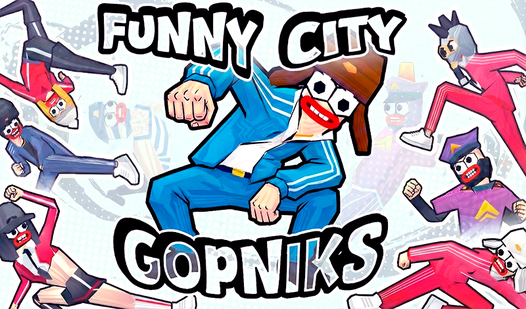
Not every parkour game has to be a serious obstacle gauntlet. Funny City: Gopniks brings an absurd, comedic energy to the genre with its chaotic urban setting and goofy character physics. The movement still requires skill, but the whole vibe is looser and more playful. It's the game you pull up when you want parkour energy without the frustration — great for winding down after grinding through something harder.

Funny City: Gopniks
Fans of chaotic sandbox adventures and gritty urban street life will find their new obsession in Funny City: Gopniks. This wild open-world experience ...
▶ Play FreeMore Titles Worth Your Time
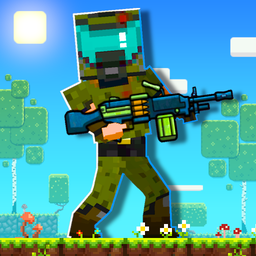
The catalog goes deeper. Noob Legends Dungeon Adventures takes parkour mechanics into a dungeon-crawling context — you're still jumping and timing, but the environment has an RPG-lite feel to it.
Noob Legends Dungeon Adventures
Saving a damsel in distress from a villainous rival is a classic trope, but Noob Legends Dungeon Adventures turns this rescue mission into a chaotic s...
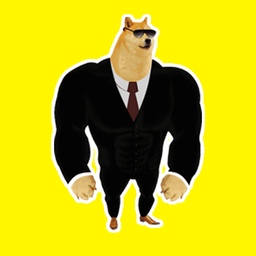
▶ Play FreeCome in Here keeps things mysterious and minimal — the level design does the talking.
Come in here
Navigate through vibrant 3D environments while hunting for hidden diamonds and unraveling quirky secrets. Come in here challenges you to master moveme...
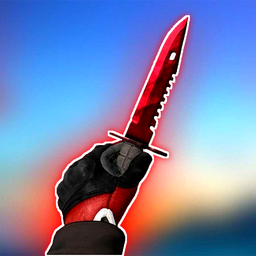
▶ Play FreeGRAVITATION - Parkour with Knives is exactly as intense as it sounds. Gravity-flipping mechanics combined with a genuinely dangerous obstacle environment makes this one of the higher-skill-ceiling parkour titles in the collection.
GRAVITATION - Parkour with Knives
Speed freaks and adrenaline junkies gravitate toward the high-octane action found in GRAVITATION - Parkour with Knives. This title pushes your reflexe...
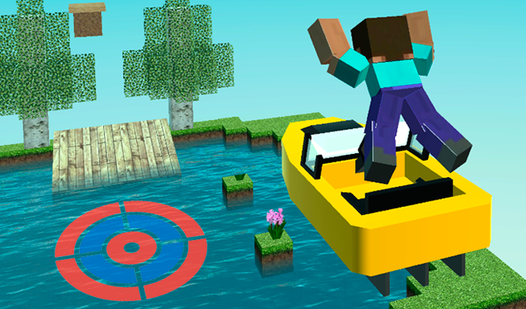
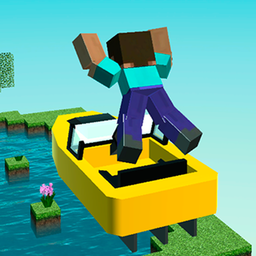
▶ Play FreeNubik Parkour on a Jet Ski throws conventional parkour design out the window entirely. You're doing obstacle courses on a jet ski, which introduces momentum and vehicle physics into the mix. It's chaotic and hilarious.
Nubik Parkour on a Jet Ski
Speed across shimmering waves as you guide a blocky hero through wild courses in Nubik Parkour on a Jet Ski. This high-octane experience turns simple ...
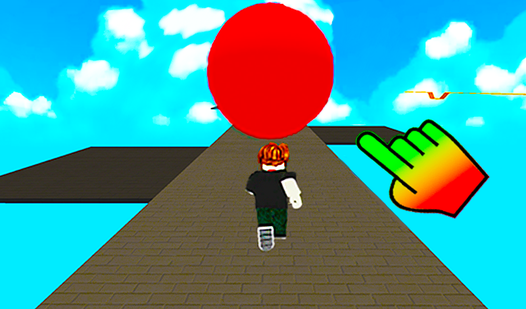
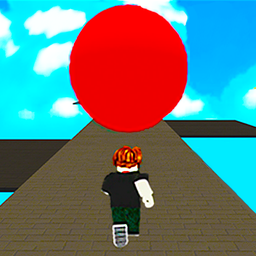
▶ Play FreeRobby +1 To Speed Per Click is a meta twist — your character literally speeds up every time you click, turning the game into a race against your own accelerating momentum. What starts as manageable quickly becomes a full-speed blur.
Robby +1 To Speed Per Click
Staring at the screen during a dull afternoon often feels like time is standing still, but a quick sprint can turn that boredom into pure adrenaline. ...
▶ Play FreeObby: Climb Up and Slide Down on Minecarts blends platforming with minecart sections, creating a mixed-movement experience where you're constantly switching between foot-based parkour and vehicle momentum.
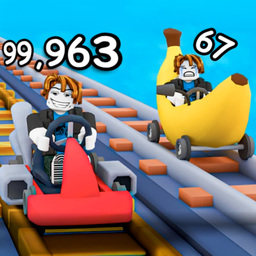
Obby: Climb Up and Slide Down on Minecarts
Staring at a blank screen during a lunch break often feels like a chore, but Obby: Climb Up and Slide Down on Minecarts turns those dull moments into ...
▶ Play FreeRobbie: The Magic Tycoon adds a tycoon management layer on top of the movement gameplay — a genre mashup that sounds unlikely but creates interesting progression incentives.

Robbie: The Magic Tycoon
Craft powerful potions and manage a bustling factory in Robbie: The Magic Tycoon to become the ultimate spellcaster. You will gather resources, expand...
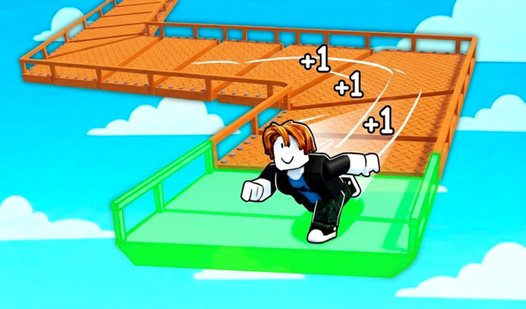
▶ Play FreeObby: +1 Bridge Builder gives you agency over the level itself — you're building the path as you go, which adds a puzzle element on top of the standard parkour execution challenge.
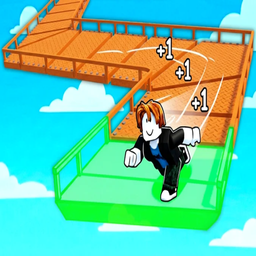
Obby: +1 Bridge Builder
Fans of creative construction challenges will find endless satisfaction in Obby: +1 Bridge Builder as they race to conquer massive obstacle courses. Y...
▶ Play FreeObby: Find 100 Cats is a collectible-hunting parkour adventure where exploration matters as much as speed. Cats are hidden in corners, on ledges, and behind tricky jumps throughout the levels.
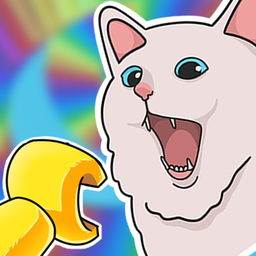
Obby: Find 100 cats
Scouring complex environments to spot hidden kittens is the ultimate test of your observation skills in Obby: Find 100 cats. Navigating tricky platfor...
▶ Play FreeHide and Seek Online shifts the perspective entirely — instead of racing through obstacles, you're either hiding from or hunting down other players, with the parkour environment serving as your playground.
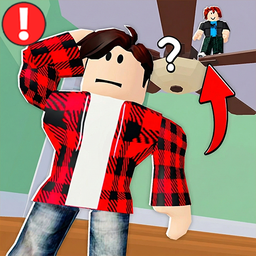
Hide and Seek Online
The classic childhood game of hide and seek gets a massive digital upgrade that turns every room into a high-stakes playground. Hide and Seek Online t...
▶ Play FreeParkour vs Obby — What's the Difference?
You'll notice that many of the games above have "obby" in the title. This is a fair thing to be confused about — are parkour games and obby games the same thing?
Short answer: they're cousins, not twins.
Obby is short for "obstacle course" — a term that became popular through Roblox, where the game type dominated for years. Obby games are defined by sequential obstacles you have to clear to progress, usually on a fixed path. The obstacles can be anything: moving platforms, spinning blades, timed gates, crumbling sections.
Parkour games share that obstacle-based structure but emphasize how you move through the space. In a pure parkour title, the movement itself is the mechanic: wall-running, mantling, precise edge-grabs, chained jumps. The aesthetic often skews toward real-world urban settings — rooftops, scaffolding, city streets — though the Roblox-style block world version is just as common.
In practice, many games are genuinely both. "Obby Parkour" as a combined genre label describes games where you have the sequential obstacle structure of an obby with the movement-focused mechanics of parkour. Most of the featured titles here sit comfortably in that overlap zone.
The distinction matters if you're looking for something specific:
- Want a pure skill-movement challenge? Look for games that explicitly label themselves as parkour with wall-running or speed mechanics.
- Want a more casual obstacle experience with checkpoints and variety? Classic obbies are the better fit.
- Want both at once? The "obby parkour" games in this list are exactly that.
Key Mechanics in Parkour Games
Understanding what's actually happening under the hood helps you improve faster. Here are the core mechanics you'll encounter across parkour games:
Jump Timing
Almost every parkour game runs on a jump mechanic with a specific window. Press too early on an edge and you fall short. Press too late and you're off the platform entirely. The "coyote time" mechanic — a small window after you've walked off an edge where you can still jump — exists in many games to make this feel fairer, though not all browser titles implement it.
Momentum and Speed
Better parkour games reward maintaining your speed. Running into a jump carries more distance than jumping from a standing start. This encourages fluid movement over stop-and-go caution — which is closer to real parkour philosophy anyway.
Wall Interactions
Some parkour titles include wall-running, wall-jumping, or wall-climbing. These mechanics dramatically expand what's possible in a level and typically mark the higher end of skill expression. A basic wall-jump lets you scale areas that would be unreachable otherwise; mastering the timing is one of the bigger learning curves in the genre.
Checkpoints
Browser parkour games almost universally use checkpoint systems rather than forcing you back to the very beginning on every fail. The checkpoint spacing varies wildly — some games checkpoint every few obstacles, others make you earn checkpoints by reaching significant milestones. Denser checkpoints lower the frustration ceiling; sparser checkpoints raise the stakes and the satisfaction when you do clear a section.
Physics Models
The feel of a parkour game lives and dies by its physics. Heavy, floaty physics that don't punish you much can feel sluggish. Tight, responsive physics that punish every misread feel satisfying when you're in the zone and brutal when you're not. Most successful parkour games land somewhere with fast acceleration, moderate gravity, and clear visual feedback for when you're on versus off a surface.
Tips for Mastering Parkour Games
Getting genuinely good at parkour games isn't about reflexes alone — it's about reading levels, understanding your movement, and managing your own frustration. Here's what actually helps:
1. Watch the platform before you jump
New players often start moving immediately and react to the jump as it's happening. Better players pause briefly on each platform to read what's coming — the gap size, whether anything is moving, where they need to land. Half a second of observation saves you five seconds of respawning.
2. Learn the jump arc, not just the destination
Your character follows a specific arc when you jump. Learning to feel that arc — how far it carries at full speed, how different it looks at partial speed — is more useful than memorizing where exactly each jump needs to land. The arc transfers between situations; the memorized coordinate doesn't.
3. Fail forward, not backward
When you fail a section multiple times, identify the specific moment of failure. Did you over-jump? Under-jump? Were you off-center? Each failure gives you information. The mistake is failing the same way repeatedly without adjusting.
4. Use sound cues
Many parkour games have audio feedback for landing, wall-touching, or checkpoint activation. Pay attention to these. Sound confirmation that you've landed correctly is often faster than visual confirmation, and it keeps your eyes free to look at what's next.
5. Take breaks after frustration sets in
This is the most underrated tip. When you've failed the same obstacle fifteen times in a row, your performance actually gets worse — tension in your hands, pattern-matching breaking down, focus narrowing to just the obstacle that's been beating you. Stepping away for two minutes resets your baseline. You'll frequently clear a section on the first attempt after a short break that you couldn't clear after ten back-to-back attempts.
6. Start sections slowly
Counter-intuitively, the best way to learn a new section of a parkour course is to complete it slowly first. Get the path down at whatever pace lets you succeed, then gradually increase speed over subsequent runs. Starting fast means you're fighting the mechanics and the route at the same time.