Lines 98 обзор: Review, Tips and Secrets
Lines 98 обзор starts here — and once you understand this game, you'll see why it's one of the most addictive puzzle games ever made. On the surface, it looks simple: move colored balls around a 9×9 grid and create lines of five or more to clear them. But the real game is in your head. Every move matters, every turn brings new balls, and one careless decision can fill the board before you know what happened.
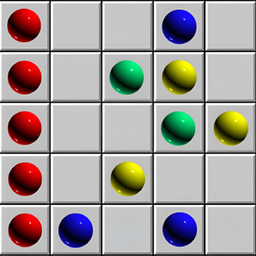
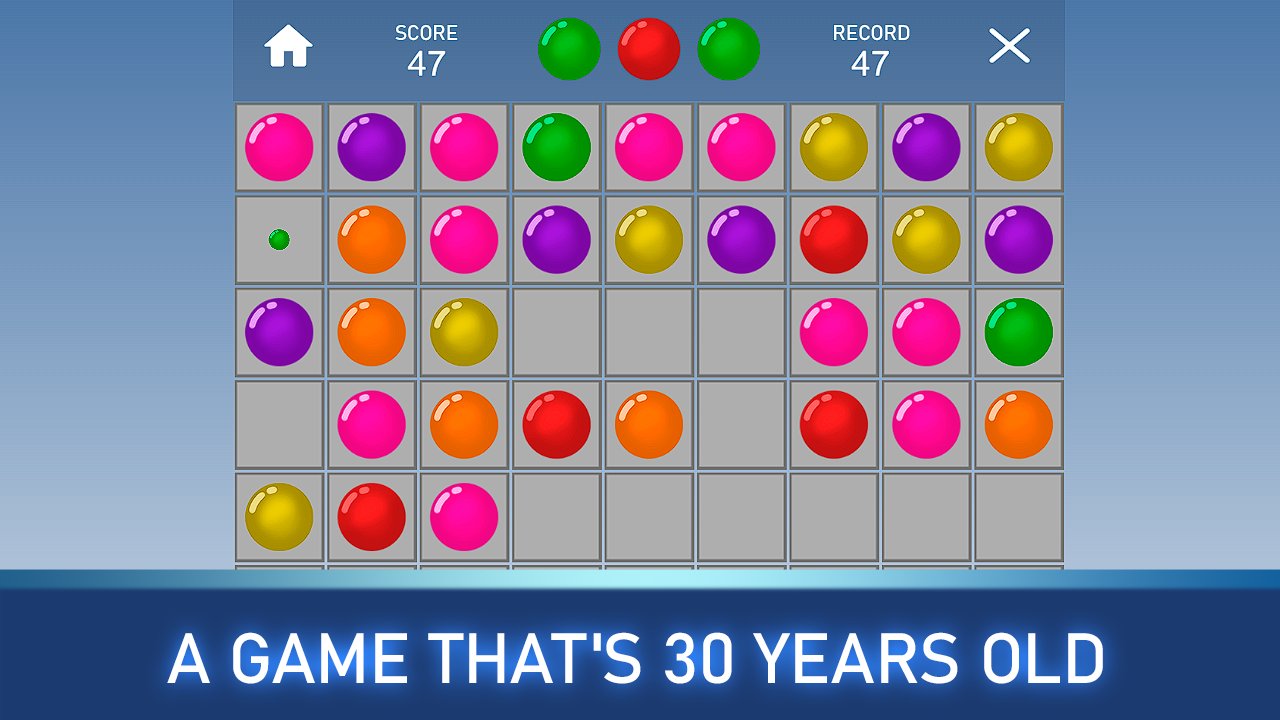
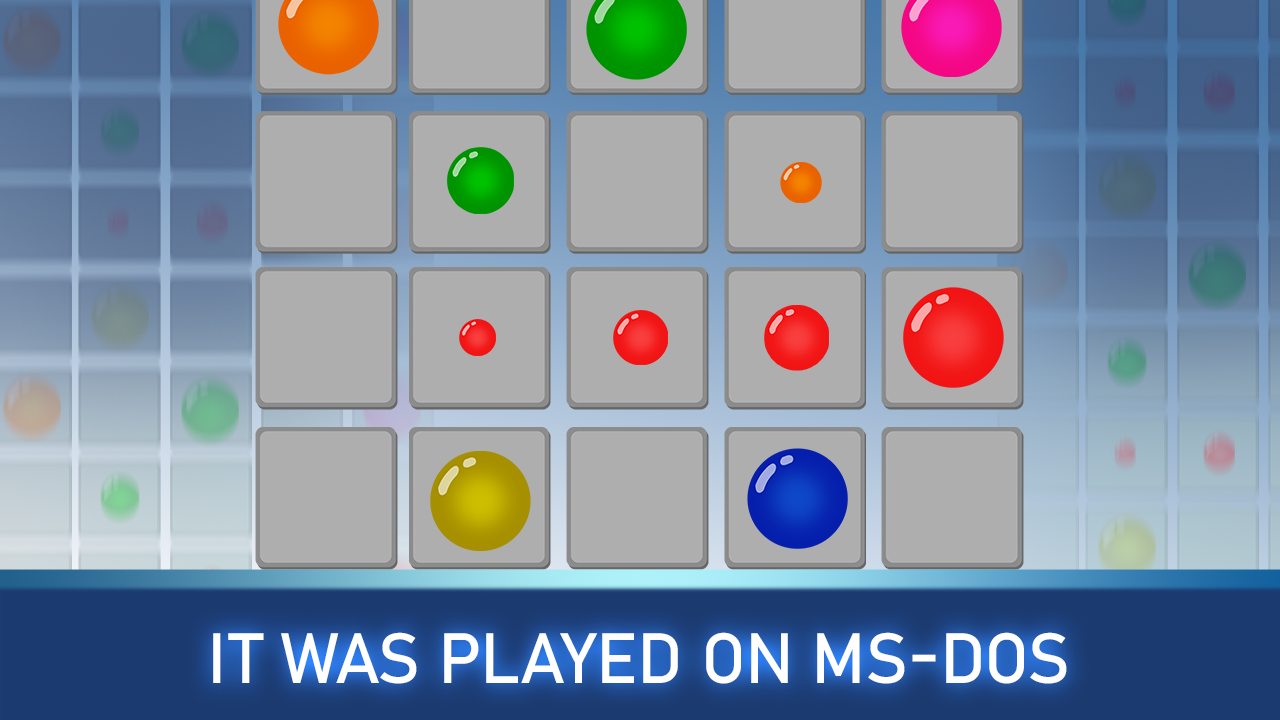
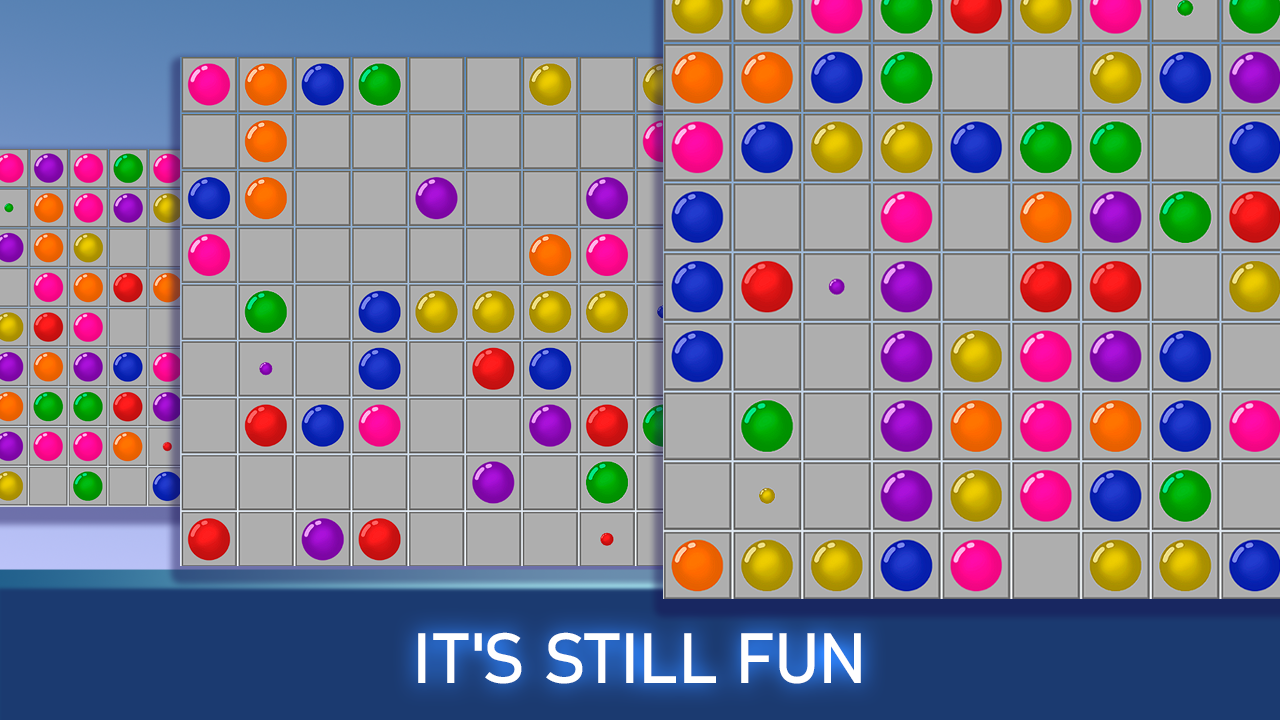
This classic puzzle game has roots going back to 1992, when Russian developer Oleg Demin first created "Color Lines" for PC. The Windows 98 era turned it into a global phenomenon, pre-installed on millions of machines and played during lunch breaks and late nights by people who had no intention of spending three hours on it. Decades later, it still plays as well as it ever did — clean mechanics, genuine challenge, no bloat.
Lines 98 обзор: The Game That Refuses to Get Old
Most games from the late 1990s feel dated today. Lines 98 doesn't. The core mechanics are so clean and the challenge so real that the game holds up perfectly against modern puzzle titles. It's not about flashy graphics or complex storylines. It's about pure spatial thinking, planning several moves ahead, and reading patterns under pressure.
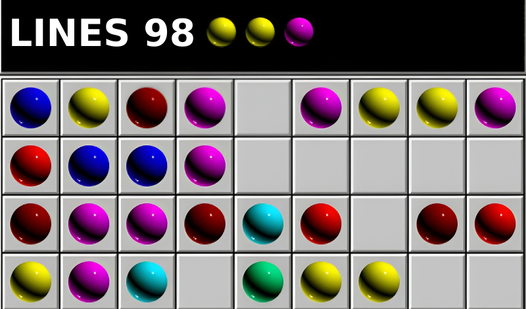
The game board is a 9×9 grid — 81 squares total. At the start, a handful of colored balls are placed randomly. On each turn, you move one ball to an empty square. The ball slides along open paths but cannot jump over other pieces. After your move, three new balls appear in random empty squares. If you manage to place five or more balls of the same color in a straight line — horizontal, vertical, or diagonal — those balls disappear, you earn points, and critically, no new balls are added for that turn.
That "no new balls" rule is the heart of the game's strategy. Every successful line you clear buys you breathing room. Every failed move costs you three extra balls. The board fills up faster than expected, and eventually there's no room left — game over.
What makes Lines 98 special above many similar games is the preview system. Before each move, you can see three colored balls that will appear next, regardless of where you move. This information is enormously valuable. Strong players use the preview to plan several moves ahead — setting up chain clears, routing incoming pieces toward existing clusters, or at minimum making sure the next balls don't immediately close off critical pathways.
The scoring system rewards longer lines. A line of exactly five balls gives you ten points. Six balls give twelve, seven give fourteen — with a multiplier that accelerates as lines grow. Players who consistently hunt for six, seven, and eight-ball lines, especially along diagonals, quickly pull ahead of players who only clear five-ball minimums. The difference between a 500-point game and a 5,000-point game usually comes down to this one habit.
Lines 98 Classic
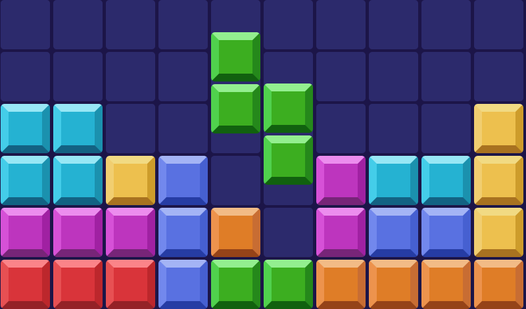
Staring at a blank document while your brain feels like it is stalling is the ultimate afternoon slump. Lines 98 Classic provides the perfect mental r...
▶ Play FreeLines 98 Classic captures the same spirit with a faithful recreation of the cult formula. If you want the purest possible Lines experience with slightly updated visuals but the same satisfying ball-clearing mechanics, this is the version to reach for when you want to compare how the game has evolved — or stayed exactly the same.
How to Play Lines 98 Step by Step
Getting started is straightforward, but building real skill takes consistent practice and deliberate attention to a few key systems.
The Basics
Click or tap a ball to select it, then click the destination square. The ball moves if there's an open path — it cannot pass through squares occupied by other balls. If you change your mind, just click a different ball; the move only executes when you click the destination square. Nothing moves until you confirm the destination, which gives you time to rethink.
After every move that doesn't clear a line, three new balls appear at random positions on the board. Their colors were visible in the preview panel before you moved. This is why watching the preview panel constantly is non-negotiable. New players often ignore it completely and wonder why they keep losing.
Building Lines
Lines can run in four directions: left-to-right horizontal, top-to-bottom vertical, and both diagonals. Diagonal lines are harder to visualize and set up, but they tend to be longer and score significantly more points. Many high-score runs are built almost entirely on diagonal chains.
When setting up a line, the core technique is "anchoring" — place two or three balls of the same color in a row early, then use the preview information to route incoming balls of that color toward the growing cluster. You're essentially steering traffic toward your target positions, clearing paths for the colors you need while keeping junk balls away from your working lines.
The challenge is that you can't control where new balls land — only their colors are predictable. This means your plans always have to account for disruption. The best players build multiple partial lines simultaneously, so that wherever new balls land, there's a chance they contribute to something useful.
Path Planning
This is where Lines 98 gets genuinely difficult. A ball can only reach its destination if there's an unbroken chain of empty squares connecting the two positions. As the board fills, paths close off — sometimes a ball you desperately need to move is suddenly locked in place.
Before committing to any move, trace the path mentally. Not just "is there space near my destination," but "is there a complete open route from here to there?" Getting locked out of a needed move because you didn't check the path is one of the most common ways to lose a board you could have saved.
When the board gets crowded, path availability becomes as important as line-building. Sometimes the right move is not advancing your best line — it's clearing a bottleneck that's about to trap half your pieces.
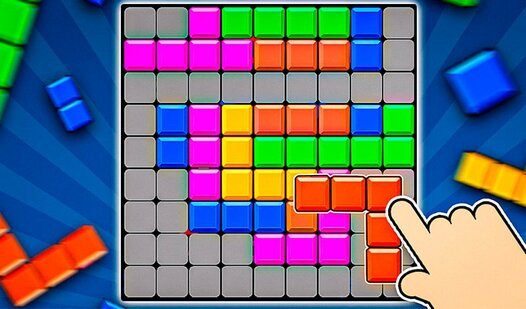
Block Puzzle: Lines of Blocks
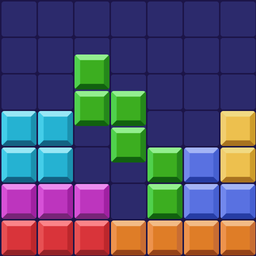
Fans of retro arcade challenges will find their new obsession with Block Puzzle: Lines of Blocks today. This addictive game tests your ability to stac...
▶ Play FreeBlock Puzzle: Lines of Blocks translates line-clearing logic into block shapes, demanding the same spatial reasoning but in a different format. If you find yourself naturally thinking in grid patterns after a few Lines 98 sessions, this game will feel immediately familiar and offers a fresh challenge for the same mental muscles.
The No-New-Balls Trick in Practice
When you clear a line, no new balls appear. This is the most important rule to fully internalize. It means every successful clear is free board space — you removed balls without adding any. Chain two clears in the same turn (a ball that completes one line and simultaneously completes a second after the first clears) and you gain a huge advantage, clearing two lines and adding zero new pieces.
Setting up potential chain reactions should always be in the back of your mind. Even if you can't execute a chain right now, positioning balls so a future clear might trigger another is what separates high scorers from casual players.
Lines 98 Secrets and Strategy Tips
These are the patterns and habits that separate good players from great ones. None of them are complicated in isolation — the challenge is remembering all of them simultaneously under pressure.
Spread Across the Full Board
New players tend to cluster balls in the center or in one corner. This is dangerous because it closes off paths early and leaves the rest of the board vulnerable to random placements. Experienced players deliberately spread balls across the whole grid, maintaining open corridors that allow pieces to be routed anywhere quickly.
Think of the board like a city — if all the activity is in one district, traffic jams become inevitable. Keep the whole map active.
Plan Around the Preview Every Single Turn
Before every move — not occasionally, every single time — look at the three incoming balls. Ask yourself where the worst possible positions for those balls would be, then consider whether your intended move makes those positions more or less likely to be occupied when the balls arrive.
If you see three balls of a color you're not currently working with, try to ensure a corner or edge area stays available so they might cluster together harmlessly. If you're lucky, accidental clusters become future lines without you spending moves on them.
Diagonal Hunting
Long diagonal lines are the highest-leverage plays in the game. A diagonal running from corner to corner crosses nine squares. Getting six, seven, or eight balls along a single diagonal is a massive score burst and clears a critical pathway across the entire board.
Practice visualizing diagonal lines. It's less intuitive than horizontal and vertical, which is exactly why it's so rewarding — most board states have diagonal opportunities that casual players completely miss.

Tangled lines
Spatial reasoning puzzles offer a satisfying mental workout that keeps your logic skills sharp every single day. Tangled lines takes this classic conc...
▶ Play FreeTangled Lines trains spatial awareness in a very different way — move points to untangle crossed lines, removing all intersections. The visual problem-solving it requires overlaps surprisingly well with the path-reading skills that Lines 98 demands, making it a great side game for building the same core abilities.
The Sacrifice Move
Sometimes the right move is deliberately placing a ball in a suboptimal position to clear a bottleneck elsewhere. If a single piece is blocking access to a large section of the board, moving it somewhere "wrong" in terms of your current line-building strategy is worth it if it reopens crucial movement options.
Recognizing when to sacrifice is a mark of real strategic maturity in Lines 98. Beginners optimize locally — "how do I advance my nearest line?" Advanced players optimize globally — "what does the board need right now?"
Track Color Density
As the game progresses, pay attention to which colors have the most pieces on the board. High-density colors are your highest-priority targets. If there are six red balls scattered across the grid, clearing them removes the most pieces at once and generates the most score. Meanwhile, a color with only one or two pieces on the board isn't worth chasing — wait for more to appear.
Corner and Edge Discipline
Corners and edges are tricky. A ball in the corner can only be part of diagonal or horizontal/vertical lines, with fewer path options to reach it. Don't leave high-priority colors stuck in corners unless you have a clear plan to incorporate them into a line. Edges are slightly safer but still restrictive. The center four quadrants of the board offer the most path flexibility and should generally be your working area.
Similar Games Worth Your Time
If Lines 98 has become a regular part of your puzzle rotation, there's a whole ecosystem of line-based and grid-clearing games ready to fill your breaks.

Two lines
Strategic maneuvering often feels like a high-stakes dance when you are trapped in a neon arena. Two Lines turns every match into a tense standoff whe...
▶ Play FreeTwo Lines is a genuinely unique format — a two-player line puzzle designed for local co-op on the same screen. If you've ever wanted to compete at line-clearing with a friend sitting next to you, this covers it. The competitive format adds a layer of tension to familiar grid mechanics that single-player Lines 98 simply can't replicate.
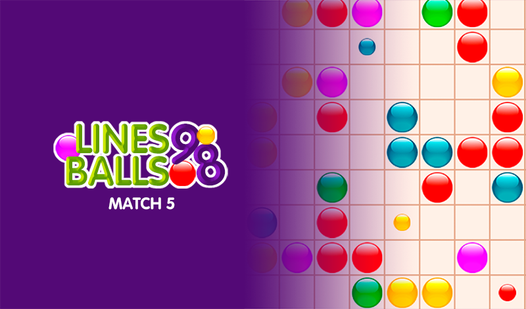
Lines Balls 98 match 5
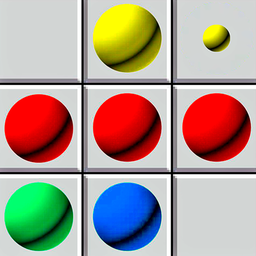
Puzzle enthusiasts who crave a minimalist challenge will find their new obsession in Lines Balls 98 match 5. This addictive experience tests your spat...
▶ Play FreeLines Balls 98 Match 5 is a direct spiritual descendant of the classic formula. Same match-five concept, fresh visual presentation. Perfect for when you want more of what Lines 98 gives you but with a slightly updated feel and fresh board layouts to adapt to.

Mahjong Lines
Connect identical tiles in Mahjong Lines to clear the board by drawing paths that bend no more than twice. This classic mahjong connect experience cha...
▶ Play FreeMahjong Lines brings together the grid-thinking of Lines 98 with the tile-matching logic of Mahjong. If you enjoy puzzles that reward planning several moves ahead and strong pattern recognition, this hybrid works better than you'd expect — the two systems complement each other surprisingly well.
Lines & Balls
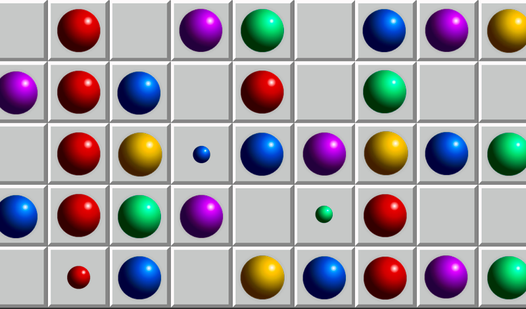
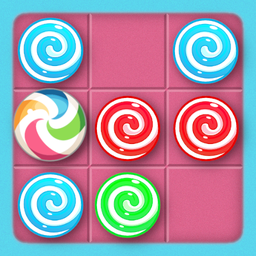
Staring at a blank screen during a lunch break often feels like a missed opportunity for some quick brain training. Lines & Balls turns those idle mom...
▶ Play FreeLines & Balls puts its own spin on the colored-ball grid concept, with distinct twists on how scoring and movement work. Worth keeping in your rotation if you want variety while staying firmly in the same genre. Small mechanical differences change the strategy enough to keep things fresh.

Untangle the Lines
Untangle the Lines tests your spatial reasoning as you move floating nodes across a digital canvas to clear messy webs. You must drag each point strat...
▶ Play FreeUntangle the Lines is mechanically different but trains the exact same spatial reasoning. You drag connection points around until no lines cross each other. The skills it builds — reading complex path relationships, predicting how moving one element affects distant connections — transfer directly to Lines 98 play. A great mental workout between grid sessions.
Best Blocks: Lines
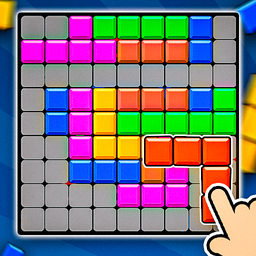
Arrange falling shapes across the board to complete rows and clear the screen in Best Blocks: Lines. This challenge keeps you on your toes as you stra...
▶ Play FreeBest Blocks: Lines adds block puzzle mechanics to line-clearing rewards. If you've thoroughly mastered Lines 98's ball system and want a puzzle that demands the same core thinking but introduces new shapes and constraints, this is a natural next step.
Why Lines 98 Still Holds Up
It's rare for a game to survive thirty-plus years without major updates and still feel genuinely challenging and rewarding. Lines 98 manages it because the core loop — managing a finite grid with partially predictable random inputs, under escalating pressure, while trying to set up chain events — has real depth. There's always a better move available. There's always a higher score to chase.
The game also has a meditative quality once the early learning curve flattens out. When you're in a real flow state — reading the board, anticipating incoming pieces, managing three partial lines simultaneously while keeping corridors clear — it becomes something close to spatial improvisation. The pieces arrive, you respond, patterns emerge from chaos.
Modern browser versions on FreeJoy keep the game accessible with no installs or downloads required. Performance is clean on both desktop and mobile, and the scoring gives you constant feedback on whether your strategy is improving.
New players: don't get discouraged when the board fills up in the first few minutes. That's supposed to happen. Keep playing, start watching the preview panel religiously, and begin experimenting with diagonal line building. Progress is quick once those habits click into place. Old players coming back after years away: your spatial memory is still in there. A few games and it returns fully.