Play Baby Games for Kids — Free Online Fun for Toddlers
Finding good games for young children is one of those parenting tasks that sounds simple but quickly becomes a rabbit hole. The internet is packed with options, but most of them are either too complex for tiny fingers, loaded with intrusive ads, or simply not age-appropriate. If you're looking for a reliable place to play baby games for kids online — games that are actually fun, totally free, and safe for little ones — you've come to the right place.
FreeJoy.games brings together a carefully chosen library of browser games for children of all ages, with a strong selection aimed specifically at toddlers and preschoolers. No downloads, no registrations, no surprise pop-ups. Just clean, playable fun that opens in seconds. In this guide, we've rounded up the best titles for young children — from coloring books and jigsaw puzzles to animal sounds and music toys — organized by age and play style so you can find exactly what your child needs right now.
Play Baby Games for Kids: Best Picks for Toddlers (Ages 2–4)
Toddlers are at a magical stage of development. Everything is new, everything is worth exploring, and the simplest interaction — pressing a button to make a color appear, clicking a puzzle piece into place — can feel like a genuine triumph. The best games for this age group have a few things in common: they respond instantly to input, they reward with bright colors and cheerful sounds, and they require absolutely zero reading or complex instructions.
Coloring games are one of the most naturally toddler-friendly formats in existence. Watching a blank outline transform into a colorful image feels genuinely satisfying for young children — it's creative, it's expressive, and there's no mess to clean up. That combination makes digital coloring books a perennial favorite for the 2–5 set.
Lilo & Stitch: Coloring Book for Kids is a perfect starting point for very young players. It features instantly recognizable characters from the beloved Lilo & Stitch universe, so kids who've seen the movie will feel an immediate connection. The interface is as simple as it gets: tap a color from the palette, tap the area you want to fill, and watch it come to life. There are no timers, no scores, no way to fail — just open-ended creativity at a toddler's own pace.

Lilo & Stitch: Coloring Book for Kids
Unleash your inner artist with Lilo & Stitch: Coloring Book for Kids, a delightful browser game where you bring your favorite Disney characters to lif...
▶ Play FreeJigsaw puzzles are another brilliant format for this age. They naturally develop spatial reasoning, patience, and fine motor coordination — all while keeping kids genuinely entertained. The key is starting with puzzles that are simple enough: large pieces, clear images, and satisfying snap-into-place feedback.
Jigsaw Puzzles for Kids: Trains nails every one of those criteria. It taps into the near-universal toddler obsession with trains and vehicles, and wraps it in a jigsaw format that's pitched just right for 2–5-year-olds. The pieces are large enough for small hands, the images are bold and colorful, and the sense of completion when the last piece clicks into place is deeply rewarding for young children. It works equally well for boys and girls — trains have a broad appeal that cuts across preferences.
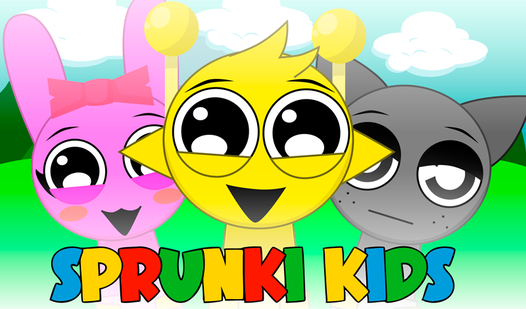
Once your little one has explored the basics and is ready for something with more personality, Sprunki Kids is a wonderful next step. The Sprunki characters are funny, expressive, and musical — kids can interact with them to create little musical compositions, mix sounds, and discover new combinations. It's part music toy, part interactive game, and it has genuine replay value: every session tends to be a little different. Young children find it endlessly entertaining, and parents appreciate that it sparks creativity rather than passive watching.
Sprunki Kids
Staring at the clock and waiting for a long meeting or class to end is the ultimate boredom test. Sprunki Kids turns those idle minutes into a creativ...
▶ Play FreeOne practical note for parents of very young toddlers: keep sessions short. Ten to fifteen minutes is plenty for a 2–3-year-old. Beyond that, the benefits start to diminish and screen fatigue sets in. Three short, engaged sessions across the day are far better than one long, unfocused stretch.
Educational Games to Play Baby Games for Kids: Preschool Edition
As children reach ages 4–6, games can start doing more than just occupy little hands — they can actively teach. Preschoolers are developmentally ready to absorb letters, numbers, colors, animal names, and basic cause-and-effect relationships through play. The best educational games at this stage feel like games first and learning experiences second. Children should be having fun, with knowledge absorbed as a natural byproduct rather than the point of the exercise.
Animal recognition is one of the most fundamental early learning topics — it builds vocabulary, develops listening skills, and connects children to the natural world. Animals for Kids and Their Sounds is a standout in this category. What sets it apart is its use of real photographs rather than cartoons. Children aren't learning a stylized interpretation of a cow or a frog — they're seeing actual animals, which means the recognition they build transfers directly to real life. Each animal makes its authentic sound when tapped, creating a natural audio-visual association. Parents consistently report that kids return to this one again and again, each time reinforcing the same vocabulary in a genuinely enjoyable way.

Animals for kids and their sounds
Learning about the natural world is a fundamental milestone for every curious toddler. Animals for kids and their sounds brings the vast wilderness to...
▶ Play FreeNumber recognition and counting are equally important developmental milestones at preschool age. Coloring by Numbers for Kids turns those skills into a creative art project. Each numbered zone in the image corresponds to a specific color — kids identify the number, find the matching color in the palette, and fill in the area. As they work through the image, a beautiful picture gradually emerges. The format reinforces number recognition, color vocabulary, and the satisfaction of seeing a longer project through to completion. These are exactly the habits of mind that prepare kids for a school environment.
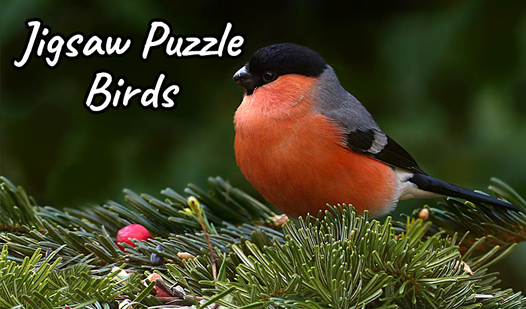
Want to add a nature and science dimension to your child's game rotation? Jigsaw Puzzle Birds is a visually rich puzzle game that introduces children to the colorful world of birds. The imagery is genuinely beautiful — more detailed and naturalistic than many children's games — which makes it a great bridge between simple toddler games and the more engaging content a preschooler can really get into. Beyond the puzzle mechanics, it naturally sparks curious questions: "What bird is that? What color is it? Where does it live?" Those conversations between child and parent are where some of the deepest learning happens.
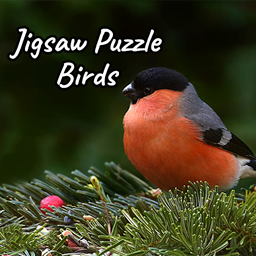
Jigsaw Puzzle Birds
Connecting scattered fragments into a cohesive image is a timeless pastime that keeps the mind sharp and focused. Jigsaw Puzzle Birds transforms this ...
▶ Play FreeFor children who come alive when music is playing, Musical Pets! Cute Singing Cats is irresistible. Each animated cat has its own voice and musical personality, and kids can mix and match to build their own little chorus. It's silly, joyful, and wonderfully replayable — no two sessions sound exactly the same. Beneath the fun, it's quietly developing rhythm awareness and pattern recognition, two foundational skills that support both musical development and early mathematical thinking. This one tends to become a fast favorite.

Musical Pets! Cute Singing Cats
Rhythm games have a unique way of turning simple melodies into an addictive challenge that keeps you tapping along for hours. Musical Pets! Cute Singi...
▶ Play FreeThe common thread across these educational picks is that none of them feel like homework. They feel like play — because they are play. Children learn best when they're engaged, relaxed, and having fun, and that's exactly what these games are designed to provide.
Safe Games to Play — Baby Games for Kids of All Types
Beyond the educational angle, young children also need games that exist purely to delight. No lesson plan, no developmental agenda — just the sheer joy of clicking, exploring, and discovering. This section covers games that earn their place in a child's rotation simply by being fun.
Horses have a timeless appeal for young children. Horses Jigsaw Puzzle combines beautiful, realistic photography of horses with puzzle mechanics that are appropriately challenging for the 4–7 age range. Unlike puzzle games that use cartoonish illustrations, this one uses vivid real images that give the game a more mature, satisfying feel without being inappropriate for young children. Completing one of these puzzles gives kids a genuine sense of accomplishment — the kind that makes them want to try another one immediately.

Horses Jigsaw Puzzle
The art of assembling a mosaic from scattered fragments provides a meditative escape that sharpens cognitive focus while relieving daily stress. Horse...
▶ Play FreeFor kids who are already immersed in YouTube culture and follow popular content creators, Mine Dancing! Vladus & Lenya! FixEye, Kompot! is a game that will immediately capture their attention. It blends familiar internet characters with an energetic, colorful dancing game that kids find absolutely magnetic. The gameplay is lively and simple enough for young children to engage with right away, but entertaining enough to hold their attention through multiple sessions. If your child already watches Vladus and Lenya content online, this will quickly become their favorite game on the site.

Mine Dancing! Vladus & Lenya! FixEye, Kompot!
Staring at the clock waiting for your shift to end or just need a quick mental reset from your daily grind? Mine Dancing! Vladus & Lenya! FixEye, Komp...
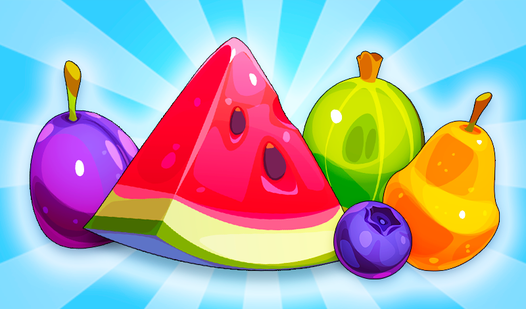
▶ Play FreeMerge games have become massively popular across age groups, and it's easy to see why — there's something deeply satisfying about combining two small things to create something bigger. Merge Fruits: Find a Watermelon! puts a bright, fruity spin on the genre. Kids drop fruits into a container, watch them collide and combine into larger and larger fruits, and work toward the ultimate goal: the legendary watermelon. The concept is simple enough that children aged 4 and up can grasp it within seconds, but the satisfying feedback loop keeps them playing for much longer than they initially planned.

Merge fruits: Find a watermelon!
Fans of addictive brain teasers will adore this colorful challenge that tests your reflexes and spatial awareness. Merge fruits: Find a watermelon! ta...
▶ Play FreeThese games share qualities that matter for young children: they're instantly accessible, the rules are obvious without explanation, and the reward for each action is clear and immediate. There's no learning curve — just open the game, start clicking, and enjoy.
Tips for Parents — Choosing Age-Appropriate Games
Picking the right games for young children isn't just about filtering out inappropriate content. It's about understanding which mechanics and complexity levels match your child's current developmental stage, and then finding games that sit right in that window. Here's what to keep in mind.
Match the controls to the age. A 2-year-old can handle simple mouse clicks or basic touchscreen taps. Anything requiring keyboard shortcuts, precise dragging across small targets, or multi-step menus is too advanced and will lead to frustration rather than fun. Look for games with large, clearly defined interactive areas that give young hands plenty of room for error.
Prioritize immediate visual feedback. Young children need games that respond to their actions clearly and quickly. A color appearing when they click, a puzzle piece snapping into place, an animal making a sound when tapped — these immediate, obvious rewards are what keep toddlers engaged and help them understand that their actions have effects. Games with delayed or subtle feedback tend to lose young audiences fast.
Skip the timers for toddlers. Time pressure creates stress, and stress is the enemy of learning and enjoyment for very young children. The best toddler-friendly games have no countdown clocks, no "game over" screens triggered by slowness, and no penalty for taking a long time to think. A 2-year-old who spends three minutes deciding which color to use for Stitch's ears is having a perfectly valid — and cognitively rich — experience.
Vary the type of game across sessions. Rather than sticking to one genre, mix puzzle games, coloring games, music toys, and interactive games across different play sessions. This keeps children engaged from day to day and also ensures a broader range of skills are being exercised — spatial reasoning, creativity, listening, fine motor control, and more.
Play alongside your child when you can. Even simple browser games become richer when a parent participates. Ask questions during the animal sounds game — "What does a frog say?" — or celebrate together when a puzzle piece fits. These interactions transform a solitary screen session into a social, language-rich experience that compounds the learning value.
Trust your instincts about complexity. Before handing the device to your toddler, play through a new game yourself for about a minute. If you understand what to do and find it immediately intuitive, your child probably will too. If you find yourself confused or needing to read instructions, the game isn't the right pick for a young child — even if it's labeled as a kids' game.
Keep daily screen time in check. Current pediatric guidance generally recommends no more than 1 hour of recreational screen time per day for children aged 2–5. Short, active, parent-supervised sessions make the most of that time. The games on FreeJoy.games are built for these shorter, focused plays — not marathon sessions.
The right game at the right developmental moment can be a genuinely powerful experience for a young child. The wrong game just leads to tears and a frustrated toddler who wants to throw the tablet. Knowing what to look for makes all the difference.