Picnic with Granny Review: Tips, Tricks & Full Guide
If you've been looking for a casual puzzle game that actually feels warm and inviting, the picnic with granny review community has been buzzing about this charming little title for a while now. Picnic with Granny puts you in the shoes of a grandchild helping their beloved grandmother set up the perfect outdoor picnic — sorting items, solving light puzzles, and enjoying a slice of wholesome gameplay that doesn't demand much but gives back a surprising amount of fun. Whether you're squeezing in five minutes between tasks or settling in for a longer session, this game has a gentle pull that keeps you coming back.
So let's get into everything you need to know: what the game is about, how it plays, what strategies actually work, and which other games scratch a similar itch.
Picnic with Granny Review
Picnic with Granny is a cozy, browser-based casual game that centers around a simple but satisfying loop: help Granny prepare for a picnic by organizing items, matching objects, and completing small tasks across a cheerful outdoor scene. The visual style is soft and hand-drawn, with warm pastel colors that immediately set a relaxed mood. There's no violence, no countdown pressure on the main levels, and no punishing failure state — just you, Granny, and a sunny afternoon.
The picnic with granny review consensus across casual gaming forums tends to land in the same place: this is a game for people who want to wind down. It's the kind of title you'd recommend to a parent or grandparent who's just getting into gaming, but also one that seasoned casual players can enjoy for its satisfying puzzle logic.
At its core, the game is built around sorting and matching mechanics. You'll pick up items — sandwiches, fruit baskets, blankets, flower arrangements — and place them in their correct spots on the picnic blanket or the surrounding area. As levels progress, the scenes get busier and the number of items increases, requiring a bit more mental tracking. The game doesn't reinvent the wheel, but the wheel it uses rolls very smoothly.
One thing that genuinely stands out is the audio design. Soft background music with birds chirping, the rustle of grass, and light chime effects when you complete a task create an atmosphere that feels genuinely restful. Some puzzle games use audio as an afterthought — here it feels like a core part of the experience.
The game is completely free to play online, no download required, which removes a lot of friction for new players. You just load it up and start helping Granny. That accessibility is part of why it has found such a wide audience across age groups.

Hoby Tales
Stuck in a meeting that's dragging on, or just need a quick mental escape during a busy day? Hoby Tales is your perfect antidote for those moments whe...
▶ Play FreeThe level design in Picnic with Granny follows a satisfying curve. Early stages ease you in with just a handful of objects and obvious placement zones. By the mid-game, you're juggling layered tasks: maybe you need to sort snacks by type, arrange seating by color, and keep the flower centerpiece balanced — all at once. It never feels punishing, but there's enough complexity to keep your brain lightly engaged.
One minor criticism worth mentioning: the game doesn't have a strong narrative thread beyond the picnic setup premise. If you're someone who needs a story reason to push forward, this might feel thin after a while. But if you're playing for the meditative sorting and light puzzle satisfaction, the lack of story barely registers as a negative.
Overall rating: a solid 8 out of 10 for what it sets out to do. Cozy, accessible, visually charming, and relaxing without being boring.
Gameplay and Controls
The picnic with granny game uses a simple point-and-click (or tap, on mobile) control scheme that anyone can pick up in about thirty seconds. Here's how it works in practice:
Basic interaction: Click or tap an item to pick it up. Click or tap the target zone to place it. That's the foundation. Items snap into place when you're close enough to the correct zone, which is a small quality-of-life touch that makes the game feel polished rather than fiddly.
Item types: The game introduces different categories of items as you progress:
- Food items (sandwiches, fruit, drinks, cakes)
- Decorative items (flowers, ribbons, tablecloths)
- Utility items (plates, cups, utensils, napkins)
- Bonus items that appear in later levels (candles, lanterns, garden gnomes)
Each category usually has its own placement logic. Food goes on the picnic blanket in designated food zones. Decorative items fill the border areas. Utility items match to specific place settings. The categories help your brain organize what you're doing without the game needing to explain it every time.
Level structure: Each level has a completion condition — usually placing all required items correctly within the scene. Some levels add a secondary goal like finding hidden items in the background or arranging items in a specific order. These secondary goals are optional in most cases but contribute to your star rating.
Star ratings: Completing a level earns you one to three stars depending on how efficiently you worked. Going back to improve your star count on earlier levels is a nice reason to revisit scenes you've already cleared.

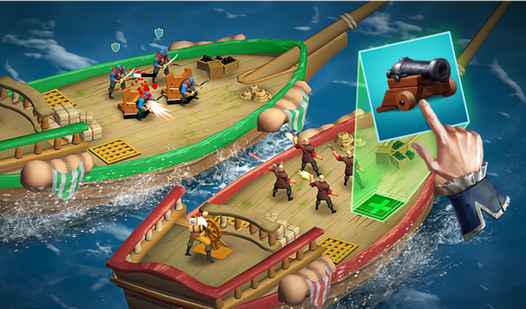
Pirate Ships: Build and Fight
Ahoy, matey! If you crave the thrill of naval warfare and the freedom of the open sea, Pirate Ships: Build and Fight is your ultimate destination. Co...
▶ Play FreeDifficulty scaling: The game scales difficulty by adding more items, reducing the size of placement zones, introducing items that look similar (easy to mix up), and occasionally adding time-limited bonus tasks that appear mid-level. None of these difficulty increases feel cheap — they all make logical sense given what the game is teaching you.
Mobile vs. desktop: The game plays well on both. On desktop, the mouse control is precise and comfortable. On mobile, touch controls work cleanly. The tap-to-place mechanic translates well because the game was clearly designed with both input types in mind from the start.
One gameplay quirk worth knowing: some items can only be interacted with after a prerequisite is met. For example, you might not be able to place the cake until the tablecloth is already down. The game doesn't always signal these dependencies clearly, which can lead to a moment of confusion on first encounter. Once you know to look for it, you'll read these relationships naturally.
Tips and Tricks
Getting the most out of Picnic with Granny comes down to a few consistent strategies. These aren't cheats — just habits that make the whole experience smoother.
Start with the largest items first. Blankets, tablecloths, and large food platters tend to anchor the layout. Placing them early gives you visual reference points for where smaller items need to go. Trying to place small items into a cluttered scene often leads to misplacements.
Scan the full scene before touching anything. Before you pick up the first item, spend five seconds looking at everything available and all the placement zones. This quick survey helps you build a mental map and avoids the habit of just grabbing whatever's closest, which often leads to backtracking.
Match by elimination. If you're unsure where an item goes, use process of elimination. Place the items you're confident about first, and the remaining items will have fewer candidate zones — making the uncertain placements clearer.
Don't rush the bonus tasks. Time-limited bonus tasks that pop up mid-level can feel urgent, but they're usually optional. If completing one would disrupt a chain of placements you've already started, it's often better to finish your current sequence and then chase the bonus on a replay. Chasing bonuses impulsively can cause misplacements that hurt your star rating more than the bonus would have helped.

TropicVille
Did you know that merge games are renowned for their ability to provide both a relaxing escape and a satisfying challenge? In TropicVille, you'll get ...
▶ Play FreeUse the snap assist. When carrying an item, move slowly toward the target zone until you feel the snap feedback. The game will slightly pull the item toward the correct position when you're close. Rushing past the zone means you'll overshoot and have to reposition.
Replay early levels for practice. The first five to eight levels are the best training ground for the game's mechanics. If later levels feel confusing, replaying early ones quickly refreshes your muscle memory and reminds you of the core patterns.
Watch for hidden items. In later levels, some items are partially hidden behind scene elements — a sandwich tucked behind a bush, a cup hidden under a picnic basket. Clicking on scene elements to reveal them is worth doing when you can't account for all the items you need.
Audio cues matter. The game uses distinct sounds for correct placement versus incorrect placement attempts. If you're playing with sound on, these cues let you know immediately whether your placement worked without having to stare at the item. This speeds up your flow significantly.
Prioritize star completion on levels you found easy. Going back to easy levels to chase three stars is much faster than grinding on hard ones. Accumulated stars across easy levels add up quickly and can unlock bonus content if the game version you're playing includes a star-gate mechanic.

Lamplighter
Puzzle lovers and fans of cozy town restoration games are going to adore Lamplighter! A creeping darkness has engulfed Lantern Town, and only you, th...
▶ Play FreeTake breaks between difficult levels. This sounds obvious, but casual puzzle games have a fatigue effect where you start making careless errors. If a level has frustrated you twice, step away for a few minutes. You'll return with cleaner pattern recognition and usually clear it on the next attempt.
Similar Games
If Picnic with Granny clicks with you, there's a whole ecosystem of cozy, tactile puzzle games worth exploring. Here are some genuine alternatives that hit similar notes.
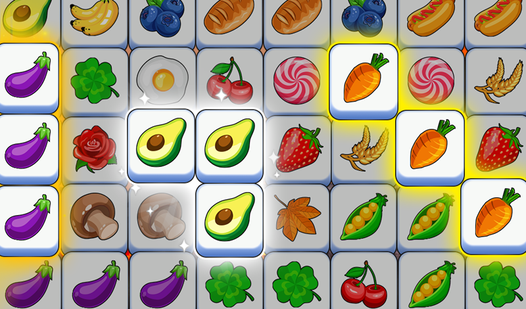
Master of Tiles is a great follow-up for anyone who enjoyed the matching and sorting aspects of Picnic with Granny. It's a tile-matching puzzle with satisfying visuals and a calm progression that rewards patience over speed. The logic is a bit more abstract than Picnic with Granny's visual sorting, but if you like the feeling of everything falling into place, it delivers.
Master of Tiles
Ever wondered what makes a puzzle game truly captivating? Master of Tiles draws you in with its simple premise and keeps you hooked with surprisingly ...
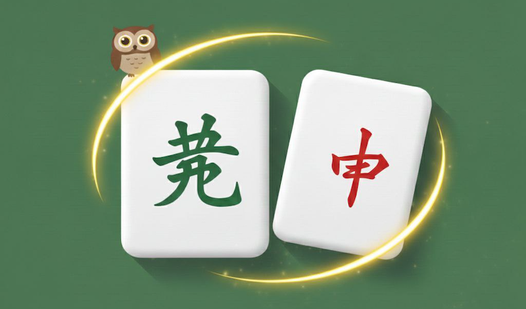
▶ Play FreeCozy Mahjong takes the relaxed aesthetic in a more traditional puzzle direction. Mahjong solitaire has always been a natural fit for players who enjoy organized, methodical thinking. Cozy Mahjong wraps that classic mechanic in warm visuals and sound design that feel right at home alongside Picnic with Granny's vibe.
Cozy Mahjong
Match identical tiles and clear the board in Cozy Mahjong, a relaxing online puzzle experience designed to unwind your mind. Swipe or click to select ...
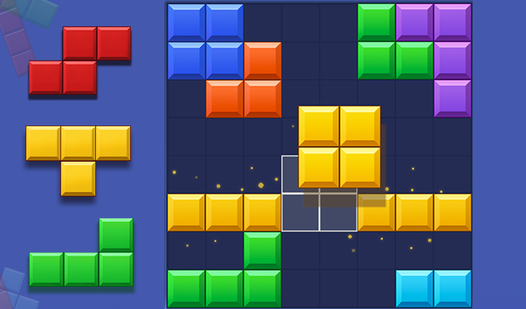
▶ Play FreeBlock Puzzle Gem offers a slightly more competitive puzzle loop, fitting gems into a grid to clear lines. It's a step up in mental intensity from Picnic with Granny, but the core satisfaction of placing things correctly maps well to the same mental space.
Block Puzzle Gem
Ever wondered what makes classic puzzle games so endlessly engaging? Block Puzzle Gem takes that timeless appeal and polishes it to a brilliant shine,...
▶ Play FreeCat Voyage brings a narrative layer that Picnic with Granny lacks, following a cat's journey through various scenes. The interaction model is similar — click-based, scene-exploration, gentle puzzles — but the story thread gives it more momentum for players who need a reason to keep progressing.

Cat Voyage
Who knew the sea held so many secrets and a treasure trove of merging fun? Cat Voyage invites you on a whimsical underwater expedition unlike any othe...
▶ Play FreeRelax Jigsaw Puzzles is the most direct recommendation for the meditative, low-pressure feeling. If what you loved most about Picnic with Granny was the atmosphere and the tactile satisfaction of putting things in their right place, jigsaw puzzles in digital form scratch exactly that itch.

Relax Jigsaw Puzzles
Feeling a little stressed out or just need a satisfying break from your daily grind? Relax Jigsaw Puzzles is here to whisk you away into a world of ca...
▶ Play FreeBlocks and That's It goes minimalist — pure block placement with clean design. No story, no frills, just the quiet satisfaction of spatial logic done well.
Blocks and that's it
Feeling that midday slump or need a quick mental refresh? Blocks and that's it is your perfect escape, offering a delightful challenge that sharpens y...
▶ Play FreeSkydom Match 3 is worth a look if you enjoy the color-matching elements that appear in Picnic with Granny's later levels. It's a match-3 game with a sky-high visual theme and a progression system that keeps sessions feeling fresh.

Skydom - Match 3
Feeling bored and need a quick mental escape? Skydom - Match 3 is here to whisk you away to vibrant sky kingdoms packed with enchanting challenges! Fo...
▶ Play FreeSteps Puzzle Heap takes grid puzzles in a stacking direction — placing pieces to build upward rather than fill outward. Different geometry, same satisfying spatial logic.

Steps Puzzle Heap
Fans of logic challenges and brain teasers will find Steps Puzzle Heap to be their new favorite way to unwind. This clever title tasks you with recons...
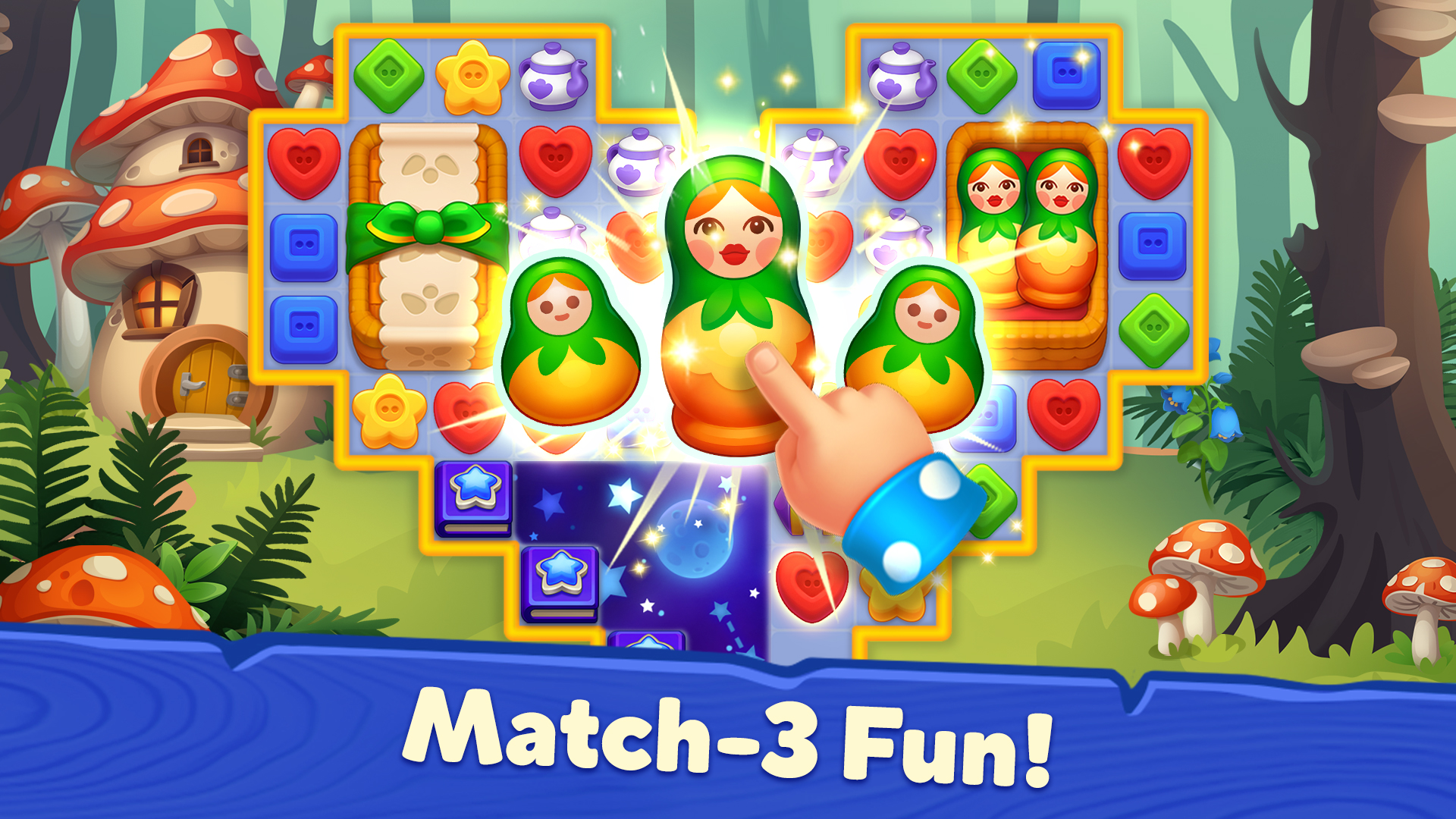
▶ Play FreeMatryoshka Puzzle Heap is a delightful oddity — nesting-doll themed puzzles that require you to think about layers and sequence in a way that subtly echoes some of Picnic with Granny's dependency mechanics.

Matryoshka Puzzle Heap
Sorting nested objects into perfect sequences is a uniquely satisfying brain exercise that tests your spatial logic to the limit. Matryoshka Puzzle He...
▶ Play FreeCircles PuzzleHeap rounds out the list (pun intended) with circular pattern puzzles that require rotational thinking. A good palate cleanser between sessions of linear sorting games.

Circles - PuzzleHeap
Strategic assembly of fragmented images is the ultimate test of patience and pattern recognition. Circles - PuzzleHeap challenges you to reconstruct b...
▶ Play FreeCorners Puzzle Heap completes the PuzzleHeap family's representation here — corner-based placement logic that feels surprisingly satisfying once you get the pattern.

Corners Puzzle Heap
Sorting through scattered puzzle pieces requires a sharp eye and a methodical mind to restore order to chaos. Corners Puzzle Heap turns this tradition...
▶ Play FreeAll of these games share a commitment to accessible mechanics, relaxed pacing, and the quiet pleasure of order emerging from chaos. If Picnic with Granny is your entry point into this corner of casual gaming, any of these will feel like natural next steps.