How to Play Word Games: Rules, Strategies & Free Games
Word games are one of the oldest forms of entertainment humans have ever invented — and they're still going strong. If you've ever wondered how to play Word games properly, or you're looking for fresh strategies to sharpen your vocabulary skills, you've landed in the right place. This guide covers everything: basic rules, winning tactics, and a handpicked selection of the best free word games you can play right now, no download required.
What Are Word Games, Anyway?
At their core, word games are puzzles built around language. You might be asked to guess a hidden word, build new words from scrambled letters, or race against the clock to form as many combinations as possible. The genre is enormous — from classic crosswords and anagrams to mobile hits like Wordle — but they all share one thing: they reward you for knowing your words and thinking creatively.
The beauty of word games is the accessibility. You don't need fast reflexes or expensive hardware. A solid vocabulary, a bit of lateral thinking, and you're already ahead of the curve. Whether you play solo to unwind after a long day or compete against friends for bragging rights, word games fit any mood and schedule.
How to Play Word: Core Rules Explained
Understanding how to play Word games starts with recognizing a few universal mechanics that appear across almost every title in the genre:
Letter grids and pools — Most word games give you a set of letters and ask you to form valid words. The longer or rarer the word, the higher the score. Some games use a fixed grid (like crosswords), while others give you a floating pool of tiles to rearrange freely.
Time limits — Competitive word games often feature countdowns. You need to think fast without sacrificing accuracy. Spelling a word incorrectly wastes precious seconds.
Score multipliers — Premium tiles, bonus cells, or chain combos can multiply your points dramatically. Experienced players always scout for these opportunities before placing letters.
Minimum word length — Most games require words to be at least 3 letters long. Some push that floor to 4 or 5 letters, which changes the strategy entirely.
Dictionary validation — Your word must exist in the game's internal dictionary. This catches nonsense letter strings, but it also occasionally rejects obscure real words — so don't rage-quit if a legitimate term gets rejected.
Starting With the Classics: Anagram and Letter Games
One of the most popular formats you'll encounter is the anagram game: you're given a pile of letters and must form as many valid words as possible. This tests both your vocabulary and your ability to see hidden patterns within a set of characters.
Take Words from Words, for example. The game presents a longer word and challenges you to build shorter words using only its letters. It sounds simple, but the combinations multiply fast. The secret is to start with the most obvious short words first, then work toward longer combinations once you've cleared your head.
Words from Words
Language is a vast playground where even a single long noun hides dozens of shorter secrets waiting to be unlocked. Words from Words challenges your v...
▶ Play FreeAnother beloved format is team-based word explanation — where one player describes a word without using it directly, and their teammates must guess what it is. This format tests communication skills and vocabulary simultaneously, making it a fantastic choice for groups.
Alias Word is a great digital version of this concept. One player gets a word on screen and has to explain it; the faster their team guesses, the better the score. The trick here is to use context clues, synonyms, and creative analogies rather than direct hints.
Alias Word
Word game fans who enjoy high-energy group challenges will find their new favorite pastime in Alias Word. This classic team-based challenge pits frien...
▶ Play FreeDecoding and Cipher Word Games
Beyond anagrams and team guessing, there's a whole subcategory of word games focused on deciphering hidden messages. These games combine vocabulary knowledge with logical reasoning — more like a puzzle than a straightforward spelling test.
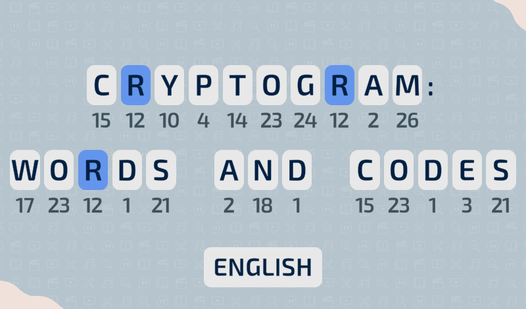
Cryptogram: Words and Codes is a perfect example. You're given an encoded quote where each letter has been substituted with another. Your job is to crack the cipher by identifying common letter patterns (E and T are the most frequent letters in English, for instance), then fill in the blanks until the full quote reveals itself.
Cryptogram: Words and Codes
Cracking secret codes is one of the most intellectually satisfying ways to sharpen your focus during a quick break. Cryptogram: Words and Codes turns ...
▶ Play FreeCipher games reward players who understand letter frequency and common word endings (-ING, -TION, -LY). Before you guess randomly, scan the entire puzzle for short two-letter encoded "words" — they're usually AT, IT, IN, or IS, which gives you an immediate foothold.
How to Play Word Games With Physics and Chains
Some of the most fun word games add a completely unexpected twist: physics. Instead of just tapping letters, you're swinging, popping, or chaining tiles through an animated environment.
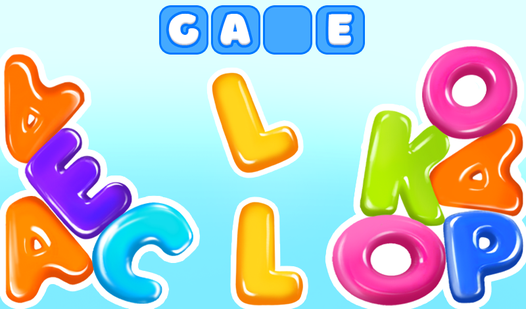
Letter Chain: Word Merge! is a standout here. It blends word puzzles with balloon physics, where letters float around and you must connect them in the right order to form words before they drift away. The combination of spelling skill and spatial awareness creates a uniquely addictive experience that's hard to put down.
Letter Chain: Word Merge!
Launch bouncy jelly letters into the air to collide and merge them into new characters across a vibrant playfield. Letter Chain: Word Merge! challenge...
▶ Play FreeThese hybrid games are excellent for players who find traditional word puzzles a bit static. The physical element forces you to adapt on the fly, which makes every session feel different.
The Wordle Format: Guess the Hidden Word
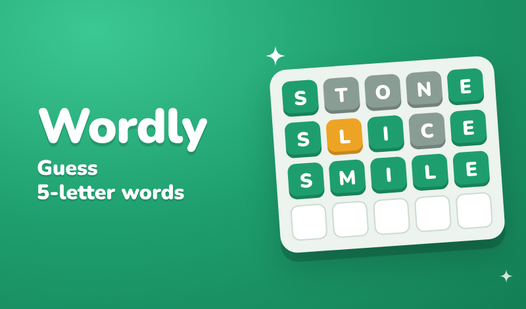
No guide on how to play Word games would be complete without covering the Wordle format — arguably the biggest word game trend of the last several years. The rules are elegant in their simplicity: you have six attempts to guess a secret five-letter word. After each guess, tiles change color to show how close you are.
- Green = correct letter, correct position
- Yellow = correct letter, wrong position
- Grey = letter not in the word at all
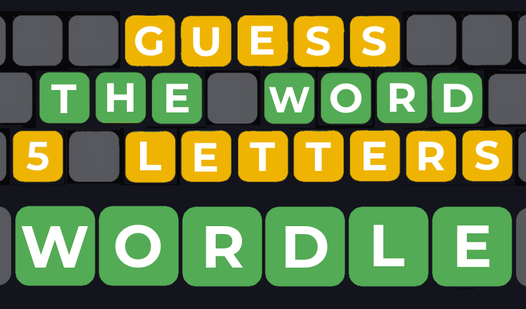
Guess the word 5 letters - Wordle brings this format online, completely free. The best opening strategy is to choose a word that covers the most common English letters: CRANE, SLATE, or AUDIO are popular starting words because they test E, A, R, T, and S in one move.
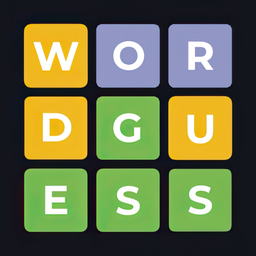
Guess the word 5 letters - Wordle
Word enthusiasts and logic masters will find their new daily obsession with Guess the word 5 letters - Wordle. This addictive brain teaser challenges ...
▶ Play FreeAfter your first guess, the color feedback should guide every subsequent move. Never reuse a grey letter — it's wasted information. Always prioritize yellow letters by placing them in new positions.
Word Strategies That Actually Work
Knowing how to play Word games is one thing; consistently winning is another. Here are strategies that separate casual players from high scorers:
Build your word list in layers. Start with three-letter words, then systematically add one letter to form four-letter variants, then five, and so on. This layered approach reveals combinations you'd miss by jumping straight to long words.
Learn high-value short words. In many letter-based games, short words with rare letters (Q, Z, X, J) score disproportionately high. Words like ZAX, QI, JO, and XI are legitimate English words that most opponents never use.
Control the board edges. In grid-based games like crosswords, the edges and corners often contain bonus scoring tiles. Building words that extend into those zones early establishes a point advantage that compounds throughout the game.
Use suffixes and prefixes aggressively. Knowing that you can attach -ED, -ING, -ER, -UN, -RE, or -OVER to existing words doubles the number of moves available to you. This is especially useful in games where adding to an existing word earns bonus points.
Track what letters remain. Advanced players always keep a mental note of which letters haven't appeared yet. If the game uses a standard English distribution, and you haven't seen a J or Q yet, they're probably still in play — plan accordingly.
Best Free Word Games to Play Right Now
Theory is great, but practice is better. Here's a curated selection of free word games across different formats, all available to play instantly.
English Words is a straightforward but satisfying letter game where you form valid English words from a given set. It's clean, fast, and perfect for players who want pure vocabulary training without frills.
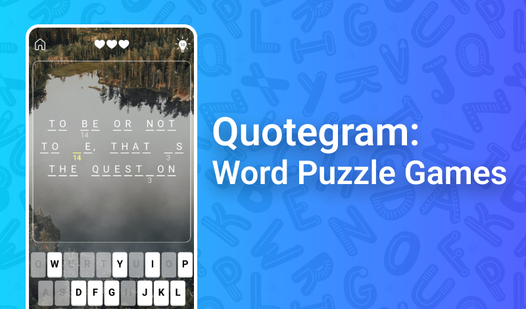
Quotegram: Word Puzzle Games mixes the satisfaction of completing a famous quote with the challenge of a word puzzle. Each level reveals a new quote as you correctly place letters — it's oddly motivating.
Quotegram: Word Puzzle Games
Cryptograms tap into the human obsession with patterns, turning simple sentences into rewarding intellectual challenges. Quotegram: Word Puzzle Games ...
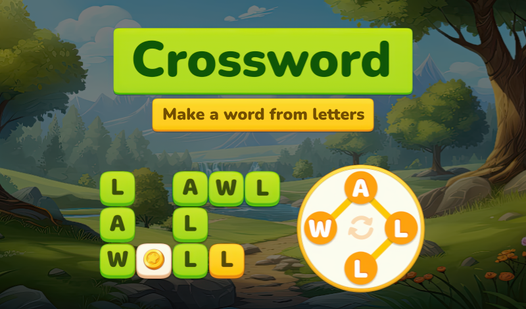
▶ Play FreeCrossword - Make a word from letters brings the classic crossword experience into a casual, approachable format. Instead of filling in clues, you arrange provided letters to complete the grid. Great for crossword fans who find traditional clues too obscure.
Crossword - Make a word from letters
Staring at the clock during a slow afternoon is the worst, but a quick mental escape can turn your entire day around. Crossword - Make a word from let...
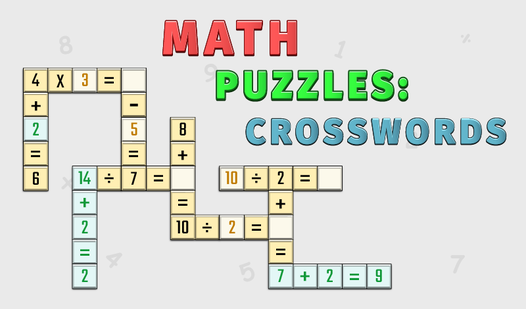
▶ Play FreeFor players who like mixing numbers with language, Math Puzzles: Crosswords offers a unique hybrid experience. Mathematical expressions fill the grid alongside words, so both sides of your brain get a workout.
Math Puzzles: Crosswords
Staring at a blank screen during a coffee break is a recipe for boredom when you could be sharpening your mind instead. Math Puzzles: Crosswords is th...
▶ Play FreeWords Crosswords delivers exactly what the name promises — a solid crossword experience with a varied puzzle selection. Multiple difficulty levels mean you can ease in gently or challenge yourself with expert grids.
Words Crosswords
Language is a vast landscape of hidden patterns that reveals itself the moment you start connecting random characters into meaningful sequences. Words...
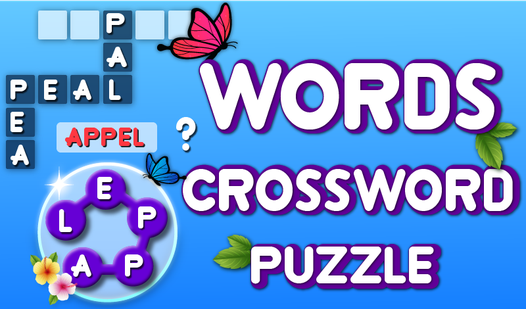
▶ Play FreeWords Crossword Puzzle takes a slightly different approach, with a focus on timed completion and leaderboard competition. If you're motivated by rankings, this one will keep you coming back.
Words Crossword Puzzle
Crossword puzzles have remained a timeless staple of mental fitness because they force the brain to bridge the gap between memory and logic. Words Cro...
▶ Play FreeWordmix Online is a multiplayer-friendly word mixer where you race to form words from shared letter pools. The real-time competitive element adds serious pressure and makes every session unpredictable.
Wordmix Online
Connect letters in the correct sequence to reveal hidden vocabulary and clear the board in Wordmix Online. This addictive puzzle experience challenges...
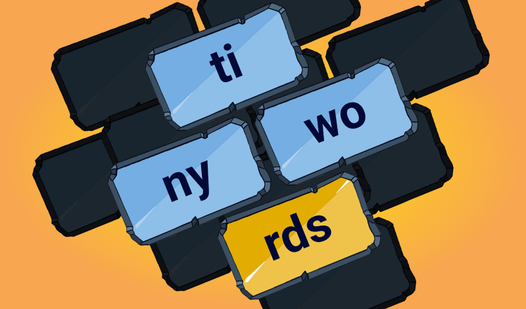
▶ Play FreeTiny Words proves that constraints breed creativity. With a minimal letter set and compact grid, every word you form genuinely matters. The minimalist design keeps the focus entirely on vocabulary.
Tiny Words
Word enthusiasts and puzzle fans will find endless delight in the soothing challenge of Tiny Words. This clever twist on the classic mahjong solitaire...
▶ Play FreeWordle: Guess the words from 5 letters offers another excellent Wordle-format experience with clean visuals and a fresh daily puzzle structure. Ideal for players who want a daily brain warm-up.
Wordle: Guess the words from 5 letters
Crack the code by guessing hidden five-letter terms using your sharp wit and refined vocabulary. You enter a word to test your luck, receiving color-c...
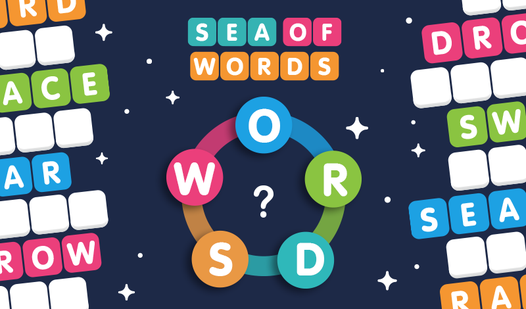
▶ Play FreeFinally, Sea of Words drops you into an ocean-themed word adventure where forming words unlocks progress through levels. The narrative wrapper gives extra motivation to keep playing beyond the puzzle itself.
Sea of Words
Fans of stimulating brain teasers will find Sea of Words to be the ultimate companion for daily mental sharpening. This engaging word game puts your l...
▶ Play FreeBuilding a Practice Routine
Getting better at word games isn't just about playing more — it's about playing deliberately. Here's a simple routine that works:
Daily puzzle sessions (15–20 minutes): Commit to one Wordle or cryptogram per day. Consistency beats marathon sessions. Your brain retains vocabulary much better through regular short exposure than occasional binge-playing.
Post-game analysis: After each session, look up words you didn't think to use. What three-letter words could have been formed from that letter pool? What suffix could have extended that word? Deliberate reflection accelerates improvement faster than passive play.
Vocabulary expansion: Reading widely — articles, novels, essays — naturally expands the word bank your brain draws from during games. Players who read regularly almost always outperform those who don't.
Play against stronger opponents: Competitive word games reveal gaps in your knowledge that solo play never surfaces. Getting beaten is only frustrating if you don't learn from it. Treat losses as a curriculum.
Why Word Games Are Good for You
Beyond pure entertainment, there's genuine cognitive value in regular word game play. Studies in neuroscience consistently find that vocabulary-based games support working memory, increase reading fluency, and may help maintain mental sharpness as we age.
They're also fantastic stress relievers. There's something deeply satisfying about the moment a long word clicks into place, or when a cipher finally resolves into a coherent sentence. That small hit of accomplishment is real, and it's a healthy form of mental reward.
For younger players, word games build spelling, reading, and communication skills in a context that feels like play rather than school. For adults, they offer a low-stakes way to stay mentally engaged during commutes, breaks, or wind-down evenings.
Tips for Beginners Starting Out
If you're brand new to word games, here's the most practical starter advice:
Don't overthink it. The best word is often the most obvious one you're second-guessing. Trust your first instinct more often than you'd expect.
Start on easy mode. Every word game has difficulty settings or beginner-friendly variations. There's no shame in starting at the bottom — that's what the bottom is for.
Focus on common letter combinations first. CH, TH, SH, PH, EA, OO, OU — knowing these pairs cold makes spotting words dramatically faster.
Play without the timer initially. When you're learning a new game format, disable the clock if possible. Understanding the mechanics matters more than speed at first. Once you know what you're doing, the timer adds fun rather than frustration.