Best Word Games for Kids: TOP 17 Free Online Picks
Finding the best word games for kids online doesn't have to be a headache. Whether your child is just starting to read or already loves spelling challenges, there's a whole world of free browser games that make learning feel like play. No app store, no credit card, no waiting — just open the browser and start. This roundup covers 12 standout picks covering vocabulary building, creative thinking, puzzle solving, and straight-up fun. And yes, all of these are word games online free for kids — no subscriptions, no downloads, nothing to install.
Best Word Games for Young Learners
Young kids learn best when they're having too much fun to notice they're actually studying. The games in this section are designed exactly that way — bright visuals, simple controls, and just enough challenge to keep little minds engaged without tipping into frustration.
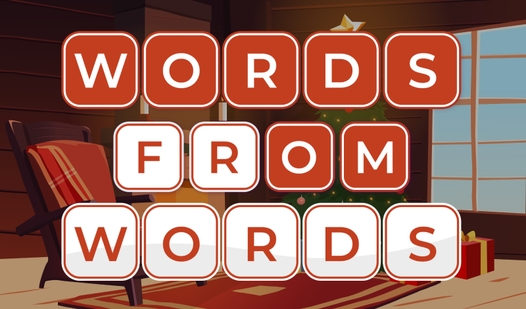
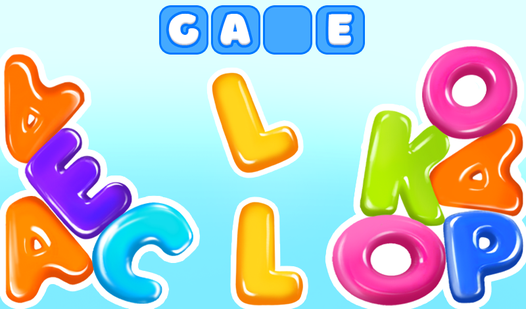
Words from Words is a brilliant starting point for any child building their vocabulary. The concept is beautifully simple: you're given a set of letters and your job is to form as many words as you can from them. It's a mental workout disguised as a game. Kids discover new words naturally, without any pressure, and the satisfaction of spotting a hidden word never gets old. This kind of active word discovery is far more effective than flashcard drills — the brain retains what it finds on its own.
Words from Words
Language is a vast playground where even a single long noun hides dozens of shorter secrets waiting to be unlocked. Words from Words challenges your v...
▶ Play FreeLetter Chain: Word Merge! takes the same core idea but adds a tactile, satisfying mechanic — you drag and connect letters to form words on screen. It's perfect for kids who like hands-on interaction, and the chain-building format makes it feel almost like a toy. Children can play at their own pace while quietly reinforcing the spelling patterns they've been learning in class. Even reluctant readers find it hard to put down.
Letter Chain: Word Merge!
Launch bouncy jelly letters into the air to collide and merge them into new characters across a vibrant playfield. Letter Chain: Word Merge! challenge...
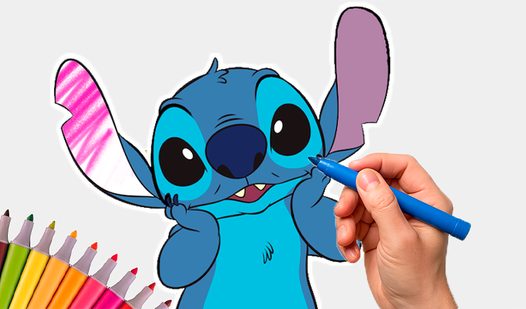
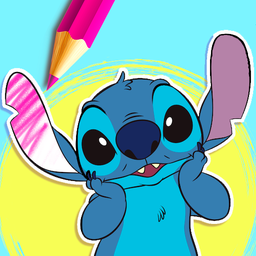
▶ Play FreeCreative play is just as important for language development as direct word practice. Lilo & Stitch: Coloring Book for Kids might look like "just" a coloring game, but it's a rich environment for storytelling and vocabulary expansion. Kids narrate what they're coloring, describe scenes, and build descriptive language skills organically. The familiar characters give even reluctant talkers something to be genuinely excited about, and parents can prompt conversation by asking what the characters are doing in the picture.
Lilo & Stitch: Coloring Book for Kids
Unleash your inner artist with Lilo & Stitch: Coloring Book for Kids, a delightful browser game where you bring your favorite Disney characters to lif...
▶ Play FreeAnimals for Kids and Their Sounds is a gem for the youngest learners. It uses colorful photographs and real animal sounds to teach names, descriptions, and the connection between written words and the real world. Kids love matching sounds to animals, and parents love watching their children make the connection between spoken language and written text. It's one of those deceptively simple games that quietly builds a huge vocabulary base.

Animals for kids and their sounds
Learning about the natural world is a fundamental milestone for every curious toddler. Animals for kids and their sounds brings the vast wilderness to...
▶ Play FreeSpelling and Vocabulary Builders
Once kids have the basics down, they need games that push their spelling and vocabulary further. This section is full of options that treat spelling like a puzzle — which is exactly what it is.
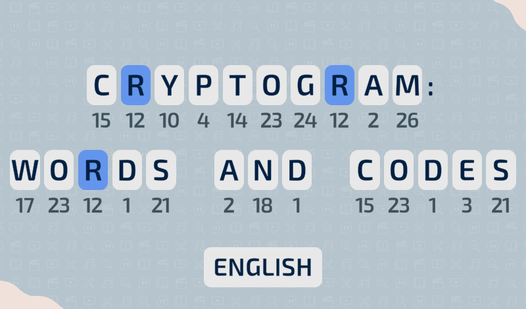
Cryptogram: Words and Codes is one of the most underrated educational games for older kids (ages 8 and up). Each level presents a famous quote or phrase with missing letters replaced by coded symbols. Players decode the message by figuring out which letter each symbol represents. It's part logic puzzle, part spelling challenge, and completely absorbing. Kids who love mystery stories go absolutely wild for this one, and it quietly builds both logic skills and vocabulary with every solved puzzle.
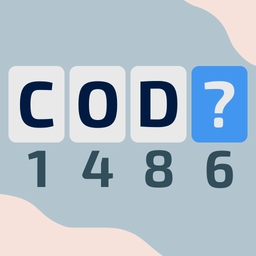
Cryptogram: Words and Codes
Cracking secret codes is one of the most intellectually satisfying ways to sharpen your focus during a quick break. Cryptogram: Words and Codes turns ...
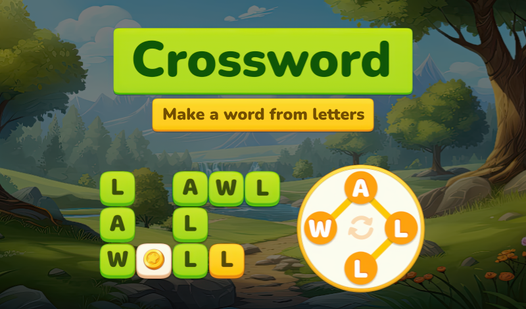
▶ Play FreeCrossword — Make a Word from Letters brings the classic crossword format into the modern browser game world. Players are given scattered letters and must arrange them to fill in the crossword grid. It's a fantastic way to reinforce spelling patterns while also developing spatial thinking. Because every answer in a crossword connects to other answers, kids start to see how words relate to each other — which is foundational for reading comprehension.
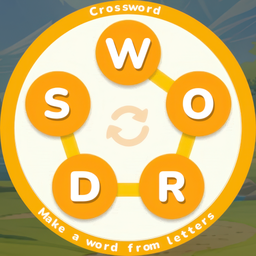
Crossword - Make a word from letters
Staring at the clock during a slow afternoon is the worst, but a quick mental escape can turn your entire day around. Crossword - Make a word from let...
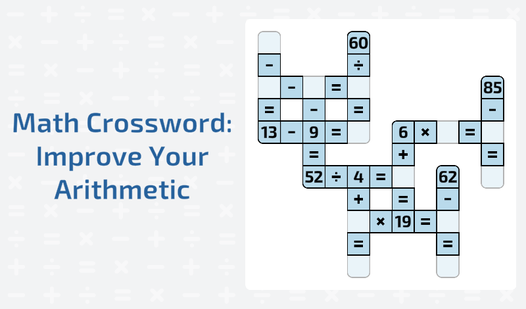
▶ Play FreeMath and language might seem like opposites, but Math Crossword: Improve Your Arithmetic proves they work beautifully together. Instead of words, the crossword is filled with numbers and equations — but the puzzle-solving skills are identical. Kids who struggle with abstract math problems often find it much easier when numbers are arranged in a familiar crossword grid. It's a clever bridge between subjects, and the sense of completion when a row or column clicks into place is genuinely satisfying.
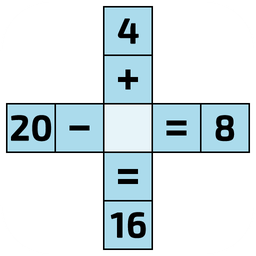
Math Crossword: Improve Your Arithmetic
Drag and drop number tiles into empty slots to solve complex equations in this addictive brain teaser. Math Crossword: Improve Your Arithmetic challen...
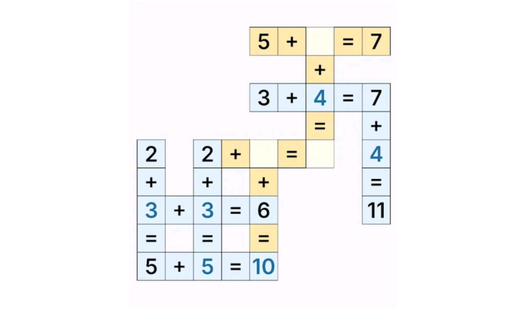
▶ Play FreeMath Crossword. Number Puzzle expands on this idea with more variety and different difficulty levels. Whether your child is working on addition, subtraction, or early multiplication, there's a grid ready for them. The crossword format turns math practice into a satisfying puzzle hunt rather than a chore, and kids can work through it at their own speed without any time pressure.
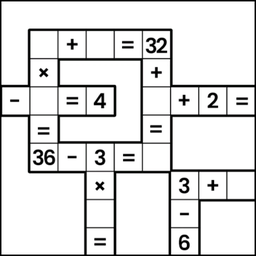
Math Crossword. Number Puzzle
Crosswords are usually about finding hidden words, but this unique brain teaser flips the script by turning arithmetic into your primary vocabulary. M...
▶ Play FreeFor a quick daily math puzzle habit, Math Crossword Puzzle is the most streamlined of the trio — clean interface, progressive difficulty, and just the right amount of brain challenge to feel rewarding without tipping into frustration. Great for morning warm-ups before school.
Word Puzzle Games Kids Love
Beyond spelling and vocabulary drills, the best word games for kids involve puzzles that build lateral thinking — the kind of mental flexibility that makes kids better readers and writers in the long run.
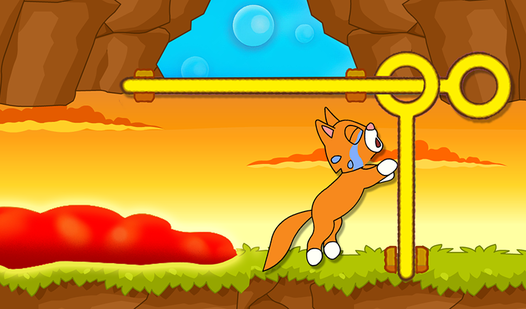
Save the Kitten: Games for Kids & Girls sounds like a simple rescue adventure, but it's built around quick decision-making and reading on-screen cues accurately. Players have to react to instructions, think fast, and choose the right moves to rescue kittens. The adorable framing makes it irresistible, and kids end up practicing their reading and reaction skills without realizing it. Few games manage to make reading comprehension feel this urgent and fun.
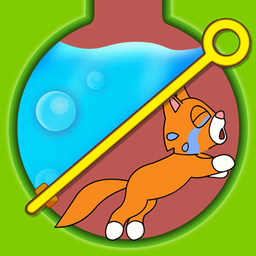
Save the Kitten: Games for Kids & Girls
Rescuing adorable kittens from the clutches of a mischievous cat requires lightning-fast reflexes and a steady hand. Save the Kitten: Games for Kids &...
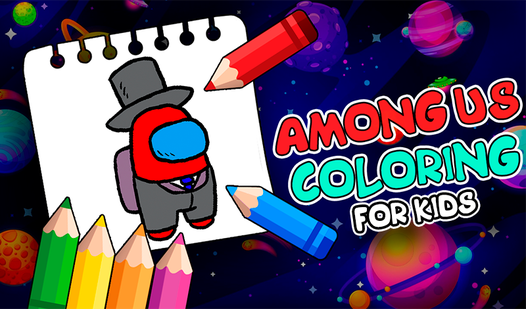
▶ Play FreeAmong Us Coloring for Kids takes the wildly popular Among Us universe and turns it into a creative coloring experience. This game works best when kids narrate their choices — "I'm making this one the imposter, and they're wearing a red spacesuit because red is suspicious" is exactly the kind of imaginative language that builds storytelling skills. Kids who already love the game will have endless commentary, which is pure vocabulary development in disguise.
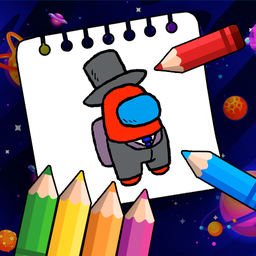
Among Us Coloring For Kids
Young fans of the impostor craze will adore spending time with Among Us Coloring For Kids. This creative digital art studio brings your favorite space...
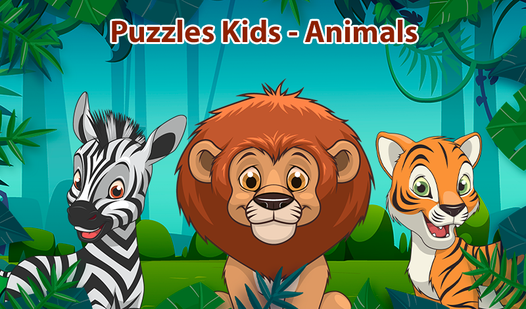
▶ Play FreePuzzles Kids — Animals is a satisfying match-and-learn game where children connect animal images with their names. It sounds straightforward, but it's a powerful vocabulary builder for younger children who are still learning the names of animals they've never seen in real life. The interactive format locks words into memory far more effectively than a picture book, because the child has to actively retrieve and confirm the match.
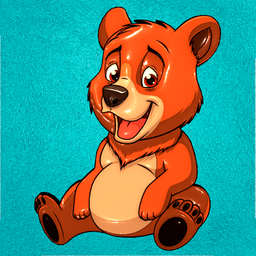
Puzzles Kids - Animals
Drag and drop colorful shapes to assemble adorable creatures in Puzzles Kids - Animals. This browser-based experience makes learning animal names a br...
▶ Play FreeFor hands-on puzzle fans, Jigsaw Puzzles for Kids: Trains offers a different kind of spatial challenge. Assembling a jigsaw puzzle builds the same left-to-right, part-to-whole thinking that underlies reading comprehension. As kids work through the puzzle and talk about what they're doing, they're building descriptive language skills at the same time — especially when a parent or sibling joins in.
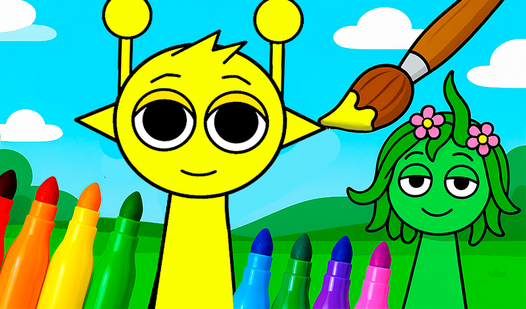
Sprunki — Coloring Book for Kids is a bright, accessible coloring game built for the very youngest players. The controls are simple enough for preschoolers, and the bold colors provide endless opportunities for naming colors, shapes, and objects. Think of it as a gateway game — once kids are comfortable with interactive browser games, they're ready for more complex challenges on this list.
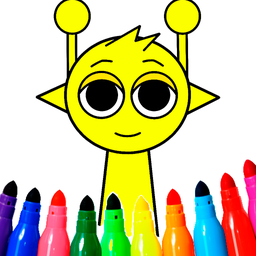
Sprunki - Coloring Book for Kids
Artistic expression is a vital part of child development, and coloring remains one of the most effective ways to nurture early imagination. Sprunki - ...
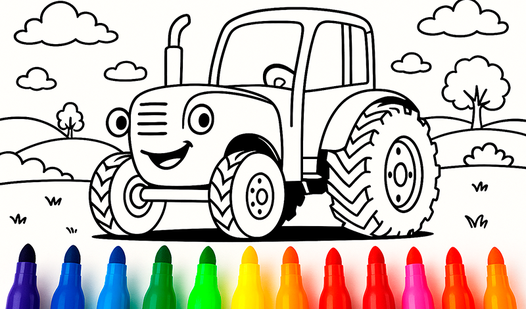
▶ Play FreeBlue Tractor: Coloring Book for Kids follows the same kid-friendly formula with a beloved tractor character at the center. Young children love recognizable characters, and having a familiar face on screen keeps them engaged longer. As they color, parents can prompt simple word-building conversations: "What color is the tractor? What does a tractor do? Can you think of other blue things?" These prompted conversations are among the most effective vocabulary-building activities available to parents.
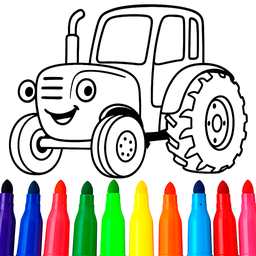
Blue Tractor: Coloring book for kids
Bring your favorite characters to life as you splash vibrant hues across every scene. Blue Tractor: Coloring book for kids offers a digital canvas whe...
▶ Play FreeColoring by Numbers for Kids adds a layer of numeracy to the creative experience. Each section of the image is labeled with a number, and each number corresponds to a color. Kids have to read the legend, match numbers to colors, and fill in the image — it's a reading and early math task wrapped in a creative activity. The finished result gives kids a real sense of accomplishment.
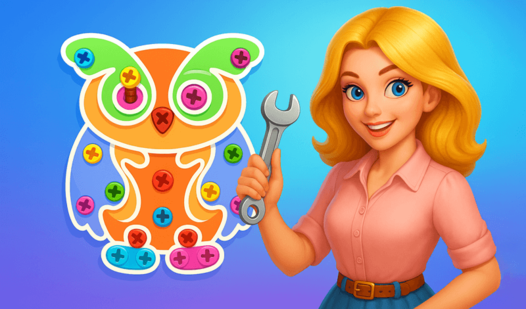
Screw Puzzle: Nuts & Bolts is a mechanical puzzle that builds sequential reasoning — figuring out the correct order to unscrew bolts to clear the board. While it's not a word game in the traditional sense, the logical sequencing skills it develops are directly relevant to reading comprehension and sentence construction. Kids who get good at sequencing puzzles tend to become stronger readers, because they naturally understand that order matters.
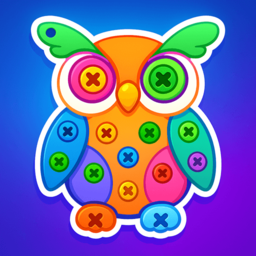
Screw Puzzle: Nuts & Bolts
Mechanical puzzles offer a strangely satisfying way to sharpen your mind while unwinding after a long day. Screw Puzzle: Nuts & Bolts transforms the s...
▶ Play FreeHow Word Games Help Kids Learn
There's genuine science behind why word games are so effective for children's development. Here's what actually happens when kids play:
Vocabulary grows faster through active use. When a child has to form a word from given letters or decode a cryptogram, they're actively retrieving and using language — not passively receiving it. Active retrieval is one of the most effective learning mechanisms researchers have identified. Every word a kid finds in a word game becomes a word they're more likely to use in conversation and writing.
Spelling becomes intuitive rather than memorized. Kids who play spelling games regularly start to recognize which letter combinations look right and which ones feel wrong. This pattern recognition is how expert spellers actually work, and games build it naturally over time. Memorizing weekly spelling lists produces short-term results; games produce lasting instinct.
Reading speed improves organically. Games that require consistent reading across many rounds train the eyes and brain to process text more quickly. Kids who read slowly often become measurably faster readers simply by playing word games regularly — not because anyone told them to practice, but because the games made it necessary.
Focus and patience get stronger. Any game that requires a child to sit with a problem and think it through rather than click randomly until something works builds genuine executive function. Crossword puzzles and cryptograms are especially good for this. The habit of thinking before acting translates directly into better classroom performance.
Confidence with language grows. One underrated benefit of word games is how they shift the way kids feel about language itself. A child who feels good at word games starts to identify as "a reader" or "someone who's great at spelling." That identity shift changes how they approach schoolwork — and it starts from a game.
Social language develops too. When kids play word games with siblings, parents, or friends, they naturally discuss strategies, debate word choices, and explain their reasoning. This kind of collaborative language use is genuinely valuable, and it happens spontaneously through play without any lesson plan required.
Tips for Parents — Choosing the Right Game
Not every game is right for every child or every age. Here are a few practical guidelines for matching games to your kid's stage and interests:
Ages 3–5: Sensory and visual games first. At this age, the goal is building foundational language — colors, animals, shapes, simple words. The coloring games in this list (Sprunki, Blue Tractor, Lilo & Stitch, Among Us Coloring) are perfect for this group. The key is to play alongside your child and narrate aloud: "You picked yellow! Yellow is the color of the sun and bananas."
Ages 5–7: Simple word-matching and spelling games. Games like Animals for Kids and Their Sounds, Puzzles Kids — Animals, and Words from Words work beautifully for early readers. Keep sessions short (10–15 minutes) and respond enthusiastically to every discovery.
Ages 7–10: Ready for real challenges. Kids in this range can handle Cryptogram: Words and Codes, Crossword — Make a Word from Letters, and the math crossword series. These games provide genuine challenge and will keep kids occupied for longer, more focused sessions.
Ages 10+: Push with complexity. Older kids appreciate games that feel grown-up. Cryptograms and math crosswords at harder difficulty levels are great choices — and they'll feel proud of conquering them.
Match the game to your child's interests. A kid who loves animals will engage far more with animal-themed puzzles. A fan of Among Us will happily spend time with the Among Us coloring book. Motivation matters more than picking the theoretically "best" game in the abstract.
Play with them, at least at first. The biggest predictor of whether a child sticks with a game is whether a parent showed genuine interest. Spending 10 minutes playing together is worth more than any screen time policy. Ask questions, express real curiosity, let your child explain the rules to you.
Keep it fun, not productive. The moment word games start to feel like homework, kids disengage. Let the focus stay on fun. The learning happens automatically in the background — that's the whole point.
Rotate regularly. No single game should be the only option. Variety keeps engagement high and exposes kids to different types of language challenges. Try a new one each week and let your child pick their favorite to revisit.
All the games in this article are completely free, play in any browser, and require no registration or account. You can bookmark your favorites and come back any time. That's the real beauty of choosing to play word games for kids online — it's always available, always free, and always ready when you need a quick brain-building break.