How to Play With Player Ratings: Rules & Strategies
If you've ever wondered how to play with player ratings and make the most of competitive multiplayer games, you've landed in the right place. Whether you're chasing leaderboard glory or just trying to figure out why your score keeps dropping, this guide breaks down everything you need to know — rules, mechanics, smart strategies, and the best free games to practice on right now.
Player rating systems are everywhere in online gaming. They're the invisible hand that sorts players by skill, matches you with opponents of similar ability, and tells you how you stack up against everyone else. But for a lot of players, these systems feel like a black box. You lose a match, your rating drops, and you have no idea why or what to do about it.
This guide changes that.
What Are "With Player Ratings" Games?
Games with player ratings are any competitive multiplayer titles that assign each player a numerical or rank-based score reflecting their skill level. This score changes based on your performance — wins push it up, losses pull it down, and some systems factor in things like score margins, consistency, and even individual in-game achievements.
The concept goes back decades, rooted in chess's Elo rating system developed in the 1960s. Today, nearly every competitive game — from battle royales to quiz titles to sports games — uses some form of rating to create fair, balanced competition.
What makes these games interesting isn't just winning. It's the progression. You start low, you grind, you improve, and you watch a number climb. That feedback loop is what keeps millions of players coming back.
There are several common rating models you'll encounter:
Elo-based systems — Your rating goes up or down based on match outcomes relative to your opponent's rating. Beating a stronger player rewards more points.
MMR (Matchmaking Rating) — Similar to Elo but often hidden from players. The game uses it internally to find fair matches.
Rank Tiers — Systems like Bronze/Silver/Gold/Platinum where you need to hit point thresholds to advance.
Score-based Ratings — Common in casual games, where your rating is a direct reflection of your cumulative in-game score.
Massive multiplayer games often combine several of these. A 100-player battle royale, for instance, might use hidden MMR for matchmaking while displaying a visible rank tier to the player.

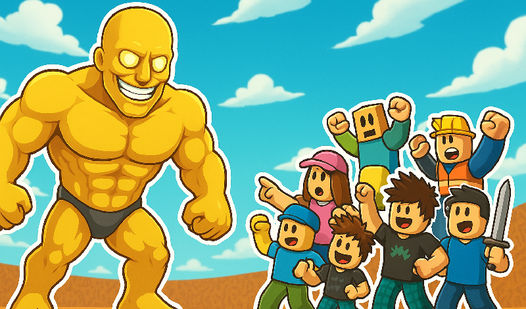
Obby online: 100 Players vs jock Tuntun Sahur
Speedrunners and chaos enthusiasts will find their new obsession in Obby online: 100 Players vs jock Tuntun Sahur. This intense multiplayer experience...
▶ Play FreeHow to Play With Player Ratings: Core Rules
Understanding how to play with player ratings starts with knowing the rules of the rating system itself — not just the game you're playing.
Rule 1: Every Action Counts
In rated matches, nothing is throwaway. The game is always recording — kills, deaths, assists, time survived, objectives captured. Even if you lose the match, performing well relative to your rating can minimize how many points you drop.
Rule 2: Opponent Strength Matters
Beat a player rated much higher than you? You'll gain a lot. Lose to someone rated much lower? Expect a significant drop. This is the core mechanic of Elo-style systems, and it means you should always play seriously regardless of who you're facing.
Rule 3: Consistency Beats Lucky Wins
One big win after ten losses doesn't help much. Systems reward consistent performance. A player who goes 7-3 over ten games will almost always outperform one who goes 1-9 and then wins a spectacular match.
Rule 4: Placement Matches Set Your Baseline
Most rated games start new players with placement matches — a set of games that determine your starting rank. Perform well here and you skip a lot of early grinding. Treat placement matches seriously.
Rule 5: Decay Is Real
Some systems penalize inactivity. If you stop playing for a few weeks, your rating may drop automatically. This encourages regular play and keeps the competitive pool active.
How to Play With Player Ratings: Winning Strategies
Now the practical stuff. Knowing the rules is one thing — actually climbing is another.
Play Your Strengths, Not the Meta
Every competitive game has a meta — the current optimal strategies, characters, or setups that top players favor. It shifts constantly. Chasing the meta when you don't fully understand a character or strategy is a recipe for rating loss. Play what you know well. A deep understanding of one style beats surface-level knowledge of five.
Study Your Losses
This is where most players fall short. After a loss, the instinct is to queue up again immediately. Resist that. Spend two or three minutes thinking about what went wrong. Was it a positioning error? Did you get outplayed by a specific strategy? Did you panic in a clutch moment? Identifying patterns in your losses is the fastest way to stop repeating them.
Control Your Emotions
"Tilt" — the gaming term for playing emotionally after frustrating losses — is the single biggest rating killer. A tilted player makes impulsive decisions, plays aggressively when caution is needed, and stops communicating with teammates. If you feel yourself getting frustrated, take a break. Even ten minutes away resets your mindset.
Queue at Peak Hours
Matchmaking quality drops significantly during off-peak hours because there are fewer players in the pool. You're more likely to face wildly mismatched opponents. For the best experience, queue when the most players are online — typically evenings and weekends.
Learn the Map or Arena
In spatial games — shooters, strategy titles, combat games — map knowledge is a massive advantage. Knowing optimal positions, chokepoints, spawn patterns, and resource locations lets you make better decisions faster than players who are still figuring out where to go.

Guess the football player by their career!
True fans of the sport who live and breathe every match will find their ultimate challenge in Guess the football player by their career. This engaging...
▶ Play FreeTeamwork in Two-Player and Team Rating Games
Many of the best rated games are team-based. Here, your individual skill only gets you so far. The most effective players in team environments focus on:
Communication — Keep callouts short and relevant. "They're pushing left" beats "I think maybe one of them might be going around the side."
Role clarity — In two-player games especially, split responsibilities naturally. If your partner is aggressive, play the support angle. Coordination beats raw aggression almost every time.
Adapting in real-time — The game plan that worked in round one may need adjusting by round three. Players who can read the match and shift strategy mid-game win far more rated matches than those who run the same play repeatedly.
Two-player combat games create some of the most intense rating scenarios because every mistake is fully visible and unforgivable. There's no team to cover for you. That pressure is part of what makes them addictive.

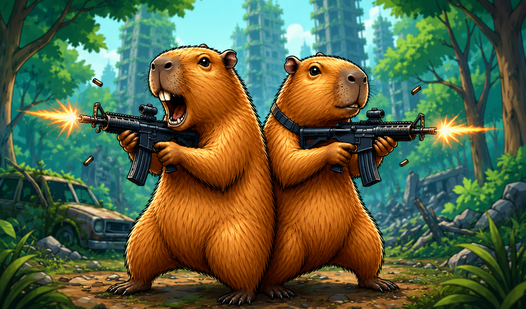
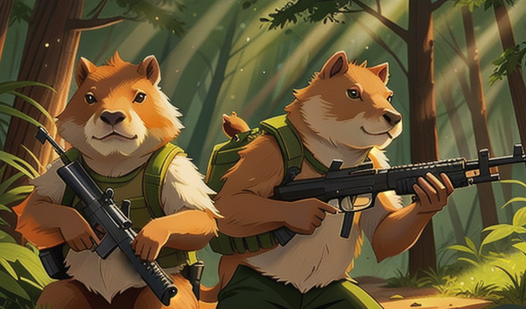
Capybaras with Guns 2. A Game for Two Players
Fans of local multiplayer mayhem will find their new obsession in Capybaras with Guns 2. This chaotic platformer turns adorable rodents into trigger-h...
▶ Play FreeRating Systems in Quiz and Knowledge Games
Not all with player ratings games involve physical combat. Knowledge-based competitive games — quiz titles, sports trivia, career guessers — have their own rating logic. Here, skill means the speed and accuracy of your answers, breadth of knowledge, and sometimes strategic betting or wagering mechanics.
In these games, the strategies shift:
Study high-frequency topics — Most quiz games pull from predictable categories. In football games, certain eras, leagues, and famous players come up constantly. Focus your preparation there.
Use elimination logic — When you're unsure, narrow your options. Rule out obviously wrong answers before committing.
Don't overthink — Speed often matters. Your first instinct is right more often than you think, especially under pressure.
Track patterns — Many quiz games cycle through similar question structures. Play enough matches and you'll start recognizing question types even when the specific content is new.
Best Free With Player Ratings Games Online
Here's where theory meets practice. The following games are available for free right now, and each one offers a distinct take on rated competitive play.
Horror Folk Games for Two Players
If you want high-stakes rated play with a genuinely unsettling atmosphere, this one delivers. Built around Russian folklore themes, this co-op horror experience pits two players against game mechanics rooted in Slavic legend. The co-op rating system here rewards staying together, solving environmental puzzles efficiently, and surviving — not just fighting. Communication is critical, and players who know their folklore have a surprising edge in reading the game's logic.

Horror folk games for two players
Staring at the screen during a boring break is the worst, but you have found the perfect remedy to spice up your downtime. Horror folk games for two p...
▶ Play FreeTank Duel: Steel Monsters
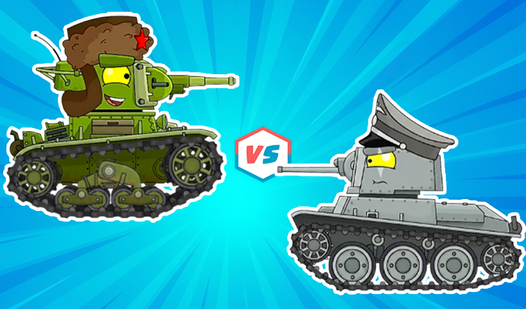
Pure two-player competitive combat, but with tanks. The cartoony visual style is deceptive — Tank Duel: Steel Monsters (2 PLAYERS) has a surprisingly deep rating system that rewards positioning, angle of attack, and resource management over raw firepower. New players tend to charge; rated players tend to control. Learn the maps, use cover aggressively, and never fire without a clear shot — wild shots give your position away.
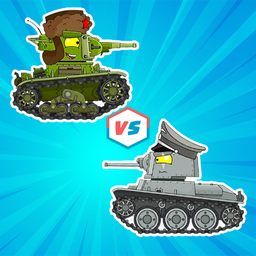
Tank Duel: Steel Monsters (2 PLAYERS)
Dominate the battlefield in Tank Duel: Steel Monsters as you outmaneuver your opponent with precise movement and tactical shield usage. This high-octa...
▶ Play FreeCapybaras with a Guns (Two-Player)
The spiritual predecessor to Capybaras with Guns 2, this version strips things down to the purest form of the competitive formula. Two players, guns, physics-based chaos. The rating system rewards adaptability — the game's physics mean that no two matches play out identically, so players who stay calm and adjust beat those who try to force a preset strategy.
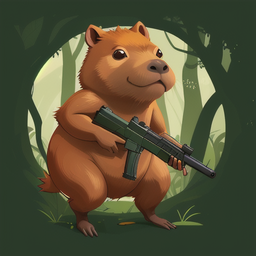
Capybaras with a Guns. A two-player game.
Capybara combat has officially evolved from chill vibes to high-octane action in this chaotic platformer. Players step into the fur of the world's mos...
▶ Play FreeCatnap vs Dogday: Tag 2 Player
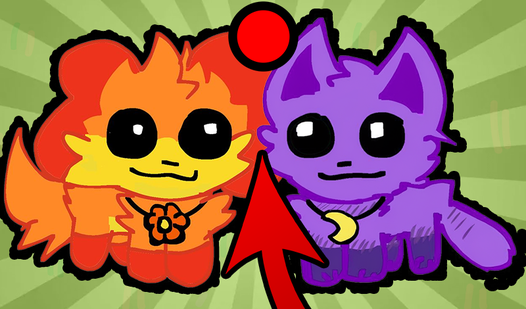
A two-player tag game with some unexpected rating depth. One player chases, one player evades — and the roles swap. The rating system tracks both sides of performance, meaning you need to be competent at both hunting and escaping. Players who only train one side tend to plateau early. This is one of the few games where versatility is directly measured.
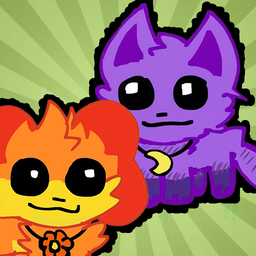
Catnap vs Dogday: Tag 2 Player
Staring at the clock waiting for your shift to end or just need a quick mental escape from a monotonous afternoon? Catnap vs Dogday: Tag 2 Player is t...
▶ Play FreeCar Crash Multiplayer
High-chaos, high-energy multiplayer destruction. Car Crash Multiplayer uses a score-based rating system tied to damage dealt, vehicles destroyed, and survival time. Strategy here is about energy conservation — don't burn out early chasing individual targets. Control the center of the arena, let others take hits, and clean up weakened opponents.
Cats for Two Players
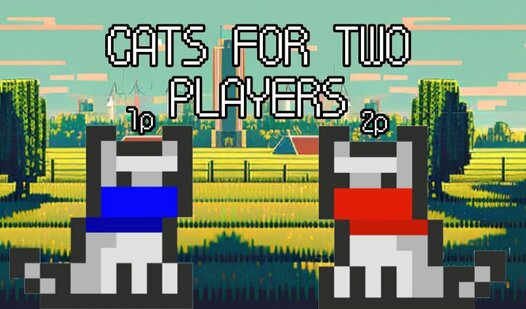
Deceptively simple, surprisingly competitive. Cats for Two Players is a local/online two-player game that tests reaction speed and spatial awareness. The rating system is clean and responsive — win and you go up, lose and you go down, with minimal fluff. Perfect for players who want a pure skill comparison without complex mechanics getting in the way.

Cats for two players
Competitive local multiplayer games turn simple living rooms into arenas of pure chaos and joy. Cats for two players brings this intensity to your scr...
▶ Play FreeSquid Game: Soldiers vs Players
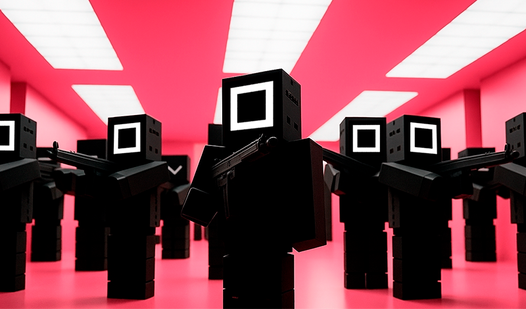
One of the most asymmetric rated games in this list. Soldiers and Players have completely different objectives and toolkits — your rating improves independently depending on which side you play. The interesting strategic wrinkle is that top-rated players on one side tend to develop expertise against specific tactics from the other side, creating a constant strategic arms race. If you want long-term rated growth, learn both sides deeply.

Squid Game: Soldiers vs Players
Survival strategies often require a blend of tactical foresight and raw military power to overcome relentless waves of opponents. Squid Game: Soldiers...
▶ Play FreeCommon Mistakes That Kill Your Rating
Beyond the strategies, there are specific habits that consistently drag ratings down. Avoid these:
Playing too many games in one session — Fatigue degrades your play quality significantly after a certain point. Most competitive players see their best results in the first 2-3 hours of a session.
Ignoring the tutorial or practice modes — Rated matches are for demonstrating skill you already have, not learning the game. Use unranked modes to experiment and learn.
Blaming teammates or luck — There's always some randomness in team games. The players who improve fastest focus entirely on what they control — their own decisions.
Playing out of your skill range deliberately — Boosting (playing with much higher-rated players to inflate your score) or smurfing (playing on a low-rated account to dominate weaker players) both corrupt the rating system and ultimately prevent real skill development.
Not adjusting to the patch — Games update regularly, and with those updates come balance changes that can flip the meta overnight. A strategy that won you twenty matches last month may be suboptimal now. Stay current.
How Ratings Affect Matchmaking Quality
Here's something a lot of players overlook: rating systems aren't just about ego. They exist to make your matches better.
When the matchmaking system works well, every game should feel competitive — you should have a real chance of winning and a real chance of losing. That tension is what makes competitive gaming compelling. When ratings are inflated, deflated, or gamed, matchmaking breaks down and matches become one-sided.
This is why intentional losing (sometimes called "griefing") to lower your rating is genuinely harmful — not just to your own experience, but to every player you get matched with afterward.
The best rated players understand that the rating itself is a side effect of consistent good play, not the primary goal. Focus on playing well. The rating follows.
Tips for New Players Entering Rated Play
If you're brand new to competitive rated games, a few things will save you a lot of frustration:
Start with unranked — Most games have a non-rated mode. Use it. Learn the mechanics without the pressure of rating stakes.
Specialize before you diversify — Pick one game type (one-on-one, team-based, quiz, etc.) and stick with it long enough to actually improve. Spreading across five different game types simultaneously slows progress in all of them.
Set small, specific goals — "Get better" is too vague to be useful. "Improve my win rate in the first three minutes of the match" is something you can actually work on.
Track your stats over time — Many games show match history and individual statistics. Use them. Trends in your data will reveal weaknesses you can't spot in the moment.
Find a practice partner — Two-player games especially benefit from having a regular opponent who gives honest feedback. Grinding with a friend who tells you what you're doing wrong accelerates improvement dramatically.