How to Play Music Games: Rules, Strategies & Free Play
Music games are everywhere right now — and if you've been searching for как играть в Music (how to play music games), you're in the right spot. Whether you're tapping along to rhythm tracks, mixing beats with cartoon characters, or clicking Italian Animals memes to unlock chaotic sounds, music-themed browser games have exploded in variety and creativity. This guide covers the rules, shares real strategies that actually work, and points you to the best free music games running right now — no downloads, no signup required.
What Are Music Games?
Music games are browser-based experiences built around sound, rhythm, and musical creativity. They break down into a few distinct types:
- Rhythm games — hit notes or tap at the right time to the beat
- Music mixer and creator games — combine characters or objects to build original soundscapes
- Clicker games with musical themes — tap, collect, and unlock while music plays in the background
- Meme music games — feature viral audio content wrapped in a casual, chaotic format
The "Music" tag on FreeJoy.games covers all of the above. The common thread is that sound isn't background noise — it's the core mechanic or the main reward. You're not just playing a game that happens to have a soundtrack; you're playing with the music itself.
The genre has roots stretching back decades (anyone remember PaRappa the Rapper?), but the browser-game version has really come into its own. Modern music games are accessible, free, and deeply social — the meme music branch in particular has turned into a whole cultural phenomenon.
The Rules of Music Games — How to Play Music (как играть в Music)
Here's the honest truth about music game rules: they vary wildly depending on the type you're playing. But once you understand the core patterns, picking up a new title takes minutes rather than hours.
Rhythm games work like this: notes or symbols scroll toward a target zone on screen. Your job is to press the right key, click, or tap at the exact moment each note hits the zone. Timing is everything. Early rhythm games had strict timing windows — modern browser versions are generally more forgiving but still reward precision. The cleaner your timing, the higher your score and the more content you unlock.
Music creation games — like the Sprunki-style games that have taken over the music tag — give you a stage and a roster of characters. Each character plays a specific audio loop. You drag and drop them into active positions to layer their sounds together. There's no "wrong" answer in terms of timing, but there's definitely a difference between a chaotic mess of sound and a satisfying layered track. The "rule" here is about harmony and complementary elements rather than split-second reactions.
Clicker and idle music games are the most accessible format. You click or tap to earn currency, then spend that currency to unlock new music, characters, upgrades, and visual content. Progression is the engine. The rules are minimal; the depth comes from how you prioritize your upgrades and when you return to collect idle earnings.
Meme music games are the wildcard category. Rules are usually extremely simple — click, tap, collect — because the appeal is the audio, not the mechanical depth. These are built around viral sounds and internet culture, and the point is discovery and the laugh of recognition when you trigger a sound you've heard a hundred times on social media.
How to Play Music: Strategies and Tips (как играть в Music)
Knowing the rules gets you started. Knowing the strategies gets you good. Here's what actually works across the different formats.
Rhythm Game Strategy
Watch ahead, not at the current note. The most common mistake new rhythm players make is staring at the note that's right in front of them. By the time your eyes register it, you're already late. Train yourself to read 1-2 notes ahead. Your hands react to what your brain has already processed, and that processing takes time.
Learn the pattern, not individual notes. Most rhythm games repeat musical phrases. Instead of seeing 8 individual taps, see it as "two groups of four with a rest between them." Once you recognize a pattern, it shifts from active problem-solving to automatic muscle memory — and that's when your score starts climbing.
Use audio as your primary cue. When visuals are cluttered or lagging, your ears stay consistent. The beat doesn't lie. Sync to the audio, especially when screen effects or animations are throwing off your visual timing.
Drill difficult sections in isolation. Don't restart the whole song every time you fail one passage. Identify the exact moment you lose the thread and repeat just that section until it feels easy. Then run the full track. Most games have restart points that let you do this.
Music Creation Game Strategy
Build from the bottom up. Start with a bass loop or a drum rhythm before layering on melody or effects. Rhythm foundation first, then everything else on top. It mirrors real music production, and it's the reason some combinations sound instantly satisfying while others sound like a fire alarm.
Experiment with unexpected combinations. Some of the best results come from putting a character you'd normally use for bass into a melody role, or stacking two effects that seem like they shouldn't work together. Discovery is a core mechanic in creation games — don't stick to safe, obvious combinations.
Listen for harmonic conflict. If your creation starts sounding muddy or unpleasant, mute elements one by one to find the offender. Usually it's a single loop playing in a different key from everything else. Pull it out and the rest of the stack suddenly sounds clean again.
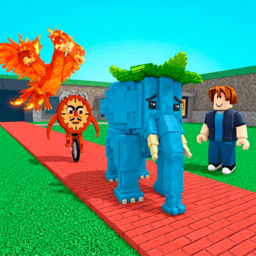
Breinroth: A Musical Legend
Staring at the clock waiting for your shift to end or just need a mental escape from the daily grind? Breinroth: A Musical Legend turns those mundane ...
▶ Play FreeClicker and Idle Music Game Strategy
Prioritize passive income multipliers early. In idle games, active clicking is efficient at the start but doesn't scale. The real acceleration comes from upgrades that multiply your passive earnings. Spend your first currency on these, not on cosmetic unlocks or single characters.
Unlock things that unlock more things. Some upgrades open entire branches of content. In Mine Music style games, unlocking a new character might give you access to 5 new songs and a whole tree of related upgrades. Always ask: what does this open up, not just what does this do right now.
Come back on a schedule, not continuously. Idle games are designed around absence. Log in, spend your accumulated resources, set up the best passive configuration, then leave. Sitting and grinding works against how these games are designed. Twenty minutes of active play every hour beats two straight hours of clicking.
Meme Music Game Strategy
These games are chaos with a UI, and that's intentional. But one consistent strategy works: chase the audio content, not the score. The actual reward in meme music games is discovering new sounds, triggering unexpected combinations, and landing on the perfect viral audio moment. High scores come naturally once you've heard enough of the content to understand the patterns. But hunting score directly means you're missing the point.
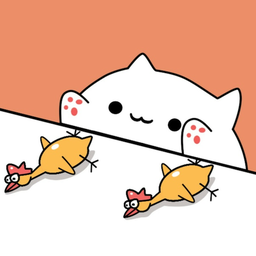
Cat Farm - Meme Music
Internet culture has reached peak cute with the bongo cat phenomenon, and now you have the chance to run your own musical sanctuary. Cat Farm - Meme M...
▶ Play FreeBest Free Music Games on FreeJoy
Theory is useful. Actually playing is better. Here are the standout titles in the music tag right now.
Mine Music 2 — Lololoshka, Vladus, Kompot
If you've spent any time in the Russian Minecraft YouTube ecosystem, Mine Music 2 is instantly recognizable. The game features songs from the Mine universe and lets you unlock Lololoshka, Vladus, Kompot, and more as you progress. It plays like a clicker/collection game, but the real draw is the music library — every YouTuber you unlock brings their own tracks and audio style. Great for both active sessions and idle runs.

Mine Music 2! Lololoshka, Vladus, Kompot!
Tap your way to stardom by spinning your favorite characters to the rhythm of high-energy beats in Mine Music 2! Lololoshka, Vladus, Kompot!. This rhy...
▶ Play FreeMusic Craft — Vladus, Kompot, Tumka, Yuni
Same Mine universe, different mechanical approach. Music Craft puts the YouTuber-unlocking progression into a crafting-style format that feels a bit more structured than a straight clicker. The soundtrack is pure Mine culture throughout, and the roster — Vladus, Kompot, Tumka, Yuni — is a solid collection of recognizable names. If Mine Music 2 is your vibe, this is the natural follow-up.

Music Craft! Vladus, Kompot, Tumka, Yuni!
Fans of Minecraft melodies and popular YouTube personalities will find endless entertainment in Music Craft! Vladus, Kompot, Tumka, Yuni!. This rhythm...
▶ Play FreeSteve, Nubik, Lenya, Enderman and Music
Another chapter in the Mine music universe, starring the classic Minecraft character roster with a heavy musical twist. The recognizable character designs combined with addictive progression make this dangerously easy to start and difficult to stop. Five minutes becomes forty without you noticing.
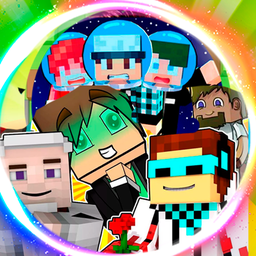
Steve, Nubik, Lenya, Enderman and music!
Tap on your favorite characters to kick off rhythmic beats and earn points in this vibrant musical adventure. Steve, Nubik, Lenya, and Enderman are wa...
▶ Play FreeMusical Pets — Cute Singing Cats
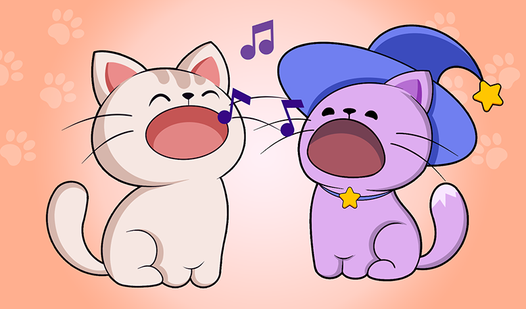
Sometimes the right call is something sweet and low-pressure. Musical Pets gives you a collection of adorable cats who sing their hearts out, each with distinct personalities and sounds. The mechanics are simple, the audio is charming, and the animations are legitimately funny. Great entry point for anyone new to music games, or perfect as a palate cleanser between more intense sessions.

Musical Pets! Cute Singing Cats
Rhythm games have a unique way of turning simple melodies into an addictive challenge that keeps you tapping along for hours. Musical Pets! Cute Singi...
▶ Play FreeMeme Music — Pedro, Pomni, Omega Nuggets
Three of the internet's most recognizable characters collide in one game. Pedro the raccoon, Pomni from The Amazing Digital Circus, and Omega Nuggets — each bringing their viral audio baggage with them. If you've been on social media at any point in the last year or two, you'll recognize half the sounds within the first 30 seconds. The game format is a backdrop for audio discovery more than anything else, and it works exactly as intended.

Meme Music. Pedro, Pomni, Omega Nuggets!
Fans of viral internet culture will absolutely love Meme Music. Pedro, Pomni, Omega Nuggets! for its hilarious tribute to the most iconic memes of the...
▶ Play FreeItalian Animals and Music — Click on Tralalero
Tralalero Tralala. Bombardiro Crocodilo. Tung Tung Sahur. The Italian Animals meme has fully crossed into mainstream internet culture, and this game is a direct, unashamed celebration of it. You're clicking on the characters to trigger their iconic sounds, building up a chaotic orchestra of absurdist audio. Simple mechanics, maximum entertainment value, and a perfect time capsule of a specific moment in internet history.
Brainrot Hits — Meme Music, Steal the Brainrot
The Brainrot audio genre is having its moment, and this game is right in the thick of it. Brainrot Hits wraps some of the most unhinged audio from recent internet culture in a collect-and-steal game format. The music itself is the prize — every new sound you unlock is a new piece of Brainrot content, and the game knows its audience perfectly. Loud, chaotic, and surprisingly addictive.
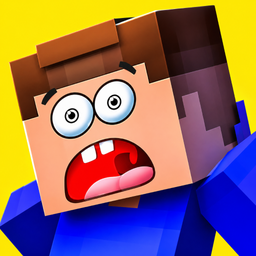
Brainrot Hits! Meme music steal the Brainrot
Internet humor moves at a lightning pace, and Brainrot Hits! Meme music steal the Brainrot captures that chaotic energy perfectly. You will find yours...
▶ Play FreeAdvanced Tips for Getting Seriously Good at Music Games
Once you have the fundamentals, a few things separate casual players from people who actually go deep.
Commit to One Game at a Time
Skill in music games is largely title-specific. Rhythm patterns, audio cues, unlock trees — they're all different per game. If you want to actually develop genuine skill rather than staying permanently mediocre across a dozen games, spend real time with one title. Get to the point where the hard sections feel easy, then move on. The skills you build transfer in ways you'd expect: better timing, faster pattern recognition, smarter resource management.
Use Headphones
Even cheap earbuds beat laptop speakers for music games. Headphones give you stereo separation, which means you can hear left-channel and right-channel audio as distinct sources. In creation games, this helps you identify individual loops with much more precision. In rhythm games, timing cues arrive cleaner and react faster. It's a straightforward upgrade that costs nothing if you already own headphones.
Handle Audio Latency
Browser games sometimes have slight audio delay compared to visuals. If you're consistently hitting notes slightly late despite feeling like your timing is right, the game's audio may be running behind the visuals. Some rhythm games include an offset calibration in settings — use it. If not, mentally adjust your timing: aim to tap about 50ms early and watch whether your accuracy score improves. Most players never figure this out and just assume they're bad at rhythm games.
Watch Skilled Players
For popular music games, there's almost always video content of skilled players online. Watching someone else handle a difficult section gives you a completely different perspective from playing it yourself. You notice hand positioning, timing approaches, section-skip strategies that you'd never see while focused on your own screen. Even 5-10 minutes of watching before tackling a hard section can cut your learning time significantly.
Why Music Games Keep Growing
The music game category has been expanding steadily for years, and it's not slowing down. Part of that is the meme culture pipeline — viral audio trends become games within weeks now. Italian Animals content went from Twitter jokes to fully-developed browser games in a matter of months. Brainrot audio is following the same path. The gap between "this audio is everywhere online" and "this is now a game you can play" has collapsed to almost nothing.
But the deeper reason is that music games solve a real problem: they let non-musicians experience the satisfaction of musical creativity and performance without years of practice. A creation game lets you build something that sounds genuinely good within minutes. A rhythm game gives you the feeling of being in sync with music in a way that passive listening never quite delivers. The emotional payoff is real, and it's available to anyone immediately.
That accessibility, combined with the endless supply of viral audio content to build games around, means this tag is only going to keep growing.