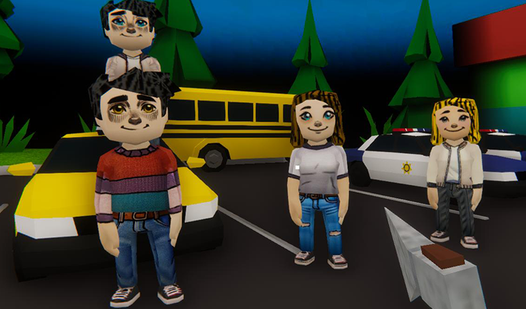
How to Play Multiplayer: Rules, Strategies & Free Games
Playing against real people hits differently than playing against a bot. There's an unpredictability, a tension, a satisfaction in outplaying a human opponent that no AI can replicate. If you want to know how to play Multiplayer games effectively — from the basics to the strategies that actually matter — this guide breaks it all down. We'll cover what multiplayer games are, how the rules work across different genres, and which free online titles are worth your time right now.
What Is Multiplayer and Why Does It Matter?
Multiplayer refers to any gaming session involving two or more real players simultaneously, whether they're in the same room or on opposite sides of the planet. The format has been around since the earliest arcade cabinets and board games, but online connectivity transformed it into something massive.
The appeal is straightforward: humans are wildly unpredictable. A bot plays within defined parameters. A real opponent bluffs, adapts, makes mistakes, gets creative, and sometimes does something so unexpected that you just sit there for a second processing what happened. That unpredictability is the core of multiplayer gaming's appeal.
Modern multiplayer comes in several shapes:
- Real-time PvP — both players act simultaneously (racing games, shooters, brawlers)
- Turn-based — players alternate moves (chess, strategy board games)
- Cooperative — players work together toward a shared goal
- Asymmetric — players have different roles or abilities (one player hunts, others hide)
- Massively Multiplayer — dozens to thousands of players in a shared world
Understanding which type you're playing is step one of actually understanding how to play Multiplayer well.
Rules and Basics: How to Play Multiplayer the Right Way
Every multiplayer game has its own ruleset, but there are universal principles that apply across almost everything:
1. Know the Win Condition
Before you press play, understand what "winning" actually means in that game. Is it the last one standing? Reaching a finish line? Accumulating the most points? Capturing territory? Knowing the victory condition shapes every decision you make from the opening seconds.
2. Learn the Controls First
Nothing kills a multiplayer session faster than fumbling with controls while your opponent runs circles around you. Spend time in practice modes, tutorials, or lower-stakes matches before jumping into competitive play.
3. Understand the Map or Board
In racing games, knowing the track layout means you can brake at the right time. In strategy games, knowing the board means you can plan three moves ahead. Familiarity with the environment is a massive advantage.
4. Communication Matters (in Co-op)
If you're playing cooperatively, coordinate. Even basic callouts — "I'll take left," "need backup," "going for the objective" — dramatically improve team performance. Most cooperative failures come from players doing the same thing when they should be splitting tasks.
5. Respect the Lobby
Multiplayer communities are built on a layer of social contract. Don't stall, don't exploit bugs that ruin other people's experience, and accept losses without rage-quitting mid-match. Reputation follows players in persistent online communities.
Now, let's look at how these basics play out in actual games. Car Crash Multiplayer is a perfect entry point — it's pure, chaotic real-time PvP with simple controls but a surprisingly deep skill ceiling around positioning and timing your crashes.
Genre-by-Genre Rules Breakdown
The "rules" of multiplayer shift significantly depending on the genre. Here's how to play Multiplayer across the most popular categories:
Racing Multiplayer
The objective is obvious — finish first. But the ruleset goes deeper:
- Draft behind opponents to reduce drag and conserve speed before overtaking
- Corner positioning is more important than straight-line speed
- Avoid collisions on critical sections; a wall hit can cost you the entire lead
- Know when to be aggressive — early race aggression often backfires, but late-race moves pay off
Strategy Board Games
Multiplayer strategy games like Go require understanding both offensive development and defensive reading of your opponent. Every move is a negotiation. The formal rules are simple; the real game is in the layers of reading intention and creating traps.
Go Multiplayer is one of the purest examples of this — the rules take minutes to learn, but the strategic depth is bottomless.
Parkour and Platformer Multiplayer
The competition here is about precision, speed, and route knowledge. Rules are minimal — reach the end before your opponents. But the skill gap is enormous between players who memorize optimal paths and those who improvise.
Multiplayer Obby: Parkour Platformer puts you in exactly this situation: a colorful, obstacle-filled course where route selection and jump timing determine who wins.
Destruction and Crash Games
These games often have scoring systems based on damage dealt or destruction caused. The "rules" reward creativity — finding the biggest crash angles, the most spectacular sequences, the most efficient path through chaos.

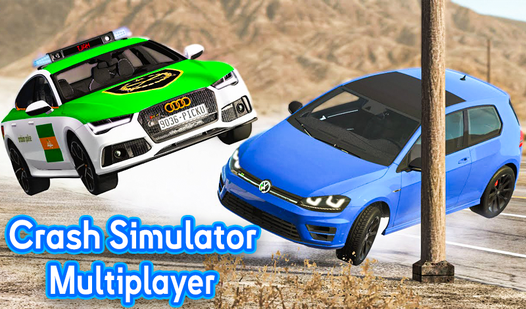
Crash Simulator Multiplayer
Adrenaline junkies obsessed with high-speed destruction will find their new obsession in Crash Simulator Multiplayer. This browser-based gem lets you ...
▶ Play FreeNaval Combat and Grid-Based Strategy
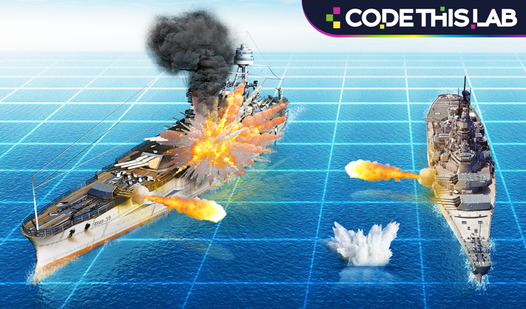
Games like Battleship are built on hidden information. You don't know where your opponent's ships are. The rules are fixed, but the strategy is about probability, pattern recognition, and occasionally psychological baiting — calling shots in areas your opponent might think you'd avoid.
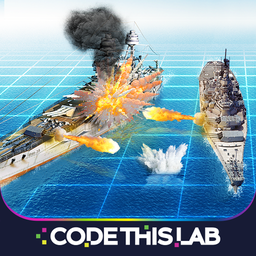
Battleship War Multiplayer
Bombard enemy coordinates and dismantle rival fleets in Battleship War Multiplayer, a classic test of logic and precision. You command your naval grid...
▶ Play FreeMultiplayer Strategies That Actually Work
Knowing the rules is the floor, not the ceiling. Here are the strategies that separate average players from consistent winners.
Read Your Opponent, Not Just the Game
In real-time games, opponents develop tendencies. Someone who always goes left at a split. Someone who panics and makes rash moves when they're behind. Someone who plays ultra-conservatively when winning. Identify these patterns and exploit them. This is especially powerful in turn-based games where you have time to think, but it applies to faster formats too once you've played a few rounds against the same player.
Control Resources and Information
In any multiplayer game with limited resources — ammunition, boosts, territory, cards — controlling access to those resources throttles your opponent's options. In racing games, this might mean defending the inside line at key corners. In strategy games, it means claiming high-value positions before your opponent can.
Manage Your Own Tendencies
Here's the flip side: you also have patterns, and skilled opponents will find them. Periodically do something unexpected. Take an unconventional route. Make an aggressive move when you've been playing defensively. Predictability is a vulnerability.
Play the Match, Not Just the Moment
Short-sighted players optimize for right now. Strong players think about the state of the game five moves or thirty seconds from now. Taking a risk that wins the current exchange but puts you in a worse overall position is often a net loss. Position yourself for the game's critical moments rather than winning every individual skirmish.
Use the Environment
In almost every multiplayer game, the map or board is as much a tool as your direct actions. Tight corridors funnel opponents. High ground gives advantage. Certain positions are naturally defensive. Players who understand the environment use it actively rather than treating it as a neutral backdrop.
Horror multiplayer games add another layer — environment is literally weaponized against players. Death Forest: Horror Multiplayer makes atmosphere and spatial awareness central mechanics, not just atmosphere.
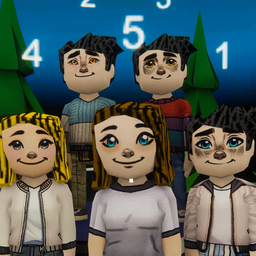
Death Forest: Horror Multiplayer
Navigate a dark, atmospheric wilderness while desperately searching for a way to flee from a relentless killer in Death Forest: Horror Multiplayer. Yo...
▶ Play FreeHow to Play Multiplayer When You're New
Starting out in online multiplayer can feel brutal. Real players have experience, muscle memory, and often hundreds of hours invested. Here's how to close that gap faster:
Start with lower-stakes formats. Most online games have unranked or casual modes. Use them. The point isn't to win immediately — it's to absorb patterns and develop your own without the pressure of ranking on the line.
Watch before you play. Spectate matches between stronger players. Watch what decisions they make at key moments. You'll notice things you'd never see if you were in the middle of the action yourself.
Play a single game deeply rather than many games superficially. Multiplayer skill is transferable to a degree, but true competency requires reps in a specific game. Spreading yourself too thin keeps you at a surface level in everything.
Lose gracefully. Every loss contains information. What did your opponent do that you didn't expect? What decision of yours created the problem? Reviewing losses analytically accelerates improvement faster than any other practice.
Build a car, build your skill. Build a Car: Multiplayer Racing combines creative vehicle construction with competitive racing — giving you both a crafting loop and a skill gap to close.
Free Multiplayer Games Worth Playing Right Now
The best part about browser-based multiplayer gaming is the zero barrier to entry. No install, no payment, no account required on most platforms. Here are titles that deliver genuine multiplayer experiences for free:
Street Racing Multiplayer
Fast cars, tight tracks, real opponents. NSR Street Racing brings the competitive racing genre to the browser with clean controls and responsive multiplayer matchmaking.

NSR Street Racing
Hit the asphalt and dominate the neon-drenched streets in NSR Street Racing! This pulse-pounding free browser game throws you into a world of high-oct...
▶ Play FreeMech and Machine Combat
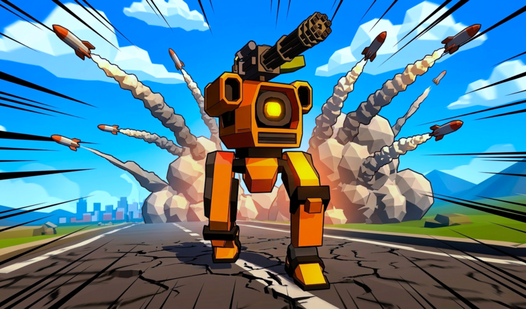
Battle Machines drops you into vehicular combat where positioning and weapon timing determine everything. Short match lengths make it easy to play between other things, but the skill ceiling is high enough to keep experienced players engaged.
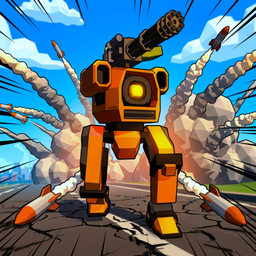
Battle Machines
Pilot heavy war machines across chaotic battlefields in this high-octane third-person shooter. You will customize your metallic juggernaut and engage ...
▶ Play FreeNaval Warfare Strategy
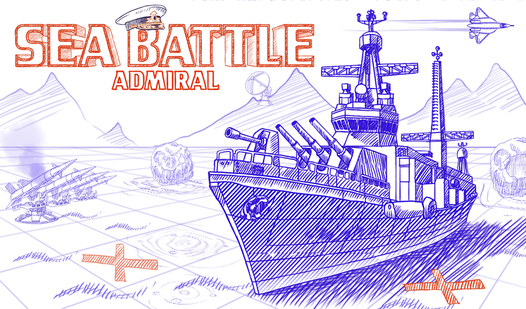
Sea Battle Admiral takes classic naval combat and builds out the strategy layer with fleet management and positioning. It's the kind of game that rewards players who think spatially and plan defensively.

Sea Battle Admiral
Staring at the clock during a long afternoon or just craving a quick mental challenge to break up the monotony, you need something that sparks your ta...
▶ Play FreeHow to Play Multiplayer on Mobile vs. Desktop
The platform affects how you play, not just the experience:
Desktop gives you precision via mouse and keyboard, larger screens for spatial awareness, and generally more stable connections. Competitive multiplayer skews toward desktop for a reason — the input precision is higher.
Mobile trades precision for accessibility. Touch controls are less precise but always with you. Mobile multiplayer excels in shorter-session games and asynchronous formats where both players don't need to be active simultaneously.
Browser-based multiplayer bridges both — the same game works on desktop and mobile without separate versions. FreeJoy.games hosts all the titles in this article directly in the browser, which means you're always one tap or click away from a match.
Common Multiplayer Mistakes and How to Avoid Them
Even experienced players fall into these traps:
Tunnel vision on one opponent. In games with more than two players, focusing entirely on one opponent while ignoring the rest is a common mistake. Peripheral awareness of all active players is essential.
Over-aggression early. Rushing and taking risks at the start of a match before you've assessed the situation burns resources and creates vulnerabilities. Play the first phase of a match somewhat conservatively while you gather information.
Tilting after a bad round. Emotional play is readable play. If you're frustrated and making reactive decisions rather than strategic ones, take a breath. A calm mind consistently outperforms an agitated one.
Ignoring the meta. Every multiplayer game has an evolving set of dominant strategies — the "meta." Playing entirely against the meta is possible for highly skilled players, but understanding it helps you anticipate what opponents are likely to do.
Not adapting mid-match. Sticking to a strategy that isn't working because you committed to it at the start is stubbornness, not consistency. Adaptation is a skill, and the ability to change your approach mid-match often decides close games.
The Social Side of Multiplayer Gaming
Multiplayer isn't just about winning. Many players show up for the social experience — the banter, the shared triumphs, the memorable moments that don't happen in single-player games. Some of the most durable online communities are built around specific multiplayer games, and the relationships formed there can last years.
If you're playing cooperatively, bring energy and positivity to the lobby. Teammates play better when the communication feels constructive rather than pressured. In competitive play, a bit of good-natured trash talk is part of the culture — just keep it light and not personal.
Multiplayer is also how many players develop friendships that cross geographic borders. You meet someone through a game, you play together regularly, and eventually the game becomes secondary to the ongoing connection.