Best Games for 3 Players — TOP 13 Free Online Multiplayer Games
Looking for the best For Three games to share with friends? Three is a magic number in casual gaming — big enough for real competition, small enough that nobody waits forever. Match-3, collect-three, and tile puzzle games are some of the most satisfying options for small groups, and the best For Three games deliver exactly the right mix of short rounds, clear scoring, and endless replayability. No installs, no accounts — just open the browser and play.
Why 3-Player Games Are Perfect for Quick Sessions
Three is genuinely the sweet spot for casual gaming groups. Two players leads to constant ties and the competition can feel personal fast. Four or more means someone's always sitting out or waiting. With three, every round has a clear winner, momentum stays up, and switching between players takes seconds rather than minutes.
The specific appeal of the best For Three games — match-3 puzzles, tile collectors, and collect-three mechanics — is that they're built for exactly this format. Rounds are compact. Scores are easy to compare. And the mechanics are accessible enough that a friend who hasn't touched a puzzle game in years can still put up a competitive number on their first try.
Why this format works so well for groups:
- Rounds are short and self-contained — you're not mid-campaign when it's someone else's turn
- No special hardware or setup required — one browser tab, pass the device
- Skill and strategy both matter, so experience doesn't always dominate
- Free to play, works on any device, zero loading time
- Easy to handicap for mixed-skill groups without ruining the fun
The key to a good 3-player session is picking games with clear high-score systems, fast restart options, and enough depth to reward repeat plays. Here's what actually delivers on all three.
TOP 10 Best For Three Games Online
These are the best For Three games available right now on FreeJoy, completely free, directly in your browser. Each one has been selected because it plays brilliantly in a pass-and-play competitive format — three players, shared screen, best score wins.
1. Three in a Row: Line Puzzle
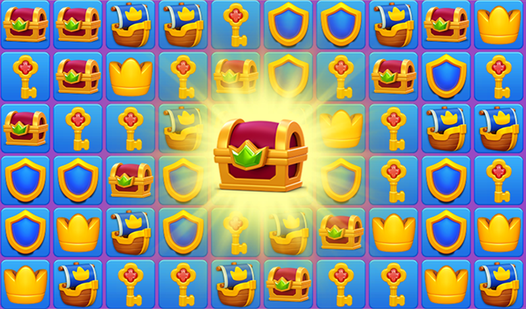
Start here if your group wants something that feels instantly familiar but keeps rewarding skill the longer you play. The concept is simple — place pieces, clear lines, score points. But the depth comes quickly. Every move has a ripple effect, and leaving poor gaps early will cost you big in later turns. In a 3-player session, each person takes a turn and tries to top the previous score. Watching someone fumble a setup you handled cleanly is extremely satisfying.
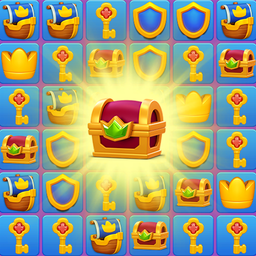
Three in a Row: Line Puzzle
Staring at the clock during a long afternoon feels like a total drag when your brain needs a quick spark of excitement. Three in a Row: Line Puzzle ac...
▶ Play Free2. Collect Three: Tasty Mahjongg!
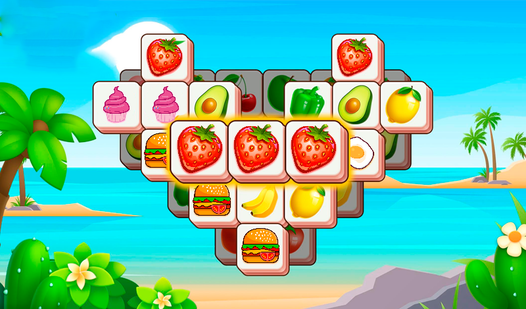
Mahjong gets a comfort-food makeover in this genuinely charming game. You're working through a stack of tiles decorated with cakes, candies, pastries, and other sweet things — match three of the same type to clear them. The mahjong-style layered board means you need to think a few moves ahead, and the tile designs are distinct enough that you're never confused about what matches what. Easy to pick up, satisfying to improve at. Three players taking turns on levels creates natural competition without anyone feeling left behind.
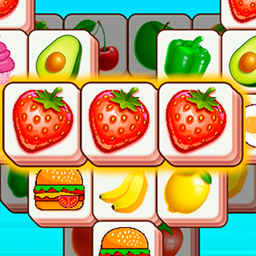
Collect Three: Tasty Mahjongg!
Fans of strategic puzzle challenges will find their new obsession with Collect Three: Tasty Mahjongg! This vibrant title takes the classic board game ...
▶ Play Free3. Sweet Fruit — Match-Three!
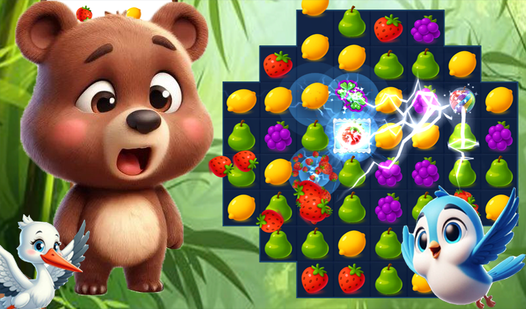
Bright, colorful, and immediately gratifying. Sweet Fruit asks you to line up matching fruits in rows to score points and advance through levels. The early stages are gentle, but the combo system rewards clever planning — chain multiple clears in one move and the score multiplier kicks in. For a 3-player session, combos become the real competition. Who can chain the longest sequence? The visual feedback is satisfying enough that even the players waiting for their turn stay engaged watching.
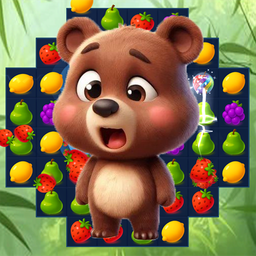
Sweet fruit - Match-three!
Fans of colorful puzzle games will find their new obsession here with Sweet fruit - Match-three!. This vibrant title turns your screen into a deliciou...
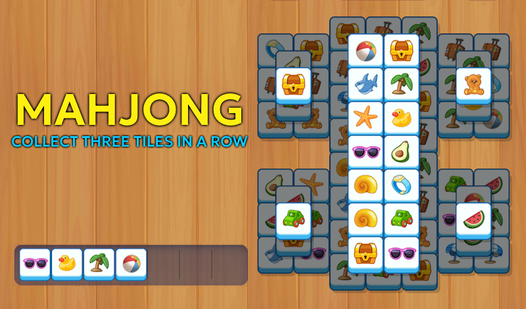
▶ Play Free4. Mahjong: Collect Three Tiles in a Row
This one earns its place on the list by doing something genuinely interesting — combining traditional mahjong tile aesthetics with Match-3 clearing mechanics. You collect three identical tiles to clear them from the field, and the board reshuffles as you make progress. It's more demanding than standard match-3, which means higher skill ceilings and more variation between how different players approach the same board. Great for groups where at least one person enjoys actual puzzle strategy rather than pure reflex play.
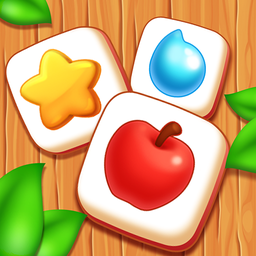
Mahjong: Collect three tiles in a row
Sorting through intricate patterns to find a matching плитка keeps your brain sharp and your competitive spirit high. Mahjong: Collect three tiles in ...
▶ Play Free5. Epic Solitaire «Three Peaks»
Not everything in a 3-player session needs to be match-3. This three-peaks solitaire variant brings something different to the table — card pattern recognition, probability thinking, and a beautiful deck that makes the game feel polished and premium. The classic solitaire format works perfectly in pass-and-play: you either clear the peaks or you don't, and comparing results across three players is immediately clear. Skilled card players will start dominating after a few rounds, making it a great game for competitive groups.
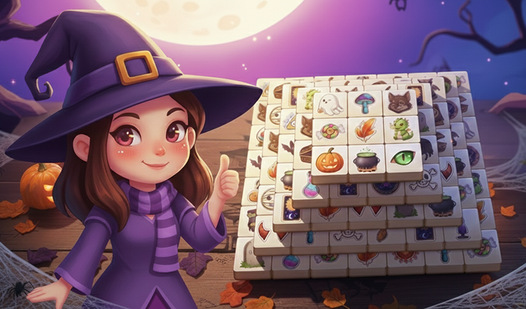
6. The Three Tiles in the Halloween World
If your group appreciates atmosphere with their puzzles, this is the pick. The Halloween theme is executed with genuine care — moody tile art, seasonal color palette, and visual design that feels cohesive rather than slapped on. The match-3 mechanics are solid underneath all the atmosphere, and the tile variety keeps you scanning the board actively. Works especially well when you're playing in the evening and want something with a bit more personality than a plain grid.
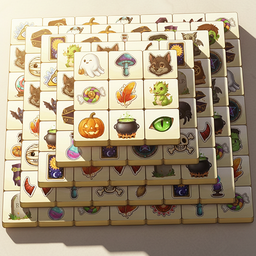
The Three Tiles in the Halloween World
Matching games remain the ultimate way to sharpen your logic while clearing your mind after a long day. The Three Tiles in the Halloween World takes t...
▶ Play Free7. Three in a Row: Colored Blocks
Back to fundamentals, but with a polish that earns attention. Colored Blocks focuses on matching three or more color-coded blocks, and the chain reactions when multiple groups clear simultaneously are genuinely satisfying to trigger. The puzzle structure rewards planning over speed — this is a game where the person who thinks slowest can still win if they're thinking clearly. That dynamic makes it excellent for groups with different playing styles.
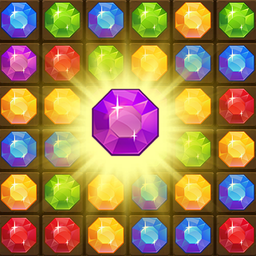
Three in a Row: Colored Blocks
Fans of the classic block puzzle genre will find their new obsession here with hundreds of vibrant stages to conquer. Three in a Row: Colored Blocks k...
▶ Play Free8. Raccoon Apiary — Three in a Row
Match-3 games often lack personality. Raccoon Apiary does not. Rudy the Raccoon needs help running his honey operation, and the whole game wraps its mechanics in a warm, charming concept that gives you a reason to care beyond just scoring points. The match-3 gameplay is solid and well-balanced, but it's the character and setting that make this one memorable. Fun to play in groups because the characters and story beats give everyone something to talk about between rounds — not just "I beat your score" but "Rudy finally got his honey."
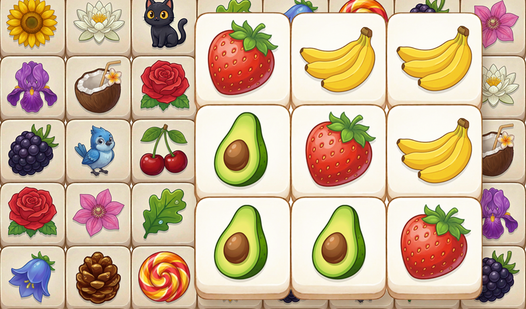
9. Three Tiles: Match 3
Sometimes a session runs long and everyone just wants one more round without a demanding puzzle that requires full concentration. Three Tiles: Match 3 is that game — clean, smooth, relaxing but still engaging. The match-3 mechanics are well-tuned and the pace feels genuinely comfortable rather than sluggish. Perfect as the last game of the night when energy is lower but nobody wants to stop playing entirely. Consistently satisfying, never frustrating.
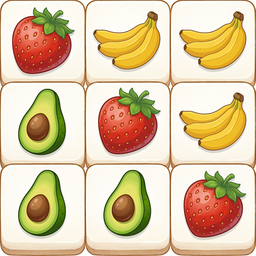
Three Tiles: Match 3
Logic puzzles that challenge your focus are the perfect remedy for a hectic day. Three Tiles: Match 3 takes the addictive soul of classic Mahjong and ...
▶ Play Free10. Collect Three Cards
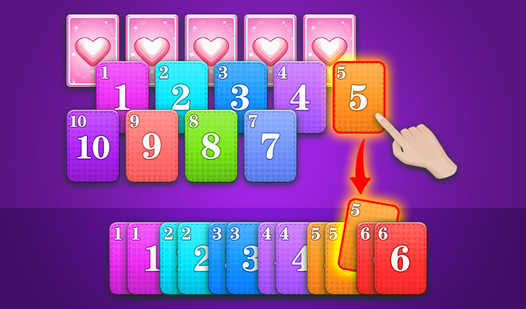
This one works differently from the rest and that's exactly why it deserves the closing spot. Collect Three Cards is a number-matching puzzle where you need to identify and collect three cards sharing the same value. It sounds simple, but scanning a full field of cards and spotting the matching trio faster than anyone else is surprisingly demanding. In a 3-player session it becomes a speed challenge — who sees the set first? Sharp, quick, and competitive in a way that's distinct from everything else on this list.
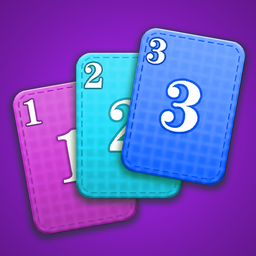
Collect Three Cards
Fans of brain-teasing puzzles will find their new obsession in Collect Three Cards, a title that transforms simple matching into a strategic challenge...
▶ Play FreeCo-op vs Competitive For Three Games: What Works Best?
The question every 3-player group has to answer: do you compete against each other, or work together? Both modes are valid, and the best For Three games can usually support either approach depending on how you frame the session.
Competitive play is the natural default for most match-3 and collect-three games. Each player takes a turn, completes a round, and posts a score. After an agreed number of rounds, whoever sits highest wins. It's clean, fast, and creates just enough pressure to keep everyone focused. Competitive sessions tend to run shorter, too — the stakes keep people from dragging.
Co-op or challenge-mode play flips the dynamic. Instead of trying to beat each other, all three players are working toward a shared goal — hit a combined score threshold, complete a set number of levels, or beat a specific stage together. This approach works better when the group has mixed skill levels, since it removes the potential frustration of consistently losing to one dominant player. Newer players still contribute meaningfully without the score comparison hanging over them.
Which format suits which games?
Fast, reflex-driven games like Three in a Row: Line Puzzle and Collect Three Cards are natural fits for competitive play — the scoring structure already does the competitive work for you.
More strategic games like Mahjong: Collect Three Tiles in a Row benefit from co-op or team-challenge framing when you have mixed experience levels. Let someone coach while another plays; compare strategies after each round.
Palette cleansers for between rounds:
A long session needs variety. These three complement the main list perfectly and provide a change of pace when everyone's done a few rounds of the same mechanic:
Merge Balls 2048: Billiards brings physics-based merging that plays completely differently from standard match-3. The billiard-ball aesthetic and momentum mechanics make it feel like a different genre entirely — great for resetting attention between more mentally demanding rounds.

Merge Balls 2048: Billiards!
Staring at the clock and waiting for your lunch break to end can feel like an eternity, but a quick round of Merge Balls 2048: Billiards! turns those ...
▶ Play FreeSuper BBQ Sort swaps tiles for food items in a color-sorting format with a cooking theme. The relaxed pace and clear visual logic make it ideal between more intense competitive rounds. Satisfying without demanding full concentration.

Super BBQ Sort
Arrange smoking hot skewers on the grill by matching three identical ingredients in this addictive food puzzle challenge. Every level forces you to cl...
▶ Play FreeNuts Color Sort Puzzle delivers tactile sorting satisfaction with a clean mechanical puzzle structure. Oddly compelling to watch as well as play — the kind of game where the players waiting for their turn find themselves leaning forward and offering unsolicited advice.

Nuts Color Sort Puzzle
Staring at the clock waiting for your shift to end or just need a mental escape during a dull afternoon? Nuts Color Sort Puzzle is the ultimate remedy...
▶ Play FreeHow to Set Up a 3-Player Game Session
There's no app, no account, and no special setup involved — but running a good 3-player session still benefits from a bit of structure. Here's a format that works reliably.
Step 1: Pick your starting game Match the game to the group's energy. High energy and competitive? Start with Three in a Row or Collect Three Cards for immediate score comparison. More relaxed? Sweet Fruit or Three Tiles: Match 3 sets a comfortable tone that ramps up naturally.
Step 2: Set round format upfront Agree before starting: how many rounds per person, how many games total. The simplest setup is three rounds per player (nine total), which runs about 15-20 minutes for most match-3 titles. Having this agreed prevents "just one more round" from spiraling indefinitely.
Step 3: Establish clear scoring Screenshot scores after each round or have someone note them down. Leaderboard clarity matters — ambiguity about who actually won kills the competitive energy fast. Keep it simple: highest single-round score, or cumulative total across all rounds.
Step 4: Pass the device with ritual Make it a deliberate handoff: full screen, score visible, new game started. This prevents any "that was a practice round" disputes. Small ritual, big payoff for group dynamics.
Step 5: Rotate games every few rounds Switching titles keeps the session fresh and levels the playing field. Someone who excels at line puzzles might struggle at card matching — rotating games lets different players take the lead at different points, which keeps everyone invested.
Tips for fair, fun sessions:
- Let each player pick one game during the session — everyone gets to choose something they're comfortable with
- Use identical difficulty settings across all players in competitive mode — no quiet easy-mode switching
- For mixed skill groups, give newer players bonus moves or a score headstart rather than adjusting difficulty mid-game
- Take actual breaks between sets — 3-player sessions can run 45+ minutes without anyone noticing
Playing across multiple devices?
You don't need to share one screen. Open the same game on separate phones or laptops, set a shared timer, and compare scores at the end. FreeJoy runs entirely in the browser — no accounts, no syncing, no setup. Open, play, compare. That's the whole process.
For regular game nights:
If your group plays together regularly, rotate the "game picker" role each session so one person isn't always choosing the same titles. Keep a running score across multiple sessions — track who's ahead overall, not just on a given night. Match-3 games reward practice, and a long-running leaderboard gives everyone a reason to improve between sessions.