How to Play Mahjong Tiles — Full Guide for 2–4 Players
Mahjong is one of those games that looks intimidating from the outside but clicks surprisingly fast once you understand the core logic. If you've ever wondered how to play mahjong tiles — whether at a kitchen table with friends or on your phone at midnight — this guide covers everything: tile types, setup, rules for 2, 3, and 4 players, scoring, and the best free online games to sharpen your skills without buying a physical set.
Mahjong Basics — Tiles, Sets, and Setup
A standard mahjong set contains 136 tiles (some sets add bonus tiles bringing it to 144). Every tile belongs to one of three categories, and knowing them is the foundation of the game.
The Three Suit Tiles
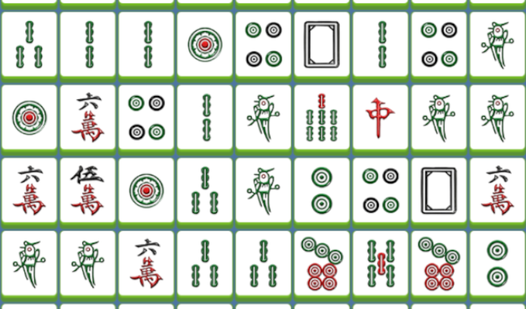
Characters (Wan) — numbered 1 through 9, depicted with Chinese characters. Circles (Tong) — numbered 1 through 9, shown as dots or circles. Bamboo (Suo) — numbered 1 through 9, represented by bamboo sticks.
Each suit has four copies of every number, giving you 36 tiles per suit × 3 suits = 108 suit tiles total.
Honor Tiles
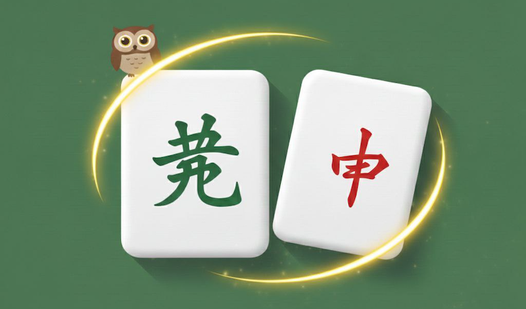
Winds — East, South, West, North (4 copies each = 16 tiles). Dragons — Red (Zhong), Green (Fa), White (Bai) (4 copies each = 12 tiles). That's 28 honor tiles in total.
Bonus Tiles (Optional)
Some sets include Flowers (4 tiles) and Seasons (4 tiles). These are worth bonus points when drawn but aren't used to complete hands — they're typically set aside immediately.
Before the Game Starts
Players sit around a square table, one on each side. Tiles are shuffled face-down and stacked into a wall — typically 34 tiles on each side (17 stacks of 2). Each player then draws their starting hand: 13 tiles in most rulesets, with the East player (dealer) drawing 14 to start play.
The goal: build a winning hand of 14 tiles arranged into 4 sets + 1 pair.
A set is either:
- Pong (Pung) — three identical tiles
- Kong — four identical tiles
- Chow — three consecutive tiles of the same suit
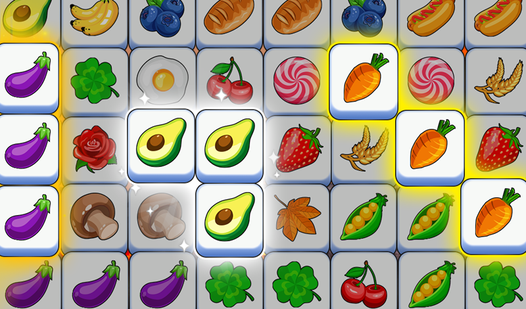
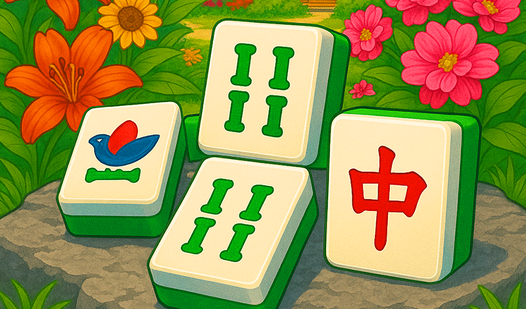
Once you understand the tiles, a lot of online versions suddenly make sense. Master of Tiles, for example, puts this matching logic front and center — you're clicking on pairs to clear stacked layouts, which is a great way to train your eye for tile recognition.
Master of Tiles
Ever wondered what makes a puzzle game truly captivating? Master of Tiles draws you in with its simple premise and keeps you hooked with surprisingly ...
▶ Play FreeHow to Play Mahjong With 4 Players (Classic Rules)
The classic version of how to play mahjong tiles is designed for four players. Here's the flow:
Turn Structure
Play moves counterclockwise (East → North → West → South in traditional direction). On each turn, a player:
- Draws a tile from the wall
- Decides whether to keep it or discard it
- Discards one tile face-up into the center
But here's where it gets interesting — other players can intercept a discarded tile before the next draw happens.
Claiming Discarded Tiles
- Chow — you can claim a discard to complete a consecutive sequence, but only from the player to your left
- Pong — any player can claim a discard to complete a triplet
- Kong — any player can claim a discard to complete a quadruplet
- Win (Mahjong!) — any player can claim a discard to complete their winning hand
Priority order when multiple players want the same tile: Win > Kong/Pong > Chow.
When you claim a tile via Pong, Kong, or Chow, you must reveal that completed set face-up on the table (called an open meld). This limits your scoring potential but speeds up hand building.
Winning
You win by completing a hand of 4 sets + 1 pair, either by drawing the tile yourself (self-draw, called Tsumo in Japanese mahjong) or by claiming a discard from another player (called Ron).
Scoring Basics
Scoring varies wildly between rulesets (Chinese Classical, Riichi/Japanese, Hong Kong, Taiwanese), but common point sources include:
- Type of hand (all pongs, pure suit, all honors, etc.)
- Whether you won by self-draw
- Presence of specific tiles like your seat wind or dragons
- Hidden vs. open melds
The Wall and Dead Wall
The wall shrinks as players draw. When the last 14 tiles are reached (the dead wall), the round ends in a draw and the dealer re-deals if nobody has won. The dealer position rotates when the dealer loses a round.
Cozy Mahjong captures the rhythm of tile-by-tile play beautifully — the pacing feels similar to a real four-player game, just with the thinking burden removed. Perfect for learning how hands come together.
Cozy Mahjong
Match identical tiles and clear the board in Cozy Mahjong, a relaxing online puzzle experience designed to unwind your mind. Swipe or click to select ...
▶ Play FreeHow to Play Mahjong With 3 or 2 Players
Not everyone has four people available. The good news: mahjong adapts well to smaller groups.
How to Play Mahjong With 3 Players
The most common 3-player variant simply removes one wind direction and the tiles associated with it. The North wind is typically dropped, leaving East, South, and West as active seat winds. You also remove the North wind tiles (all 4) from the set — so you're playing with 132 tiles instead of 136.
Gameplay works identically to the 4-player version, except:
- The wall is arranged in a triangle instead of a square
- Each side has roughly 44 tiles
- Chow rules sometimes get tightened (some groups disallow Chow entirely in 3-player to keep pace fast)
Some 3-player variants popular in Japan (Sanma) go further: they remove all Character tiles 2–8, keep only the 1 and 9 of Characters, and add rule tweaks around what constitutes a valid hand. It plays faster and more aggressively.
How to Play Mahjong With 2 Players
Two-player mahjong is less standardized but plenty of fun for practice. Common approaches:
Draw-only mahjong — no claiming discards from the opponent. You each draw from the wall and discard in turn. First to complete a hand wins. This version is slower but great for learning hand patterns.
Competitive 2-player — both Pong and Chow claims are allowed. Since there's only one opponent, you can predict their hand more easily, which adds a strategic bluffing layer. Some groups add a rule where you can block a win by discarding "safe" tiles.
Simplified point mahjong — play multiple rounds with a fixed number of hands (e.g., 8 hands each as dealer), tally points, highest total wins.
For home 2-player games, you'll often agree on house rules before starting. That's the beauty of mahjong — the core structure is solid enough that variations feel natural rather than broken.
Cute Tiles: Puzzle takes a creative spin on tile mechanics — instead of building hand combinations, you're collecting wooden tiles and assembling combos from the board. It's a refreshing angle that still trains your spatial reading of tile layouts.
Cute Tiles: Puzzle
Feeling a bit bored and need a quick mental break? Cute Tiles: Puzzle is your cozy escape into a world of satisfying tile-matching and aesthetic charm...
▶ Play FreePlaying Mahjong at Home vs Online — What You Need
Setting Up at Home
A physical mahjong set runs anywhere from $25 for a basic plastic set to several hundred dollars for a weighted acrylic or bone set. For casual home play, a mid-range set (~$40–60) is perfectly fine. You'll need:
- A mahjong set (136 tiles minimum)
- A flat table with enough room for four players and the center discard pile
- A dice (usually 2d6, included in most sets)
- Optional: a mahjong mat to reduce noise and keep tiles from sliding
Setup takes about 5 minutes once you know what you're doing. The first game will take 30–60 minutes as everyone gets comfortable. After a few sessions, rounds move much faster.
Can you play mahjong at home? Absolutely — there's no reason you can't. The rules are learnable in one sitting, and most physical sets include a rulebook. The main investment is time to learn the hands, not equipment cost.
Going Online
Online mahjong solves the "finding 3 other people" problem instantly. You also don't need to track scoring manually, and most platforms will highlight valid moves so you can focus on strategy rather than rule mechanics.
The tradeoff: online mahjong often defaults to one specific ruleset (usually Riichi or Hong Kong), so if you want to try other variants you may need to find the right platform. And obviously, the social experience of tiles clacking on a table doesn't translate to a screen.
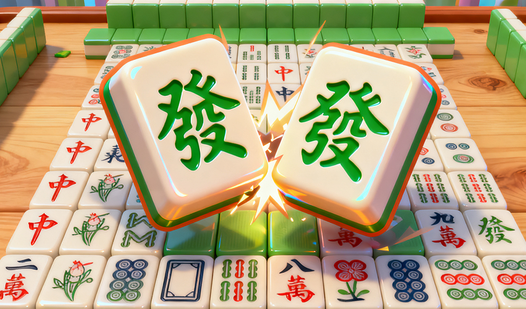
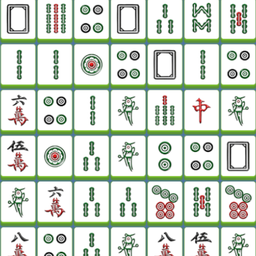
Mahjong Bang Bang hits a sweet spot here — it's easy to start immediately, but the challenge ramps up in ways that keep experienced players engaged. A solid choice when you want real gameplay depth without a long onboarding curve.
Mahjong Bang Bang
Matching tiles might seem like childs play until the board layout forces you into a strategic corner. Mahjong Bang Bang takes the classic tile-matchin...
▶ Play FreeBest Free Online Mahjong Games to Practice
Online mahjong games split into two styles: Solitaire/Patience mahjong (matching pairs to clear a layout — no opponents) and Competitive mahjong (playing rounds against AI or real players). Both are useful for different types of practice.
Matching/Solitaire Style
This is the most common format in browser games. You're given a pyramid or complex layout of tiles and need to clear them by clicking matching pairs. Only "free" tiles — those not covered by another tile and open on at least one side — can be selected. It's a puzzle game at heart, but it builds fast tile recognition and spatial thinking.
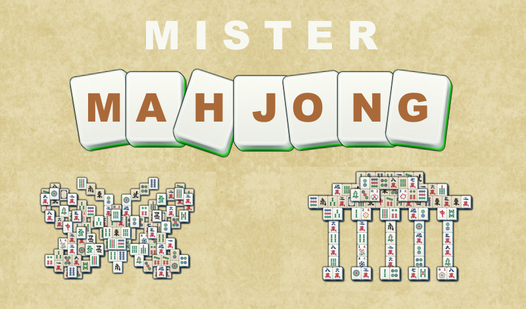
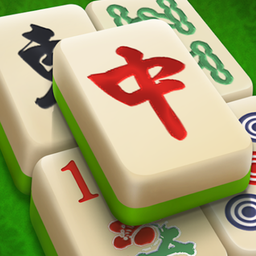
Mister Mahjong puts a fresh twist on this — instead of matching identical tiles, you're pairing tiles with different images that belong to the same category. It sharpens the kind of flexible thinking you need in real mahjong, where a 3 of Bamboo and a 4 of Bamboo aren't "the same" but belong together in a sequence.
Mister Mahjong
Ancient tile-matching puzzles remain the ultimate way to sharpen your focus after a long day. Mister Mahjong delivers a relaxing experience where you ...
▶ Play FreeMore Games Worth Playing
The FreeJoy catalog has a solid lineup for all skill levels. Here are eight more mahjong games to add to your rotation:
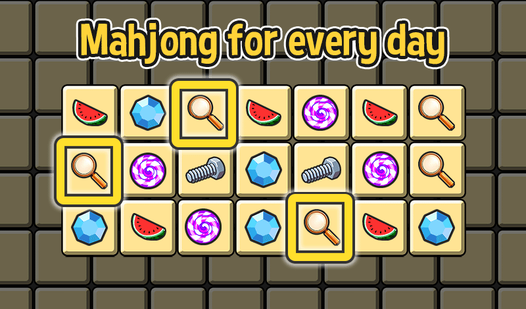
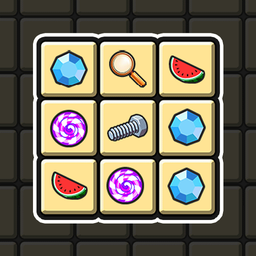
Mahjong for Every Day — daily challenges with fresh layouts. Good for consistent practice without the pressure of a timed session.
Mahjong for every day
Staring at the clock during a long work break is a recipe for frustration when you just need a quick mental reset. Mahjong for every day serves as the...
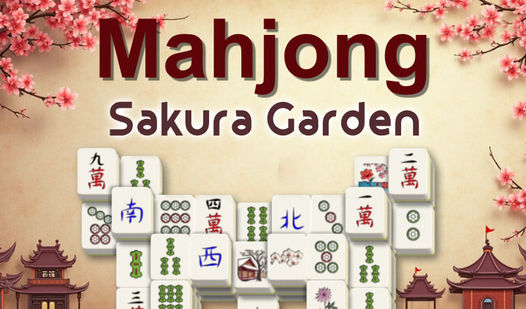
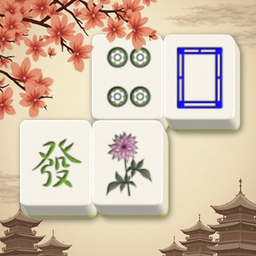
▶ Play FreeMahjong Sakura Garden — beautiful Japanese-aesthetic boards with a calming soundtrack. Great when you want to practice tile matching without any mental overhead.
Mahjong Sakura Garden
Staring at a stagnant screen for hours often leaves the brain feeling foggy and drained of creativity. Mahjong Sakura Garden serves as the perfect men...
▶ Play FreeMahjong Solitaire For Free — clean interface, multiple difficulty levels, and no distractions. Ideal for beginners learning tile symbols.
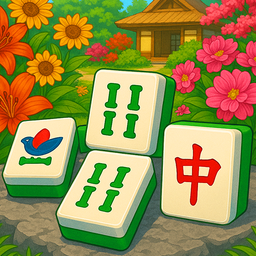
Mahjong Solitaire For Free
Match pairs of identical tiles to clear the board in this relaxing brain teaser. Your main objective is to identify free pieces and remove them from t...
▶ Play FreeMahjong: Super Match — faster-paced matching that rewards quick pattern recognition. Helps you develop the instinct to spot pairs instantly — a skill that directly transfers to reading your hand in competitive play.
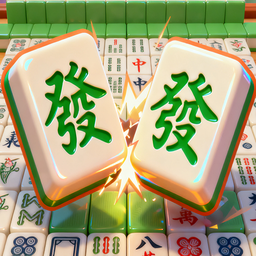
Mahjong: Super Match
Fans of classic card puzzles will find Mahjong: Super Match to be their new favorite way to unwind after a long day. This engaging experience challeng...
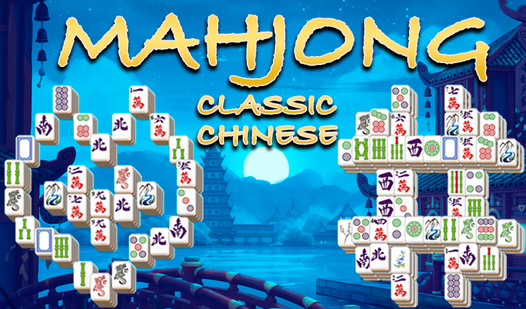
▶ Play FreeMahjong Classic Chinese — sticks close to traditional tile art and layout styles. If you're learning to recognize Chinese character tiles specifically, this one is the best visual reference.
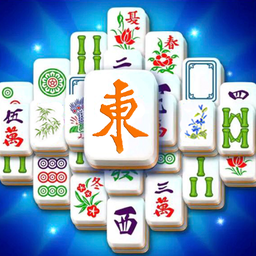
Mahjong Classic Chinese
Puzzle enthusiasts who appreciate timeless logic challenges will find Mahjong Classic Chinese to be an essential addition to their daily routine. This...
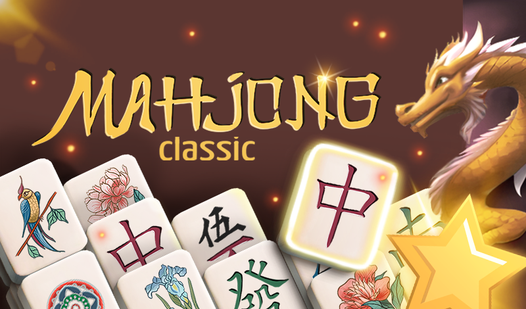
▶ Play FreeMahjong Classic — straightforward solitaire with a variety of layouts, from simple pyramids to complex multi-layer structures. Covers all the standard tile sets.

Mahjong Classic
Ancient board games have survived for centuries because they perfectly balance relaxation with intense mental stimulation. Mahjong Classic honors this...
▶ Play FreeTiles Slider: Combine — takes the tile-matching concept and adds a sliding mechanic. Different enough to stay interesting while still building the tile-reading muscle.
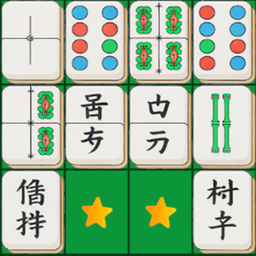
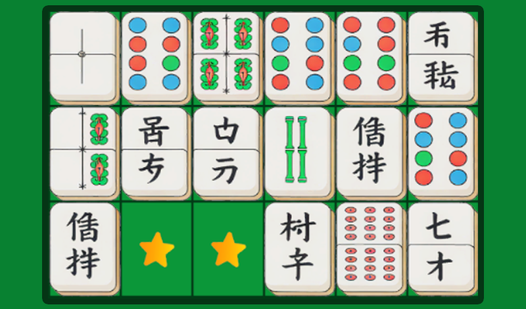
Tiles Slider: Combine
Match pairs on a bustling 6x7 board by sliding tiles into position to clear the screen. Tiles Slider: Combine challenges you to spot identical images ...
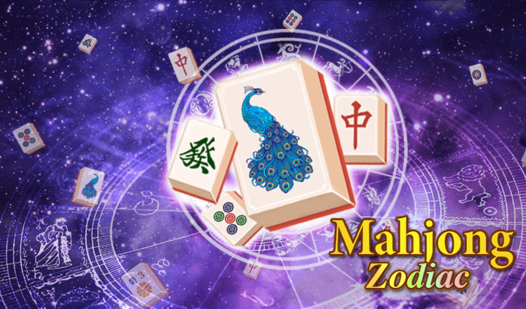
▶ Play FreeMahjong Zodiac — themed around Chinese zodiac symbols, with layout designs that match the theme. A fun way to practice if standard tile art feels repetitive.

Mahjong Zodiac
Staring at a blank screen during a midday slump is the fastest way to lose your momentum. Mahjong Zodiac provides the perfect mental reset, blending s...
▶ Play FreeWhich Style Should You Start With?
If you're brand new to mahjong: start with solitaire-style games. They remove the pressure of opponents and let you absorb tile symbols at your own pace. Once you can recognize all three suit types and the honor tiles by sight, move to competitive play.
If you already know the tiles: jump straight into competitive mahjong. Solitaire builds tile reading; competitive play builds strategy, hand reading, and the timing of when to claim vs. pass on discards.