How to Play Anime Fighting Simulator: Combos, Moves & Strategy Guide
So you want to master anime fighting games — great choice. These games pack explosive action, flashy special moves, and deep strategy into some of the most entertaining browser experiences around. Whether you're just starting out or trying to climb the leaderboards, knowing how to play anime fighting simulator games properly makes all the difference between getting combo'd into the ground and pulling off those satisfying clean victories.
This guide covers everything: fundamentals, combo systems, character selection, defensive play, and a curated list of the best free anime fighting games you can play right now. No fluff, just the stuff that actually works.
How to Play Anime Fighting Simulator: The Basics
Before you can run flashy 10-hit combos, you need to understand the foundation. Anime fighting games share a core structure regardless of the title — and once you internalize these fundamentals, picking up any new game in the genre becomes much faster.
Movement and Spacing
Spacing is everything. The distance between you and your opponent determines which moves are safe to use, which ones will whiff, and how much recovery time you have after an attack. Most anime fighters use one of two movement styles:
- Ground-based movement — you walk, dash, and backdash along a 2D plane
- Free movement / arena movement — common in 3D anime fighters where you can sidestep and circle your opponent
Learn to control the distance. Too close and you're open to grabs; too far and you're eating projectiles all day.
The Attack Triangle
Almost every anime fighting game uses some variation of a rock-paper-scissors mechanic:
- Normals beat grabs
- Grabs beat blocking
- Blocking beats normals
This is the core mind game. Once you understand it, you stop panicking and start reading your opponent.
Frame Data Simplified
You'll hear "frame data" thrown around constantly. All it means is timing. Every move has startup frames (before the hit), active frames (when it can actually connect), and recovery frames (when you're vulnerable after). Fast startup = hard to react to. Long recovery = punishable if blocked. You don't need to memorize numbers — just feel when moves are safe and when they leave you exposed.
Heroic Summon: Anime RPG is a perfect game to start with if you want to ease into anime fighting mechanics. It features over 50 unique heroes — warriors, mages, and anime girl characters — with distinct attack patterns and team compositions. Building your team teaches you naturally about role distribution and how different attack styles complement each other.
Health Management and Risk Calculation
Anime games tend to have comeback mechanics — moves that hit harder when you're at low health, super moves that can reverse a match in seconds. This means a 30% health deficit is not a death sentence. Stay calm, play smart, and look for the opening to land that big reversal.
Learning Combos and Special Moves
Combos are where anime fighting games get their personality. A perfectly executed 15-hit combo is deeply satisfying — and learning them is more approachable than it looks.
Breaking Down Combo Structure
Every combo has three parts:
- Opener — the move that starts the combo, usually after confirming a hit or on a whiffed attack
- Extension — the middle section that racks up hits and damage
- Ender — the finishing move, often a special that knocks the opponent away or sets up your position
Start with short 3-4 hit combos. Get the timing down until it's muscle memory. Then add one more move at a time. Trying to learn a 12-hit combo from scratch almost never works.
Special Moves and How They Work
Special moves are usually input-based — quarter circles, half circles, or charge inputs on the directional keys combined with an attack button. The patterns are mostly borrowed from classic fighting game design:
- Quarter-circle forward + attack → usually a fireball/projectile
- Quarter-circle back + attack → usually a reversal/DP (dragon punch style)
- Half-circle back + attack → often a command grab or super move
Practice these inputs in training mode or during low-pressure fights. The goal is to get them smooth enough that you can execute under pressure without thinking.
Canceling and Combo Linking
Two techniques that separate good players from great ones:
- Canceling: interrupting the recovery of a normal attack by immediately inputting a special move. This extends your combo without the opponent being able to escape.
- Linking: chaining two normal attacks together within a specific timing window. Stricter than cancels, but often leads to more damage.
Epic Battle: Super Fighters gives you a fantastic environment to practice these mechanics. The game sends waves of monsters and formidable bosses at you across unique maps, which means you'll naturally experiment with your move set under real pressure. The rating progression system also rewards you for playing efficiently — not just surviving, but dominating.
Epic Battle: Super Fighters
Staring at a stagnant screen while your brain begs for a hit of adrenaline is a common struggle during downtime. Epic Battle: Super Fighters acts as t...
▶ Play FreeAnti-Airs and Interrupt Moves
One of the most impactful skills you can develop: stopping your opponent's jump attacks. An anti-air move hits opponents who are airborne, punishing careless jumps. Learn your character's anti-air option and practice using it on reaction. Players who jump carelessly get destroyed by good anti-airs.
Practicing Without an Opponent
If you're playing solo, use practice modes or early-game enemies as your training partners. Focus on:
- Hitting your special move inputs consistently
- Landing the same 4-hit combo 10 times in a row before moving on
- Experimenting with cancels on stationary targets
Character Selection Strategy
Choosing your character is one of the biggest decisions in any fighting game. The good news: for casual and intermediate play, personality fit matters more than tier lists.
Archetype Overview
Anime fighters tend to use these character archetypes:
- Shoto (all-rounder) — balanced stats, fireball + reversal + fast normal. Easiest to learn the game with.
- Rushdown — aggressive, fast, lives in your face. High damage potential, lower health.
- Zoner — controls space with projectiles and long-range moves. Winning with these requires patience.
- Grappler — slow normals but devastating grabs and high health. Very rewarding at close range.
- Glass Cannon — extreme damage, extremely fragile. High risk, spectacular payoff.
How to Pick Your First Character
Don't pick the character with the coolest looking ultimate move on day one. Pick:
- A character whose movement speed feels natural to you
- A character whose neutral attacks (basic punches, kicks) feel satisfying to use
- A character whose archetype matches how you naturally play — if you keep rushing forward, don't force yourself to play a zoner
Team Building in Multi-Character Games
Some anime fighters let you build teams of 2-3 characters. The key principle: balance your team's weaknesses. If your main character struggles up close, pair them with a rushdown character who thrives there. If your character lacks projectiles, add a zoner to your team.
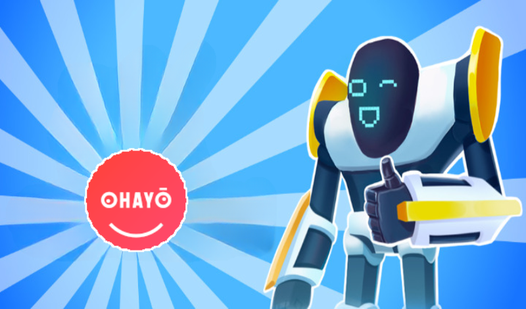
Mecha Duel is a standout example of character-specific mechanics done right. It's a one-on-one robot fighting game with specific move sets including jabs, blocks, and punch patterns that mirror real boxing mechanics. Every mechanical fighter plays differently, and learning each one's rhythm is the entire game. Great for understanding how character archetypes create different playstyles.
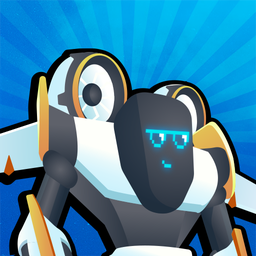
Mecha Duel
Robot combat demands quick reflexes and a sharp tactical mind to survive the intense arena encounters. Mecha Duel brings this high-stakes excitement d...
▶ Play FreeCharacter Matchups
Every character has favorable and unfavorable matchups. A zoner beats a grappler (they can't get close). A rushdown beats a zoner (they overwhelm the space control). Don't get discouraged if your character loses to a specific opponent — that's matchup knowledge, not personal failure.
Switching Characters Mid-Game
In games where you have character select between rounds, there's a concept called "counterpicking" — switching to a character with a better matchup against your opponent's choice. This is totally valid and actually a sign you're thinking strategically.
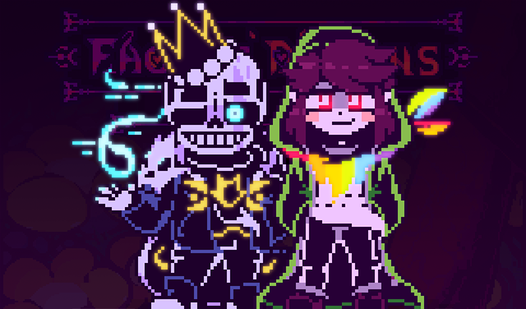
Facing Demons: Chara Battle pushes character-driven gameplay to an intense level. The anime-inspired final battle setting creates high-stakes showdowns where your character's kit determines how you approach the encounter. It's an excellent game for developing the instinct of reading a fight and adjusting your tactics on the fly.
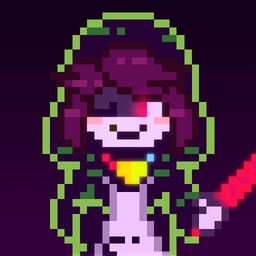
Facing Demons: Chara Battle
Dodging relentless waves of attacks while standing your ground against Chara is the heartbeat of this intense boss rush challenge. You navigate a smal...
▶ Play FreeRanked Play and Progression
Once you've settled on a character, commit to them for at least 20-30 serious sessions before judging. Character mastery takes time. The early frustration of losing with a character you're learning is completely normal — the payoff when it clicks is worth it.
Best Free Anime Fighting Games Online
You want to know how to play anime fighting simulator games — here's where to actually play them. All of these run directly in your browser, no installation needed.
For Combat and Fighting Mechanics
If you want raw fighting game experience, these deliver:
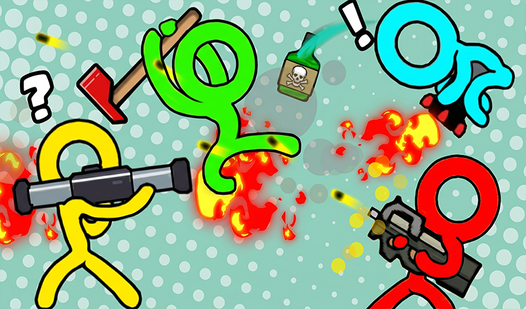
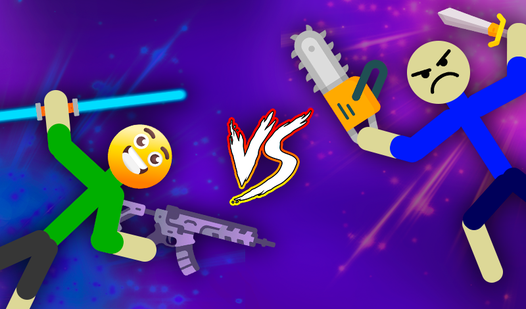
Fight Club - 1 or 2 players is exactly what it sounds like — fast, direct combat that works both solo and with a friend on the same device. Two-player local versus modes are rare and valuable, and this one executes it well.
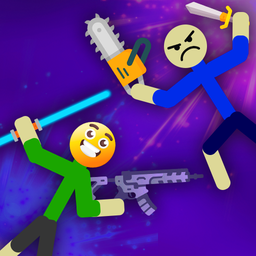
Fight Club - 1 or 2 players
Master the art of aerial combat as you navigate intense stickman skirmishes against gravity and fierce opponents. You control every strike and flight ...
▶ Play FreeRagdoll Battle takes the physics-based approach to anime combat. Ragdoll mechanics add unpredictability and comedy to every fight, making it great for casual sessions while still rewarding players who understand the physics.
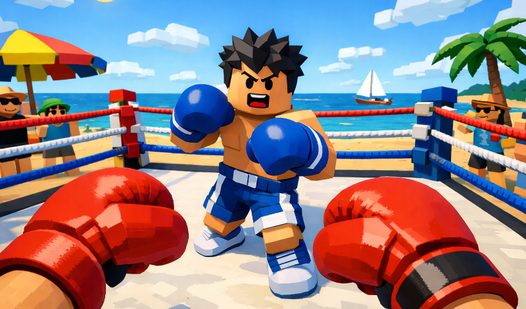
Obby: Ragdoll Boxing combines obstacle course elements with boxing in a way that keeps you on your toes. The ragdoll physics here create chaotic, entertaining moments — and learning to control your character through the chaos is genuinely satisfying.
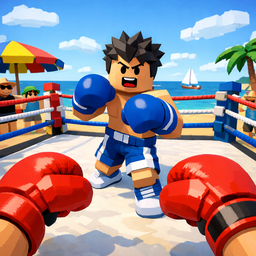
Obby: Ragdoll Boxing
Fans of hilarious physics-based brawlers will find their new obsession in the chaotic world of Obby: Ragdoll Boxing. This title brings a fresh twist t...
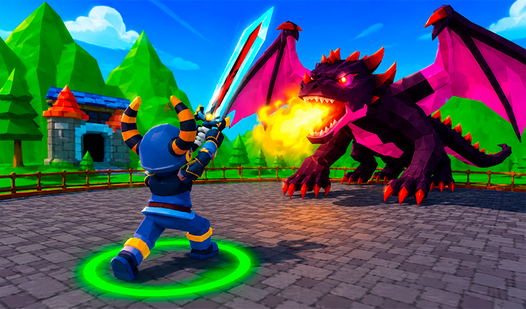
▶ Play FreeBattle of Knights: Robby and Dragons brings fantasy combat into the mix. Knight-vs-dragon scenarios require you to adjust your spacing and timing compared to pure character-vs-character fights, adding variety to your fighting game diet.
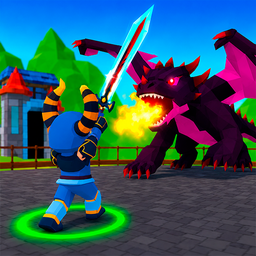
Battle of Knights: Robby and Dragons
Fans of the classic roblox aesthetic will find their new favorite obsession in Battle of Knights: Robby and Dragons. This sandbox adventure challenges...
▶ Play FreeFor Anime Aesthetic and Character Customization
Not every anime game is pure combat — some are about building the aesthetic experience. These games are perfect if you want the anime world without the fighting game learning curve:
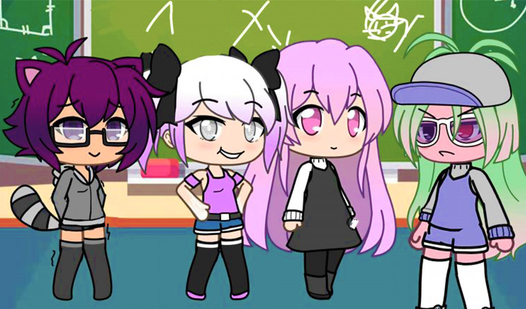
Gacha Club is one of the most complete anime character creation experiences available in a browser. Build your characters, set up scenes, and create your own stories. The gacha mechanics for unlocking new characters and outfits give it surprising depth.

Gacha Club
Stuck in a boring meeting or just need a creative escape from your daily screen fatigue? Gacha Club is the ultimate digital playground where your arti...
▶ Play FreeGacha Life 3 expands the formula with improved customization tools and a more polished interface. If you've played earlier Gacha titles, this one feels like a proper evolution — more poses, more accessories, more creative freedom.

Gacha Life 3
Fashion enthusiasts who love character creation will find endless creative joy in Gacha Life 3. This vibrant anime dress-up experience allows you to e...
▶ Play FreeAnime Couple: Avatar Maker focuses specifically on couple character creation, letting you design coordinated duo looks with a huge range of customization options. Great for fans who want to bring their OTP (one true pairing) to life.

Anime Couple: Avatar Maker
Design your dream anime couple by customizing every detail of their appearance from head to toe. You will select unique hairstyles, trendy outfits, an...
▶ Play FreePlaying How to Play Anime Fighting Simulator Endless Modes
Many anime fighting games include endless or survival modes — how to play anime fighting simulator endless variants where waves of enemies keep coming until you fall. These modes are excellent for practice because:
- You face a huge variety of enemy types and move patterns
- Resources are limited, forcing you to play efficiently
- The pressure mounts gradually, simulating ranked match stress
- High scores give you a concrete metric for improvement
In endless modes, focus on not taking chip damage. Every hit you absorb from a blocked attack chips away at your health, and in a long session that adds up fast. Use evasion and perfect blocks where possible.
Tips for Playing in Browser
A few practical points for getting the best experience from browser-based anime fighters:
- Use a stable connection — lag in fighting games is brutal, even a few frames of delay ruins timing
- Keyboard vs. mouse — most browser fighters are optimized for keyboard controls; learn the default bindings before remapping
- Fullscreen mode — press F11 in most browsers to eliminate distractions and get the full visual experience
- Sound on — audio cues (hit sounds, move startup sounds) carry real gameplay information