How to Play Craft Games: Building & Survival Guide
Craft games are one of the most satisfying genres in online gaming — and once you understand the core loop, they're genuinely hard to put down. Whether you're brand new and wondering how to play Craft for the very first time, or you've been placing blocks for years and want sharper strategies, this guide covers everything: gathering resources, mastering crafting recipes, building a solid base, and surviving long enough to see your creations thrive. All of the games mentioned here are Craft games online free — no installs, no payments, just open your browser and start playing.
Craft Game Basics — Gather, Build, Survive
Every craft game, no matter how complex it looks on the surface, runs on the same three-step cycle: gather → craft → build. Master this loop and you master the genre.
Gathering is where everything starts. You punch trees, mine stone, harvest crops, or pick up dropped loot. Raw materials are the currency of survival — without them, you can't craft tools, and without tools, you can't gather efficiently. Early game, your priority is always wood and stone. They unlock the first tier of tools, which then unlock better resources.
Crafting turns those raw materials into useful items. Most craft games use a grid-based recipe system: place ingredients in a specific pattern and you get a new item. A 2×1 row of wood planks makes sticks. Sticks plus planks make a pickaxe. That pickaxe mines stone faster than your bare hands, which means you get more stone per minute. This compounding efficiency is why the early game feels so satisfying — every crafted item multiplies your speed.
Building is the creative payoff. Once you have enough materials and basic tools, you stop being reactive (running from danger, scrambling for food) and start being intentional. You choose a location, lay foundations, and construct something that wasn't there before. That shift from survival mode to builder mode is the emotional core of the genre.
One more thing beginners often miss: inventory management. Craft games punish hoarders. If your inventory is full of junk, you can't pick up the good stuff. Sort regularly, smelt ore instead of carrying raw stone, and build storage early — chests and containers are always worth crafting first.
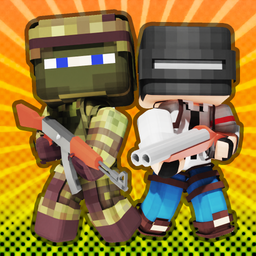
BoxBulletCraft
Fans of the classic boxhead style action will find endless thrills in BoxBulletCraft as they battle waves of relentless creatures. This intense arena ...
▶ Play FreeUnderstanding Crafting Systems & Recipes — How to Play Craft Like a Pro
The crafting table (or workbench, forge, anvil — the name changes per game) is your most important structure. Most beginners ignore it past the tutorial. Advanced players live in it.
Recipe categories to learn first:
- Tools — pickaxe, axe, shovel. Upgrade these before anything else.
- Weapons — sword, bow, traps. You need these before night hits.
- Food — crops, meat, bread. Hunger drains your health regeneration in survival games.
- Building blocks — planks, bricks, glass. Different materials have different blast resistance.
- Storage & utility — chests, furnaces, crafting tables themselves.
Most craft games tier their recipes. Wooden tools are fast to make but break quickly. Stone tools last longer. Iron is the sweet spot for mid-game. Diamond or equivalent is late-game luxury. The mistake new players make is skipping tiers — spending hours collecting wood and never upgrading to stone. Rule of thumb: as soon as you have 8 stone, make a stone pickaxe. Always be upgrading.
Furnaces and smelting are a separate mini-system that trips people up. Raw iron ore doesn't go straight into a crafting recipe — you smelt it first. Furnaces need fuel (wood, coal, charcoal) to run. Coal is the most efficient early fuel source. Keep a stack of coal on you at all times. Running out of fuel mid-smelt is one of the most frustrating experience in the genre.
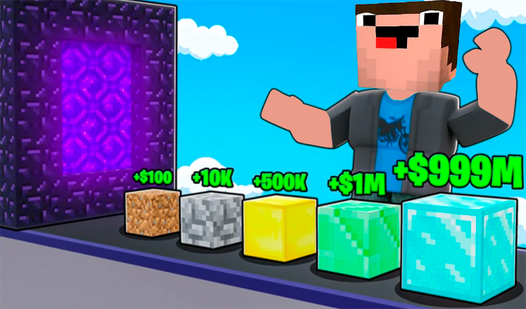
Block Craft: Resource extraction takes this resource loop seriously. The entire game revolves around collecting specific blocks and selling them at market — the better you understand which resources are worth your time, the faster you climb the wealth rankings and become the richest crafter on the server.
Some craft games also feature recipe books — an in-game encyclopedia of every recipe unlocked so far. Always check this before assuming you're stuck. Nine times out of ten, the item you need exists; you just haven't found the recipe yet.
Enchanting and upgrades appear in more advanced craft games. These systems let you add bonus effects to gear: faster mining speed, higher damage, fire resistance. They usually require rare materials and a special crafting station. Don't rush them — get a stable resource supply first.
Building Your First Base
Your base is your lifeline. It protects you at night, stores your loot, and gives you a respawn point. Building it right from the start saves enormous pain later.
Location matters more than most beginners think. Look for:
- High ground — you see enemies coming and have a natural defense advantage.
- Proximity to resources — being 30 seconds from a forest and 60 seconds from a mine beats a pretty view.
- Water nearby — farming needs water, and water sources are harder to find later when you're deep underground.
- Flat land — building on slopes wastes materials and time leveling the ground.
Base design for survival:
Start with a small, sealed room. Four walls, a roof, a door. Ugly, but functional. This stops night spawns from reaching you while you sleep or craft. Once you have a secure shelter, expand outward — add a crafting room, then a smelting room, then storage. Think of it as zones: living area, production area, storage area.
Walls: Stone is better than wood because most ranged enemies can't destroy it. Wood burns. Stone doesn't.
Lighting: Place torches every 6-8 blocks inside and around your base. Most craft games spawn hostile mobs in darkness — lighting eliminates spawn points.
Doors: Always craft a door. An open entrance is an invitation. Some games let you craft locks or pressure plates to automate doors — use them.
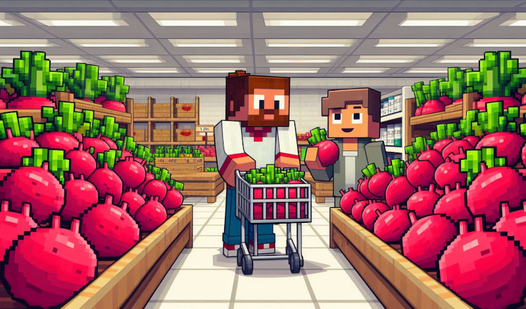
Noob's CraftMart flips the base-building concept on its head. Instead of fortifying against enemies, you're running a shop inside a Minecraft-style store — stocking shelves with beet soup and bread, managing supply chains, and turning your humble storefront into a thriving business. It's a surprisingly deep economic sim wrapped in a familiar craft-game skin.
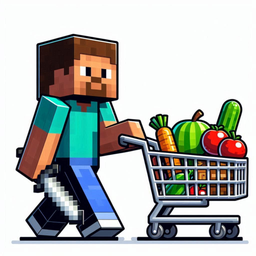
Noob's CraftMart
Staring at the clock waiting for your shift to end or just need a quick distraction from the daily grind? Noob's CraftMart is the perfect cure for bor...
▶ Play FreeCommon base-building mistakes:
- Building with wood in a biome that has fire spread enabled
- Placing your storage room near the entrance (raiders hit storage first)
- Not building walls tall enough — many enemies can climb or jump
- Forgetting a bed — in most games, sleeping resets the night cycle and sets your spawn point
- Building too big too fast — a small, fully-lit, fully-walled base beats a massive half-finished castle every time
Once your base is stable, think about automation. Many mid-to-late game craft systems let you build hoppers, conveyor belts, or automated farms. These passively generate resources while you focus on exploration or building. A simple automated wheat farm can eliminate food anxiety entirely.
Best Free Craft Games for Beginners
These are the best places to start if you're new to the genre — all Craft games online free, playable right in your browser.
Craft monsters. Evolution is a fantastic starting point for players who enjoy strategic depth. You combine different mobs together, upgrade their stats, and build an army of creatures. The crafting here isn't about blocks — it's about genetic recipes. Which mobs combine to create something stronger? Experimentation is the whole point, and the progression curve is satisfying without being punishing.
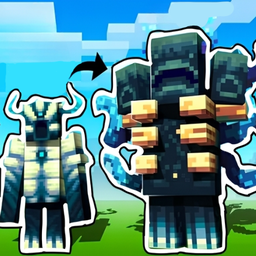
Craft monsters. Evolution
Merge tiny creatures to build a formidable team in Craft monsters. Evolution and watch your power multiply with every successful combination. You star...
▶ Play FreeBlock Craft Robbie: From Noob to Pro! does exactly what it says. You start with nothing — the classic craft-game zero-to-hero arc — and build a business empire from the ground up. The game walks you through core mechanics without hand-holding you to death, making it ideal for players learning how to play Craft games for the first time. By the end, you'll have internalized resource loops, base building, and economic management simultaneously.
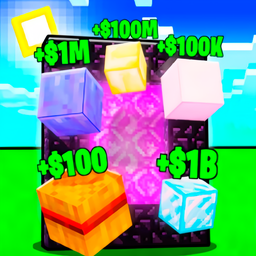
Block Craft Robbie: From Noob to Pro!
Transform a modest startup into a global empire by making sharp strategic choices in Block Craft Robbie: From Noob to Pro! You will manage every aspec...
▶ Play FreeCraft Arena Zombie Apocalypse brings survival horror into the mix. You're not just building — you're racing to fortify before the undead horde arrives. This adds urgency to every crafting decision. Do you spend the next two minutes gathering wood for walls or iron for weapons? Great for players who want stakes in their crafting.
Craft Arena Zombie Apocalypse
Staring at the clock and waiting for your shift to end can be absolute torture when you just need a mental escape. Craft Arena Zombie Apocalypse is th...
▶ Play FreeSprunki Craft blends the sandbox crafting formula with a more playful, colorful art style. Lower stress, great for short sessions, excellent if you want to experiment with building without survival pressure bearing down on you.
Sprunki Craft
Drag mysterious pixel art icons onto the stage to build your own catchy musical masterpiece in Sprunki Craft. This inventive rhythm simulator blends t...
▶ Play FreePleygraund: Mod Roughcraft! is a rougher, more experimental take on the genre — think of it as a craft game with its difficulty sliders turned up. Resources are scarcer, enemies are tougher, and your decisions have bigger consequences. Worth trying once you've got the basics down.
Craft & Mining strips the genre back to its core: dig down, find resources, bring them up, craft better gear, dig deeper. It's a pure loop, almost meditative. Perfect for players who find base-building stressful and just want the satisfying rhythm of resource collection and tool upgrades.
Standoff 2: Knife Crafting takes crafting into competitive territory — this is about assembling and customizing knives for use in tactical gameplay. A great crossover for players who enjoy both crafting systems and action mechanics.
Pro Tips for Advanced Crafting
You've got the basics. Here's how to play craft games at a higher level.
1. Learn the meta before you need it
Every craft game has a few recipes or techniques that dramatically accelerate progress — and most experienced players figure them out by accident after 10+ hours. Speed this up by reading the in-game recipe book cover-to-cover early. That one recipe you skipped past might be the shortcut that cuts your mid-game grind in half.
2. Prioritize tools over weapons in the first 15 minutes
New players see enemies and panic-craft a sword. Experienced players know: better tools = faster resources = better weapons anyway. Get your pickaxe to stone tier immediately. Combat comes second.
3. Never smelt without fuel queued
When you put ore in the furnace, fill the fuel slot completely before walking away. Running back every two minutes to add coal is one of the highest-friction moments in the genre. Keep a dedicated fuel chest near your smelting area stocked with coal at all times.
4. Build a resource buffer
Always keep a reserve of your most-used materials. Running out of wood mid-build because you used the last of it on a tool is avoidable. Set a mental minimum: if your wood drops below 64 logs, stop what you're doing and chop trees. Apply this logic to stone, coal, and food too.
5. Specialize your base rooms
Don't mix storage and production in the same room. It sounds minor, but walking three tiles from your furnace to your chest instead of thirty makes crafting sessions dramatically less tedious. Dedicated rooms for smelting, crafting, and storage pay dividends across a long play session.
Whatcraft rewards exactly this kind of systematic thinking. The game layers multiple crafting systems on top of each other, and players who approach it with organized base management and clear upgrade paths progress noticeably faster than those who play reactively.
Whatcraft
Stuck in a boring meeting or just waiting for the bus with nothing to do. Whatcraft is the perfect pocket-sized escape that turns your downtime into a...
▶ Play Free6. Raid before you build
In games with enemy camps or dungeons, raiding early gives you resources you'd otherwise spend hours grinding. Loot chests inside enemy structures often contain mid-tier materials that would take another hour to craft from scratch. Take the risk early — you have less to lose.
7. Use vertical space
Most new players build flat, sprawling bases. Experienced players build up. A three-story tower with storage on floor one, crafting on floor two, and a lookout on floor three takes the same footprint as a tiny one-room shack but is dramatically more efficient and defensible.
8. Automate anything repetitive
If you've done the same task manually five times, look for a way to automate it. Farms, smelting chains, item sorting — most advanced craft games have the tools to do this. Time spent building automation is always worth it over a long session.
Mine Fighting Craft pushes these advanced mechanics hard. Combat and crafting intersect constantly — you're crafting gear mid-fight, improvising weapons from available resources, and managing inventory under pressure. It's the most demanding game on this list and the one that best rewards the pro-level thinking described above.
Mine Fighting Craft
Pixelated brawls offer a unique kind of digital catharsis that keeps players coming back for one more round of chaos. Mine Fighting Craft captures thi...
▶ Play FreeMain Craft Playground! Ragdoll Show! takes a completely different direction — it's a physics-based sandbox where crafting meets ragdoll chaos. Less survival pressure, more creative experimentation. After an intense session with any of the harder games above, this is the perfect palette cleanser.

Main Craft Playground! Ragdoll Show!
Launch objects and manipulate the environment to create chaotic scenes of destruction in Main Craft Playground! Ragdoll Show! Controlling Nubik requir...
▶ Play Free