How to Play Clicker Simulator: Idle Mechanics & Progression Guide
If you've ever wondered how to play clicker simulator games properly — not just mashing the screen randomly, but actually making progress — you're in the right place. Clicker simulators look deceptively simple from the outside: click something, numbers go up, buy stuff, repeat. But underneath that loop is a surprisingly deep system of upgrades, automation, prestige mechanics, and optimization that separates casual players from those who actually reach the endgame.
This guide breaks down everything you need to know: how idle mechanics work, the smartest upgrade order, and which free clicker simulators are worth your time right now.
What Is a Clicker Simulator?
A clicker simulator is a genre of browser and mobile game built around a core feedback loop: you click to generate a resource (coins, energy, points, food — whatever the theme demands), then spend that resource on upgrades that generate more of it automatically. The loop compounds on itself, eventually reaching a point where the game plays itself while you check in occasionally to make bigger decisions.
The genre got its modern shape from games like Cookie Clicker back in 2013, but it has since branched into dozens of sub-genres. Some clicker simulators lean hard into the idle side, rewarding players who log off and come back hours later. Others are more active, requiring regular clicking for meaningful progress. Many modern ones blend both — and that hybrid is where the most interesting mechanics live.
What makes a clicker simulator satisfying isn't raw complexity. It's the pacing. A well-designed one gives you something meaningful to do every few minutes, a mid-term goal every hour or two, and a long-term goal (usually the prestige system) that reframes everything you've done. When those three layers are in sync, the game becomes almost meditative.
Take Kitty's Clicker: The Evolution of Food as a clean example of the core loop. You click to generate currency, use it to buy food items, combine them to unlock new tiers, and watch your income scale exponentially. It's pure idle loop in its most readable form — a great starting point if you're learning the genre.
The genre also adapts readily to any theme. You'll find clicker sims built around mining, farming, cooking, evolution, combat, and even rhythm. The mechanics stay recognizable; only the skin changes. That versatility is part of why clicker simulators have stayed popular for over a decade.
Idle Mechanics — How Auto-Click and Prestige Work
The two systems that define most clicker simulators are automation and prestige. Understanding both is the difference between grinding inefficiently and watching your numbers explode.
Auto-Click and Passive Income
Early in any clicker sim, you're doing the work manually. Every click adds to your total, and that's fine — but it doesn't scale. The real engine of any clicker simulator is passive income: upgrades that generate resources automatically, even when you're not clicking.
These passive generators usually come in tiers. You buy the cheapest one first (say, a small mine or a basic worker), and it ticks away in the background. Then you buy a more expensive second tier that produces significantly more per second. Then a third, fourth, and so on. The key insight is that each tier doesn't just add to your income — it multiplies it. A tier-3 generator might produce 5x what a tier-2 does, not just double.
This is why the early game can feel slow even if you're clicking constantly. Your manual clicks become a smaller and smaller fraction of total income as your passive generation scales up. Eventually, clicking manually is almost irrelevant — unless the game has specific click bonuses or multipliers built in.
Auto-click upgrades (which trigger clicks automatically at a set rate) sit in an interesting middle ground. They bridge the manual and passive phases, and in some games they're worth prioritizing early because they also trigger any per-click bonus multipliers you've unlocked.
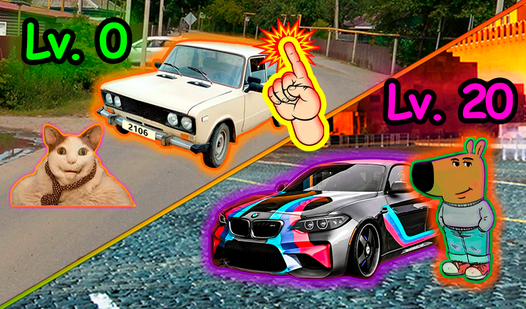
Pump Car Clicker! is a great example of a game that makes this transition feel rewarding. It starts with straightforward meme-infused clicking, then gradually hands the work off to automated systems — while visual effects keep the whole thing entertaining even after you've mostly gone idle.
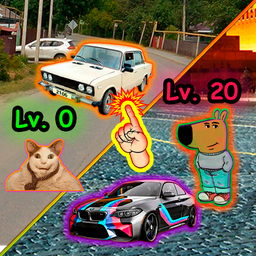
Pump Car Clicker!
The evolution of the clicker genre has reached new heights with Pump Car Clicker! which turns simple tapping into a high-octane automotive journey. Yo...
▶ Play FreeThe Prestige System
Prestige (sometimes called reset, rebirth, or ascension depending on the game) is the mechanic that gives clicker simulators their long-term life. The concept: at a certain point, you voluntarily reset your progress in exchange for a permanent multiplier that makes your next run faster and more powerful.
It sounds counterintuitive — why give back everything you've earned? But the math works in your favor. A prestige multiplier of 2x means your second run goes twice as fast. A third prestige at 4x means your third run is four times faster than your first. By the fifth or sixth prestige, you're blowing past content in minutes that took you hours the first time.
The art of prestige timing is one of the deeper skills in clicker sims. Prestige too early and your multiplier is tiny, barely worth the reset. Wait too long and you're in a "dead zone" where progress has slowed to a crawl and you're just waiting. The sweet spot is usually around the point where progress feels like it's grinding down — when each upgrade costs exponentially more but doesn't produce a proportional boost.
Capybara Evolution: Clicker demonstrates this loop well with its evolution mechanics. The evolution system is essentially a prestige layer — you reset a specific progression track to gain permanent bonuses that power a longer-term climb. It makes the whole arc feel intentional rather than repetitive.

Capybara Evolution: Clicker
Fans of cute animals and addictive idle games will find their new obsession with Capybara Evolution: Clicker. This charming clicker experience turns a...
▶ Play FreeOptimal Upgrade Order for Faster Progress
Knowing how to play clicker simulator games efficiently comes down to understanding upgrade priority. Here's a framework that applies across most titles in the genre.
Early Game: Multiply Before You Automate
In the first phase of any clicker sim, your instinct is to buy as many passive generators as possible. That's partially right, but there's a smarter order.
Prioritize multiplier upgrades over raw generators. A multiplier that increases all income by 50% is almost always more valuable than another unit of your current best generator. Why? Because the multiplier applies to everything you already have. If you're generating 1,000 per second, a 50% multiplier adds 500/sec instantly. That same investment in a new generator might only add 50-100/sec at that stage.
Look for upgrades tied to milestones (e.g., "own 10 of this unit to unlock a 2x bonus"). These are the highest-priority purchases in the early and mid game. They're essentially free multipliers waiting to be claimed — you just have to hit the threshold.
Mid Game: Diversify Your Income Sources
Once you have your first few generator types running, resist the urge to pile everything into your best one. Most clicker sims have hidden synergy bonuses for owning multiple types of generators. Some have upgrade chains that only unlock when you've reached certain quantities across multiple categories.
The other mid-game priority: click upgrades, especially if the game has a per-click multiplier system. Many players ignore click power once their passive income gets going, but click multipliers often stack with passive bonuses in non-obvious ways. In games that have "click frenzy" or burst mechanics, high click power can add huge spikes to your total.
Geometry Dash Evolution: Clicker does this well — it layers character progression and rhythmic click mechanics over a standard idle system, so the click side of the loop stays relevant longer than in more purely passive titles.

Geometry Dash evolution: Clicker
Clicker games offer a unique way to turn simple taps into massive progress and satisfying rewards. Geometry Dash evolution: Clicker takes this addicti...
▶ Play FreeLate Game: Prestige Timing and Meta-Progression
By the late game, your decisions are mostly about when to prestige (as covered above) and how to spend prestige currency. Most games give you a separate prestige shop with permanent upgrades that carry across resets.
The general rule here: prioritize flat multipliers and start-speed upgrades over novelty unlocks. Anything that makes your next run faster compounds across every subsequent run. Cosmetic or thematic upgrades can wait until you've locked in strong meta-progression.
Also watch for prestige-specific achievements. Many clicker sims have milestone bonuses for hitting certain prestige counts, which can create temporary "rush" goals — prestige specifically to hit count 5 or count 10 before optimizing for pure speed.
The Grid — More Clicker Sims to Practice On
Part of learning how to play clicker simulator games efficiently is just getting reps across different titles. Each game implements these mechanics slightly differently, and pattern recognition builds fast.
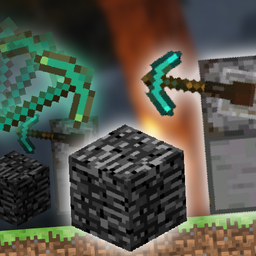
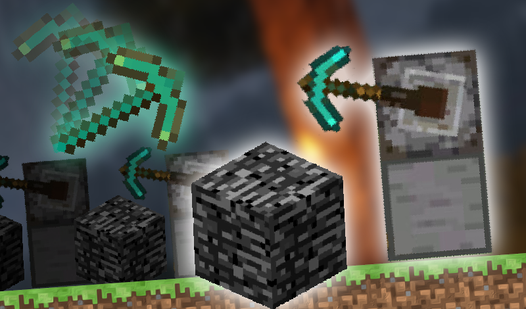
Stone Miner Simulator - Mine MOD!
Smash through endless blocks and collect precious ores to build your underground empire in Stone Miner Simulator - Mine MOD!. Clicking rapidly to brea...
▶ Play Free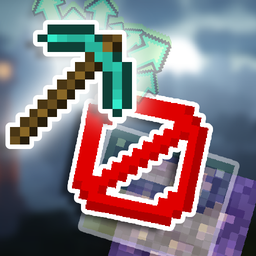
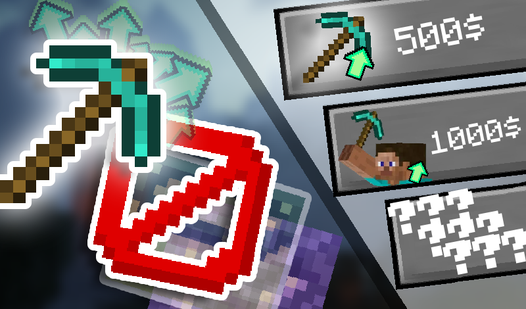
One Block Simulator - Mine MOD!
Fans of clicker games and block breaking will find One Block Simulator - Mine MOD! completely addictive as they strive for mining dominance. You start...
▶ Play Free
Clicker: Jujutsu Kaisen Evolution
Tap your way to supremacy as you navigate the intense world of Clicker: Jujutsu Kaisen Evolution by unleashing powerful curses with every single click...
▶ Play Free
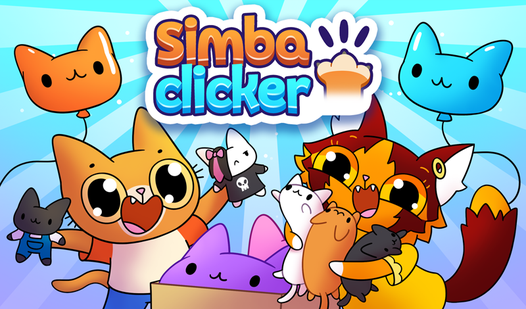
Simba Clicker
Tap the screen repeatedly to help a charming kitty manage his growing toy empire in Simba Clicker. Every single click fills the cash register, allowin...
▶ Play FreeBest Free Clicker Simulator Games Online
You don't need to install anything or spend money to get deep into the clicker sim genre. All of the following run directly in your browser.
Cosmic Balls: Neon Clicker!
One of the more visually distinctive options in the genre. Cosmic Balls: Neon Clicker! takes the standard resource loop and wraps it in ball-bursting mechanics — you earn points by popping glowing orbs, then funnel those points into an upgrade tree that eventually makes the screen a blur of passive income. The neon aesthetic keeps the visual feedback punchy even in late-game autopilot mode. It's a good pick if you want a clicker sim that feels active even after you've scaled up your automation.
Break the Toy: Fun Pinata Clicker
A clean entry point for anyone new to the how-to-play-clicker-simulator question. The pinata format is pure click-to-destroy satisfaction, with rewards dropping at escalating rates as you unlock better tools. Simple enough to understand in 30 seconds, with enough depth to keep you busy for hours.

Break the Toy: Fun Pinata Clicker
Stuck in a dull meeting or waiting for your coffee to brew and need a quick mental escape? Break the Toy: Fun Pinata Clicker is the ultimate stress bu...
▶ Play FreeSwing the Sword — Knight Clicker
Adds a combat layer to the standard idle loop. You click to attack enemies, earn gold, buy upgrades, and eventually conquer increasingly powerful bosses. The combat pacing creates natural short-term goals (kill this boss) nested inside longer ones (prestige for better gear multipliers), which is a design pattern that works extremely well in this genre.
Labubu Toy Clicker — Dancing, Memes, Songs, Rhythm
Probably the most chaotic entry on this list in the best possible way. Labubu Toy Clicker mashes clicker mechanics with rhythm elements and meme culture, creating something that feels distinctly different from a standard idle game. The progression still follows familiar clicker logic, but the energy is completely different. Worth trying just to see a different interpretation of the genre.

Labubu Toy Clicker - Dancing, Memes, Songs, Rhythm
Rhythmic clickers turn simple tapping into a high-energy performance where every beat counts toward your ultimate success. Labubu Toy Clicker - Dancin...
▶ Play FreeGooJitZu Battle: Clicker
A combat-themed clicker built around the GooJitZu toy line. Battle mechanics layer over the standard upgrade loop, giving you a reason to keep clicking even after passive income kicks in. Enemy encounters create urgency that pure idle games sometimes lack, making this a solid pick for players who want more active engagement alongside the idle systems.
What Makes a Clicker Sim Actually Good?
Not all clicker simulators are created equal. The best ones share a few traits worth looking for:
Meaningful decisions at every stage. A good clicker sim never leaves you with nothing interesting to do. There's always an upgrade to evaluate, a milestone approaching, or a prestige decision to consider. If a game just becomes "wait and collect" with no choices involved, it's lost the plot.
Readable feedback. Numbers need to grow in ways that feel real. A game where your income jumps from 1,000/sec to 10,000/sec in a satisfying burst feels great. One where everything increments by 1% forever feels flat even if the math is technically the same.
Fair idle rewards. The best clicker sims respect your offline time. Log off for 8 hours and come back to meaningful progress — not a capped 5-minute bonus. This is what makes idle mechanics genuinely useful rather than just a label.
A prestige hook. Any clicker sim without some form of prestige or rebirth system will eventually run out of content. The prestige loop is what turns a 3-hour game into a 30-hour game.
All the games listed in this guide hit most of these marks. Whether you're experimenting with your first clicker sim or looking for your next long-term idle obsession, there's something in that list worth starting with tonight.