How to Play Bike Games Online: Beginner's Guide
So you want to know how to play bike games? Good choice. Motorcycle and cycling games are some of the most satisfying browser games out there — there's nothing quite like the feeling of nailing a perfect landing after a huge jump, or threading your way through traffic at breakneck speed. Whether you're completely new to the genre or just looking to sharpen your skills, this guide covers everything from basic controls to advanced trick techniques.
Bike games have been a browser gaming staple for years, and for good reason. They reward both quick reflexes and patience. The controls are usually simple to pick up, but mastering them? That takes real practice. Let's get into it.
Types of Bike Games — Motocross, Trials, and Racing
The phrase "bike games" covers a surprisingly wide range of experiences. Before you start playing, it helps to know what kind of game you're actually dealing with, because each type demands different skills.
Trials games are all about balance and precision. You navigate an obstacle course — ramps, logs, platforms, teetering bridges — without falling over or putting your foot down. These games are slow-paced compared to racers, but mentally intense. Every move counts. You're constantly micro-adjusting your speed and body angle to stay upright.
Motocross / Freestyle games focus on big jumps, hill climbs, and aerial tricks. You're not racing against the clock so much as trying to pull off impressive stunts. Physics matter a lot here — lean too far back on a jump and you'll loop out; lean too far forward and you'll endo (nose-dive). Finding that sweet spot is the whole game.
Racing games put you on a track or highway against other riders (or the clock). Speed management, cornering, and overtaking are the core skills. Some racing bike games are arcade-style and forgiving; others simulate realistic physics that punish every mistake.
Obstacle / Adventure games blend platformer elements with bike mechanics. You're often guiding a character through a quirky world on two wheels, collecting items or reaching a goal. These tend to be more casual and story-driven.
One of the quirkiest examples of that last category is a game where you guide a beloved toy character through a colorful world, balancing on a motorcycle while dodging all kinds of obstacles. It takes classic bike game mechanics and wraps them in an adorable aesthetic that makes it hard to put down.
Knowing which type you're playing helps you set the right expectations. Trials games will frustrate you if you approach them like a racer. Racers will bore you if you're looking for the careful, puzzle-like feel of trials. Pick your mood, then pick your game.
Basic Controls and How to Play Bike Games — Staying Balanced
Here's where most beginners go wrong: they think bike games are like driving games. They're not. A car has four wheels and won't tip over. A bike has two, and balance is everything.
The standard control layout for most browser bike games:
- Arrow Up / W — accelerate
- Arrow Down / S — brake / reverse
- Arrow Left / A — lean backward
- Arrow Right / D — lean forward
- Some games add Z / X or Shift for tricks or speed boosts
The lean keys are what trips up new players. Leaning isn't just for turning — it's how you keep from flipping. Going up a steep hill? Lean forward to keep your front wheel down. Going over a jump? Lean back to control your arc and land cleanly.
The golden rule: don't hold down one direction. Players who jam the lean key in one direction constantly will crash every single time. Tapping and adjusting is the way to go. Think of it like steering a real bike — constant micro-corrections, not a hard crank in one direction.
Speed control is underrated. Most beginners go full throttle everywhere. The best bike game players know when to feather the gas — slowing down before a tricky obstacle, then accelerating out of it. Brake before the curve, not during.
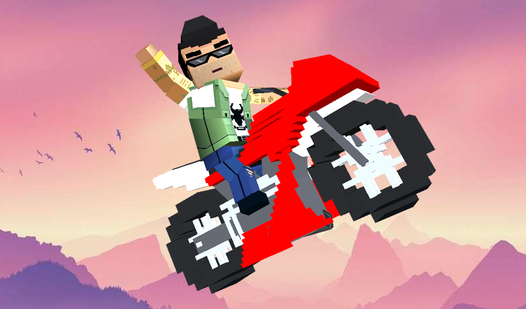
A fantastic game for learning these basics is one that combines block-style visuals with surprisingly realistic physics. The weight and momentum feel genuine, and the game won't let you get away with sloppy technique.
Blocky Bike Madness
Staring at a blank screen while your coffee cools down is the perfect cue to kick your day into high gear. Blocky Bike Madness delivers that instant a...
▶ Play FreeLanding after jumps deserves its own mention. When you're airborne, you're still in control. Use your lean keys to angle your bike for landing. Ideally, you want to land with both wheels hitting close to simultaneously, or the rear wheel first. Landing front-wheel first at high speed almost always means an endo crash.
Practice on easier levels first. Every bike game has a learning curve, and it's much better to build good habits on simpler terrain than to develop bad ones trying to brute-force hard stages.
Best Free Bike Games for Beginners
Not all bike games are created equal for newcomers. Some throw you into brutal physics sandboxes with no mercy; others ease you in with forgiving controls and clear progression. Here's what to play first.
Obstacle and adventure-style games are the most beginner-friendly. The goals are clear, the pace is manageable, and you're not punished as harshly for mistakes. You learn the basic bike controls in a low-pressure environment.
Simple racing games with short tracks are also great starting points. You learn to manage speed, corner, and compete without dealing with complex trick systems or brutal physics.
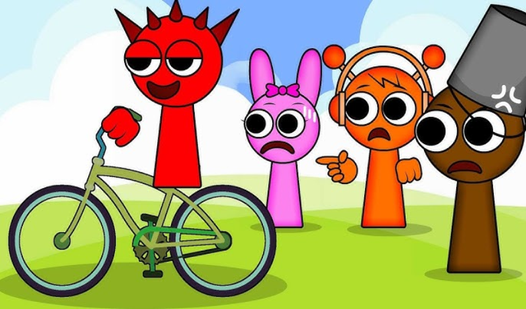
For something that blends fun music mechanics with bike gameplay in a totally original way, there's a game that puts you on a slippery slope with a musical twist. It's unconventional, but the sliding, balancing mechanics give you a great feel for how momentum and lean interact.
Sprunki Incredibox Slippery Slope on a Bike
Staring at the clock waiting for a break while the workday drags on is a common struggle. Sprunki Incredibox Slippery Slope on a Bike solves that bore...
▶ Play FreeIf you want pure racing energy with an accessible entry point, highway racing games give you the rush of speed without the complexity of stunt systems. You focus on weaving through traffic, picking the right bike, and holding your line — great fundamentals.
Tips for beginners specifically:
- Start on the easiest difficulty or first levels, always. Don't skip ahead.
- Focus on finishing, not perfecting. Complete a course before worrying about your time or score.
- Watch what happens when you crash. Did you lean too far? Go too fast? Each crash is information.
- Try different games. Some control schemes will click for you faster than others. There's no shame in finding one that fits your instincts before tackling harder stuff.
Here are some more solid options for players just getting started:
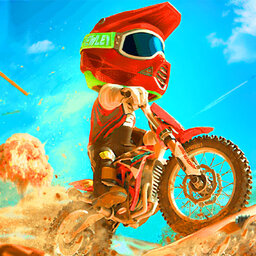
Mini Bike Race
Staring at a blank screen while your coffee cools down is the perfect excuse to hunt for some fast-paced entertainment. Mini Bike Race turns those dul...
▶ Play FreeHow to Master Stunts and Tricks
Once you're comfortable with basic riding, tricks are what separate casual players from people who genuinely dominate bike games. Stunts usually happen in the air — on jumps — and they require you to think about your jump before you take it.
Setting up the jump right is the first skill to develop. Your air time is determined by your speed and the ramp angle. Too slow and you barely get off the ground. Too fast and you overshoot entirely. The sweet spot gives you enough hang time to execute a trick and set up for landing.
Common tricks in bike games:
- Wheelie — lift the front wheel by leaning back, usually on flat ground or mild slopes
- Stoppie / Endo — brake hard and lean forward to lift the rear wheel (risky, often ends badly if you go too far)
- Backflip — lean back hard in the air; requires significant height
- Front flip — lean forward aggressively; much harder to land cleanly
- No-hander / No-footer — releasing controls momentarily during a trick in games that support it
The key to landing backflips and front flips is timing the rotation. You initiate the flip immediately after the ramp, then counter-rotate near the end — meaning you push back in the opposite direction to stop spinning and level out for landing. If you keep spinning all the way to the ground, you'll crash.
Combo systems in some games reward you for chaining tricks without crashing. The mental skill here is risk management: is this next jump safe to attempt a bigger trick on, or should you play it safe and bank the combo? Knowing when to play conservative is as important as knowing how to execute the trick itself.
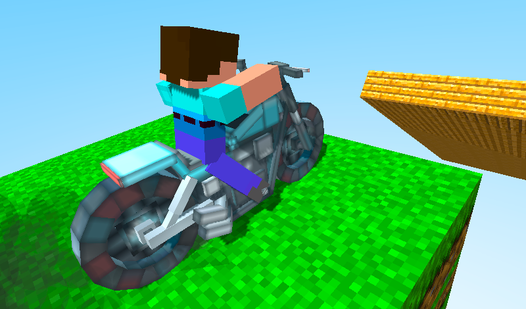
For a game that really pushes the stunt side, Obby: Bike Mania throws extreme terrain at you with serious air opportunities, plus a progression system of bikes to unlock as your skills improve.
Downhill and off-road riding has its own trick-adjacent skill: body position management on rough terrain. Games like MTB downhill-style titles require you to constantly shift your weight to maintain control on bumps, roots, and steep faces. It's less about flashy tricks and more about not losing momentum through technical sections.
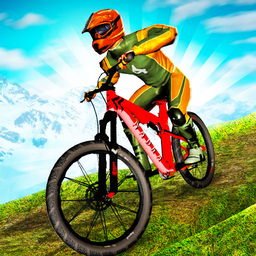
MTB Downhill Extreme
Conquering steep mountain trails on two wheels offers an adrenaline rush that few racing experiences can match. MTB Downhill Extreme captures this int...
▶ Play FreeAdvanced Bike Game Strategies
You've got the basics. You can pull off a backflip. Now what separates the good players from the great ones?
Route optimization is huge in trials and obstacle games. Most levels have an optimal path — usually not the most obvious one. Look ahead, spot the easiest lines, and plan two or three moves in advance. Reactive players constantly get caught off-guard; strategic players set themselves up for clean runs.
Speed management as a weapon — in racing games, the players who win aren't always the fastest. They're the ones who lose the least speed through corners. Brake early, apex cleanly, and power out. A smooth rider at 80% throttle will beat a sloppy rider at 100% every time because they carry momentum better through technical sections.
Bike selection matters more than beginners realize. In games with multiple bikes, there are real tradeoffs:
- Heavier bikes are more stable and harder to tip, but slower to change direction
- Lighter bikes are twitchy and responsive, great for tight obstacles, but punish mistakes more
- High-suspension bikes handle rough terrain better but can feel floaty on ramps
- Speed-focused bikes are exhilarating on long straights but terrifying on obstacles
Match your bike to the level type. Don't bring a speed-focused highway racer to a technical trials course.
Mental stamina sounds soft but it's real. Bike games with long levels or difficult checkpoint systems can be mentally draining. Getting frustrated after repeated crashes leads to rushing, which leads to more crashes. When you feel yourself getting tense, stop for a moment. Look at the obstacle calmly. Think through your approach. Then go. Players who manage their frustration outlast the ones who rely purely on reflexes.
Replay your crashes mentally. Seriously. After each failure, before you hit restart, take two seconds to identify what went wrong. Too fast? Wrong lean? Bad timing? If you can name the mistake, you can fix it. If you just smash restart on instinct, you'll repeat the same error indefinitely.
Study the terrain before committing. In trials-style games especially, some obstacles look passable at speed but require a completely different approach. Big rocks, gaps, and drops sometimes need you to slow almost to a stop and inch over, rather than trying to jump them.
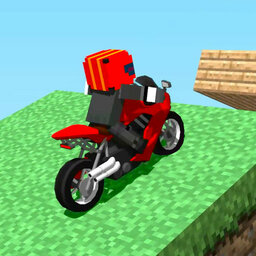
Crazy Motorcycle
Staring at a blank screen during a midday slump is the worst, but finding an instant adrenaline fix is exactly what you need to recharge. Crazy Motorc...
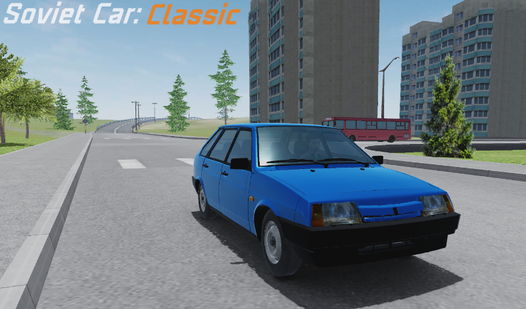
▶ Play FreeFor players who enjoy a different kind of challenge — nostalgia-tinged driving with old-school vehicle handling — there are also classic car and retro vehicle games that teach transferable skills around weight transfer and momentum, even if they're not strictly motorcycle games.
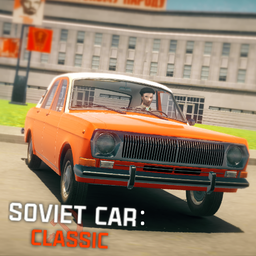
Soviet Car: Classic
Cruising through the past on four wheels offers a unique nostalgia that modern racing titles often overlook. Soviet Car: Classic captures the raw spir...
▶ Play FreeThe through-line in all advanced play is this: control beats speed. The instinct is always to go faster. The discipline is knowing when not to.