How to Play Arena Games: Rules, Strategies & Free Fun
Arena games have been a staple of competitive gaming for decades, and knowing how to play Arena properly can mean the difference between instant elimination and climbing to the top of the leaderboard. Whether you're stepping into a sword-fighting pit, a tank battlefield, or a chaotic ragdoll brawl, the core principles stay surprisingly consistent across the genre.
This guide covers everything — Arena rules, winning strategies, and a handpicked selection of the best free Arena games you can play right now without downloading anything.
What Is an Arena Game?
At its core, an Arena game places players in a confined space and challenges them to outlast, outscore, or outmaneuver everyone else. The "arena" can take many forms: a gladiatorial pit, a city block, a space station, or a blocky sandbox map. What ties them all together is the pressure of limited space and constant competition.
Arena games typically fall into a few broad categories:
- Melee combat arenas — players fight with swords, spears, or fists at close range
- Ranged combat arenas — guns, harpoons, or projectiles do the work from a distance
- Vehicle arenas — tanks, cars, or mechs clash in open combat zones
- Survival arenas — last player standing wins, often with environmental hazards closing in
The genre exploded in popularity with the rise of browser and mobile gaming because the format is naturally pick-up-and-play. You don't need a tutorial to understand "don't get hit, hit the other guy." That immediate clarity is exactly what makes arena games so compelling. Even experienced players from other genres can drop into an arena match and feel competitive within minutes.
How to Play Arena: Core Rules Every Player Should Know
Before jumping into advanced tactics, let's cover the foundation. These rules and mechanics apply across nearly every Arena game you'll encounter.
Objective
Most arena games share one of three win conditions:
- Last man standing — eliminate all opponents; the final survivor wins
- Score/kill count — rack up the most points before the timer expires
- Objective-based — capture a zone, hold a flag, or complete a specific task
Knowing which mode you're playing changes everything. In a kill-count mode, aggressive play pays off. In last-man-standing, patience and positioning often beat raw aggression.
Health and Respawning
Some arenas give you one life. Others let you respawn indefinitely. This single mechanic changes your entire risk calculation:
- No respawn: every decision carries weight; survival matters more than flashy plays
- Unlimited respawn: pressure is lower, but kill/death ratio still affects rankings
Check the rules before your first match. It sounds obvious, but skipping this step is the number one reason new players get frustrated early on.
Boundaries
Arena maps are deliberately small. Running to the edge rarely helps — most games punish ring-outs, map boundaries, or environmental hazards along the perimeter. Learn where the edges are early so you stop accidentally eliminating yourself.
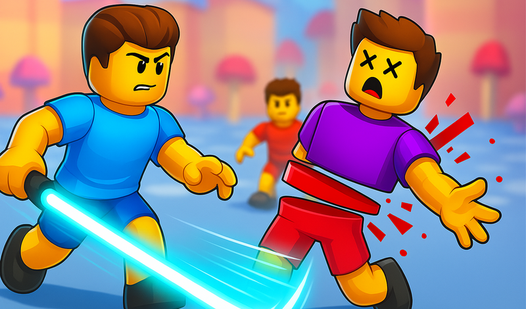
A great starting point for understanding these mechanics in a hands-on way is Obby Sword! Cut Enemies at Blocks Arena! — a blocky arena where sword combat teaches you spatial awareness quickly.
Obby Sword! Cut Enemies at Blocks Arena!
Fans of high-octane action games will find their new obsession with the fast-paced combat of Obby Sword! Cut Enemies at Blocks Arena!. This title plac...
▶ Play FreeMovement and Positioning
Positioning in an arena is arguably more important than raw mechanical skill, especially when you're starting out. Here's how to think about it:
Control the Center — But Not Always
The center of most arenas is high-value real estate. More enemies means more kill opportunities, but also significantly more risk. Early in a match, the center is a meat grinder. Mid-match, once weaker players have been eliminated, center control becomes more rewarding.
A better approach for new players: play near the center but at the edges of action. You can pick off distracted fighters without immediately drawing attention to yourself.
Watch Your Back
Arena maps are compact, which means threats come from every direction. Backing yourself into a corner might feel safe, but it limits your escape routes. Try to keep at least one clear path behind you at all times.
High Ground Advantage
Vertical space matters in 3D arenas. Players above you can attack with gravity-assisted hits and spot threats sooner. If the map has elevated platforms, contest them — or at minimum, don't fight uphill unnecessarily.
Spacing in Ranged Arenas
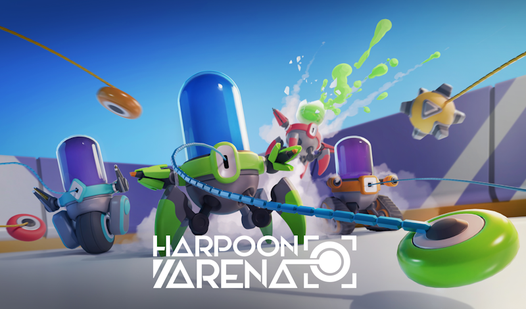
For games that rely on projectiles or harpoons, spacing becomes your primary weapon. Keeping opponents at your optimal range while denying them their preferred distance is the fundamental skill of ranged arena play. Harpoon Arena is a fantastic game for developing this instinct — the unique harpoon mechanic forces you to think constantly about distance management.
Harpoon Arena
Team shooter enthusiasts and fans of high-stakes pudge wars will find their new obsession in this intense combat challenge. Harpoon Arena delivers a f...
▶ Play FreeHow to Play Arena: Winning Strategies
Let's get into the part that separates average players from consistent winners. These strategies apply across most Arena game types, with adjustments depending on the specific mechanics at play.
Strategy 1: Read the Room Before You Act
The first five seconds of any arena match are chaotic. Everyone scrambles for position, weapons spawn, and brief accidental alliances form. Don't charge blindly. Spend a moment scanning:
- Who's fighting who?
- Where are the power-ups or weapons?
- Is anyone already rushing toward you?
This half-second of observation is often the difference between a good start and getting eliminated before you even had a chance to react.
Strategy 2: Let Others Weaken Each Other
This is sometimes called "third-partying" — and it's not cheap play, it's smart timing. If two players are locked in combat, both losing health and focus, that's your ideal moment to strike the weaker one, or wait until the winner is damaged enough to finish quickly.
Rushing into ongoing fights too early gets you hit by both players. Waiting too long means missing the opportunity entirely. The timing window is usually right when one combatant drops below about 30-40% health.
Strategy 3: Master One Weapon Type First
Most arena games offer multiple weapon options. Beginners often switch constantly, never developing real skill with anything. Pick one weapon type that fits your playstyle and commit:
- Swords/melee: rewards aggression, close-range skill, and attack timing
- Ranged: rewards positioning, aim discipline, and distance management
- Special/unique weapons: high risk, high reward — save these for when you're comfortable with base mechanics
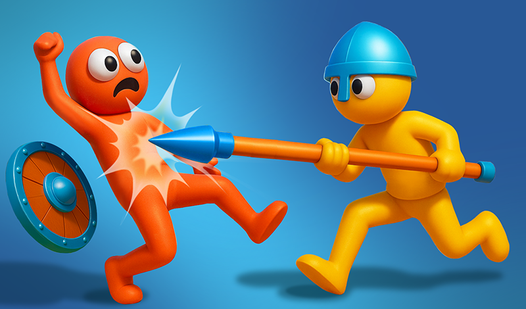
Ragdoll Arena! Fun Spear Battle! is excellent for learning melee timing specifically. The spear combat and ragdoll physics mean that mistimed attacks have obvious, comedic consequences — which makes the feedback loop very clear.
Ragdoll Arena! Fun Spear Battle!
Stuck in a boring meeting or just need a quick escape from reality? Ragdoll Arena! Fun Spear Battle! is the ultimate distraction that turns your scree...
▶ Play FreeStrategy 4: Understand the Cooldown Loop
Attacks in most arena games aren't instant. Swings, shots, and special abilities all have cooldowns or recovery frames — moments after using an ability where you're briefly vulnerable. Learning these rhythms is essential:
- Attack → miss → recovery window → opponent counters
- Block → opponent attacks → block breaks → you counterattack
Patience during recovery windows beats button-mashing every single time. Players who respect this loop consistently outperform technically flashier players who spam without thinking.
Strategy 5: Adapt to Your Opponents
Watch how the players around you behave. Some are highly aggressive rushers. Others are passive campers. Some spam the same move repeatedly. Once you identify a pattern, exploit it:
- Rushers get punished by step-back counterattacks
- Campers get punished by baiting movement and punishing their positioning
- Spammers get punished by timing your dodge to their recovery frame
Arena games reward adaptability far more than memorized combos.
Strategy 6: Manage Your Resources
In games with health pickups, weapons, or special abilities scattered around the map, resource management is a secondary skill layer. Don't hoard — actively deny resources to opponents whenever safe to do so. A health pickup your enemy can't reach is almost as valuable as healing yourself.
Best Free Arena Games to Play Right Now
Enough theory — let's look at actual games where you can put these skills to work. All of these are free, browser-based, and available on FreeJoy.games.
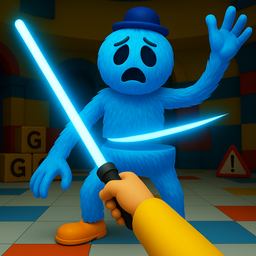
Poppy 4! Cut Monsters with Sword in Arena!
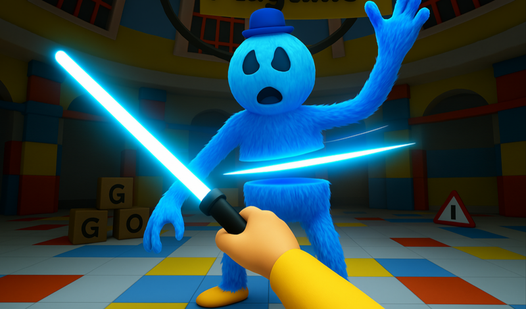
If you want a clean test of the strategies above — reading the room, timing attacks, managing health — this game delivers it with a satisfying monster-slashing format. Armed with a sword and surrounded by increasingly aggressive enemies, the arena design means there's nowhere to hide. Every fight is a direct test of your technique.
Poppy 4! Cut Monsters with Sword in Arena!
Swing your blade with precision to slice through waves of incoming creatures in Poppy 4! Cut Monsters with Sword in Arena!. This intense action experi...
▶ Play FreeTanks Duel: War Arena
For players who prefer vehicle combat, this game shifts the arena formula into a top-down tank battlefield. Customizable loadouts add a strategic layer before the match even starts — choosing the right setup for the map and opponent type matters as much as your in-match decisions. Tank combat also teaches positioning in a different way: momentum and turning radius force you to plan several seconds ahead.
More Arena Games Worth Trying
The following titles each put their own spin on arena combat. Some emphasize physics, others focus on multiplayer chaos, and a few add unique settings that change the strategic picture entirely.
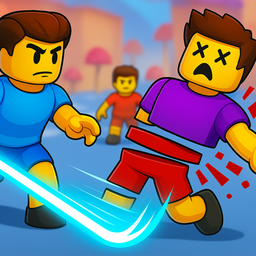
Hero Blocks Arena! Ragdoll Sword Fight! — blocky physics meets sword combat in a fast, funny arena where nothing goes quite as planned. Great for learning how knockback and momentum affect positioning.
Hero Blocks Arena! Ragdoll Sword Fight!
Stuck in a boring meeting or just waiting for your coffee to brew, you deserve a chaotic escape that challenges your reflexes. Hero Blocks Arena! Ragd...
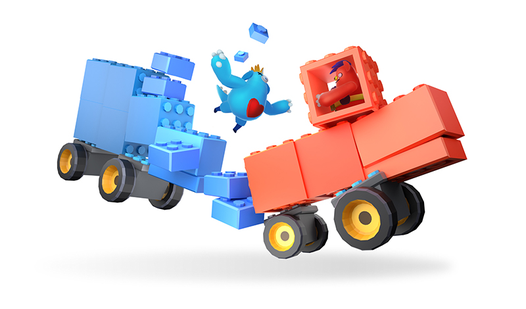
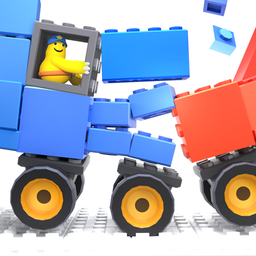
▶ Play FreeTOYS: Crash Arena — an unusual take on the format where toys smash into each other in creative, destructive ways. Excellent for players who enjoy unpredictable physics and emergent chaos.
TOYS: Crash Arena
Building the ultimate combat vehicle from humble construction blocks is the ultimate childhood dream turned into high-stakes reality. TOYS: Crash Aren...
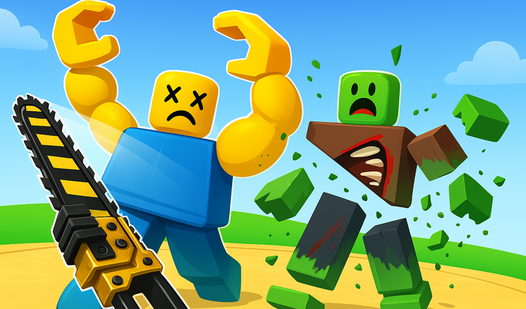
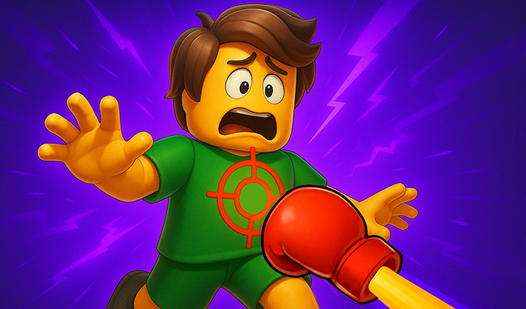
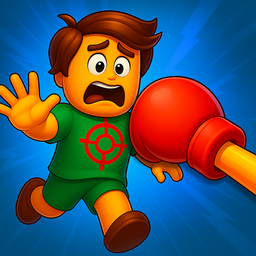
▶ Play FreeSuper Punch! Defeat Noob in Playground Arena! — straightforward and satisfying. This game teaches the fundamentals of timing and positioning through pure punching combat. A great choice if you want to internalize the core attack-and-recover loop without complicated mechanics.
Super Punch! Defeat Noob in Playground Arena!
Ragdoll physics turn every confrontation into a hilarious spectacle of flying limbs and chaotic impacts. Super Punch! Defeat Noob in Playground Arena!...
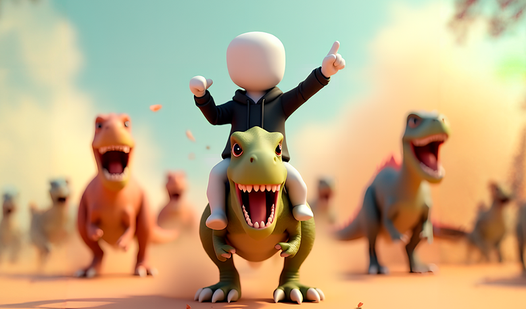
▶ Play FreeStick: Dinosaur Arena — if you've ever wanted to fight dinosaurs as a stick figure in a compact arena, here it is. Surprisingly strategic for such a simple visual style — hitboxes and spacing matter more than you'd expect.

Stick: Dinosaur arena
Prehistoric combat takes a chaotic turn when stickman warriors collide with ancient reptiles in Stick: Dinosaur arena. This strategic battler blends r...
▶ Play FreeWar The Knights: Battle Arena Swords 3D — a 3D medieval arena game that rewards players who master the slash-and-dodge timing loop. The 3D perspective adds real complexity to spatial awareness, making it a good challenge for players who've already gotten comfortable with 2D arena combat.
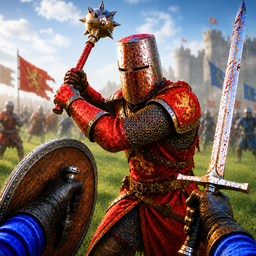
War The Knights: Battle Arena Swords 3D
Swing your blade and claim dominance as you charge into intense medieval combat. War The Knights: Battle Arena Swords 3D forces you to master precisio...
▶ Play FreeCommon Mistakes New Arena Players Make
Learning how to play Arena isn't just about knowing what to do — it's equally about recognizing what not to do.
Chasing Kills Across the Whole Map
New players often sprint after fleeing opponents across the entire map, ignoring other threats entirely. This leaves you overextended, damaged from the chase, and vulnerable to whoever was watching that exchange. Only chase when you can finish the fight quickly and return to a defensible position safely.
Ignoring the Map Layout
Every arena map has its own personality. Some have chokepoints that favor close-range combat. Others have open sightlines that reward ranged play. Walls, platforms, hazards, and spawn points all affect how matches flow. Spend a few minutes in any new game exploring the map in low-pressure moments — that knowledge compounds over every subsequent match.
Tunnel Vision on One Opponent
Getting locked into a long duel while the rest of the match plays out around you often results in both fighters getting hit by a fresh third player who spent that time recovering health and watching the fight. In arena games, disengaging is often smarter than winning every individual exchange.
Not Paying Attention to Respawn Patterns
In modes with limited respawns or delayed respawning, knowing roughly when players come back lets you press advantages before opposition reforms. Even rough awareness of respawn timing helps you choose when to push and when to hold.
Tips by Arena Game Type
Different arena subtypes reward slightly different skills. Here's a quick breakdown:
Sword and Melee Arenas
- Footwork matters more than button volume
- Block-breaking and stamina management are often the decisive factors
- Closing distance efficiently beats raw attack speed
Ranged / Projectile Arenas
- Lead your shots — aim where the opponent will be, not where they currently are
- Manage your position relative to cover
- Track ammo where applicable; running dry at close range is usually fatal
Vehicle Arenas
- Turning radius and momentum affect every engagement
- Side and rear shots often deal bonus damage
- Map awareness is even more critical because vehicles can't reverse instantly
Physics / Ragdoll Arenas
- Embrace unpredictability — trying to be too precise often backfires
- Understand how knockback interacts with map edges; sending opponents off-platform is often more reliable than direct health damage
- Watch how the environment responds to physics — walls and ramps can amplify or absorb knockback in ways that change the fight
How to Improve Over Time
Consistent improvement in any Arena game comes down to a feedback loop:
- Play — get reps in, try different approaches
- Observe — notice what worked and what didn't; many games include kill cams or match replays
- Adjust — change one thing at a time, not everything at once
- Repeat — small improvements compound across sessions
One concrete habit: after each loss, identify the single most decisive moment — not the chain of events, just the one moment where the match became unwinnable. That's where your attention should go next session.
Why Arena Games Keep Pulling Players Back
The format has survived decades of gaming trends for a straightforward reason: compressed stakes. Every second of an arena match matters. There's no 20-minute build phase, no extended lore sequences, no complicated inventory management between fights. You spawn, you fight, you either win or respawn and try again.
This makes arena games particularly effective for short sessions, rapid skill development, and casual social play. The genre also happens to be one of the best represented in free browser gaming, which is why there are dozens of solid options across every arena subtype — available without accounts, without downloads, and without spending money.