Play Arena Games for Kids — Best Free Online Picks
Want to play arena games for kids without spending a cent or sitting through a download? You're in exactly the right place. Arena-style games are some of the most fun titles on the internet — fast rounds, easy controls, just enough competition to keep younger players coming back for one more match. Whether your kid loves smashing through enemies, battling a sibling on the same keyboard, or taking on waves of cartoon monsters, this list has the right game for the moment.
Everything here runs in a browser. No installs, no accounts, no hassle. Just open the page and start playing.
What Are Arena Games?
Arena games are a category of online titles where players compete inside a defined space — a ring, a map, a battle pit — trying to outlast, outscore, or outmaneuver opponents. The "arena" can be anything: a medieval tournament ground, a toy-filled crash zone, a block-world obstacle course, or a physics sandbox with ragdoll fighters flying in every direction.
What makes arena games so sticky for kids specifically? A few things consistently stand out:
Short rounds. Most matches last two to five minutes. That's a natural fit for younger attention spans, and it makes the "one more game" loop feel harmless — each round is its own tiny adventure.
Instant restarts. Lose a round? New one starts almost immediately. There's no long loading screen, no penalty screen to sit through. This removes the frustration spike that often kills interest in other game types.
Satisfying feedback. Explosions, ragdoll tumbles, crash physics, cartoon knockouts — arena games are built around feedback that feels rewarding even when you're losing. That matters a lot for younger players who are still building competitive resilience.
Massive variety. The arena genre stretches from sword fights and brawlers to puzzle races and physics sandboxes. Some arena games are pure action. Others sneak in logic, timing, and creativity without feeling educational. The best ones do several things at once.
No prerequisites. You don't need to know the lore, finish a tutorial, or unlock characters to enjoy an arena game. Most of them hand you controls and throw you in. That accessibility is huge for kids who are gaming across multiple titles and genres.
If you've ever seen a kid get completely absorbed in a browser game for forty-five minutes and emerge glowing — that was probably an arena game doing its job.
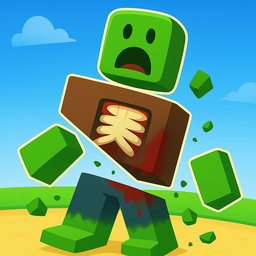
Obby Sword! Cut Enemies at Blocks Arena!
Fans of high-octane action games will find their new obsession with the fast-paced combat of Obby Sword! Cut Enemies at Blocks Arena!. This title plac...
▶ Play FreeBest Arena Games for Kids to Play Safely Online
The games in this section are picked specifically because they balance genuine excitement with kid-appropriate content. Nothing here features graphic violence or dark themes — the combat is cartoonish, the physics are silly, and the overall tone stays firmly in "fun chaos" territory rather than anything stressful.
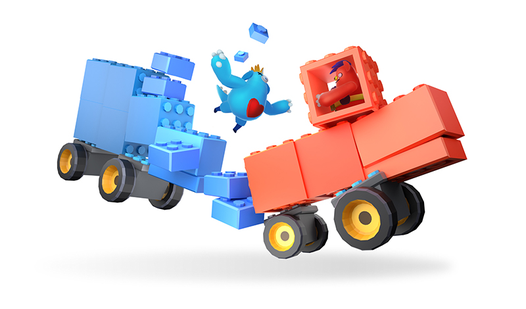
TOYS: Crash Arena is one of the best gateway arena games for younger players. The premise is brilliantly simple: toy vehicles crash into each other inside a colorful arena. Think bumper cars turned up to eleven, with physics that make every collision look both ridiculous and satisfying. The toy aesthetic does a lot of heavy lifting here — everything looks playful rather than threatening, and kids who might shy away from more intense combat games have no trouble jumping into this one. Rounds are short, restarts are instant, and there's a genuine skill gap between players who understand the physics and those who are just mashing forward.
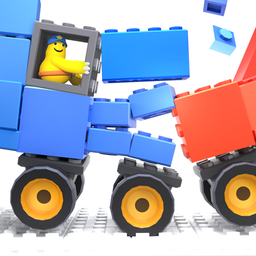
TOYS: Crash Arena
Building the ultimate combat vehicle from humble construction blocks is the ultimate childhood dream turned into high-stakes reality. TOYS: Crash Aren...
▶ Play FreePeople Playground! Ragdoll Arena! is a physics sandbox wrapped around arena concepts. You drop ragdoll characters into scenarios and watch what happens. That sounds passive, but the interactivity runs deep — there's a real art to setting up the best chain reactions, and kids who get hooked on this one start developing genuine mechanical understanding without realizing they're doing it. Older kids especially love the creativity angle: figuring out new setups becomes its own game within the game. The ragdoll humor keeps everything light no matter what's happening on screen.
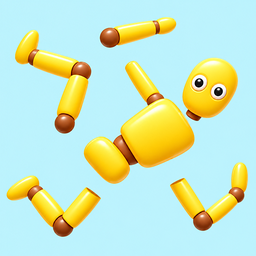
People Playground! Ragdoll Arena!
Stuck in a boring meeting or just need to blow off some steam after a long day? People Playground! Ragdoll Arena! is the ultimate digital stress relie...
▶ Play FreeMonsters: PvP Arena takes a more traditional approach to arena combat. You pick a monster character and go head-to-head against opponents in a tight arena space. The visual style is bold, cartoonish, and colorful — monstrous in a fun Halloween-costume way rather than anything actually scary. Controls stay accessible for beginners, but there's enough variety in the monster roster and move sets to keep competitive kids engaged well past the first few sessions. This one tends to create friendly rivalries fast, especially when two kids are playing side by side.
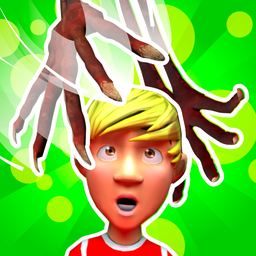
Monsters: PvP Arena
Staring at the screen during a dull afternoon usually calls for some instant action that gets the adrenaline pumping. Monsters: PvP Arena serves as th...
▶ Play FreeHero Blocks Arena! Ragdoll Sword Fight! combines the block-world art style (familiar to anyone who's seen a kid play Minecraft or Roblox) with sword combat and ragdoll physics. Every hit sends characters stumbling in unpredictable directions, which means even losing a fight looks entertaining. The learning curve is gentle — younger players can jump in without tutorials — but there's real depth to master for kids who keep coming back. The block aesthetic makes the whole experience feel like a game their friends might already be talking about.
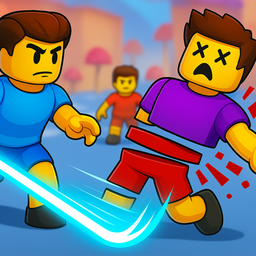
Hero Blocks Arena! Ragdoll Sword Fight!
Stuck in a boring meeting or just waiting for your coffee to brew, you deserve a chaotic escape that challenges your reflexes. Hero Blocks Arena! Ragd...
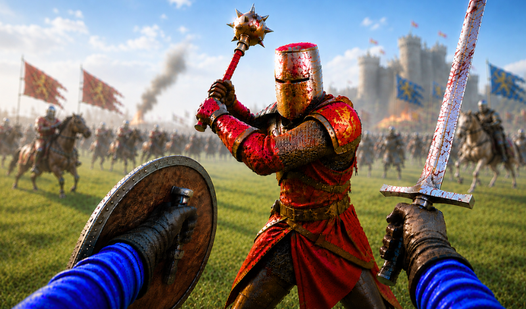
▶ Play FreeWar The Knights: Battle Arena Swords 3D steps things up with a full 3D medieval arena setting. Knights clash with swords while you manage positioning and timing — the 3D perspective gives it a different feel from most flat browser games, and kids who are ready for a slightly more involved combat system will appreciate the extra dimension. Beginners can still get into it, but mastery here genuinely rewards practice. Great for older kids in the 9-13 range who want something with a little more strategic weight.
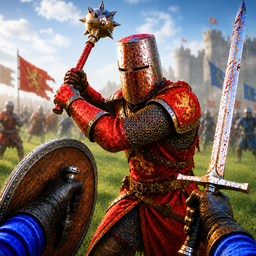
War The Knights: Battle Arena Swords 3D
Swing your blade and claim dominance as you charge into intense medieval combat. War The Knights: Battle Arena Swords 3D forces you to master precisio...
▶ Play FreeNot every arena experience needs to revolve around fighting. Creative and puzzle games can carry the same competitive energy in a much calmer format. Lilo & Stitch: Coloring Book for Kids is a perfect palate cleanser between action rounds. Based on the beloved Disney characters, it gives kids a chance to be creative and express themselves after intense battle sessions. Lilo and Stitch's warm, tropical visual style makes the coloring experience genuinely charming, and younger kids who aren't quite ready for combat arenas will love having something recognizable and relaxed to spend time with.

Lilo & Stitch: Coloring Book for Kids
Unleash your inner artist with Lilo & Stitch: Coloring Book for Kids, a delightful browser game where you bring your favorite Disney characters to lif...
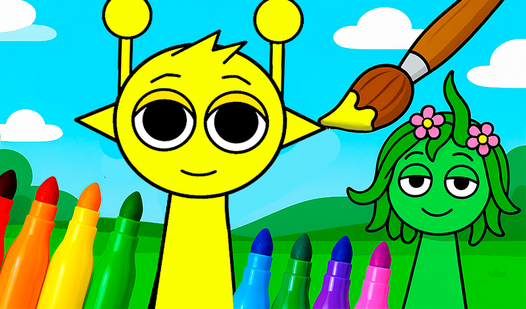
▶ Play FreeSprunki - Coloring Book for Kids follows the same relaxing rhythm. Sprunki's characters have a quirky, imaginative look that makes them fun to color — and kids who love competition can always race to see whose completed page looks best. It's the kind of game that slots naturally into a mixed session where combat rounds alternate with creative breaks.
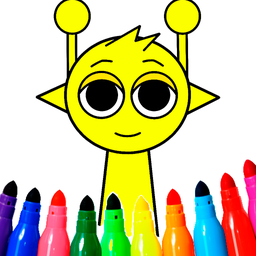
Sprunki - Coloring Book for Kids
Artistic expression is a vital part of child development, and coloring remains one of the most effective ways to nurture early imagination. Sprunki - ...
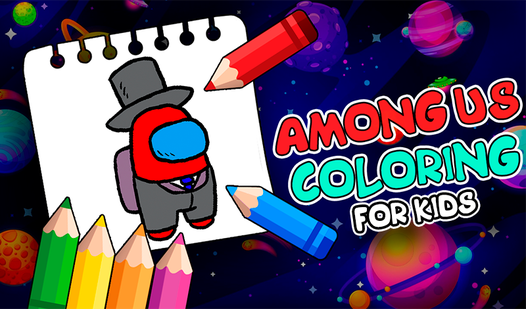
▶ Play FreeAmong Us Coloring For Kids taps into a character universe that millions of kids already love. The crewmate and impostor designs translate beautifully to a coloring format, and kids who are fans of the original game will feel a connection even when they're just filling in colors. A great cooldown activity that still feels like gaming.
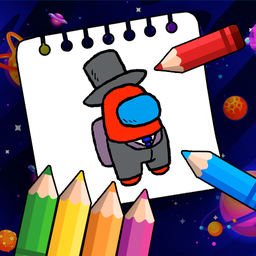
Among Us Coloring For Kids
Young fans of the impostor craze will adore spending time with Among Us Coloring For Kids. This creative digital art studio brings your favorite space...
▶ Play FreePlay Arena Games for Kids With Friends: Multiplayer Picks
Arena games hit differently when there's a real opponent involved. These titles are especially good for two kids on the same device, siblings competing across the table, or friends comparing scores.
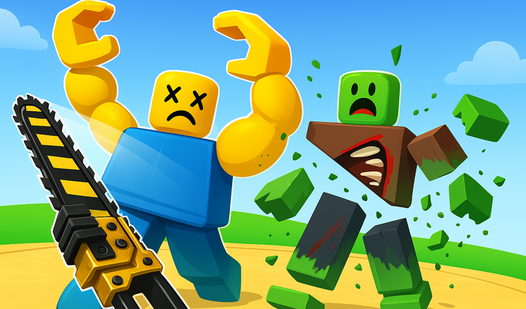
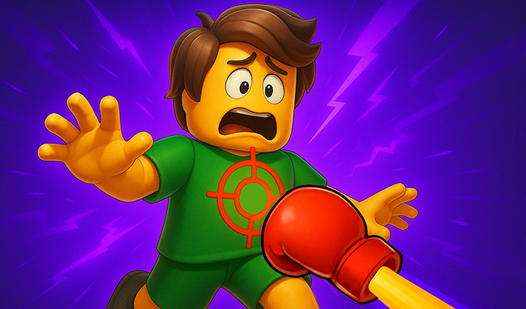
Super Punch! Defeat Noob in Playground Arena! is built for shared laughs. The "noob" enemies are comedically designed — they react to every hit in the most exaggerated way possible — and the punching mechanics are deliberately over-the-top. Kids playing side by side will be quoting their favorite moments at each other for days. It's the kind of game that generates inside jokes and spontaneous highlight reels naturally.
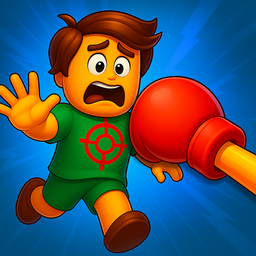
Super Punch! Defeat Noob in Playground Arena!
Ragdoll physics turn every confrontation into a hilarious spectacle of flying limbs and chaotic impacts. Super Punch! Defeat Noob in Playground Arena!...
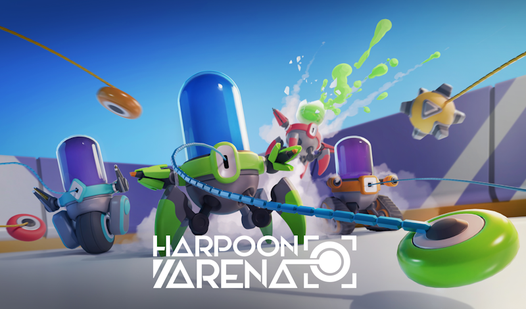
▶ Play FreeHarpoon Arena is a physics competition where players use harpoons to grab, pull, and fling opponents around the arena. The mechanics sound chaotic, because they are — but there's a significant skill component hidden underneath all the disorder. Timing your shots, reading opponent movement, and using the arena walls to create angles are all things good players do consistently. Against a friend, this game generates quick rivalries because the skill gap becomes visible fast, and everyone wants to figure out what the better player is doing differently.
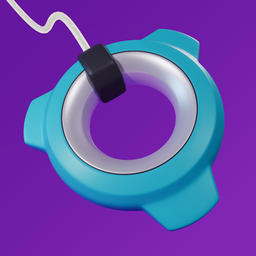
Harpoon Arena
Team shooter enthusiasts and fans of high-stakes pudge wars will find their new obsession in this intense combat challenge. Harpoon Arena delivers a f...
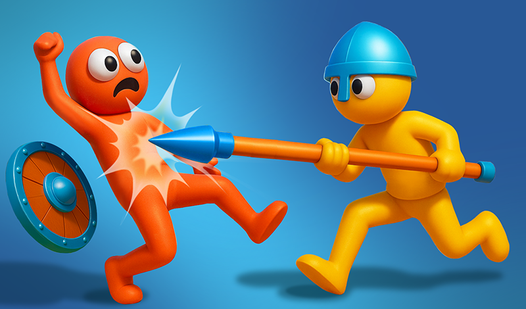
▶ Play FreeRagdoll Arena! Fun Spear Battle! delivers exactly what the title promises: spears, ragdoll physics, and arena chaos. The controls are simple enough to learn in thirty seconds, but the randomness of ragdoll physics means no two matches play out identically. That unpredictability keeps extended sessions interesting and stops any one strategy from dominating completely. Perfect for head-to-head play or just watching what the physics engine decides to do next.
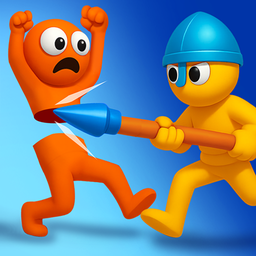
Ragdoll Arena! Fun Spear Battle!
Stuck in a boring meeting or just need a quick escape from reality? Ragdoll Arena! Fun Spear Battle! is the ultimate distraction that turns your scree...
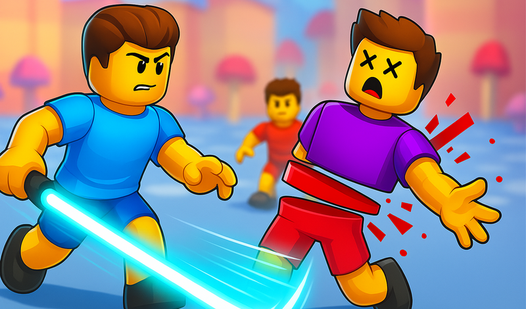
▶ Play FreeObby Sword! Cut Enemies at Blocks Arena! brings the obstacle course format into arena combat territory. Kids familiar with Roblox-style gameplay will recognize the aesthetic immediately, and the sword combat layer adds strategic decision-making on top of the movement challenge. Levels reward exploration — multiple sessions reveal shortcuts and elevated positions that newer players haven't discovered yet. Great for kids who want more from their arena game than just standing and hitting.
Obby Sword! Cut Enemies at Blocks Arena!
Fans of high-octane action games will find their new obsession with the fast-paced combat of Obby Sword! Cut Enemies at Blocks Arena!. This title plac...
▶ Play FreeWhen the action gets too intense, puzzle competitions make excellent session-balancing tools. Jigsaw Puzzles for Kids: Trains carries a competitive spirit through time trials — who finishes fastest? Train-themed puzzles are colorful and visually engaging, and the time-pressure element gives even a traditional puzzle game some of that arena energy. Younger kids especially enjoy this one because it lets them compete without the reflex demands of combat games.
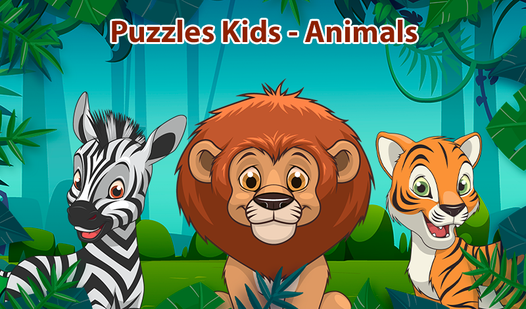
Puzzles Kids - Animals takes the same format with cheerful animal illustrations. Bright, bold colors make the pieces easy to distinguish, and difficulty scales well across different age groups within the same session. Good for mixed-age groups where older kids and younger siblings want something to play together on equal terms.
Puzzles Kids - Animals
Drag and drop colorful shapes to assemble adorable creatures in Puzzles Kids - Animals. This browser-based experience makes learning animal names a br...
▶ Play FreeAnimals for Kids and Their Sounds is a calm educational game that makes animal recognition genuinely fun through audio cues. It's the perfect cooldown between intense arena rounds — engaging enough to hold attention, gentle enough to reset the energy level. Younger kids (ages 4-7) particularly love it, and it works as a starting point before moving to more competitive games.

Animals for kids and their sounds
Learning about the natural world is a fundamental milestone for every curious toddler. Animals for kids and their sounds brings the vast wilderness to...
▶ Play FreeTips for Winning Arena Battles
Every arena game has patterns that separate players who win consistently from players who feel stuck. These tips apply broadly across the genre — adapt them to whatever game your kid is playing.
Control the center, but know when to leave. The center of an arena is high-value space. Better items appear there, sight lines open up in every direction, and controlling it forces opponents to approach on your terms. But fighting with your back to nothing while three players close in is a trap. Take the center when you can, give it up when the numbers aren't in your favor, and reclaim it once things thin out.
Watch before you commit. Especially in games with multiple opponents, the opening seconds are information time. How does each player move? Who rushes immediately? Who hangs back waiting for chaos to reduce the numbers? Reading opponent behavior early helps you pick fights you can win rather than walking into ambushes.
Learn the knockback mechanics. Physics-based arena games — Ragdoll Arena, Harpoon Arena, Hero Blocks Arena — use knockback as a core mechanic, and the arena edges are often your most powerful weapon. A hit that knocks an opponent off the edge ends a fight instantly. Fights in the center take longer to resolve. Good players are always aware of where the edges are and position themselves to use that knowledge.
Don't spam attacks. Rapid button-mashing is the instinct, but it's usually wrong. Most arena games have recovery frames, cooldowns, or wind-up animations on attacks. Players who spam become predictable, and predictable players get punished once opponents learn the timing. Slower, deliberate attacks land more cleanly and leave less recovery time exposed.
Experiment with every mode. Many arena games offer timed matches, survival rounds, and elimination formats — each requires different thinking. A strategy that dominates in timed play might collapse in elimination. Playing all available modes early builds adaptable skills rather than habits that only work in one context.
Take the breaks seriously. Arena games are fast and intense by design. That's the appeal, but it also means frustration from losing streaks compounds quickly. A genuine five-minute break resets the mindset. Kids who step away after a rough run and come back fresh actually perform better — this isn't just parenting advice, it's how competitive players at any level extend their effective session time.
Adjust difficulty when starting out. If a game offers difficulty settings, don't treat the easy setting as shameful. Beginners who learn mechanics on easy difficulty build cleaner foundational skills than those who grind through losses on hard before understanding the basics. Move up the difficulty once the fundamentals feel automatic.