How to Play 3rd Person Shooter Games — Beginner's Guide
So you want to know how to play 3rd person shooter games — great choice. The third-person perspective puts you right behind your character, giving you a broader view of the battlefield than you'd get looking through your character's eyes. You see your avatar moving through the world, which makes positioning, cover usage, and spatial awareness feel more natural from the start. Whether you're picking up a controller for the first time or switching over from first-person titles, this guide breaks down everything you need to get going.
Third-person shooters have been a staple genre for decades — from console classics to browser games you can play right now for free. The core mechanics are accessible, but mastering them takes genuine practice. There's a real difference between players who just press fire and hope for the best versus players who control space, manage their camera intelligently, and use terrain to their advantage. By the end of this guide, you'll understand controls, camera management, aiming principles, and movement techniques that consistently separate survivors from early eliminations.
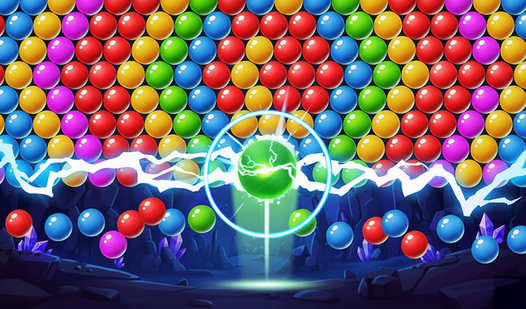
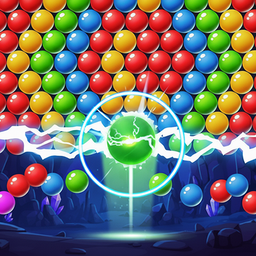
Before we get into tactics, here's one of the most popular casual shooter games on FreeJoy — perfect for warming up your precision and reaction time. Bubble Shooter: Bubble Puzzle Game is a dynamic puzzle game where you clear the field of colorful balls, and the aiming mechanic is surprisingly good at training shot trajectory thinking.
Bubble Shooter: Bubble Puzzle Game
Need a quick mental escape from the daily grind? Bubble Shooter: Bubble Puzzle Game is your go-to for instant fun and satisfying puzzle-solving. This ...
▶ Play Free3rd Person Shooter Controls Explained
The first thing you'll notice when you start learning how to play 3rd person shooter games is that movement and camera are usually handled by separate inputs. This feels slightly unintuitive at first, but becomes second nature quickly. Here's how it typically breaks down across most games:
Movement: WASD on keyboard (or left analog stick on a controller) moves your character. W goes forward, S goes back, A strafes left, D strafes right. Strafing — moving sideways — is one of the most important techniques in any shooter. It lets you dodge incoming fire without turning your back to the enemy, and it keeps you unpredictable without sacrificing your aim direction.
Camera control: Your mouse (or right stick on a controller) rotates the camera around your character. In third-person games, the camera typically sits slightly above and behind your character's shoulder. You look around with camera movement, and your character turns to face that direction. This creates a broader situational picture than first-person games allow.
Aiming modes: Most 3rd person shooters offer two states — hip fire and aimed fire. Hip fire means shooting without zooming in — fast but less precise, good for close quarters. Aimed fire (right mouse button or left trigger) brings the camera closer and usually activates a tighter crosshair or scope. Aimed fire improves accuracy significantly but reduces movement speed. Knowing when to use each is one of the first real skill decisions in the genre.
Shooting and fire modes: Left mouse button or right trigger fires. Weapons come in automatic (hold the button), semi-automatic (one shot per click), or burst fire configurations. Semi-auto weapons reward precise clicking — spamming doesn't help and wastes ammo. Automatic weapons reward maintaining aim on target while controlling recoil.
Reloading: Never let yourself run out of magazine mid-fight. Reload during every safe moment — behind cover, after clearing a room, during a lull in action. R key on PC, usually a face button on controller. Getting caught reloading in an exposed position is a beginner mistake that experienced players exploit ruthlessly.
Crouching and jumping: Spacebar to jump, C or Ctrl to crouch. Crouching while aiming improves accuracy in most games and reduces your profile as a target. Jump-shots are mostly for evasion and closing distance, not for accuracy — your aim is almost always worse in the air.
Most browser-based 3rd person shooters simplify these controls considerably. You might only deal with mouse-aim and WASD movement, which actually makes them ideal for beginners who want to build fundamentals without being overwhelmed by complex loadout systems and ability wheels.
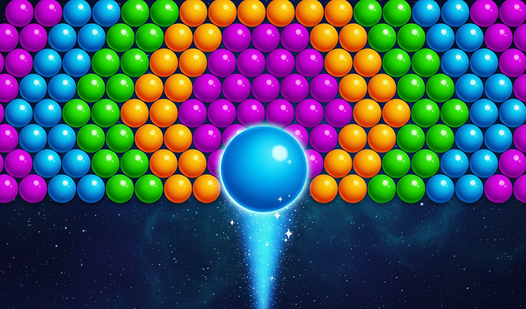
Bubble Shooter: Bubble Tactics is a classic arcade puzzle game where you clear the playing field of colorful balls — the aiming and banking mechanic here is a clean, low-pressure way to practice trajectory planning, which carries over directly to shot planning in third-person combat games.
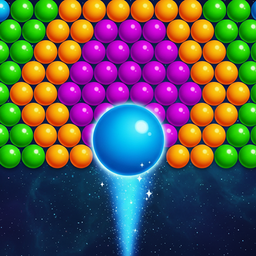
Bubble Shooter: Bubble Tactics
Matching colored spheres is one of the most satisfying ways to sharpen your focus during a quick break. Bubble Shooter: Bubble Tactics elevates this c...
▶ Play FreeCamera and Aiming Basics
Camera management is genuinely what separates new players from experienced ones in third-person shooter games. In first-person, what you see is directly what you shoot — the relationship is immediate. In third-person, there's a physical offset between your camera and your character's weapon barrel. Understanding this offset changes how you approach every engagement.
The shoulder offset: Most games lock the camera over your right shoulder (some let you switch sides). Your character takes up left-side screen space. Bullets travel from your weapon barrel, not from the screen's center. This matters practically: when peeking from the right side of a piece of cover, you expose significantly less of your body than peeking from the left side. Position yourself to maximize cover while minimizing exposure.
Camera lag and momentum: Many 3rd person shooters apply slight camera lag — the view trails a half-beat behind your character's movement. This is intentional, creating a more cinematic feel and giving you a brief preview of your direction of travel. Work with it, not against it. Start your turns slightly earlier than you think you need to, and you'll stop fighting the camera.
Aim assist: On controllers and in many browser games, aim assist applies a gentle magnetic pull toward enemy hitboxes. On controller, lean into this — it compensates for analog stick precision limits. On PC with a mouse, aim assist is generally absent, so raw mouse accuracy and crosshair placement matter more.
Pre-aiming: Train yourself to keep your camera aimed toward where enemies are likely to appear before they actually show up. Pre-aimed corners, doorways, and known chokepoints mean your reaction time requirements shrink dramatically. You're no longer reacting to an enemy appearing and swinging to aim — you're already aimed and just need to pull the trigger.
Effective range management: Every weapon has a range where it performs best. Close range favors shotguns and SMGs, medium range favors assault rifles, long range favors snipers. The third-person perspective actually helps with range assessment because you see the full environment around you — you can judge distances more naturally than in first-person.
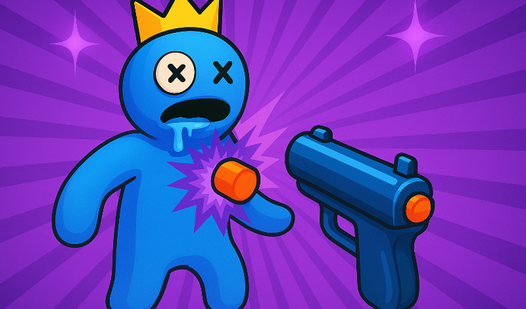
Rainbow Friends: Playground Shooter offers fun, explosions, and endless chaos in a playground setting — perfect for getting comfortable with fast camera movement and quick target acquisition. The colorful chaos forces you to track multiple targets simultaneously, which is excellent practice for building camera discipline under pressure.
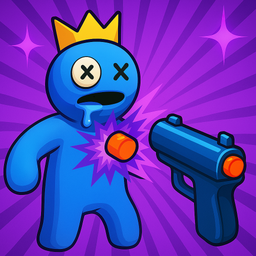
Rainbow Friends: Playground Shooter
Unleash pure mayhem by targeting colorful characters in the most explosive sandbox experience available today. Rainbow Friends: Playground Shooter tur...
▶ Play FreeLeading moving targets: If an enemy is running sideways, aim slightly ahead of their current position. How far ahead depends on bullet travel time — many browser shooters use hit-scan weapons (instant hit), while others simulate projectile travel. With hit-scan, you barely need to lead. With projectiles, the faster the target and longer the distance, the more you need to compensate. When in doubt, experiment in a casual match before committing to the technique in competitive play.
Field of view advantages: Third-person shooters inherently give you wider situational awareness than first-person. You can see around cover slightly, spot enemies approaching from peripheral angles, and plan routes with a complete spatial picture of your immediate surroundings. Use this — actively scan the environment rather than tunnel-visioning on the enemy directly in front of you.
Movement and Cover Tactics
Movement in 3rd person shooter games is more strategic than it appears from the outside. Raw speed matters, but intelligent movement — knowing where to go, when to sprint, and how to use the environment — is what actually keeps you alive across a full session.
Keep moving: Standing still is the fastest way to get eliminated. Even while aiming, maintain slight lateral movement. This makes you significantly harder to hit without reducing your own accuracy as much as you might expect. Static targets are easy targets.
Sprint discipline: Sprinting increases movement speed but prevents accurate fire (or any fire at all in many games). Sprint to cover open ground between positions quickly, but never sprint toward an unknown angle. Sprint between pieces of cover, not across open areas with no endpoint in mind. The moment you commit to a sprint, you're temporarily defenseless — make sure that commitment is worth it.
Cover mechanics — the defining feature: This is what makes third-person shooters distinct. Many games have dedicated cover systems where pressing a button snaps your character flush against a wall or barrier. From cover you have three main options:
- Blind fire — shooting without exposing yourself, with a major accuracy penalty. Used for suppression, not for actually killing enemies.
- Pop-out shots — briefly stepping out to take an aimed shot, then retreating. High damage potential but brief exposure window.
- Cover movement — sliding along a wall while staying protected, repositioning without crossing open ground.
Each option has a role. Blind fire creates pressure and forces enemies to stay behind their own cover. Pop-out shots deliver real damage but require timing — you need to catch enemies in the moment they're reloading or repositioning. Cover movement is how you close distance or escape without breaking cover.
Flanking: A direct frontal assault into a defended position is almost always suboptimal. Look for routes that let you approach from angles the enemy isn't watching. The most effective strategy is usually to have one element hold an enemy's attention (drawing their fire toward a position) while a second element flanks. Even playing solo, you can use the environment to approach from unexpected angles.
Elevation: High ground is a genuine advantage in most shooters. Shooting downward at enemies gives better sight lines, reduces how much of your body is exposed above cover, and often lets you spot threats before they see you. Actively seek elevated positions when entering a new area.
Bubble Shooter: Colored Bubbles has you aim and shoot colored bubbles to create groups of three or more — the spatial planning required to chain shots actually maps to tactical positioning thinking. You're always calculating angles, planning where to place the next shot, and setting up future moves. That kind of forward-thinking translates directly to good movement habits in shooter games.
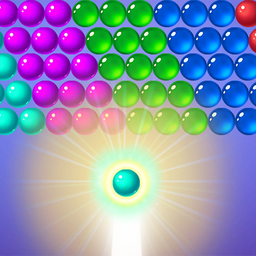
Bubble Shooter: Colored bubbles
Aim and pop vibrant spheres by matching three or more of the same color to clear the board in this addictive bubble shooter. You must carefully calcul...
▶ Play FreeRepositioning after engaging: Don't stay in the same spot after you fire. Experienced players immediately track the source of incoming shots. If you fire two rounds from a position and then step three meters sideways, the enemy is now aiming where you were — not where you are. This habit alone will extend your average survival time dramatically.
Corner technique: When approaching a corner, avoid hugging it tightly. Instead, angle out gradually — known as "wide-peeking." This gives you maximum vision around the corner while minimizing your exposure. Then once you've confirmed the angle is clear, move through decisively rather than lingering in the transition.
Health management: Retreating when your health is low isn't weakness — it's resource management. Many 3rd person shooters include passive health regeneration: get behind full cover, give it a few seconds, and you recover. Charging forward at 15% health because you feel committed to the fight is one of the most consistent beginner patterns. Pull back, recover, re-engage on better terms.
Best 3rd Person Shooters for Beginners
Ready to put all of this into practice? FreeJoy has a solid lineup of shooter games you can play online for free — no downloads, no installs, just pick a game and go. Here are the standouts worth your time, from action-heavy titles to casual picks that are genuinely useful for building aim and reaction skills.
NEW YEAR'S Nubik Shooter — A festive, approachable shooter where you protect the holiday from waves of evil monsters using various weapons. The wave-based structure is perfect for beginners: you practice target prioritization, ammo management, and positional awareness in a fun, low-stakes environment. Great starting point.
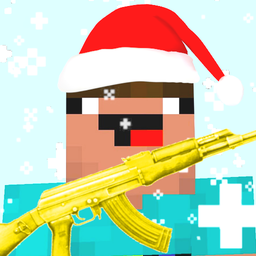
NEW YEAR'S Nubik Shooter
Stuck in a boring afternoon and craving a quick burst of adrenaline to spice up your routine? NEW YEAR'S Nubik Shooter is the perfect digital escape t...
▶ Play FreeCS: Shooter — Browser-adapted tactical shooter gameplay inspired by Counter-Strike's core structure. Map awareness, weapon economy, and team positioning all matter. This is where you graduate from casual shooter mechanics into actual strategic decision-making. Excellent for understanding how competitive shooter thinking works.
Blocks Shooter 3D! Run, Shoot, Merge Weapons! — Fast-paced arcade shooter where you run, fire, and merge weapons to upgrade your firepower as you go. The merge mechanic layers a strategic element on top of the shooting action — you're not just reacting, you're planning your weapon evolution. Perfect for players who want shooter gameplay with a progression hook.
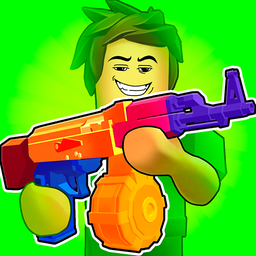
Blocks Shooter 3D! Run, Shoot, Merge Weapons!
Sprint down the track while gathering weapon components to build the ultimate gear in Blocks Shooter 3D! Run, Shoot, Merge Weapons!. This fast-paced e...
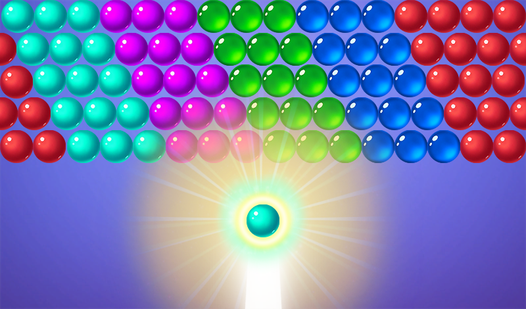
▶ Play FreeBubble Shooter: Bubble Line — A clean, focused bubble shooter built around angle calculation and chained shots. If your precision aim needs work, this is a legitimately useful training exercise for spatial targeting intuition. Short sessions here improve your shot planning in more complex games.
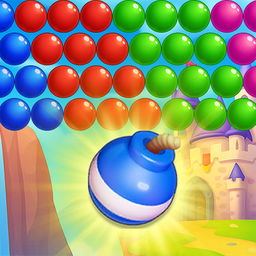
Bubble Shooter: Bubble Line
Aim your launcher to create vibrant clusters of identical colors and watch your score skyrocket in Bubble Shooter: Bubble Line. This addictive bubble ...
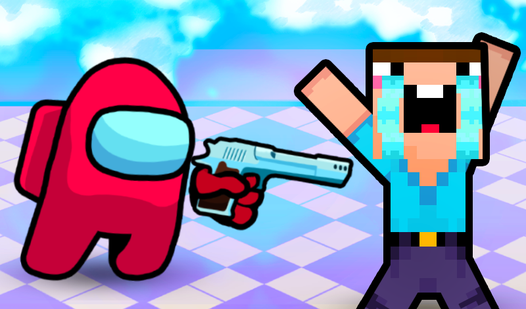
▶ Play FreeImposter and Noob: Shooters — Blends the chaotic energy of Imposter characters with direct shooter action. Unpredictable matchups and lighthearted presentation make it easy to pick up for a quick session. Great when you want shooter mechanics without high-stakes pressure.
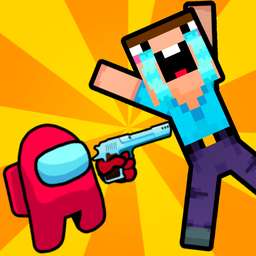
Imposter and Noob: Shooters
Eliminate every blocky enemy in sight as you navigate chaotic battlefields as the ultimate impostor. Each mission requires precision aiming and strate...
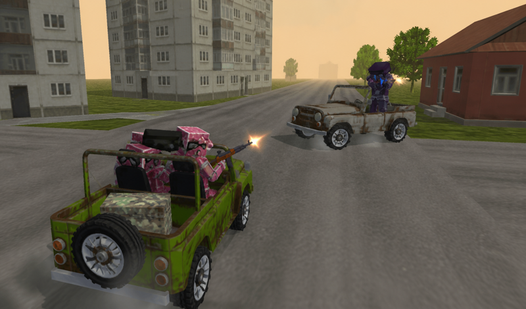
▶ Play FreeObby: Shooter on Cars — Combines obstacle course navigation with active combat — you're managing both movement challenges and enemy targets simultaneously. This forces multi-tasking between navigation and shooting, which is an advanced skill worth developing early in your shooter career.
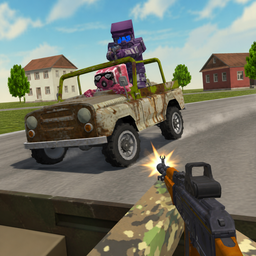
Obby: Shooter on Cars
Adrenaline junkies who live for fast-paced action and intense vehicle combat will find their new obsession here. Obby: Shooter on Cars throws you stra...
▶ Play FreeRagdoll Gun Shooter! Cannon Spinner Playground — Physics-based chaos with ragdoll enemies and cannon shooting. The unpredictable physics train you to adapt on the fly rather than relying on a fixed routine. Also genuinely funny.
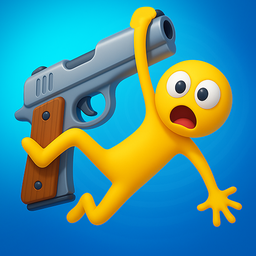
Ragdoll Gun Shooter! Cannon Spinner Playground
Ragdoll physics create comedy gold when you combine them with high-stakes shooting challenges. Ragdoll Gun Shooter! Cannon Spinner Playground turns ev...
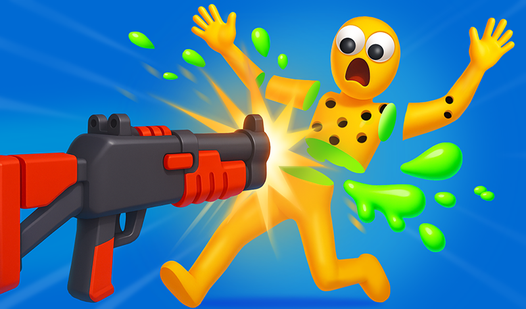
▶ Play FreePlayground Shooter! Shotgun vs. Ragdolls! — Close-range shotgun combat against ragdoll enemies. Short time-to-kill, intense close quarters — excellent for practicing aggressive push timing and learning where shotgun range ends and your exposure begins.
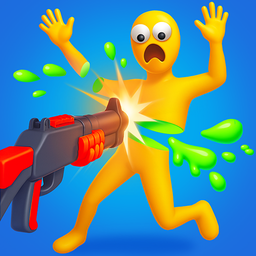
Playground Shooter! Shotgun vs. Ragdolls!
Physics-based destruction offers a cathartic release that few other genres can match when you just need to blow off some steam. Playground Shooter! Sh...
▶ Play FreeHow to Get the Most Out of These Games
Start with the more accessible games before progressing to the tactical ones. Puzzle shooters and playground games are forgiving environments — you can practice aim, timing, and spatial thinking without losing a 10-minute match because of one mistake.
Playing 3rd person shooter games online free on FreeJoy lets you experiment across multiple titles quickly. Try a session in one game, then switch. You'll start identifying which mechanics carry over universally — cover use, strafing, target leading — and which are game-specific. That cross-game fluency builds a far more adaptable skill set than grinding a single title exclusively.
Don't skip tutorials even if they feel too basic. Each game has quirks in its control scheme or mechanics that a 30-second tutorial will explain faster than 20 minutes of guessing. And review your deaths — each time you get eliminated, spend one second asking what happened. Over time, you'll stop making the same mistake twice.