Hidden Treasures Games Online Free: Find Objects & Solve Mysteries
There's something deeply satisfying about scanning a cluttered scene and spotting that one tiny object everyone else overlooked. Hidden treasures games online free deliver that exact thrill right in your browser — no downloads, no account setup, no waiting. Whether you're combing through a pirate ship for golden coins, exploring a mysterious island for magical artifacts, or searching an underwater ruin for ancient relics, these games sharpen your focus while keeping you hooked for hours.
This guide walks through the best hidden object and treasure-hunting games you can play right now, organizes them by style and mood, and shares practical tips for finding objects faster.
What Are Hidden Treasures Games
Hidden treasures games are a broad category of online puzzle games where players search detailed illustrated scenes for specific items, clues, or collectibles. The core mechanic is deceptively simple: a richly drawn scene appears on screen, a list of objects appears alongside it (sometimes as text, sometimes as silhouettes), and you have to find them all before the timer runs out — or just at your own pace, depending on the game's mode.
But the genre has grown well beyond simple spot-the-difference. Modern hidden treasures games online free blend several gameplay styles into a single experience:
- Hidden object scenes — classic room searches with item lists, often featuring beautifully illustrated environments
- Match-3 puzzles — swap gems, tiles, or artifacts to unlock new areas and collect loot
- Narrative adventures — follow a storyline with characters, twists, and branching scenes
- Detective mysteries — gather evidence and solve crimes by searching connected locations
What makes these games so accessible is the zero-barrier entry. Open a browser tab, pick a game, and you're hunting within seconds. No install process, no tutorial you can't skip, no subscription. The genre also scales well across experience levels — a ten-year-old and a seasoned puzzle fan can both enjoy the same hidden object scene, just with different strategies and time pressure.
The best titles in the category layer strong atmosphere on top of the core mechanic. Lighting, ambient sound, background detail, and visual storytelling all contribute to why these games feel genuinely immersive. You're not just ticking items off a list — you're exploring a world that has its own history, mood, and secrets. That combination of puzzle satisfaction and world-building is what keeps players returning.
The genre also rewards attention over raw speed. Unlike action games where reflexes determine success, hidden object and treasure games reward players who scan methodically, read clues carefully, and notice what others miss. That makes them particularly compelling for players who like feeling clever rather than fast.
Best Hidden Object Games to Play Online
The standout titles in the hidden object genre right now combine strong visual design with clever puzzle structure. These are the games worth starting with if you want the best of what's available.
Pirate Treasures
If treasure-hunting had a flagship title, Pirate Treasures would be a serious contender. You take the role of a captain searching for loot across exotic locations, working through match-3 puzzle mechanics that feel satisfying at every level. Clear the board, collect the riches, unlock the next destination.
The visual design is energetic and detailed — bright tropical backdrops, animated treasure chests, and a progression system that keeps unlocking new ships and islands as you advance. The difficulty curve is gentle enough that beginners won't bounce off it, but the later levels introduce enough complexity to keep experienced players engaged. A great first pick for anyone new to the genre.

Pirate Treasures
Fans of swashbuckling adventures and challenging logic riddles will find their new obsession with Pirate Treasures. This vibrant match 3 game tasks yo...
▶ Play FreeHidden Objects: Island Secrets
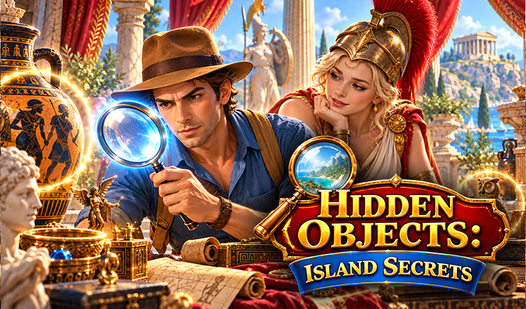
For players who want story woven tightly into their object hunting, Hidden Objects: Island Secrets offers something more layered. You arrive on a mysterious island where magic and time intersect — the objects you're searching for are scattered across scenes that shift between different eras, and collecting them reveals what happened here.
The art style is painterly and atmospheric, with a strong sense of place that makes each location feel worth exploring. The time-travel mechanic adds genuine variety: searching the same location in two completely different periods means you're never just repeating yourself. Each scene uncovers another piece of the island's history, building toward a satisfying conclusion.

Hidden Objects: Island Secrets
Fans of detective games will find themselves hooked by the mysterious atmosphere of Hidden Objects: Island Secrets. This captivating adventure challen...
▶ Play FreeOceanscapes: Secrets of the Lost Treasures
Underwater treasure hunting has its own visual grammar — diffused blue-green light filtering through ruins, a sense of depth and silence, the suggestion of forgotten history beneath the waves. Oceanscapes: Secrets of the Lost Treasures captures that atmosphere brilliantly while mixing match-3 puzzle mechanics with genuine exploration.
You work through submerged ruins and secret caves, matching ocean-themed tiles to progress deeper into the mystery. The treasure-hunting narrative gives the match-3 mechanics real purpose — every successful match brings you closer to uncovering what sank here centuries ago and what riches remain. The visual design is among the best in the genre, with detailed underwater environments that reward careful attention.

Oceanscapes - Secrets of the Lost Treasures
Swap shimmering underwater tiles to create explosive combinations and clear your path through mysterious ocean depths. Oceanscapes - Secrets of the Lo...
▶ Play FreeTreasures of Paris: The Secret of Gems — Match 3
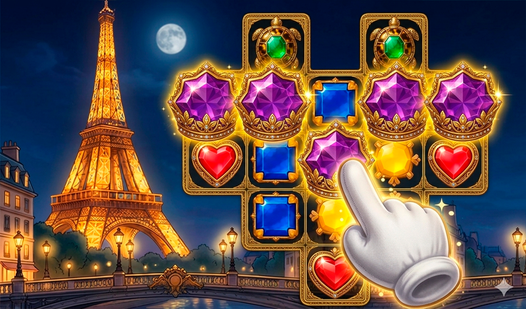
Paris has always been associated with beauty, elegance, and hidden history — and this match-3 adventure leans fully into that aesthetic. Treasures of Paris: The Secret of Gems challenges you to swap and match gemstones across increasingly complex levels, set against the backdrop of iconic Parisian landmarks and secretive private collections.
The puzzle design sharpens noticeably in later stages, requiring you to plan several moves ahead and use power-ups strategically rather than reactively. If you want something with more tactical depth within the treasure-hunting theme, this is the one to reach for.
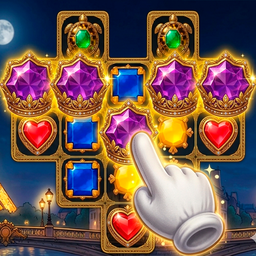
Treasures of Paris: The Secret of Gems - Match 3
Matching colorful gems is the ultimate way to unwind while sharpening your cognitive skills through strategic thinking. Treasures of Paris: The Secret...
▶ Play FreeFarm and Nature Hidden Object Games
Not every hidden object adventure takes place in a shadowy mansion or a sunken ship. Some of the most enjoyable titles in the genre feature bright, open settings — nature scenes, travel destinations, cozy domestic environments, and playful worlds that feel relaxed rather than tense. These games tend to appeal to a wider audience and are often the best starting point for players who find mystery-heavy themes a bit much.
Hidden Objects: Traveling America
Pack your bags and prepare to search through iconic American locations in Hidden Objects: Traveling America. The game takes you across diverse settings — city streets, national parks, small-town squares, and coastal scenes — challenging you to find lists of objects hidden within each illustrated backdrop.
What works especially well here is the combination of object-hunting and visual tourism. The backdrops are detailed illustrations of recognizable American locations, so you're absorbing a little geography and culture while you hunt. The pacing is relaxed, with no heavy story pressure, making it a great option for casual sessions or players who want to unwind.

Hidden Objects: Traveling America
Road trips are the ultimate way to see the world, and now your living room is the starting point for a cross-country adventure. Hidden Objects: Travel...
▶ Play FreeHidden Cats
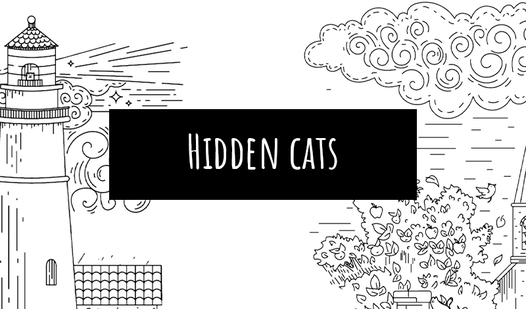
Sometimes the most charming games have the simplest premise. Hidden Cats gives you elaborate, cozy scenes packed with hidden felines — your job is to find every cat tucked into the illustration before moving on. The scenes are warm and densely detailed, with cats concealed in genuinely clever spots: inside bookshelves, behind curtains, camouflaged into patterned wallpaper.
It has near-universal appeal. Players of all ages respond to it the same way — that particular mix of frustration and delight when you finally spot the cat you've been staring past for the last three minutes. It's peaceful, funny, and impossible to feel stressed about.

Hidden cats
Fans of relaxing brain training challenges will adore the charming world of Hidden cats. This artistic puzzle game tasks you with locating one hundred...
▶ Play FreeSpot the Cat — Hidden Cats
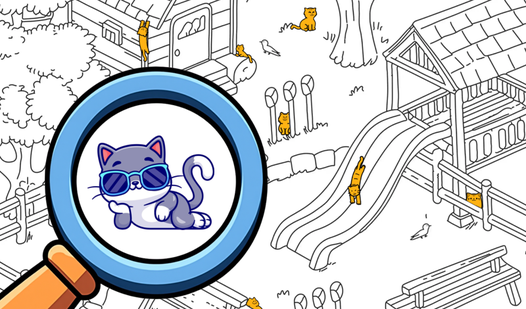
If Hidden Cats leaves you wanting more feline challenges, Spot the Cat delivers a similar experience with fresh scenes and a different visual style. The gameplay centers on finding cats hidden within richly illustrated environments, with each new scene presenting a different set of camouflage challenges and hiding techniques.
The two games complement each other naturally. They share a genre niche but offer distinct art directions and level designs, so playing both in the same session doesn't feel repetitive. If cats hidden in elaborate settings is your thing, consider these a double feature.
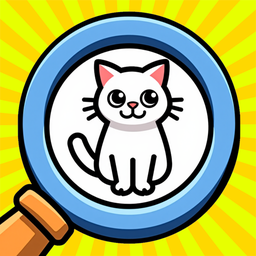
Spot the Cat. Hidden Cats
Scan every inch of vibrant, hand-drawn scenes to find the cat hiding in plain sight. Spot the Cat. Hidden Cats turns your screen into a massive scaven...
▶ Play FreeHidden Objects: Find All Sprunki
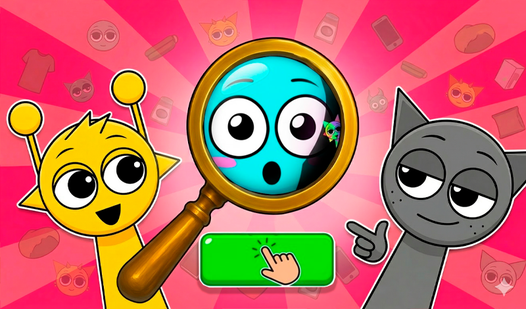
Hidden Objects: Find All Sprunki takes a more playful, pop-culture-infused approach. The Sprunki characters from the popular music game appear scattered across colorful, densely packed scenes, and your task is tracking them all down. It's a fun crossover that works well both for fans of the source material and for casual hidden object players who appreciate a more chaotic visual style.
The scenes are vibrant and deliberately overwhelming — you're looking for specific cartoon characters within illustrations that seem designed to confuse your eye. It has a Where's Waldo energy that makes finding each one feel genuinely rewarding.
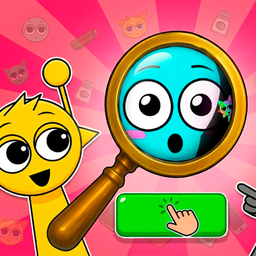
Hidden Objects: Find All Sprunki
Finding tiny details in a chaotic scene is the ultimate test of focus and patience for any puzzle enthusiast. Hidden Objects: Find All Sprunki turns t...
▶ Play FreeMystery and Detective Hidden Object Games
The mystery sub-genre adds genuine narrative stakes to the searching mechanic. Instead of finding objects for their own sake, you're gathering evidence, piecing together timelines, and solving crimes or uncovering secrets. These games tend to run longer, feel more immersive, and deliver a stronger sense of accomplishment when you reach the end.
Hidden Object: Clues and Mysteries
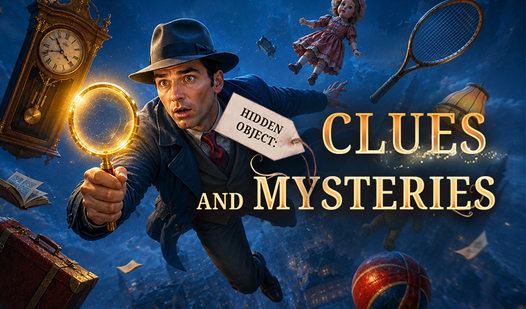
Hidden Object: Clues and Mysteries treats the entire genre as a detective toolkit. Rather than searching for arbitrary items, you're looking for specific clues that advance an investigation. Between scenes, riddles and logic puzzles appear, asking you to apply what you've found so far to answer questions and unlock the next location.
The game builds a genuine sense of investigation — you feel like you're actually solving something, not just clearing a checklist. The pacing is well-judged, with clue-hunting scenes balanced against puzzle interludes that test lateral thinking alongside visual attention. A standout choice if mystery narratives are what draw you to the genre.

Hidden Object: Clues and Mysteries
The human brain is naturally wired to find patterns in chaos, making the classic hidden object genre the ultimate test of observation. Hidden Object: ...
▶ Play FreeHidden Object: My Hotel
Hidden Object: My Hotel takes a lighter mystery angle: a once-grand hotel has fallen into neglect, and your job is to restore it. Hidden object scenes are woven into the renovation narrative — you're searching rooms not just to find things, but to uncover what happened to this place and piece together its history.
The blend of home-decoration mechanics with hidden object gameplay makes this title feel distinctive within the genre. You're genuinely invested in the space you're restoring, which gives the object-hunting purpose beyond the puzzle itself. Each restored room reveals a little more of the hotel's story — it's satisfying in a way that purely mechanical games rarely achieve.

Hidden Object: My Hotel
Fans of mystery and renovation will fall in love with Hidden Object: My Hotel instantly. This captivating hidden object adventure tasks you with resto...
▶ Play FreeFirson's Riddles: Hidden Object
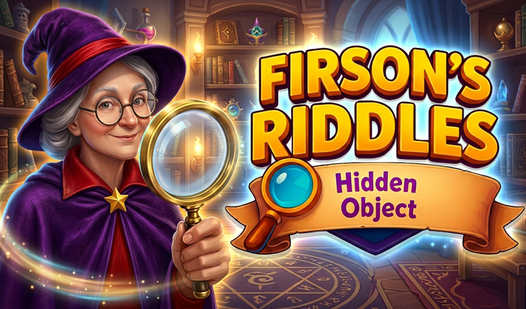
Firson's Riddles: Hidden Object adds an extra layer of cognitive challenge to the format. Each level presents a scene alongside a riddle or lateral-thinking clue — instead of a plain item list, you have to interpret what the riddle describes and figure out what you're actually looking for before you can find it.
This changes the search from mechanical scanning to active interpretation. You're not just moving your eyes across the scene; you're thinking about the riddle's wording, forming a mental image of the target, and then hunting with intention. For players who find standard hidden object games too repetitive or mechanical after a while, Firson's Riddles is the most intellectually engaging option in this list.

Firson's Riddles: Hidden Object
Fans of cozy puzzles will adore Firson's Riddles: Hidden Object, a delightful journey where a chatty cat guides your every step. You take charge of Au...
▶ Play FreeTips for Finding Hidden Objects Faster
Even if you're new to hidden object games, a handful of practical habits will dramatically improve how quickly and confidently you spot objects in any scene. These apply across all the games above, whether you're combing a pirate ship for treasure or searching a hotel room for clues.
Work in sections, not randomly. Scanning the full screen at random is the least efficient method. Mentally divide the scene into quadrants and work through each one deliberately — left-to-right, top-to-bottom, the same way you read text. You'll cover every part of the scene without doubling back or missing corners.
Read the item name before you search. Many games use precise descriptions or silhouettes rather than generic names. Before scanning for "key," check whether the list specifies "rusty key," "brass key," or shows a particular shape. The detail is there for a reason — matching the right object requires knowing exactly what to look for.
Save hints for genuine impasses. It's tempting to tap the hint button the moment you're stuck, but hints often reveal the most interesting placements. Commit to a full systematic scan before using one. Over time, this builds the pattern-recognition skills that make finding objects feel instinctive rather than effortful.
Look for partial objects. Game designers regularly hide items behind other scene elements — only a corner is visible, or the object blends into a similarly colored background. When you're stuck on the last item on your list, stop looking for the complete object and start scanning for edges, handles, and color patches that don't quite belong to what's around them.
Learn the game's visual logic. Every hidden object game has a visual style, and that style has internal rules. If the designer consistently uses a specific palette for wooden items, train your eye to register that palette. If objects tend to cluster near light sources or furniture tops, check those spots first. You're learning the designer's hiding patterns — once you recognize them, the game's difficulty drops noticeably.
Take breaks when you're genuinely stuck. Eye fatigue is real, and it makes finding objects measurably harder. If you've been staring at a scene for several minutes without progress, look away from the screen for thirty seconds. When you return, you'll often spot the missing item almost immediately — the brief reset restores the fresh-eyes effect.
Use zoom carefully. Many browser hidden object games support zoom gestures or have a built-in zoom feature. Zooming in on dense or detailed sections of a scene often reveals objects that were invisible at full scale. Use it strategically on complex backgrounds rather than as a default.
These habits apply consistently across the entire genre. The underlying skill being developed is trained attention — the ability to scan methodically without fatigue, notice anomalies in visual patterns, and hold a mental image of the target while searching. It improves with practice, and the games above offer plenty of it.