Difference Games and Hidden Object Games: Best Free Puzzles
If you've ever spent twenty minutes squinting at two nearly identical beach scenes trying to locate a missing seashell, you already understand why difference games hidden objects puzzles are so completely, unreasonably addictive. The core loop is disarmingly simple — look, compare, click — yet these games pull you in for session after session without you noticing the time passing. There's something deeply satisfying about the moment your eye catches the one off-detail the designer tucked into a corner, and that satisfaction doesn't fade after the hundredth time.
This guide breaks down both genres, highlights the best free online examples you can play right now, and shares concrete techniques for sharpening your visual search skills. All games here run directly in your browser — no installs, no sign-ups, no waiting.
What Are Difference Games and Hidden Object Games
Both genres belong to the broader family of visual puzzle games, but they work through different mechanics and produce slightly different kinds of mental challenge.
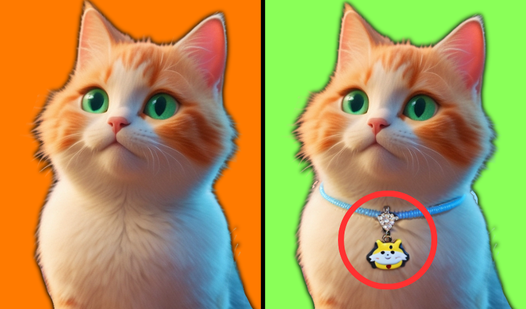
Spot-the-difference games place two images in front of you — side by side, or stacked vertically — that look nearly identical. Nearly. The developer has introduced a precise number of changes between the pair: a color swap on a character's shirt, a missing lamp on a table, a reversed sign in the background, an extra cloud in the sky. Your job is to find and click every difference before the timer expires, or simply clear the board for the satisfaction of completing it. The images run the full range from hand-drawn cartoons to stylized illustrations to photographs, and the difficulty scales with how subtle the changes are and how visually busy the scene is.
Hidden object games operate differently. You get a single rich, deliberately cluttered scene and a list of specific items you need to locate within it. A rubber duck behind a stack of books. A key tucked under a hat on a shelf. A small frog blending perfectly into a pattern of leaves on the wallpaper. The challenge comes from visual noise — the artist has filled the scene with dozens of irrelevant items to make the targets harder to spot — and from the genuine ingenuity with which designers disguise objects in plain sight.
Both types exercise the same fundamental cognitive skill: selective attention. You train yourself to filter out irrelevant visual information and zero in on specific targets. That's part of why both genres appeal across such a wide age range. They're genuinely fun for six-year-olds working through cartoon scenes, for teenagers burning time between classes, and for adults who want a focused mental activity that isn't work.
The boundary between the two genres blurs constantly in practice. Many of the best titles combine both mechanics: you spot differences between two versions of a scene AND hunt for hidden objects within those scenes. That hybrid approach tends to create longer, more varied sessions, and several games in this list use it effectively.
One more thing that makes browser-based versions of these genres particularly strong: they're social without being multiplayer. You can share a specific puzzle with a friend, compare your time, describe where you found a particularly sneaky difference. The competitive element is low-stakes and genuinely fun.
Best Spot-the-Difference Games Online
Spot-the-difference games — also called "find the differences," "5 differences," or "compare pictures" depending on where you grew up — are among the oldest puzzle formats in existence. Newspapers ran them for decades before the internet existed. Online versions bring genuine advantages: instant new levels, animation, sound feedback, and the ability to jump between wildly different themes without getting up from your chair.
Hidden Object: Clues and Mysteries
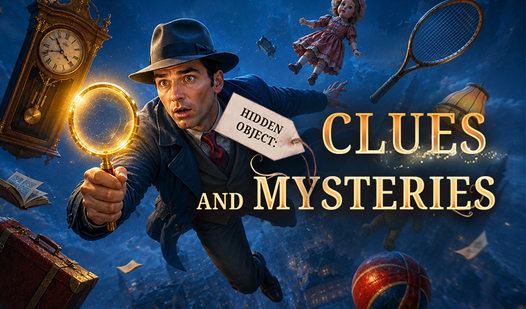
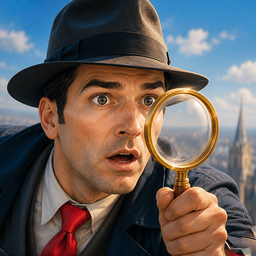
This title wraps difference games hidden objects gameplay inside a light mystery storyline, which gives each scene a reason to exist beyond just being a puzzle container. You work through a series of atmospheric locations — old libraries, antique shops, cluttered studies — hunting for both objects on a list and subtle differences from reference images. The art style is detailed and rich, which is a double-edged sword: the scenes are beautiful to look at, but that same detail makes the search genuinely difficult. Finding everything in a single pass feels like a real achievement.
Hidden Object: Clues and Mysteries
The human brain is naturally wired to find patterns in chaos, making the classic hidden object genre the ultimate test of observation. Hidden Object: ...
▶ Play FreeSpot the Differences: PAW PATROL
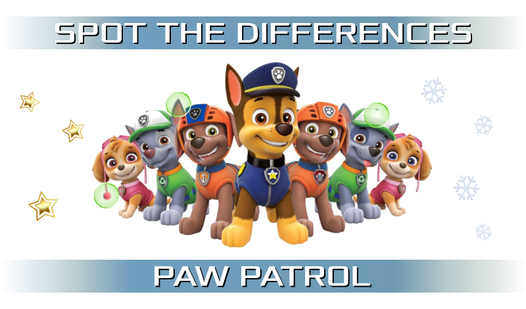
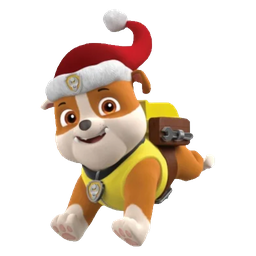
Built around the beloved animated series, this is one of the strongest entry points into the genre for younger players. The art is bright, clear, and familiar — the characters are recognizable from the show, which helps kids orient quickly in each scene. Differences are detectable without being trivially obvious, hitting the sweet spot for early learners. Parents report using this one as a low-friction screen-time activity because it genuinely requires focus and observation rather than passive watching.
Spot the differences: PAW PATROL
Staring at the screen during a boring break and craving a quick mental refresh is a common struggle during busy days. Spot the differences: PAW PATROL...
▶ Play FreeFind the Differences Simbochka Pimp
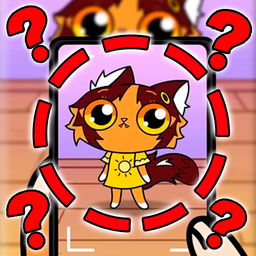
With 33 levels and an energetic musical backdrop, this game offers a longer, more structured challenge than the average spot-the-difference title. The music keeps the atmosphere lively — these sessions don't feel like silent homework. Each level introduces two images with a fresh set of differences to discover, and the difficulty ramps gradually across the level list. Good pick for players who want something to work through across multiple sessions rather than a quick five-minute puzzle.
Find the differences Simbochka Pimp
Training your brain to spot tiny visual inconsistencies is a classic way to sharpen focus while having a blast. Find the differences Simbochka Pimp ta...
▶ Play FreeWorldtrip Find the Differences
Travel-themed difference games have a particular charm: the scenes feel like illustrated postcards, places you've visited or want to visit. Worldtrip leans into that atmosphere fully, sending you to a different location with each level and asking you to compare two views of local scenes — markets, landmarks, street corners. The variety of settings keeps each level visually distinct even when the underlying mechanic is consistent, which means the game holds your interest much longer than single-theme alternatives.
Worldtrip Find the differences
Staring at the clock waiting for your shift to end or just need a quick mental escape from your daily routine? Worldtrip Find the differences is the p...
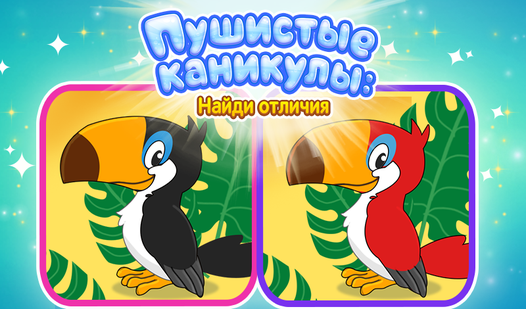
▶ Play FreeFluffy Holidays: Spot the Differences
Seasonal and holiday-themed puzzles are endlessly replayable because the festive atmosphere makes familiar mechanics feel fresh. Fluffy Holidays combines cute character design with holiday imagery to create scenes that are a genuine pleasure to examine before you even start hunting. The "fluffy" aesthetic keeps the visual style soft and approachable. A cheerful, well-made entry that works year-round despite the holiday theme.
Fluffy Holidays: Spot the Differences
Scan two nearly identical scenes to identify subtle variations before your opponents beat you to the punch. Fluffy Holidays: Spot the Differences turn...
▶ Play FreeFind the Differences: Animals & New Year 2024
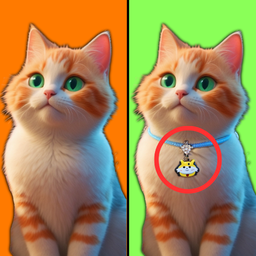
Animals plus festive settings is one of the most reliable visual puzzle combinations, and this game executes it well. Each scene mixes cute critters into holiday backgrounds, making the images feel warm and inviting rather than just challenging. The animal-themed differences tend to be particularly well-crafted — small changes to fur patterns, accessories, or expressions that reward careful observation.
Find the Differences: Animals & New Year 2024
Spotting tiny visual discrepancies is a classic brain teaser that keeps your mind sharp while providing a relaxing escape from daily routines. Find th...
▶ Play FreeHidden Object Games — Find Every Clue
Pure hidden object games ask you to scan a single scene for a specific list of items. What separates great examples of the genre from mediocre ones is scene design: the best hidden object games build scenes that feel like inhabited, believable spaces where the target items genuinely belong. The worst ones look like random collections of clipart dumped onto a background. The games below lean toward the former.
Spot the Cat. Hidden Cats
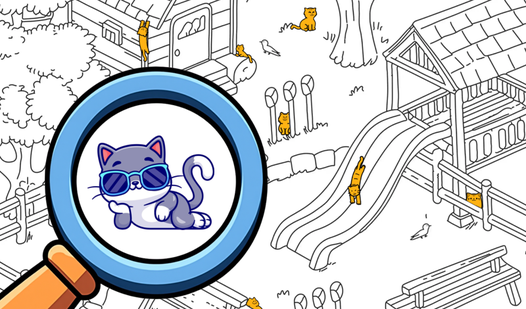
Cats hide. This is their primary occupation and their greatest skill. This game acknowledges that fundamental truth and builds an entire experience around it. Scenes are richly detailed illustrations — cozy interiors, busy gardens, cluttered workshops — and the cats are tucked into spots that feel genuinely plausible. Not photoshopped-onto-a-scene placement, but positioned in ways that real cats actually hide: inside a basket, behind a curtain, curled inside a bag, blending into a patterned rug. Each location brings a new setting with new hiding logic. The art is warm and charming, and finding the last stubborn cat in a crowded scene delivers outsized satisfaction.
Spot the Cat. Hidden Cats
Scan every inch of vibrant, hand-drawn scenes to find the cat hiding in plain sight. Spot the Cat. Hidden Cats turns your screen into a massive scaven...
▶ Play FreeHidden Objects: Find All Sprunki
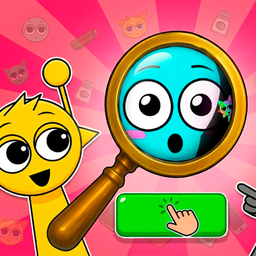
For players already familiar with the Sprunki universe, this is a fun extension of that world's aesthetic. The distinctive character designs give you recognizable shapes to hunt for, which changes the search dynamic slightly — you're pattern-matching against a known form rather than a generic object description. Scenes are packed enough to provide real difficulty without feeling unfair, and the art style is cheerful throughout.
Hidden Objects: Find All Sprunki
Finding tiny details in a chaotic scene is the ultimate test of focus and patience for any puzzle enthusiast. Hidden Objects: Find All Sprunki turns t...
▶ Play FreeHidden Objects: Island Secrets
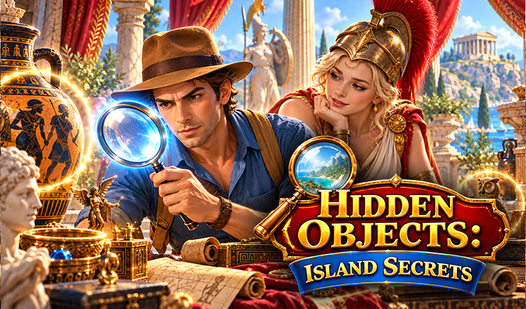
Tropical settings give hidden object games a particular atmosphere — unhurried, sun-warmed, a bit like a vacation you can take at your desk. Island Secrets builds its scenes around beaches, jungle paths, and coastal markets, filling them with the kind of colorful clutter that makes the genre work. Objects hide among shells, palm fronds, fishing nets, and market stalls in ways that feel native to the environment. The variety of tropical locations keeps each level visually fresh.

Hidden Objects: Island Secrets
Fans of detective games will find themselves hooked by the mysterious atmosphere of Hidden Objects: Island Secrets. This captivating adventure challen...
▶ Play FreeHidden Object: My Hotel
Hotel settings are naturally rich territory for this genre: lobbies, guest rooms, kitchens, storage areas, rooftop terraces — each space has its own visual logic and its own set of objects that belong there. My Hotel uses that variety effectively. A corkscrew hidden in a kitchen scene feels right in a way that a corkscrew hidden in a bedroom scene wouldn't. That consistency of environment makes the search feel like genuine detective work rather than arbitrary hunting.

Hidden Object: My Hotel
Fans of mystery and renovation will fall in love with Hidden Object: My Hotel instantly. This captivating hidden object adventure tasks you with resto...
▶ Play FreeFind the Frog — Hidden Objects
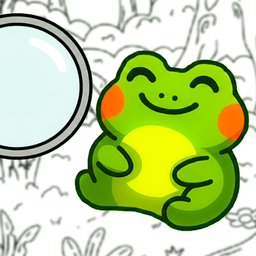
The concept here is beautifully simple and cleverly executed. Frogs are small, often green, and biologically designed to blend in. Each level puts one (or more) frogs into an increasingly complex scene and challenges you to find them. The game's genius is in how plausible each hiding spot feels — the frogs are camouflaged, not randomly placed. When you find one, you feel like you actually spotted it rather than stumbled across it.
Find the Frog - Hidden Objects
Scan intricate hand-drawn scenes to spot hidden objects that blend perfectly into their surroundings. You will navigate through thematic worlds rangin...
▶ Play FreeTips for Finding Differences Faster
After a few hours with difference games hidden objects puzzles, most players naturally develop sharper visual scanning habits. Here are techniques that actively speed up the process rather than waiting for instinct to develop on its own.
Scan in a deliberate grid pattern. Your eyes naturally jump to areas that look unusual or interesting — which is exactly the wrong approach for systematic search. Mentally divide the image into rows and columns and scan each cell deliberately, moving left to right and top to bottom. This prevents you from missing differences in the "boring" parts of an image that your brain has decided aren't worth examining.
Compare edges and outlines first. Designers frequently hide differences along object borders: a slightly altered silhouette, a missing shadow, a trimmed or extended corner. These are easy to overlook when you're focused on the center of objects but relatively quick to catch when you're actively watching for outline irregularities.
Let peripheral vision catch color shifts. Spot-the-difference designers often change colors in small areas — a button that switched from blue to red, a wall that lightened slightly. Your peripheral vision handles color detection quite well even when your focal attention is elsewhere. Scan at a relaxed focus rather than a tight one, and let the color anomalies surface naturally.
In hidden object games, pre-visualize the list. Many players glance at the list and immediately start scanning. Before your eyes hit the scene, pause and actually picture each item: its size, its typical shape, its likely color. Your brain will begin pattern-matching before you consciously search, making recognition faster when you do encounter the target.
Search the empty-looking areas. Professional hidden object designers know players will search cluttered foreground areas first. They hide things in the gaps — in large sky areas, behind transparent glass objects, in reflections on surfaces, in shadows under furniture. The areas that look empty are often exactly where the hardest-to-find items sit.
Account for visual fatigue. Sustained search accuracy drops noticeably after 20-30 minutes of intensive scanning. A short break — even two minutes looking at something else — resets your visual attention significantly. If you're stuck on a specific difference or object, stepping away briefly and returning often reveals it almost immediately.
Use the hint system strategically. Most browser-based games include hints. Rather than using them whenever you're stuck, try to push your search to the limit first — hints are most valuable when used on a single specific item you've genuinely exhausted your search on, not as a first resort.
Zoom in on suspicious areas. Browser games typically respond to browser zoom controls. If an area of an image looks like it might be hiding something but you can't confirm at normal scale, zooming in is often more efficient than extended staring.
In timed games, click confident finds immediately. Don't hold back a sure spot while searching for others. In games that penalize wrong clicks, be more selective. In most free browser games, the time cost of a wrong click is far smaller than the time cost of second-guessing a correct observation.
These techniques look obvious in a list, but applying them under time pressure while a game is actively running requires practice. The good news is that the practice is enjoyable — difference games hidden objects puzzles are genuinely fun to get better at, which keeps the skill-building loop self-sustaining.
The broader appeal of both genres comes down to something that's actually rare in browser games: they're immediately accessible to anyone regardless of prior gaming experience, yet they contain enough design depth to reward sustained attention. A first-time player and a veteran can sit down at the same scene and have a legitimately comparable experience. That accessibility, combined with the enormous variety of themes and art styles available for free, makes this corner of puzzle gaming unusually durable.