Best Scary Games Online — TOP 17 Free Horror Games in Browser
There's something uniquely effective about horror in a browser tab. No setup, no download, no excuse not to face what's waiting for you on the other side of that click. The best scary games online deliver genuine tension, unexpected frights, and the kind of atmosphere that makes you want to close the tab — but you never actually do.
This guide covers 12 of the best scary games you can play free right now in your browser, alongside tips, category breakdowns, and answers to questions players keep asking. Whether you want strategic horror, jump scares, audio nightmares, or survival pressure, there's something here built specifically to ruin your calm.
What Makes Browser Scary Games Terrifying
Horror is fundamentally a psychological experience. It doesn't require a massive budget, cutting-edge graphics, or a 60-hour runtime. What it requires is a reliable route into your nervous system — and browser scary games have gotten surprisingly good at finding those routes.
Sound design does most of the work. Before you see anything threatening, you hear it. A distant sound in an otherwise quiet room, a musical cue that resolves wrong, a footstep that stops just outside your field of view — your brain processes these signals as threats before your conscious mind can intervene. Games like Rainbow Friends: Scary Sounds and Music understand this completely, building their entire experience around audio rather than visuals.
Unpredictability prevents adaptation. Humans are pattern-recognition machines. When a horror game puts a jump scare in the same place every time, it stops being scary by the third playthrough. The best scary games randomize patrol routes, trigger timings, and event sequences so that experienced players still can't fully predict what's coming. Your body stays on alert because it knows it can't trust the calm.
Resource pressure creates dread without direct threat. You can't see the animatronic right now — but your camera power is at 15% and it's 4 AM. That gap between current safety and potential danger is where survival horror lives. Five Nights at Freddy's turned resource management into one of the most effective horror mechanics ever designed because it made inaction feel dangerous.
Confined spaces amplify every threat. Horror in an open field is survivable — you can run. Horror in a corridor, a small office, or a catacomb tunnel removes that option. Browser scary games use tight environmental design to take escape off the table, which transforms every monster encounter into something that has to be managed rather than avoided.
Familiarity creates anticipation fear. If you already know a character is dangerous, seeing it appear triggers fear before anything scary has happened. Games built on popular franchises like FNAF or Rainbow Friends carry pre-loaded dread — you know what these characters do, and that knowledge makes every encounter worse than encountering something unknown.
Atmosphere builds ambient anxiety. Flickering lights, wrong color palettes, art styles that look almost normal but feel slightly off — environmental design can make players uncomfortable before a single scare triggers. The best scary games use this ambient anxiety to keep players tense during the quiet sections, so when something does happen, the nervous system is already primed.
Browser scary games work within tight technical constraints and use those constraints creatively. Small file sizes force designers to make every asset count. No loading screens means tension never gets interrupted. Simple controls mean nothing breaks the immersion of panic. The limitations of the format, it turns out, are often features.
TOP 12 Best Scary Games to Play Free Online
Here are 12 of the best scary games available right now, covering different horror styles, mechanics, and intensity levels.
1. Sprunki Very Scary
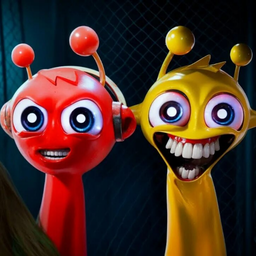
Sprunki Very Scary takes the popular music-mixing format and injects it with nightmare fuel. If you've spent time with the normal Sprunki experience, you know it as a cheerful, creative sandbox. This version corrupts that entirely. The characters are wrong. The sounds they make are deeply unsettling. The familiar UI now contains something you didn't agree to encounter. Horror works especially well when it takes something safe and makes it threatening, and Sprunki Very Scary executes that idea with real craft.
Sprunki Very Scary
Drag creepy monsters onto the stage to weave haunting melodies and dark rhythms that pulse with atmospheric dread. Sprunki Very Scary transforms the f...
▶ Play Free2. Horror Room: Scary Hotel Tycoon
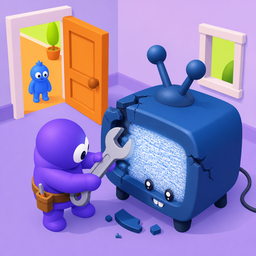
Most management games are designed to feel good — a satisfying click loop, steady progress, cheerful sound effects. Horror Room: Scary Hotel Tycoon strips all of that out and replaces it with something considerably darker. You're running a horror-themed hotel, designing terrifying attractions, and keeping monstrous guests satisfied with your services. The strategy layer adds genuine depth while the horror aesthetic keeps everything from drifting into comfortable territory. An unusual combination that works better than it has any right to.
Horror Room: Scary Hotel Tycoon
Managing a spooky retreat requires nerves of steel and a knack for the macabre in Horror Room: Scary Hotel Tycoon. You take charge of a terrifying est...
▶ Play Free3. Rainbow Friends: Scary Sounds and Music
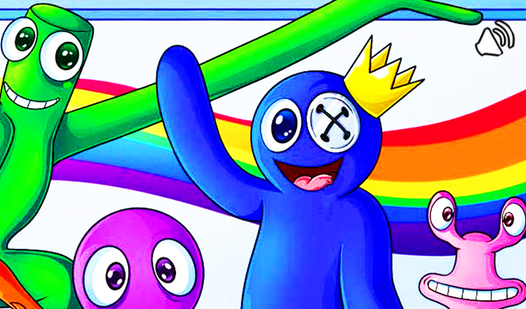
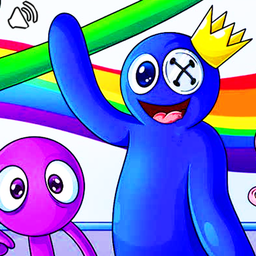
This is pure audio horror, executed with an understanding that sound is often more frightening than sight. Rainbow Friends: Scary Sounds and Music collects and presents the most disturbing sounds and music cues from popular horror characters in a format that's deceptively simple. The sounds themselves are the content. Play it with headphones in a dark room and see how long you stay relaxed. The answer will probably surprise you.
Rainbow Friends. Scary Sounds and Music
Staring at a blank screen during a midday slump is the worst, but finding an instant thrill is easier than you think. Rainbow Friends. Scary Sounds an...
▶ Play Free4. FNAF — Scary Puzzle
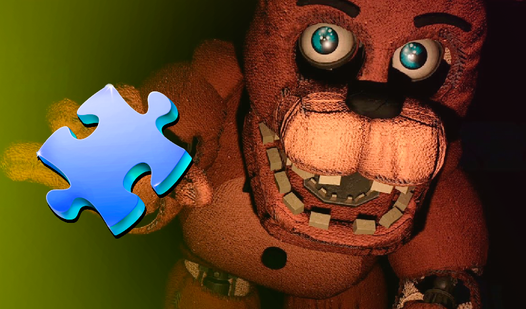
Puzzle games are not supposed to scare you. FNAF — Scary Puzzle understands this and uses that expectation against you. You're assembling images of the animatronics, which sounds completely harmless. It isn't. Each completed puzzle reveals something, and the act of building the image piece by piece — slowly seeing what you're creating — creates a slow-burn dread that pure jump-scare games can't replicate. The FNAF franchise lore adds another layer for players who already know these characters.
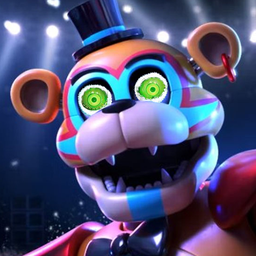
FNAF - Scary puzzle
Stuck in a boring meeting or just need a quick mental escape during your lunch break? FNAF - Scary puzzle is the perfect solution to keep your brain s...
▶ Play Free5. Call the Scary Monsters!
Call the Scary Monsters! is a tile-matching game — accessible, immediately understandable, and low-pressure mechanically. What makes it effective as horror is the character design and the way the monsters are presented. This isn't a simple reskin of a casual game. The monsters have genuine menace built into their visual design, and the matching mechanic forces you to stare at them while you work. Great for players who want horror atmosphere without survival pressure.
6. Steal the Scary Sprunki Pyramixed
Strategy games demand careful, deliberate thinking — exactly the mental state that horror is designed to disrupt. Steal the Scary Sprunki Pyramixed puts you in a position where you need to plan moves carefully while the visual design and atmosphere do everything possible to break your focus. The Sprunki horror characters watch your decisions. The combination of strategic gameplay and genuine visual unease creates friction that makes each session memorable.
7. The Sorcerer's Refuge
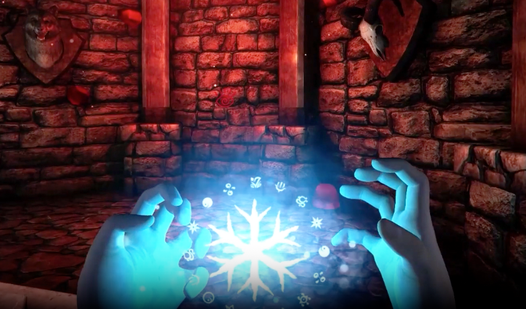
The Sorcerer's Refuge is for players who prefer their horror slow and cerebral. This dark adventure game uses magic, mystery, and riddles to build an atmosphere of wrongness — the environment feels fundamentally off, like a place where the usual rules don't apply. There are no cheap jump scares here. Instead, the game builds sustained unease through environmental storytelling and puzzles that suggest a deeply unsettling lore underneath the surface.
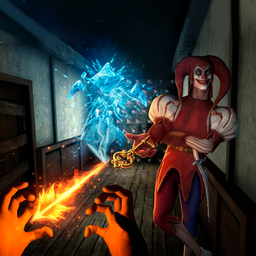
The Sorcerer's Refuge
Fans of atmospheric horror and dark puzzle adventures will find themselves instantly ensnared by the eerie mystery of The Sorcerer's Refuge. You wake ...
▶ Play Free8. Escape from the Portal
Catacomb exploration horror has a long history, and Escape from the Portal understands why it works. The gloomy underground environment removes sunlight, landmarks, and easy navigation. Monsters lurk. Secrets are hidden. The unknown space just past your current view is always threatening. The exploration loop — move forward, discover something, react, continue — keeps you invested even when (especially when) what you're discovering is terrifying.
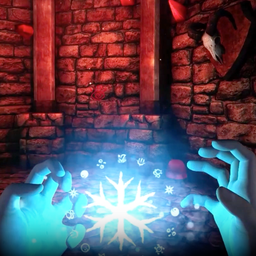
Escape from the Portal
Trapped between dimensions, the soul yearns for a way back through the rift that connects the living world to the void. Escape from the Portal is a ch...
▶ Play Free9. Color by Number: Horror!
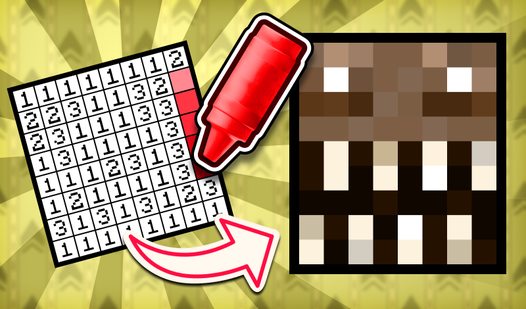
The coloring book genre exists specifically to be calming. Color by Number: Horror! takes that expectation and runs it through a nightmare filter. You're filling in numbered sections, building a picture — but what you're building is a creepy creature, and the witness reports that unlock as you complete each image reframe what you're looking at in disturbing ways. The slow reveal mechanic is genuinely effective: you can't see the final image until you've built it yourself.
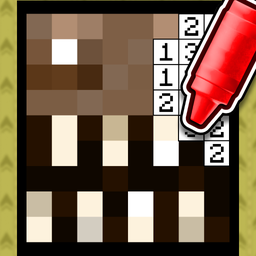
Color by Number: Horror!
Fill numbered cells with vibrant colors to reveal chilling illustrations while battling a creature that actively sabotages your progress. This unique ...
▶ Play Free10. Fnaf Alchemy: Collect All the Animatronics
Alchemy puzzle games have an inherently satisfying loop: combine elements, discover what they create, fill out the collection. Fnaf Alchemy: Collect All the Animatronics grafts this mechanic onto the FNAF universe with excellent results. The satisfaction of unlocking each animatronic combines with the franchise's built-in dread to create something that horror fans and puzzle fans can both enjoy. As you fill out your collection, the game rewards deeper FNAF knowledge with additional context.
11. Boo Scared 7: Summer in Skulboevo
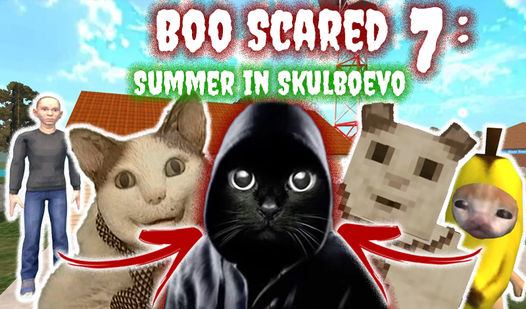
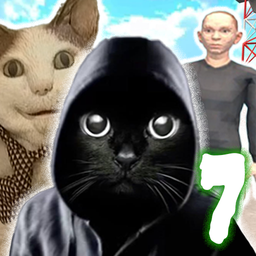
Not all scary games need to take themselves seriously. Boo Scared 7: Summer in Skulboevo is meme horror — Cat Boo and his brother Okak are having a summer that's thoroughly, specifically wrong in the funniest and most disturbing ways simultaneously. The self-awareness of the genre and the commitment to its own ridiculous premise make it stand out. It's a great palate cleanser between heavier horror experiences, and it manages to be genuinely funny and genuinely unsettling at the same time.
Boo Scared 7: Summer in Skulboevo
Navigate the eerie village of Skulboevo as Cat Boo to uncover the truth behind the bizarre Okak mystery. You will dodge threats while completing quirk...
▶ Play Free12. Five Nights at Freddy's
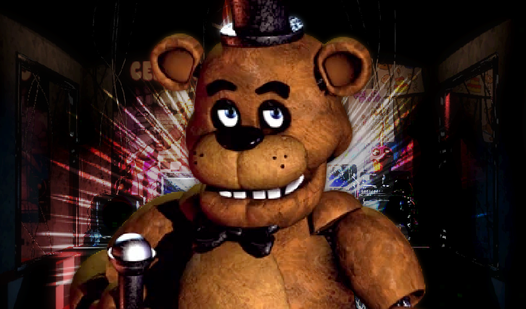
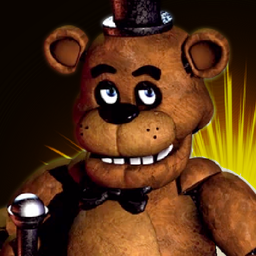
No collection of the best scary games online is complete without the original. Five Nights at Freddy's is a masterclass in tension design. You're a security guard in a pizza restaurant. Animatronic animals roam the building at night and will kill you if they reach your office. You monitor cameras to track them, manage power to keep the lights and doors operational, and try to survive until 6 AM. The genius is that doing nothing feels dangerous. Watching a camera feels dangerous. Every decision you're not making is a threat you might be missing. Almost fifteen years after release, it still works.
Five Nights at Freddy's
Hardcore fans of the horror game genre will find their ultimate challenge waiting inside this terrifying pizzeria. Five Nights at Freddy's turns a sim...
▶ Play FreeBest Jump Scare Games
Jump scares get dismissed by horror purists, but the craft of a good one is real. The buildup — the period of genuine quiet that makes you lower your guard — is as important as the scare itself. These games design their jump scares as punchlines to careful atmospheric setups.
Five Nights at FNAF: Colour by Numbers! takes the coloring mechanic and adds a FNAF-specific payoff. You paint a familiar animatronic character number by number, and the completion itself becomes the trigger. The scare comes from finishing, not from something random jumping at you — which makes it more effective because you walked into it deliberately.
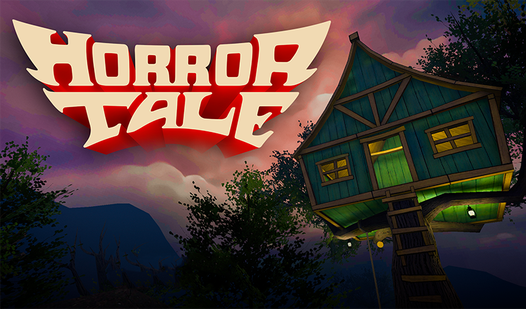
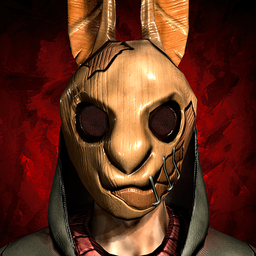
Horror Tale is a classic browser horror experience that understands pacing. Short enough to complete in a single sitting, it builds atmosphere carefully before delivering its payoffs. The brevity works in its favor — nothing overstays its welcome, and the scares land before familiarity can blunt them.
Horror Tale
Navigate the eerie streets of Lakewitch to uncover why children are vanishing in this chilling horror adventure. You must outsmart a mysterious kidnap...
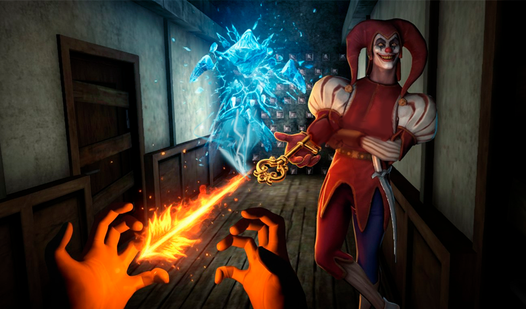
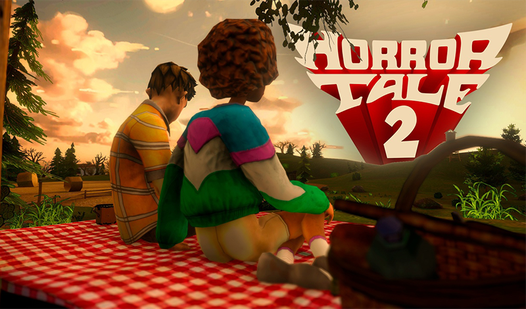
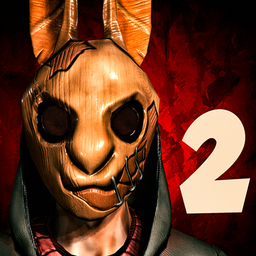
▶ Play FreeHorror Tale 2 expands everything its predecessor established. More complex environments, smarter monster behavior, and nastier timing on its surprises. Players who completed the first game will feel confident heading into the sequel — and that confidence is exactly what the game is designed to undermine.
Horror Tale 2
Staring at the clock during a long afternoon, you probably need a quick escape from the mundane. Horror Tale 2 acts as the perfect antidote, pulling y...
▶ Play FreeWhat separates a great jump scare from a cheap one: the build is always at least as long as the payoff, the misdirection points somewhere genuinely plausible, and the audio design supports rather than carries the moment. Games that ignore these principles produce scares that feel cheap because they are cheap. The titles above understand the difference.
Scary Survival and Escape Games
Survival horror adds a layer of cognitive demand that pure atmospheric horror doesn't require. You're not just experiencing fear — you're solving problems while afraid, which is significantly harder and significantly more rewarding.
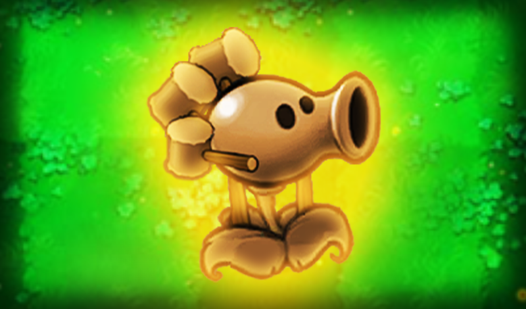
Plants vs Zombie Hybrid Story Mod takes the classic tower defense formula and applies horror modifications to the enemy designs. The hybrid zombie mutations are genuinely unsettling in ways that the original's charming designs never intended to be. Managing your defenses while increasingly disturbing enemies approach creates real strategic tension alongside the horror aesthetic — familiar mechanics in an unfamiliar and threatening wrapper.
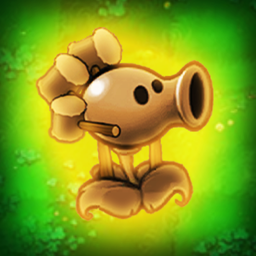
Plants Vs Zombie Hybrid Story Mod
Staring at the clock waiting for your shift to end or just need a quick mental escape from a dull afternoon? Plants Vs Zombie Hybrid Story Mod turns y...
▶ Play FreeZombie Master: Necromancer is a perspective flip on the survival horror genre. Instead of surviving the undead, you command them. Building your horde, directing attacks, and expanding your control creates a power fantasy grounded in horror theming. Playing as the monster is its own kind of unsettling — you're still interacting with horror content, but from a position that changes your relationship to it completely.
Zombie Master: Necromancer
Staring at the clock and waiting for the workday to end is a drag, but managing your own undead legion is the ultimate cure for boredom. Zombie Master...
▶ Play FreeEscape mechanics specifically create forward momentum that keeps players engaged through intense sequences. The combination of a clear goal (get out), a threat (don't get caught), and a problem (figure out how) creates a three-part pressure system that survival horror exploits expertly. When you finally escape, the relief is proportional to the tension that preceded it — which is why these games feel so satisfying to complete.
Tips for Surviving Horror Games
These strategies apply across horror subgenres and will help you get further, die less, and enjoy the experience more.
Use headphones without exception. Speakers miss half the game. Horror sound design encodes monster locations, incoming threats, and atmospheric warnings in stereo space that headphones deliver accurately. Beyond the informational advantage, headphones increase immersion — and higher immersion means the scares hit harder, which is actually what you want.
Play in short, focused sessions. Horror tension is a resource that depletes. After forty-five minutes of sustained dread, your nervous system has adapted and the scares lose effectiveness. Twenty to thirty minute sessions keep your reactions fresh and make each playthrough feel complete rather than grinding.
Learn the game's logic before optimizing it. Every horror game runs on rules: monster patrol routes, resource respawn timings, trigger zones, safe areas. Understanding how the system is designed to work makes you better at noticing when the game is breaking its own rules to scare you — which is often when the best horror moments happen.
Treat every death as a lesson. You will fail repeatedly in horror games. Each failure is information: a patrol timing you misread, a resource you didn't collect, a trigger you walked into. Players who approach failure with curiosity improve faster than players who approach it with frustration, and they have a better time doing it.
Adjust difficulty without hesitation. Horror games include difficulty settings because the genre creates artificial challenge on top of its intended emotional experience. Playing on an easier setting doesn't reduce the horror — it removes friction so you can actually see the full experience. Difficulty settings exist specifically so you don't have to suffer unnecessarily to reach the good parts.
Take mandatory breaks after intense sessions. Horror games create real stress responses. Walking away after a particularly intense session to do something mundane — make tea, check your phone, look at something that isn't a dark corridor — helps your nervous system reset. This makes subsequent sessions more enjoyable and prevents the burnout that comes from pushing through exhaustion.
Check sound and display settings before starting. Many browser horror games are designed for specific audio levels and screen brightness. Spend thirty seconds at the start of each session confirming your sound is audible, your screen isn't washed out by ambient light, and your headphones are connected. These small adjustments have a large impact on the quality of the experience.