Best Memory Games Online — TOP 15 Free Brain Training Games
Your brain is a muscle, and like any muscle, it gets stronger with the right workout. The best memory games online give you exactly that — a fun, low-pressure way to sharpen recall, boost focus, and keep your mind sharp without ever leaving your browser. Whether you're looking for classic card-flipping challenges, fast pattern games, or something more creative, there's a free memory game out there that fits your style perfectly.
This guide covers the top 10 best memory games you can play right now, for free, no download required — plus tips on how to actually improve your memory through gameplay.
What Are Memory Games and How They Train Your Brain
Memory games are games specifically designed to challenge and strengthen your ability to recall information — whether that's the position of hidden cards, sequences of colors, the shape of a logo, or patterns that flash on screen for just a second.
The most classic form is the card-matching game: a grid of face-down cards, and you flip two at a time hoping to find a pair. But modern memory games go much further. Some test your working memory by showing a sequence you need to repeat. Others challenge you to memorize complex visual details before they disappear. A few wrap the whole thing in a story or educational theme.
What makes these games actually useful for your brain? They target several key cognitive functions:
- Working memory — holding information in mind for immediate use
- Attention and focus — noticing details quickly before they're gone
- Processing speed — recalling information faster under pressure
- Pattern recognition — seeing connections between pieces of information
Research consistently shows that regular mental challenges — including memory games — help maintain cognitive function. Kids benefit by building foundational memory skills. Adults use it to stay sharp. Older players find it genuinely useful for everyday mental agility.
The best part: you don't need a gym membership or fancy equipment. Just a browser and a few free minutes.
Best Memory Games to Play Online for Free
Here are the top 10 best memory games available online right now. All of them are free, browser-based, and genuinely fun to play.
1. Sharp Memory: Connect the Pairs
This is classic card-matching at its finest. A grid of face-down cards hides pairs of identical images — your job is to flip two at a time and remember where you saw each one. The game starts manageable but quickly ramps up the grid size, testing how much information you can hold in your head at once. Clean visuals, satisfying gameplay, and a genuine challenge at higher levels.
Sharp memory: Connect the pairs
Puzzle lovers and brain training enthusiasts, get ready for a sharp challenge! Sharp Memory: Connect the Pairs offers a delightful test of your recall...
▶ Play Free2. Memory Game: Square Challenge
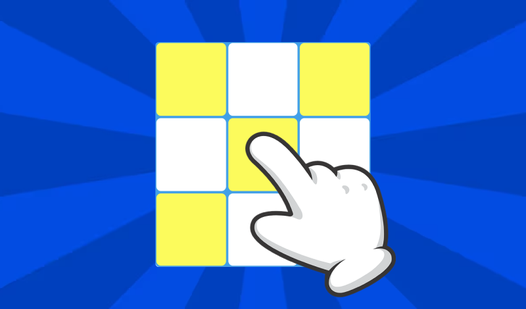
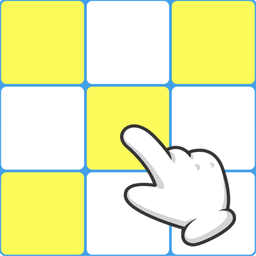
This one is different — and harder than it looks. Colored squares light up in sequence, and you need to repeat the pattern. It starts with just a few steps but grows longer and faster as you progress. It's less about visual memory and more about sequential memory and reaction speed. Great for players who want to push their working memory to the limit.
Memory Game: Square Challenge
Human memory is a muscle that thrives on consistent stimulation and rapid pattern recognition. Memory Game: Square Challenge pushes your cognitive lim...
▶ Play Free3. Develop Your Memory!
Designed for both adults and children, this game takes a thoughtful approach to memory training. The exercises are varied, keeping things fresh rather than repetitive. It's one of those rare games that feels like it was built with genuine cognitive benefit in mind — not just entertainment. Perfect for parents who want something educational for their kids but also want to play themselves.
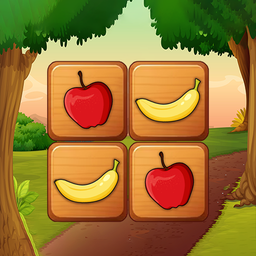
Develop your memory!
Improving your cognitive sharpness is best achieved through interactive brain training exercises that challenge your focus. Develop your memory! turns...
▶ Play Free4. Animals Memory
Who says brain training can't be adorable? Animals Memory hides pairs of funny animal illustrations under cards, and you flip through the grid looking for matches. The charming artwork makes this a natural pick for younger players, but the gameplay is engaging enough for adults too. It's relaxing without being boring — a perfect casual memory workout.
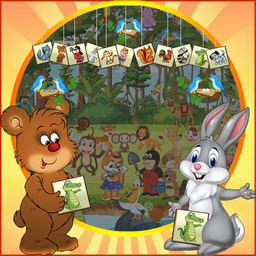
Animals memory
Matching pairs of adorable creatures is the ultimate trick to sharpen your focus while having fun. Animals memory turns simple card flipping into a hi...
▶ Play Free5. Memory Match: Concentration
This is the purest card-matching experience on the list. Memory Match: Concentration strips away everything except the core mechanic — memorize card positions, find pairs, clear the board. The "concentration" in the title is earned: the game genuinely demands that you stay focused and track multiple card positions simultaneously. A great benchmark for testing and improving your raw recall ability.
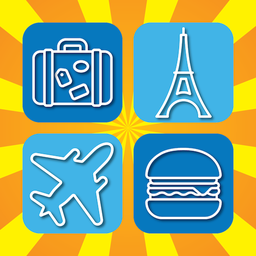
Memory Match : Concentration
Puzzle lovers looking for a sharp brain training challenge will find Memory Match : Concentration to be the ultimate mental workout. This engaging tit...
▶ Play FreeCard Matching Memory Games
Card matching is the original memory game format, and for good reason — it's simple to understand, endlessly scalable in difficulty, and surprisingly effective at training recall.
The mechanic is simple: a grid of face-down cards, each with a hidden image or symbol. You flip two cards per turn. If they match, they stay face-up. If they don't, they flip back down. Your brain has to remember where each card was so you can find its pair when you see the other one. As the grid grows, the challenge scales dramatically.
What makes card matching games so effective is that they force active recall under time pressure. You can't just passively look at cards — you have to store their positions mentally and retrieve that information seconds or minutes later. Every failed match is feedback that tells you exactly where your memory broke down.
Memory Training
This board game version of the classic memory format adds some nice variety to the familiar formula. You flip tiles and match pairs, but the presentation gives it a more structured, game-like feel. It's satisfying to clear the board methodically, and the difficulty curve keeps things interesting as you progress through levels. A solid choice if you want your memory practice to feel more like playing a game than doing exercises.
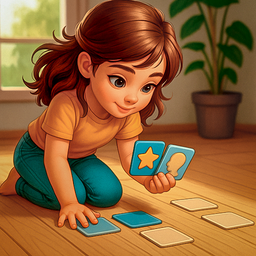
Memory Training
Staring at the clock waiting for your shift to end or just need a mental refresh between tasks? Memory Training is the perfect pocket-sized escape tha...
▶ Play FreeAlphabet Memory
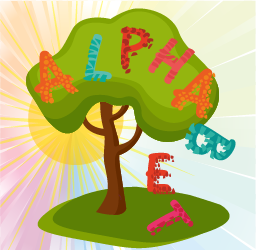
Here's a clever twist: Alphabet Memory combines the card-matching format with learning the English alphabet. Each card features a letter, and you match pairs while naturally absorbing alphabetic associations. It's primarily aimed at younger learners, but the memory mechanics are solid enough that anyone can enjoy it. There's also a development mode specifically designed to strengthen memory recall alongside letter recognition.
Alphabet Memory
Mastering a new language often starts with the building blocks of literacy, and Alphabet Memory makes this foundational step feel like playtime. This ...
▶ Play FreeThe key to improving at card-matching games is developing a system. Most players start random, but the top performers use mental grids — they think of the board as a coordinate system and mentally tag each card's position when they see it. Practice this consciously, and you'll notice your scores improve quickly.
Pattern and Sequence Memory Games
While card-matching tests spatial memory (remembering where things are), pattern and sequence games test a different skill: remembering what happened in a specific order. These are often harder, because the information disappears completely once the sequence ends.
Pattern games are particularly good at building working memory capacity — the mental "RAM" your brain uses to hold and manipulate information in real time. This kind of memory is directly connected to everyday cognitive tasks like following instructions, mental math, and holding a conversation.
Memorize and Draw the Logo from Memory ASMR
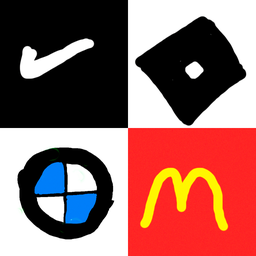
This game is genuinely unique. You're shown a company logo for a brief window, then asked to draw it from memory. It sounds simple until you realize how fuzzy your mental image of even the most familiar logos actually is. The ASMR presentation keeps things calm and focused. This one trains visual detail memory and is surprisingly meditative — a great palate cleanser if you want something different from the standard card game format.
Memorize and Draw the Logo from Memory ASMR
Challenge your visual memory by sketching iconic corporate symbols from scratch in Memorize and Draw the Logo from Memory ASMR. This addictive browser...
▶ Play FreeMemory: Russian Letters
This educational game combines pattern memory with language learning — you're working with Russian alphabet letters, which adds a layer of unfamiliarity for non-Russian speakers that actually makes the memory challenge more demanding. When the symbols aren't automatically recognizable, your brain has to work harder to form and retain the associations. That extra effort is exactly what builds cognitive strength.
Brain Training
Brain Training takes the broadest approach on this list. Rather than focusing on one mechanic, it offers a collection of exercises targeting different aspects of brain activity — with memory as a central pillar. Think of it as a full workout rather than one specific exercise. If you want variety in your mental training routine and don't want to commit to a single game type, Brain Training delivers a solid mix.

Brain Training
Keeping your mind sharp is just as important as hitting the gym for your physical health. Brain Training keeps you on your toes with a huge library of...
▶ Play FreeSequence memory games reward a specific technique: chunking. Instead of trying to remember a long sequence one item at a time, group items into clusters of 2-3. Your brain can hold more information when it's organized into meaningful chunks. This is the same reason phone numbers are split into segments rather than presented as one long string of digits.
Memory Games for Kids vs Adults
Memory games work for everyone, but the best game for a 6-year-old is very different from the best game for a 40-year-old. Here's how to think about it.
For kids, the priorities are:
- Simple, visually appealing cards (animals, letters, familiar objects)
- Short sessions that hold attention
- Low difficulty floors so they can succeed early
- Educational elements are a bonus
Games like Animals Memory and Alphabet Memory hit these marks naturally. The cheerful graphics and manageable grid sizes make them accessible for young players, while the memory mechanics are building real cognitive skills behind the fun exterior.
For adults, the priorities shift:
- Higher difficulty ceilings that keep things challenging
- Variety to prevent boredom and cognitive adaptation
- Measurable progress so you can track improvement
- Time pressure that pushes working memory to capacity
Sharp Memory, Memory Match: Concentration, and Brain Training all have the depth adults need to stay genuinely engaged over multiple sessions.
For older adults, the focus is on consistency over intensity. Shorter, regular sessions are more beneficial than occasional marathon gaming. Card-matching games are ideal because they're low-stress and naturally paced.
One thing worth knowing: kids often outperform adults on raw card-matching speed because their brains are still building neural pathways and form new associations faster. Adults have an edge in strategy — they're better at systematic approaches and self-correction. The best adult players don't try to out-memorize their kids; they out-strategize them.
More Brain Puzzles Worth Exploring
If you enjoy training your brain and want to go beyond pure memory games, these puzzle titles are excellent companions:
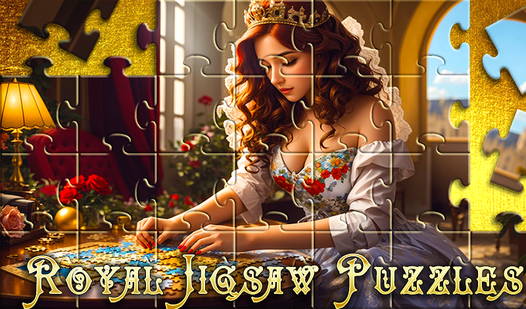
Royal Jigsaw Puzzles — trains spatial reasoning and pattern recognition through classic jigsaw gameplay.
Royal Jigsaw Puzzles
Puzzle fans looking for a refined digital experience will adore the elegant challenges waiting in Royal Jigsaw Puzzles. This title brings the classic ...
▶ Play FreeAssemble the Puzzle — another puzzle game that challenges visual memory and shape recognition.
Assemble the Puzzle
Fans of brain training games will absolutely love Assemble the Puzzle for its relaxing yet mentally stimulating experience. This engaging puzzle chall...
▶ Play FreeSudoku — Logic Game — pure logical deduction that builds working memory and systematic thinking.
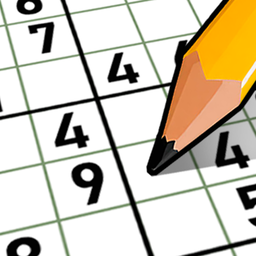
Sudoku - logic game
Staring at a blank screen while your brain feels like mush is the ultimate mid-day struggle. Solving Sudoku - logic game provides an instant mental re...
▶ Play FreeWords Crosswords — vocabulary and word recall combined into one of the most enduring brain game formats.
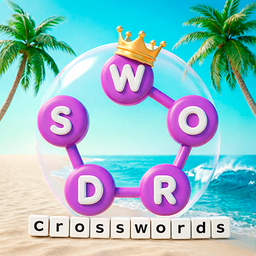
Words Crosswords
Language is a vast landscape of hidden patterns that reveals itself the moment you start connecting random characters into meaningful sequences. Words...
▶ Play FreeMahjong Classic — tile-matching under pressure, building both memory and pattern recognition simultaneously.

Mahjong Classic
Ancient board games have survived for centuries because they perfectly balance relaxation with intense mental stimulation. Mahjong Classic honors this...
▶ Play FreeThese games complement memory training by targeting adjacent cognitive skills. A well-rounded brain workout hits memory, logic, language, and spatial reasoning — not just one area.
Tips for Getting More Out of Memory Games
Playing memory games is good. Playing them intentionally is better. A few habits that actually make a difference:
Play in short, regular sessions. Twenty minutes daily beats two hours on Sunday. Consistent repetition builds stronger memory pathways than occasional intensive sessions.
Increase difficulty deliberately. Once a level feels easy, find a harder mode or a more challenging game. Comfort is the enemy of improvement — your brain adapts to challenges and stops growing when it's no longer challenged.
Take brief breaks between attempts. Memory consolidation happens partly during rest. A 2-minute break between game sessions helps your brain lock in what it just practiced.
Focus on your weakest memory type. If spatial card-matching feels easy but sequential patterns frustrate you, spend more time on sequence games. Balanced training across memory types produces better overall results.
Play after physical activity if possible. Exercise increases blood flow to the brain and elevates neurotransmitters that support memory formation. Even a short walk before a memory game session can noticeably improve your performance.
How to Play Memory Games: A Quick Guide
If you're new to the genre, here's the basic how-to for card-matching memory games (the most common type):
- Start the game — a grid of face-down cards appears on screen
- Click any card — it flips over and reveals its image
- Click a second card — trying to find the matching pair for the first
- Match found? — both cards stay face-up and you score points
- No match? — both cards flip back down; remember where each was
- Clear the board — keep going until all pairs are matched
For sequence/pattern games, the flow is:
- Watch the sequence carefully
- Repeat the sequence exactly as shown
- Each round adds more steps to the sequence
- Continue until you make a mistake
Simple mechanics, deep challenge. That's what makes memory games so persistently popular.