Best Jump Scare Horror Games — Free Online TOP 17
There's nothing quite like the specific torture of a well-timed screamer. You know the feeling: silence stretches out, something's wrong, you take one more step — and the best jump scare horror games detonate that tension perfectly. Your chair scoots back, your drink goes sideways, and your heart rate hits cardio levels. The good news? You don't need to pay for this punishment. All 12 games below run free in your browser, no install needed.
This list covers everything from folklore-soaked atmospheric horror to FNAF-style survival nights to chaotic Sprunki clickers that somehow manage to be genuinely unsettling. Casual fans, masochists, and people who like screaming with friends — there's something here for every flavor of fear.
Scariest Jump Scare Horror Games You Can Play Free
These are the picks that earned the top spots through pure, effective horror craft. The scares aren't cheap — they're built on atmosphere, sound design, and pacing that makes every quiet moment feel like a loaded gun.
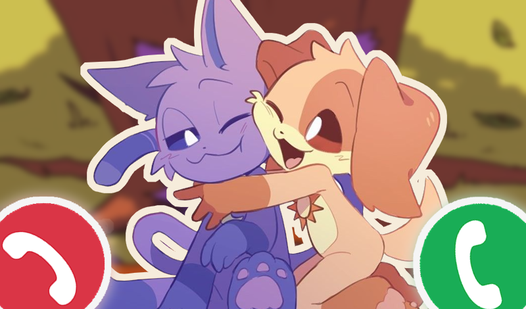
1. Call Horror Catnap!
Catnap has become one of the most recognizable faces in modern internet horror, and this game leans fully into what makes the character work. The premise is simple but effective: you're exploring an environment that feels subtly wrong from the first second. Lighting is too dim. Sounds are slightly off. And Catnap is somewhere in there.
The jump scares in this game are earned, not lazy. The developers clearly understand that silence is scarier than noise — they use it deliberately, stretching out quiet stretches until the tension becomes almost unbearable, then breaking it with sudden, sharp audio blasts that send your nervous system into overdrive. Character design does a lot of work here too. Catnap's visual design has that uncanny valley quality where something looks almost cute and then very suddenly isn't.
This is a strong opening pick for anyone building out their personal list of good jump scare games. It nails the fundamentals.
Call Horror Catnap!
Staring at the screen during a boring afternoon break usually leaves you feeling uninspired and restless. Call Horror Catnap! turns that downtime into...
▶ Play Free2. furryMGEHorror
Don't let the unusual premise fool you — this one genuinely delivers. You're trapped and need to escape from a furry engineer with clearly hostile intentions. The game has that low-budget horror energy that, paradoxically, makes it scarier rather than less scary. Big-budget horror knows where its own scares are; this game feels less predictable.
The pursuer's movement patterns aren't what you expect. Most horror games train you to learn enemy behaviors and work around them. This one deliberately subverts that by keeping the engineer's behavior just erratic enough that you can never fully relax. You'll think you've found a safe route. You haven't. The jump scares arrive from directions you weren't watching, at moments you weren't braced for, which is exactly how a jump scare should work.
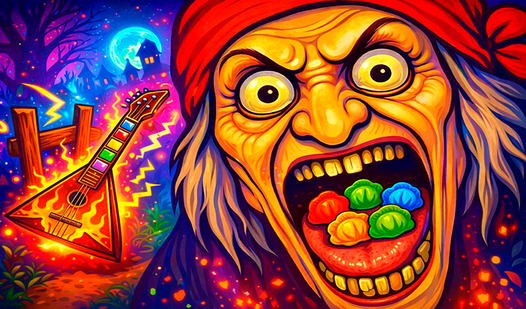
3. Horror Folk Games for Two Players
Russian and Slavic folklore horror occupies a genuinely unique space in the genre. Western horror has been strip-mined for decades — the same werewolves, vampires, and masked killers appear so often that audiences know the beats by heart. Slavic folk horror doesn't work that way. The creatures, the logic, the visual design — it's unfamiliar enough to be genuinely unsettling even to experienced horror players.
This two-player game uses that unfamiliarity brilliantly. You and a friend navigate scenarios drawn from Russian myth, encountering twisted versions of traditional characters that arrive without the telegraphing you'd get from a more conventional horror setup. The co-op format is interesting here: shared fear is a different experience than solo dread. You'll scream, your partner will scream, you'll both point fingers, and then something will appear behind the one who's pointing.
Playing this with someone who also has no frame of reference for Slavic folklore produces the best results — neither of you can predict what's coming.
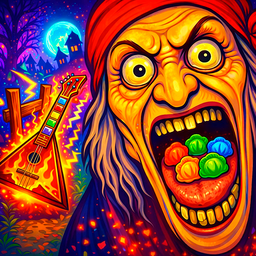
Horror folk games for two players
Staring at the screen during a boring break is the worst, but you have found the perfect remedy to spice up your downtime. Horror folk games for two p...
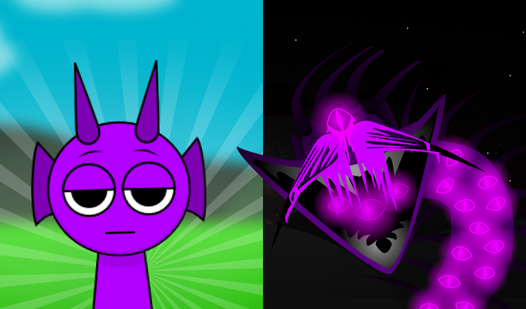
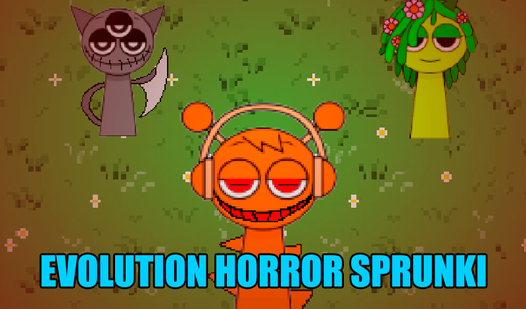
▶ Play Free4. Evolution Sprunki Incredibox: Horror Clicker
The Sprunki horror universe keeps expanding, and this clicker entry is one of the most accessible starting points. The concept is deceptively cheerful: tap to evolve your musical Sprunki characters through stages. What the game doesn't advertise is that those stages get progressively more wrong.
Each evolution phase brings new sound design — the catchy, upbeat Incredibox-style music shifts subtly toward something more dissonant, more broken, more threatening. The visual reveals hit like miniature jump scares: your cute character transforms into something with too many limbs, wrong-colored eyes, or expressions that don't communicate anything human. The horror accumulates gradually, which is more effective than a single sudden shock. By the time the game is in full nightmare territory, you've spent enough time in it that you feel genuinely unsettled.
FNAF-Style Horror Games Online
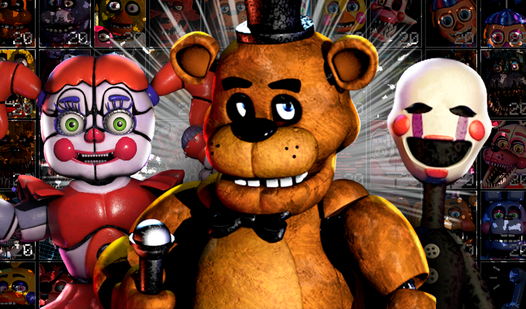
Five Nights at Freddy's didn't just create a franchise — it established a template. Resource management under pressure, imperfect information, and animatronic murder have proven to be an endlessly viable formula. The games in this section borrow from that tradition while adding their own specific flavor of dread.
5. Horror Sprunki Phase 8
Phase 8 in the Sprunki horror series is where things get genuinely disturbing. Earlier phases are tense and well-designed; this one sounds like the developers decided to stop holding back. The new characters introduced here feel designed around specific phobias — their sound design in particular seems engineered to trigger threat responses rather than just surprise.
The mechanical demands increase significantly. Inattention is punished hard: look away from the right area at the wrong moment and the screen fills with something you weren't ready for. The layered audio — distorted vocals over corrupted Sprunki beats — creates a soundscape that stays uncomfortable even between scare events. This isn't background noise you stop noticing; it maintains a constant low-level sense of wrongness.
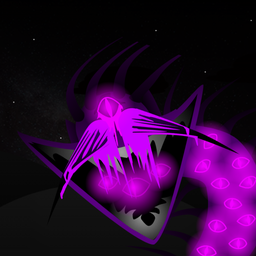
Horror Sprunki Phase 8
Staring at the screen during a mid-day slump feeling like your brain needs a creative spark rather than another spreadsheet is a common struggle. Horr...
▶ Play Free6. Sprunki Incredibox Horror Tycoon
Take the resource-management tension of FNAF and apply it to running a horror factory staffed by increasingly unhinged Sprunki characters. The tycoon mechanics are functional and give you genuine agency — until they don't. The game systematically dismantles your sense of control through "factory incidents": sudden events that combine mechanical disruption with visual and audio jump scares.
What works well here is the false sense of security the tycoon framing provides. You're expanding, improving, optimizing — this feels like a management game, and your brain processes it as a problem-solving exercise. Then an incident hits and your entire mental model of the game breaks down. The scare lands harder because you weren't in horror mode; you were in spreadsheet mode.
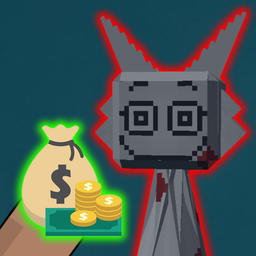
Sprunki Incredibox horror Tycoon
Managing a creepy production line is surprisingly addictive when you realize the chilling potential of every creation you assemble. Sprunki Incredibox...
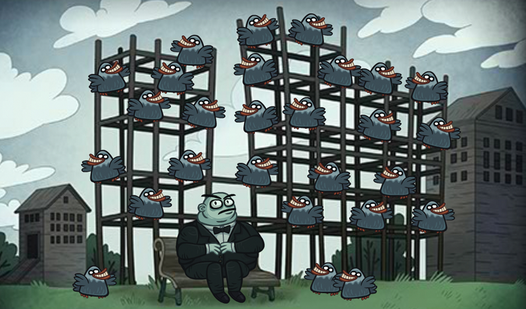
▶ Play Free7. Troll Face Quest Horror Adventure Puzzle
Horror-comedy is harder to execute than either horror or comedy alone — you need the jokes to land while still maintaining enough tension for the scares to work. Troll Face Quest Horror Adventure Puzzle manages this better than most. The game is a love letter to horror pop culture: slasher films, haunted houses, cursed VHS tapes, supernatural TV shows. Reference after reference gets transformed into a deranged puzzle sequence.
The pranks catch you off guard even when you know they're coming. That's the design achievement here — you're aware the game is going to trick you, and it tricks you anyway. The jump scares specifically benefit from the comedy framing: you're laughing at a joke, your guard drops, and then the screamer hits. Good structural design for anyone looking for good jump scare games that don't take themselves too seriously.
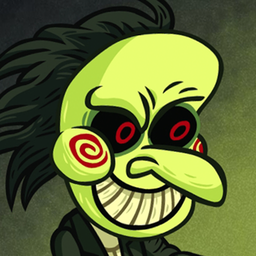
Troll Face Quest Horror Adventure Puzzle
Click on bizarre objects and icons to unleash chaotic pranks upon legendary horror icons in this twisted logic challenge. Troll Face Quest Horror Adve...
▶ Play Free8. Fusion Horror Sprunki
The collectible-discovery mechanic gets applied to horror here in an interesting way. You're tapping to fuse characters, trying to discover all possible combinations — which sounds harmless enough until the reveals start. Some fusions produce expected results. Others produce visual shock moments: wrong proportions, faces that don't assemble correctly, sounds that shouldn't be coming out of the creature you just created.
The completionist pull is genuine and works against you. You keep pushing for the next unlock, the next fusion, because the game's progression system is well-tuned. And just when you're fully invested in the discovery loop, it delivers something designed to make your stomach drop. Then you keep going anyway, because you need to find the rest.
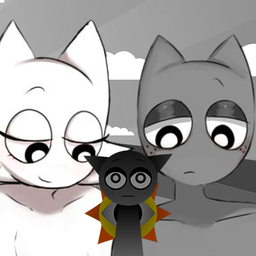
Fusion horror Sprunki
Merging games turn simple clicking into a competitive obsession where every move brings you closer to ultimate power. Fusion horror Sprunki takes this...
▶ Play FreeIf FNAF-style nights are your specific preference, the classic formula hits hardest here:
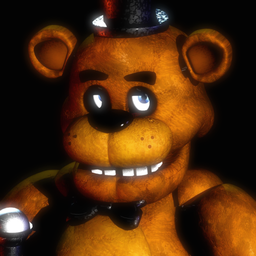
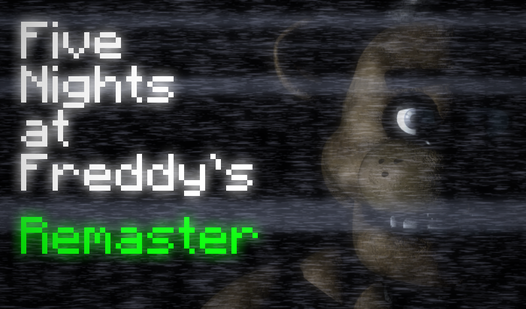
Five Nights at Freddy's Remaster
Monitor security cameras and manage a dwindling power supply to survive a terrifying shift at Freddy Fazbear's Pizza. This Five Nights at Freddy's Rem...
▶ Play Free
UCN - Ultimate Custom Night
Survival horror reaches its peak when you are forced to manage dozens of relentless animatronics simultaneously. UCN - Ultimate Custom Night turns the...
▶ Play FreeSurvival Horror with Jump Scares
Running, hiding, managing resources while something hunts you — survival horror turns the jump scare into a consequence rather than a random event. These games make you work for your survival, which means every scare hits harder because you had something to lose.
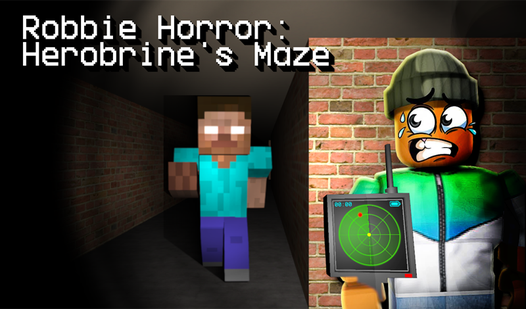
9. Robbie Horror: Herobrine's Maze
Herobrine — the blank-eyed, faceless figure from Minecraft creepypasta — is a horror icon built entirely from community imagination and platform-specific dread. Taking that character and building a dedicated 3D maze horror game around it is the right call. The setting works: procedurally generated corridors, limited visibility, and a pursuer that may or may not be standing just outside your field of view.
The maze format is effective because it removes your ability to map the space. In a linear horror game, experienced players can learn the layout and reduce uncertainty. Robbie Horror keeps regenerating that uncertainty by design. You know generally what's hunting you; you don't know where it is or when it will appear. The jump scares feel organic rather than scripted because the conditions that produce them emerge from exploration rather than predetermined trigger points.
Audio is critical here — use headphones if you want the spatial cues that tell you which direction trouble is coming from.
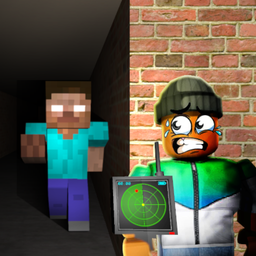
Robbie Horror: Herobrine's Maze
Staring at the clock while the minutes crawl by is the ultimate workday struggle, but a pulse-pounding escape is only a click away. Robbie Horror: Her...
▶ Play Free10. Evolution Horror Sprunki
This entry focuses the evolutionary horror concept into a more direct experience: you're growing into a monster, stage by stage, with each transition delivering a visual and audio shock. The reveal moments are structured like jump scares in reverse — instead of something appearing to frighten you, something within the game transforms, and the wrongness of that transformation is what lands.
It's a subtle but effective distinction. Most horror is about external threats. This one makes the horror internal to your character, which produces a different kind of unease. By the final evolution stages, what you've become looks nothing like what you started as, and the game makes sure you notice every step of that process.
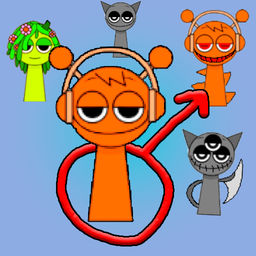
Evolution horror Sprunki
Staring at a blank screen during a lunch break often feels like a chore when you just need a quick distraction. Evolution horror Sprunki changes the p...
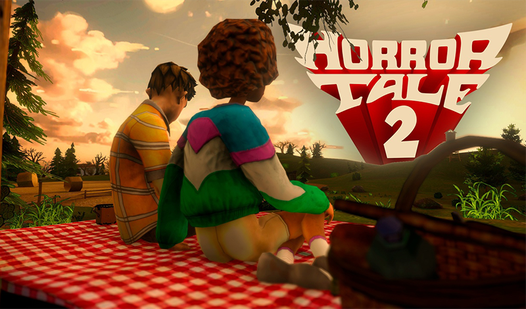
▶ Play Free11. Horror Tale 2
The sequel builds on a proven formula with more environmental complexity and smarter scare timing. Horror Tale 2 operates as a first-person stealth-survival game where your own behavior determines when the jump scares arrive. Move too quickly, ignore ambient audio cues, or fail to check your surroundings — something finds you.
This cause-and-effect scare design is one of the more sophisticated approaches in free browser horror. Random jump scares feel cheap because they could happen regardless of your play. Jump scares that respond to your specific mistakes feel deserved, which is paradoxically worse — you know you caused it, which produces a second wave of stress as you replay the moment you went wrong. Horror Tale 2 understands this psychology and uses it deliberately.
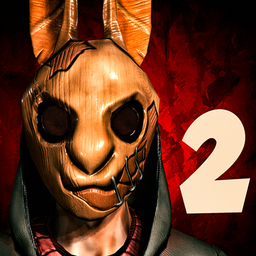
Horror Tale 2
Staring at the clock during a long afternoon, you probably need a quick escape from the mundane. Horror Tale 2 acts as the perfect antidote, pulling y...
▶ Play Free12. Horror Tale
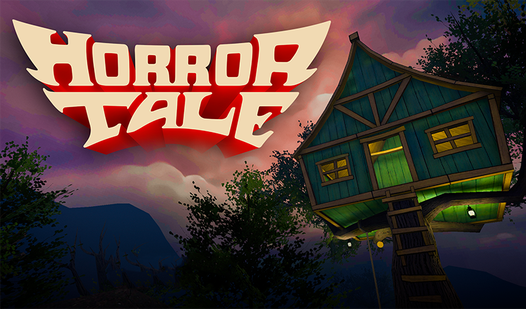
The original that the sequel built on. First-person horror, dark environments, and a design philosophy that prioritizes atmosphere over spectacle. Horror Tale earns its scares through sustained discomfort — the feeling that every action you take is being watched, that every door you open might be a mistake, that the game's world is actively hostile in ways you can't fully measure.
It's a strong recommendation for anyone new to browser horror specifically. The controls are accessible, the pacing respects players who need time to acclimate, and the jump scares are calibrated to reward careful exploration rather than punish it randomly. Start here if you're building your tolerance, or revisit it as a baseline if you've already played through the sequel.
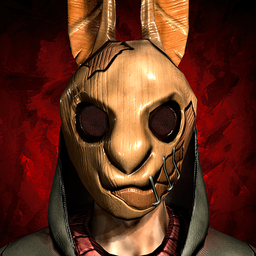
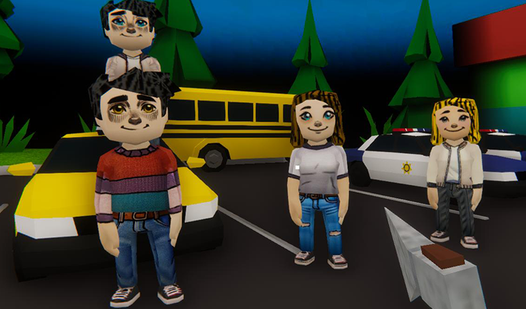
Horror Tale
Navigate the eerie streets of Lakewitch to uncover why children are vanishing in this chilling horror adventure. You must outsmart a mysterious kidnap...
▶ Play FreeMore survival and multiplayer horror picks worth running through:
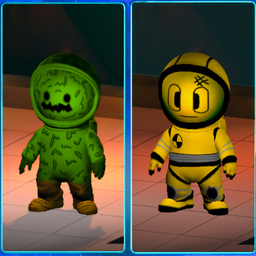
Imposter 3D online horror
Fans of suspenseful social deduction challenges will find their new addiction in Imposter 3D online horror. This intense online experience tasks you w...
▶ Play Free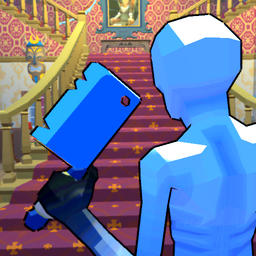
Horror Shooter
Fans of high-adrenaline survival challenges will find Horror Shooter the ultimate test of their nerves and accuracy. Trapped inside a decaying, cursed...
▶ Play Free
Death Forest: Horror Multiplayer
Navigate a dark, atmospheric wilderness while desperately searching for a way to flee from a relentless killer in Death Forest: Horror Multiplayer. Yo...
▶ Play FreeHow to Handle Jump Scares Like a Pro
Jump scares are physiological before they're psychological — your body reacts before your brain catches up. The startle response is hardwired and can't be fully suppressed. But you can work with it instead of against it.
Treat calm sections as warnings. The most reliable predictor of an incoming jump scare is a stretch of nothing happening. Horror game design almost universally uses quiet as setup. Once you internalize this, you stop relaxing during the quiet parts — which sounds like it removes the fun, but actually creates a constant background tension that makes the eventual scare more manageable because you were partially braced.
Use headphones strategically. Jump scares hit harder with headphones because spatial audio puts the sound source inside your head. For maximum fear, use them. For maximum control, don't. In games like Robbie Horror: Herobrine's Maze, though, spatial audio is a survival mechanic — you can hear which direction Herobrine is approaching from, which gives you information you can't get on speakers. In those cases, headphones become tools rather than just scare amplifiers.
Understand the reset window. After sustained horror exposure — roughly 40 minutes of continuous play — your nervous system partially adapts and jump scares lose impact. This isn't bravery; it's desensitization. Taking a five-to-ten minute break away from the screen fully resets your sensitivity. You return to the game fresh and jumpable. Useful information depending on whether your goal is survival or maximum fear.
Play co-op to redistribute the dread. Games like Horror Folk Games for Two Players and Death Forest: Horror Multiplayer split the experience across multiple people. Shared horror is less intense because social context competes with fear — you're processing other people's reactions in real time, which partially overrides your own. The tradeoff is that atmospheric horror specifically loses power in groups; the isolation that makes solo horror work doesn't exist when you're sitting next to someone.
Manage the stakes deliberately. In games that allow saving, save more frequently than you think necessary. The horror of losing progress to a jump scare is real and turns an entertaining game punishing. Save obsessively, remove the progress-loss anxiety, and the jump scares can land as exciting rather than catastrophic.
Keep lights on if needed. Physical room lighting reduces visual immersion enough to take the edge off overwhelming horror. Experienced horror players sometimes darken their rooms to maximize tension; players who are newer to the genre or find certain games genuinely distressing should not feel obligated to do this. The goal is entertainment, not suffering.