Что такое Quiz игры: Complete Guide for Beginners
So you've heard the term "что такое Quiz игры" tossed around and wondered what all the fuss is about? You're not alone. Quiz games are one of the oldest, most beloved game genres on the planet — and they've never been more accessible than right now. Whether you remember shouting answers at your TV during game shows or passing trivia card decks around at a family gathering, that same thrill is now sitting right in your browser, ready to play for free.
This guide covers everything you need to know about quiz games: how they work, where they came from, which subgenres exist, how to actually get better at them, and — most importantly — which ones to start with if you're brand new to the genre.
Что такое Quiz игры и почему они так популярны
At their core, quiz games are exactly what they sound like: games built around questions and answers. You're given a question — sometimes multiple choice, sometimes open-ended — and you need to pick the right answer, usually within a time limit. The better you do, the more points you earn, the further you progress.
But what makes quiz games genuinely addictive isn't just the scoring. It's the combination of challenge and reward. When you answer correctly, you feel smart. When you get something wrong, you're instantly curious about the right answer. That feedback loop is powerful. It's the reason people say "just one more round" and end up playing for an hour.
Quiz игры online have exploded in popularity because they work on any device, require no downloads, and can be played in short sessions. Five minutes between meetings? Play a quick trivia round. Evening on the couch? Go deep into a Harry Potter lore quiz. The format is flexible in a way that few other genres can match.
They're also inherently social. People love comparing scores, challenging friends, and debating whether a particular answer was fair. Quiz games create conversation in a way that solo action games rarely do. A correct answer to a tricky question feels different when someone else is watching — suddenly it's a performance, and that makes it more memorable.
Another reason for the genre's staying power: quiz games are one of the few game types where playing genuinely makes you smarter. You finish a session knowing things you didn't know before. That's a value proposition most games can't claim.
A Brief History of Quiz Games
Quiz games didn't start with smartphones or even home computers. The genre has roots going back nearly a century — and understanding where it came from helps explain why it feels so natural to play.
Radio and TV quiz shows (1930s–1980s)
The quiz format first became a mass entertainment phenomenon through radio in the 1930s. Shows that pitted contestants against each other on general knowledge questions drew massive audiences across the United States and Europe. When television arrived, the format exploded. Shows like What's My Line?, Jeopardy!, and later Who Wants to Be a Millionaire? became genuine cultural touchstones. These weren't just game shows — they were community events watched by millions simultaneously. The drama of watching someone answer correctly under enormous pressure was (and still is) legitimately compelling.
Board games and tabletop trivia (1970s–1990s)
Around the same time, trivia moved into living rooms. Trivial Pursuit, released in 1981, became one of the best-selling board games of all time and essentially created the modern tabletop quiz category. Families and friend groups gathered around the board for hours, and the competitive element made for evenings people still talk about decades later. The game proved something crucial: people will happily test their knowledge against each other for pure enjoyment, with no prize at stake.
Early digital quiz games (1980s–1990s)
The first computer quiz games were simple by today's standards — text on a screen, you type a number, the program tells you if you're right. But they proved the format translated perfectly to digital. Educational software often used quiz mechanics because they're effective at reinforcing learning. Family entertainment packages bundled trivia games alongside other titles. The seeds of today's massive quiz game ecosystem were planted in those early experiments.
Online and mobile explosion (2000s–present)
The real revolution came with the internet. Suddenly, quiz games could update their question banks daily, pull from enormous databases, and connect players from around the world in real time. Online leaderboards added a competitive layer that single-player trivia lacked. Mobile devices made the format even more accessible — short quiz sessions fit perfectly into the rhythm of smartphone use. Today, you can find what seems like an infinite variety of quiz games covering every imaginable topic, from Renaissance art to Star Wars lore to dog breeds.
Popular Subgenres of Quiz игры
Not all quiz games are the same. The genre has branched into a wide range of subgenres, each with its own appeal. Understanding the differences helps you find the type that suits you best.
General Trivia The classic format: a mix of questions across history, science, geography, pop culture, sports, and more. These are great for players who like variety and don't want to specialize in a single topic. General trivia games are also the best diagnostic tool — a few sessions will tell you exactly which categories you're strong in and which need work.
Themed / Fandom Quizzes These focus on a specific universe — a movie franchise, a TV show, a book series, a historical period. If you're a fan of a particular property, themed quizzes let you go deep on the lore and show off expertise that general trivia would never test. The satisfaction of knowing an obscure detail from your favorite series is its own reward.
Visual Recognition Quizzes Instead of (or alongside) text questions, these show you images and ask you to identify what you're looking at. Could be a painting, a flag, a movie still, a celebrity, a dog breed, a flower — anything recognizable. The visual element makes these games feel more dynamic and tests a different kind of memory than text-based questions.
Geographic Quizzes A popular subgenre focused on maps, countries, capitals, flags, and borders. Perfect for geography buffs or anyone who wants to build real-world knowledge while playing. These games have an educational payoff that's hard to match — after a week of playing a geography quiz, you'll genuinely know more about the world.
Speed Rounds / Time Attack Some quiz games add heavy time pressure — you need to answer before the clock runs out, sometimes in just a few seconds. This changes the experience significantly, adding stress and excitement that slower formats don't have. Speed quizzes test recall under pressure rather than careful deliberation.
Personality and Discovery Quizzes Less competitive, more exploratory. These quizzes tell you something about yourself — which character you're most like, what your preferences reveal about your personality type. Less about winning, more about self-discovery and entertainment. A great gateway for players who find competitive formats intimidating.
Best Quiz Games for Beginners
Here's where things get practical. If you're new to что такое Quiz игры and want somewhere to start, these five games are excellent entry points. They're all free to play, work in your browser, and require no account or setup.
Millionaire Trivia Game Quiz
This one needs almost no introduction. Based on the iconic "Who Wants to Be a Millionaire?" format, this game puts you in the hot seat with 15 increasingly difficult questions. Answer all of them correctly and you're a virtual millionaire. Use lifelines when you're stuck — eliminate two wrong answers, or get a hint to guide your thinking.
What makes it ideal for beginners is the graduated difficulty. Early questions are genuinely easy, giving you a warm-up period before things get challenging. The familiar format also means you probably already understand how to play even if you've never touched a quiz game before. There's also a real sense of drama as the stakes rise with each correct answer — the tension is built into the structure.
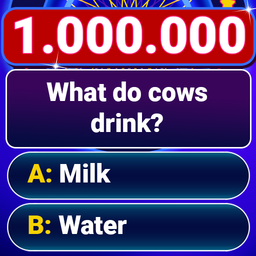
Millionaire Trivia Game Quiz
Trivia enthusiasts and brain game fans will find their new obsession with Millionaire Trivia Game Quiz. This challenge pushes your limits as you climb...
▶ Play FreeTrivia Quiz
Trivia Quiz is a solid, well-rounded general knowledge game that covers a wide range of topics. It's the kind of game you return to when you want to test yourself across multiple categories without committing to a specific theme. History, science, entertainment, sports — it rotates through subjects and keeps the question pool from getting stale.
For beginners, this is a great way to map your own knowledge. You might discover you're surprisingly strong on geography questions but weak on sports — useful self-knowledge if you want to specialize later. The pacing is comfortable and the interface is clean, which matters more than it sounds when you're just learning the ropes.
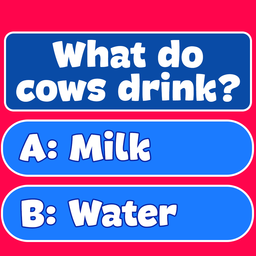
Trivia Quiz
Brainy players who crave a mental challenge will find their perfect match in Trivia Quiz. This fast-paced game turns every question into a fun lesson,...
▶ Play FreeGeography Quiz: Countries, Flags, Capitals
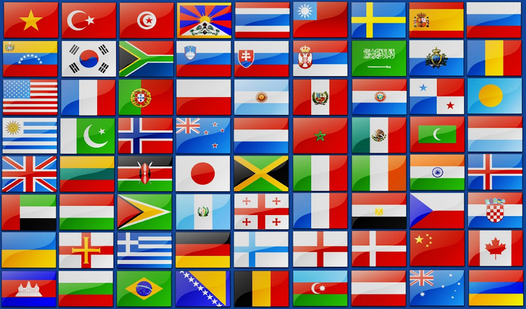
If you've ever stared at a world map and realized you couldn't name half the countries on it, this game is both humbling and genuinely educational. It covers countries, their capitals, and their national flags across every continent. The visual element — showing you a flag and asking you to name the country — makes it particularly engaging compared to purely text-based formats.
The learning curve is steeper than general trivia games, but the payoff is real. After a few sessions, you'll start recognizing flags you'd never paid attention to before. After a few weeks, you'll have a working knowledge of world geography that stays with you long after you stop playing.
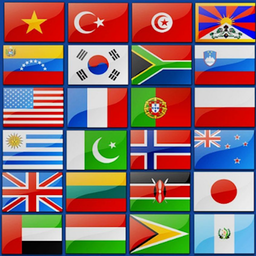
Geography quiz: countries, flags, capitals
Identify flags, capitals, and country names in this fast-paced challenge that tests your knowledge of the planet. Geography quiz: countries, flags, ca...
▶ Play FreeHarry Potter The Big Quiz
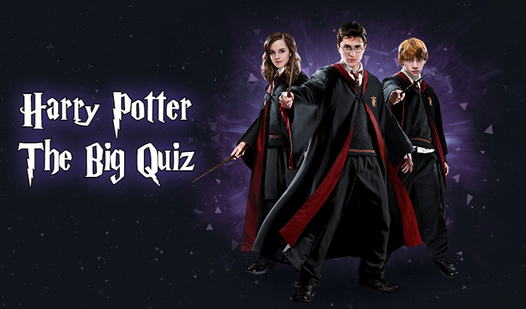
For anyone who grew up with Harry Potter — or discovered the series at any point — this quiz is a deep celebration of the entire universe. We're talking over 1000 questions covering characters, spells, locations, plot details, and lore from across all seven books and the films. It's not just the obvious stuff; genuine fans will find questions that test the genuine edges of their knowledge.
Even if you're not a hardcore fan, this is a great introduction to themed quiz games. The focused subject matter means questions feel cohesive rather than random, and there's something satisfying about building expertise in a world you love. The sheer volume of questions also means you won't run out of material quickly.

Harry Potter The Big Quiz
True fans of the wizarding world will find their perfect challenge in Harry Potter The Big Quiz, a test of knowledge that spans every corner of the fi...
▶ Play FreeQuiz: Who is the Artist?
This is a visual quiz where you're shown a painting and need to identify the artist. It spans everything from Renaissance masters to Impressionists to modern and contemporary art. For players who've never thought much about art history, it can be a genuine eye-opener — you start recognizing styles and brushwork and compositional choices without even trying to.
This subgenre of quiz games is particularly effective at teaching through repetition. You'll get a question wrong, see the answer, and then recognize the same artist's style the next time their work appears. Over time, you're building real art knowledge, not just memorizing isolated facts. It's closer to education than most games dare to get.

Quiz: Who is the Artist?
Identify iconic masterpieces and name the masters behind them in this engaging art challenge. Quiz: Who is the Artist? puts your cultural knowledge to...
▶ Play FreeMore Quiz Games Worth Playing
Once you've tried the featured games above, you might want to branch out into more specific territory. Here are five more games from the catalog, each covering a different niche — there's a good chance at least one of them speaks directly to your interests.
Quiz: Guess the Flower — A botanical visual quiz where you identify flowers from photographs. The questions cover everything from common garden flowers to rare species, and the visual format makes it genuinely immersive. Perfect if you have any interest in nature, gardening, or just want something calm and colorful to play.
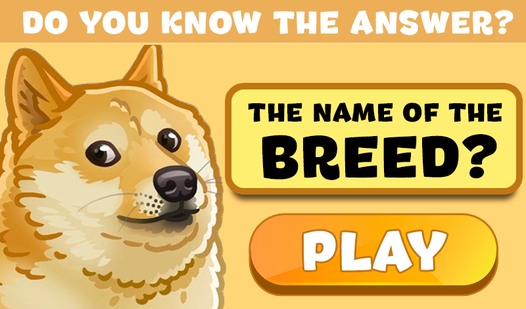
Trivia Quiz: Dog Breeds — Can you tell a Vizsla from a Weimaraner? A Basenji from a Bergamasco? This quiz tests your knowledge of dog breeds through images and descriptions. Dog lovers will adore it; everyone else will come away knowing dramatically more about dogs than they did before.
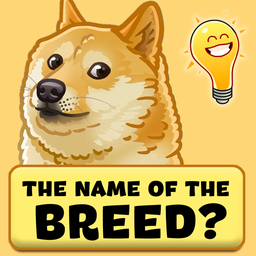
Trivia Quiz: Dog Breeds
Dog breeds boast incredible variety, making them the perfect subject for an engaging brain training session. Trivia Quiz: Dog Breeds challenges your c...
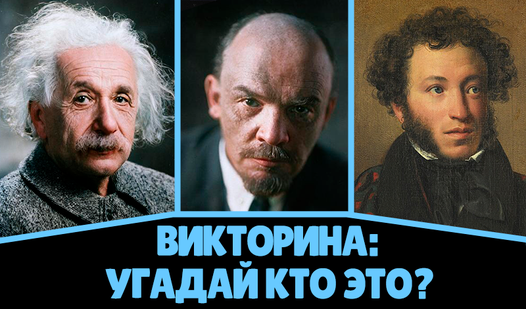
▶ Play FreeQuiz: Guess Who It Is? — A celebrity and personality recognition game where you identify famous people from photos or clues. Great for pop culture fans and anyone who considers themselves good with faces. The range of personalities covered is broad enough to challenge even dedicated fans of celebrity culture.

Quiz: Guess Who It Is?
History is written by extraordinary figures who changed the world with their ideas and art. Quiz: Guess Who It Is? puts your general knowledge to the ...
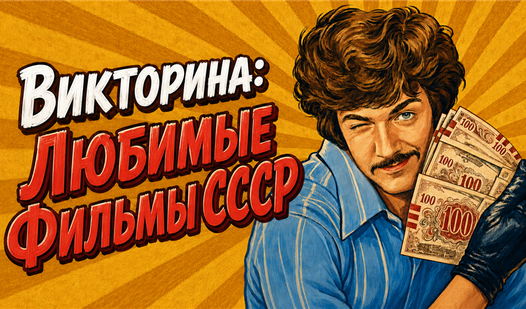
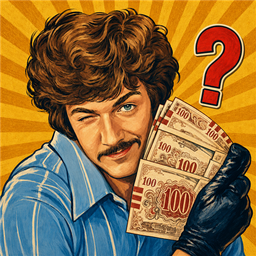
▶ Play FreeQuiz: Favorite Films of the USSR — A niche but fascinating quiz covering Soviet cinema. If you're interested in film history, Eastern European culture, or just want something completely different from the usual pop culture trivia, this is an unexpected gem. The films covered are genuinely great, and the quiz might send you looking for titles to watch.
Quiz: Favorite Films of the USSR
Staring at the clock waiting for your shift to end or just bored mid-commute often feels like a drag. Quiz: Favorite Films of the USSR is the perfect ...
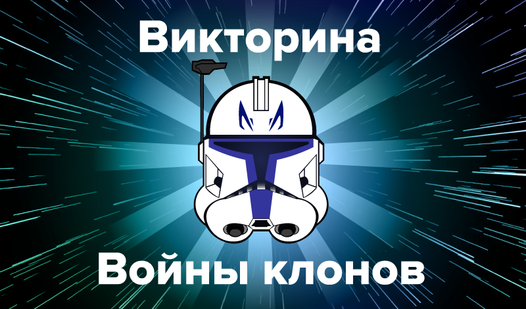
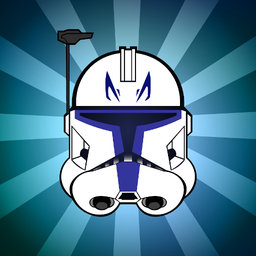
▶ Play FreeQuiz: The Clone Wars — A deep-cut quiz on the Star Wars: The Clone Wars animated series. If you know your Ahsoka Tano from your Asajj Ventress and can name the major battles of the Clone Wars, you're ready for this one. A must for animated Star Wars fans.
Quiz: The Clone Wars
Star Wars trivia holds a special place in the hearts of sci-fi fans who dream of wielding a lightsaber. Quiz: The Clone Wars puts your knowledge of ga...
▶ Play FreeTips for Actually Getting Better
You don't need to be a walking encyclopedia to enjoy quiz games — but if you want to improve your scores over time, a few habits make a real difference.
Play across different topics, not just your comfort zone. The worst habit quiz players develop is sticking to categories they already dominate. You might rack up high scores, but you won't actually be getting better. Regularly challenging yourself on unfamiliar subjects is where real improvement happens. It feels harder because it is — and that's the point.
Review wrong answers actively. Most quiz games show you the correct answer when you get something wrong. Don't click past it. Read the answer, think for a second about why it's correct, and let that register. Players who pause on wrong answers learn dramatically faster than those who skip through them. Three seconds of genuine attention is worth more than ten questions you already knew.
Use easier difficulty settings as a foundation. If you're starting with a topic you know almost nothing about, easier questions help you build baseline familiarity before the real challenge begins. There's nothing wrong with starting easy — the point is to learn, not to prove something to yourself in session one.
Play with other people when you can. Discussing quiz questions — arguing about answers, laughing at wrong guesses, explaining why something is correct — is one of the best ways to retain information. The social context creates stronger memories than solo play. Even just having someone watch over your shoulder changes how engaged you are.
Track your weak categories. If you notice you consistently miss science questions or always stumble on geography, that's information. Make it a project to improve specifically in that area. Focused improvement in one weak category does more for your overall quiz performance than marginal gains in areas you're already strong.
Why Quiz Games Are Actually Good for You
This isn't just entertainment — there's real cognitive benefit to regular quiz gaming. The psychological mechanism is called retrieval practice: actively recalling information from memory is one of the most effective ways to strengthen long-term retention. Reading about a topic once is much weaker than being tested on it and having to pull the answer from memory.
When you play a quiz game and answer a question correctly, you're reinforcing that knowledge in long-term memory. When you get something wrong and see the right answer, you're creating a particularly strong memory trace around the correction — you're more likely to remember that fact later precisely because it surprised you. Errors, handled correctly, are learning accelerators.
Quiz games also build mental flexibility. Moving between different topics quickly — history, then science, then pop culture — keeps your brain actively engaged and prevents the passive, autopilot state that other entertainment tends to encourage. You can't zone out during a quiz.
For players of any age, the combination of challenge, feedback, and variety that quiz games offer makes them one of the more genuinely enriching ways to spend screen time. You finish a session knowing things you didn't know before. That's a rare claim for any form of digital entertainment.