What Are Match 3 Games: A Complete Beginner's Guide
If you've ever asked yourself что такое Match 3 игры — you've landed exactly where you need to be. Match 3 games are one of the most popular puzzle genres on the planet, playable by anyone from age five to eighty-five, requiring zero prior gaming experience and rewarding players who stick around with surprising depth. This guide breaks down everything: what they are, how they work, where they came from, and which ones to play first.
What Are Match 3 Games?
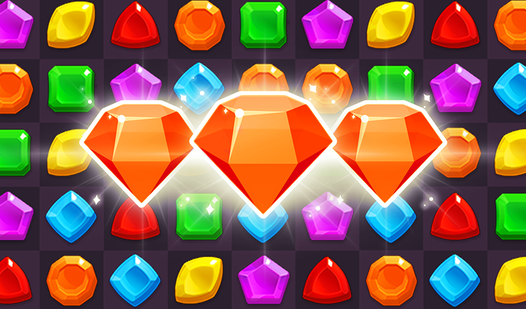
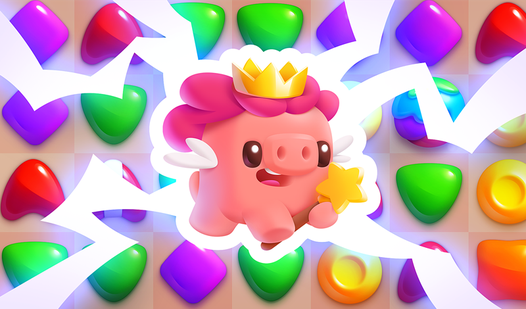
At the heart of every Match 3 game is one simple rule: line up three or more identical pieces and they disappear. Those pieces can be gems, candies, coins, animals, tiles — virtually anything visually distinct. When they vanish, new pieces fall down from above, filling the gaps, and sometimes triggering chain reactions that clear entire sections of the board in one spectacular cascade.
The basic gameplay loop works like this:
- Swap two adjacent tiles to create a row or column of three or more matching pieces
- Match larger groups (four or five in a row) to generate powerful special tiles
- Chain combos — one match triggers another, which triggers another, racking up massive point multipliers
- Complete level objectives — different levels ask different things: clear a certain number of gems, reach a score threshold, free trapped animals, fill containers, destroy blockers
That's fundamentally it. You can learn the rules in under a minute. But mastering the genre — reading boards quickly, spotting hidden combos, using power-ups at the right moment — takes real skill. This contrast between easy entry and deep mastery is what makes the genre so durable.
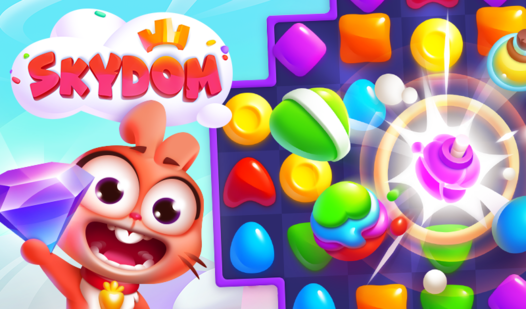
Skydom - Match 3
Feeling bored and need a quick mental escape? Skydom - Match 3 is here to whisk you away to vibrant sky kingdoms packed with enchanting challenges! Fo...
▶ Play FreeThe reason что такое Match 3 игры is such a common question is that the genre has fragmented into dozens of sub-types, each with different twists on the core formula. By the end of this article, you'll know exactly which type suits you.
A Brief History of the Genre
Match 3 didn't appear fully formed. The genre evolved through several distinct eras, each one expanding what was possible.
The Roots (1980s–1990s)
Tetris (1984) planted early seeds. While not a match-3 game, it established that manipulating falling shapes in a grid could become profoundly addictive. The real match-3 ancestor, though, was Shariki — a Russian puzzle game from 1994 where players swapped colored balls in a grid. Shariki was never commercially famous outside Russia, but its mechanics quietly influenced every developer who encountered it.
Chain Shot! (1985) and similar games demonstrated that removing clusters of identical pieces could power a complete game. By the late 1990s, the pieces were all in place — someone just needed to assemble them properly.
Bejeweled and the Casual Revolution (2000s)
PopCap Games released Bejeweled in 2001, and the genre exploded. Bejeweled was polished, beautiful, and brilliantly accessible. It ran on any PC, required no controller, and provided instant gratification. Tens of millions of copies sold. Sequels followed. Competitors emerged. The "match gems to score points" format became a genre staple virtually overnight.
Then came mobile. When touchscreens put a direct-manipulation interface in everyone's pocket, match-3 games became the dominant mobile genre. Candy Crush Saga (2012) became a cultural moment — at peak popularity it had over 93 million daily players. The formula hadn't fundamentally changed from Bejeweled, but social features, level progression, and the free-to-play model made it unstoppable.
The Mystery of Jewels: Adventure - Match 3
Matching shimmering crystals is the ultimate way to sharpen your brain and satisfy the urge for rapid-fire puzzle action. The Mystery of Jewels: Adven...
▶ Play FreeThe Modern Era
Today, match-3 is everywhere. The genre has merged with RPGs, city-builders, competitive multiplayer, and mystery narratives. Developers use match-3 mechanics as combat engines, resource-gathering systems, and progression gates. The core loop has proven so flexible that it gets embedded into games you wouldn't initially call "match-3" at all.
Popular Match 3 Sub-genres
Understanding the different types of match-3 games helps you find the one that fits your style.
Classic Match 3
The purest form. A grid of colorful pieces, a score target, and either a timer or a move limit. No story, no extra mechanics — just you, the board, and the objective. These games are great for short sessions and work perfectly for stress relief. They're the starting point for anyone new to the genre.
Adventure Match 3
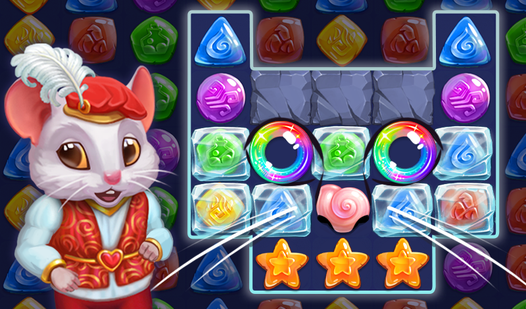
Story and puzzle merged into one experience. You progress through a narrative — exploring ancient ruins, solving family mysteries, restoring a broken home — while match-3 levels drive the gameplay. The adventure context gives each level purpose beyond the score. The Mystery of Jewels series is a textbook example: every gem you match uncovers clues and moves the story forward.
Competitive / PvP Match 3
Real opponents instead of scripted levels. Your matches affect your opponent's board directly; their moves affect yours. Every decision carries real stakes. Chain reactions aren't just satisfying — they're strategic weapons. PvP match-3 rewards players who can read boards quickly and execute combos under pressure.
Match Arena
Competitive puzzle gaming changes forever when you replace static boards with live human opponents. Match Arena takes the classic puzzle loop and tran...
▶ Play FreeHybrid Match 3 + Strategy / Building
These games use match-3 as one layer within a larger system. You might gather resources through match-3 combat, then use those resources to build a city, upgrade heroes, or expand a kingdom. Strongblade is a strong example: the match-3 engine drives combat while a separate building layer gives you long-term goals.
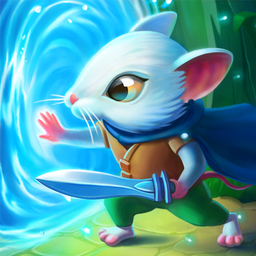
Strongblade Match 3 Adventure!
Matching three colorful items is the perfect way to sharpen your mind while embarking on a grand quest through a whimsical forest. Strongblade Match 3...
▶ Play FreeFantasy / Magic Match 3
An aesthetic category more than a mechanical one. These games dress the match-3 formula in magical settings — enchanted forests, wizard academies, mythical creatures. The theme often integrates with mechanics: fire gems might deal extra damage, ice tiles might freeze sections of the board. The fantasy setting adds immersion to what would otherwise be an abstract puzzle experience.
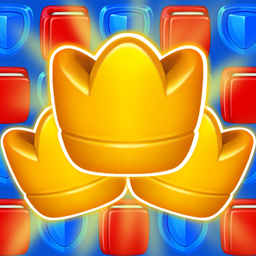
Magic Match 3
Swap colorful gems to align identical shapes and trigger explosive combos in Magic Match 3. Each successful match 3 sequence clears the board and brin...
▶ Play FreeWhy Match 3 Games Are So Addictive
Game designers have studied match-3 psychology carefully. Several well-understood mechanisms keep players coming back:
Variable reward loops. You never quite know when a perfect cascade will materialize. That unpredictability — the possibility that the next move triggers a chain clearing half the board — keeps your brain engaged. Skilled play influences outcomes, but randomness keeps sessions feeling fresh.
Clear, constant progression. Match-3 games are masters of the "just one more level" effect. There's always a star to improve, a new mechanic to see, a blocker type you haven't encountered. Every session leaves you at the edge of the next small milestone.
Low commitment per session. A match-3 level can take two minutes or twenty. You're always aware that stopping is easy — which paradoxically makes it easier to start one more level.
Satisfying micro-feedback. The sound of tiles clicking, the visual pop of a combo, the screen-clearing flash of a power-up — these are all carefully engineered to deliver small, reliable dopamine hits. This isn't accident; it's the product of extensive design work.
Accessible rules, real depth. New players feel competent immediately, which lowers the anxiety barrier. Advanced players discover genuine strategic depth — board reading, power-up sequencing, combo setups — which provides long-term satisfaction.
Best Match 3 Games to Start With
Here are the top picks on FreeJoy.games for players who are new to the genre. All of them are free to play in your browser, no account required.
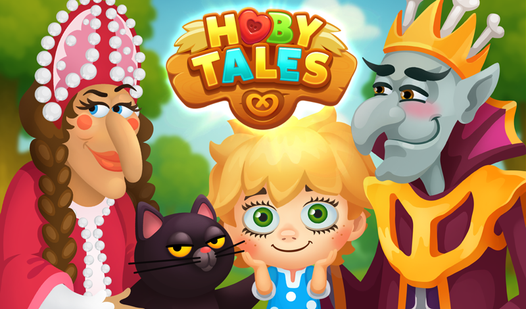
Hoby Tales
Hoby Tales wraps match-3 gameplay in a warm, story-driven experience with characters you'll actually care about. The narrative gives each session meaning beyond the score, making it ideal for players who like puzzles that go somewhere. The difficulty curve is gentle and the art style is genuinely charming.
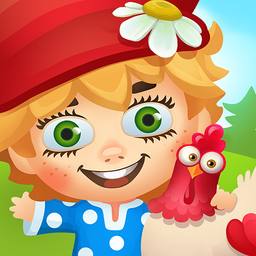
Hoby Tales
Stuck in a meeting that's dragging on, or just need a quick mental escape during a busy day? Hoby Tales is your perfect antidote for those moments whe...
▶ Play FreeOceanscapes — Secrets of the Lost Treasures
An ocean-themed adventure where matching pieces reveals hidden treasures beneath the waves. Oceanscapes balances beautiful visuals with satisfying puzzle mechanics and a sense of exploration. Each level feels like it's uncovering something real rather than just clearing a board. Great for players who respond to atmosphere as much as gameplay.
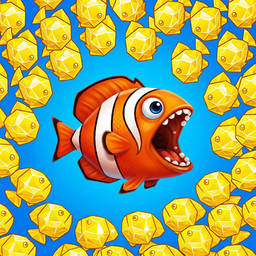
Oceanscapes - Secrets of the Lost Treasures
Swap shimmering underwater tiles to create explosive combinations and clear your path through mysterious ocean depths. Oceanscapes - Secrets of the Lo...
▶ Play FreeCradle of Empires
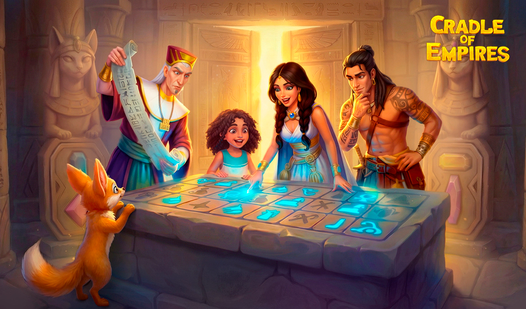
For players who want match-3 with strategic weight. Cradle of Empires layers an empire-building system on top of the core puzzle gameplay — you match tiles to gather resources, then use those resources to construct and upgrade an ancient civilization. This one has legs: the building layer gives you long-term goals that extend well past any individual level.

Cradle of Empires
Strategy enthusiasts and puzzle lovers will find themselves completely captivated by the ancient mysteries hidden within Cradle of Empires. This immer...
▶ Play FreeMahjong Solitaire For Free
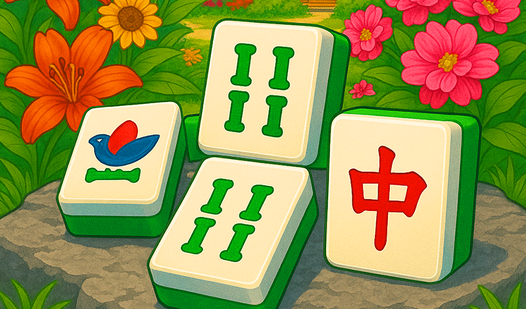
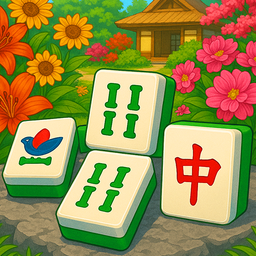
Closely related to match-3 in spirit: you identify and tap pairs of identical tiles to clear a stacked layout. Mahjong Solitaire is slower and more strategic than traditional match-3, making it perfect for players who prefer thinking over reflexes. The classic tile designs and meditative pace offer a genuinely different mood.
Mahjong Solitaire For Free
Match pairs of identical tiles to clear the board in this relaxing brain teaser. Your main objective is to identify free pieces and remove them from t...
▶ Play FreeJelly Merge: Upgrade & Sell
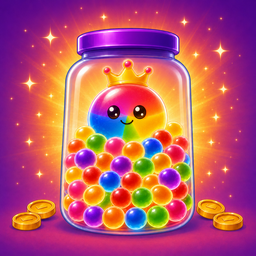
A fresh take on the matching formula. You merge identical jellies to upgrade them, then sell upgraded jellies for profit. The merge-and-upgrade loop adds an optimization layer on top of the matching satisfaction — ideal for players who enjoy min-maxing systems and watching numbers grow. It plays more like an idle game in some respects, which gives it a distinct rhythm compared to traditional match-3.
Jelly Merge: Upgrade & Sell
Fans of satisfying merge games and casual clicker titles will find their new obsession in Jelly Merge: Upgrade & Sell. This addictive experience tasks...
▶ Play FreeEssential Tips for New Players
A few habits separate beginners from intermediate players. None of these require natural talent — they're just things experienced players have figured out:
Work from the bottom of the board. When you match pieces near the bottom, new pieces falling from above can trigger chain reactions. Bottom matches have higher cascade potential than top matches.
Chase power-up tiles. Most match-3 games reward matching four or five in a row with special tiles — bombs, rockets, color-clearers. These pieces are significantly more powerful than basic matches. Learn what arrangement produces what power-up, and set up those arrangements deliberately.
Read the objective before touching anything. Every level has a specific goal. Some require you to clear a certain tile type; others want you to collect items or break blockers. Knowing the goal before you start changes which moves you prioritize.
Combine power-ups. The biggest secret in most match-3 games: combining two power-up tiles creates effects dramatically stronger than either one alone. A rocket combined with a bomb often clears the entire board. Experiment with every combination available.
In move-limited levels, move purposefully. Don't fill quiet moments by making any available match. Bad matches waste moves. If no move is advancing your objective, look for a move that sets up a better future play.
Take a break on difficult levels. After failing the same level repeatedly, your brain falls into pattern-repetition. A genuine pause — even just a few minutes — lets you return with fresh pattern recognition. Most "impossible" levels crack open on the first attempt after a break.
Match 3 Online: Playing Without Downloading Anything
All the games in this guide are playable directly in your browser on FreeJoy.games. No installation, no account creation, no waiting. This format has become the preferred way to play match-3 for millions of people:
- Instant access — the game loads in seconds, playable on any device
- Cross-platform — the same game works on desktop, phone, and tablet
- No storage required — nothing installs on your device
- Free core experience — you can play for hours without spending anything
Match 3 онлайн (online match-3) suits the genre perfectly. Sessions are naturally short, the games are light on data, and browser controls work naturally with touch input. If you have five minutes and a browser, you can get a full match-3 session in.
Matching to Your Mood
One underrated aspect of the genre is how well different match-3 types map to different mental states.
Stressed and need to switch off? Classic match-3 with cheerful visuals and no story pressure. Just clear tiles and let your brain rest.
Bored and want engagement? PvP match-3 against real opponents keeps every session unpredictable. No two boards play the same way.
In a story mood? Adventure match-3 with a proper narrative. Some of these games have hundreds of levels and storylines that genuinely develop over time.
Want to feel productive? Hybrid games with building or strategy layers give you visible progress outside of puzzle clearing. Your civilization grows; your kingdom expands; your hero levels up.
The genre's core appeal is this flexibility. On any given day, there's a match-3 game calibrated exactly to what you're looking for.