What Are Casual Games: A Complete Guide for Beginners
Have you ever spent ten minutes tapping through a colorful puzzle while waiting for coffee? Or found yourself matching tiles at midnight "just one more level"? That's casual gaming doing its thing. What are casual games is one of the most common questions from people who've just discovered this world — and the answer is both simple and surprisingly rich.
This guide covers everything you need to know: the definition, the history, the popular subgenres, and a handpicked selection of games you can start playing right now on any browser.
What Are Casual Games, Exactly?
Casual games are video games designed to be accessible, low-commitment, and fun for virtually anyone — regardless of gaming background. The term sounds simple, but it carries a specific set of design principles that separate this genre from everything else in gaming.
The defining characteristics of a casual game:
- Simple controls — one tap, a swipe, or a mouse click is usually enough to play
- Short sessions — satisfying in two minutes, still engaging after two hours
- Minimal learning curve — rules are explained in seconds, mastery comes naturally over time
- No penalty for stopping — quit any time without losing meaningful progress
- Free-to-play friendly — most casual games are fully playable at zero cost
- No required context — you don't need to know gaming history or references to enjoy them
The genre sits at the opposite end of the spectrum from "hardcore" gaming, which demands hours of investment, complex mechanics, dedicated hardware, and often prior genre knowledge. That contrast doesn't make casual games lesser — it makes them more versatile. A retired teacher and a competitive esports player can both pick up a sorting puzzle and get equal satisfaction from it.
If you've ever asked what are casual games in the context of online play specifically, the answer is: they're the games that most people actually play most of the time. Mobile gaming runs almost entirely on casual titles. Browser-based gaming is dominated by them. Casual is not a niche — it's the mainstream.
The word "casual" itself sometimes carries an unfair stigma, implying something lightweight or disposable. But the best casual games are the result of sophisticated design work: creating something fun in the first ten seconds, still engaging after a hundred sessions, and accessible across a huge range of ages and backgrounds is genuinely difficult. The simplicity is intentional craftsmanship, not laziness.
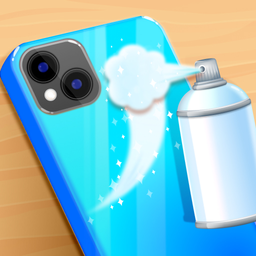
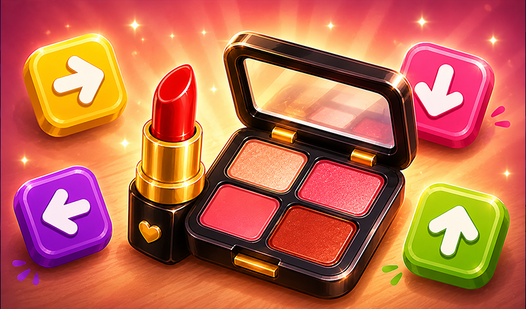
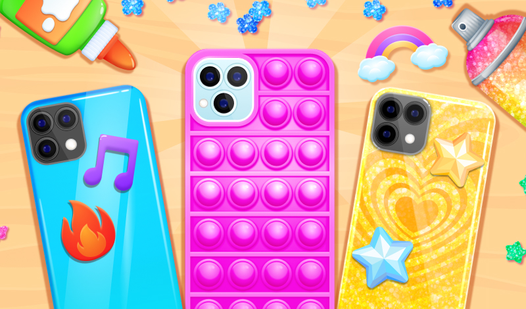
Phone Case Coloring & Design - Casual DIY Game
Creative souls who love expressing their unique aesthetic will find Phone Case Coloring & Design - Casual DIY Game the ultimate digital canvas. You st...
▶ Play FreeA Short History of the Casual Game Genre
Casual games didn't appear from nowhere. Their roots go back to the early days of home computing, but they exploded into mainstream culture through a series of technological and cultural shifts.
The Early Seeds (1970s–1990s)
The foundations were laid with simple arcade games — Pac-Man, Tetris, Pong, and the humble Minesweeper. Tetris, released in 1984, is arguably the first truly "casual" game in the modern sense: anyone could pick it up within seconds, sessions lasted exactly as long as you wanted, and the gameplay loop was pure, uncomplicated fun.
Microsoft Solitaire, bundled quietly with Windows 3.0 in 1990, did something remarkable: it introduced tens of millions of office workers to casual gaming without them realizing it. People weren't "playing games" — they were just clicking cards. That framing mattered. Casual gaming found its first mass audience among people who never identified as gamers.
The success of these early titles established a blueprint that still works today: one core mechanic, instant feedback, satisfying progression, no story prerequisites.
The Flash Era (2000–2010)
The rise of browser-based Flash games was the genre's first explosive moment. Websites like Miniclip, Addicting Games, Newgrounds, and Kongregate served hundreds of millions of players who had never considered themselves gamers. These were lunch-break games, waiting-room games, after-school games.
This era produced many of the subgenres that still define casual gaming today: tower defense, physics puzzlers, time management simulators, and point-and-click adventures. The constraints of Flash technology (limited memory, simple input) forced designers into minimalist approaches — which turned out to be exactly what casual audiences wanted.

Cat Cafe: Feed Cute Kittens
Serve delicious snacks to hungry kittens and watch them purr with delight in this charming management simulator. You start by managing a small corner ...
▶ Play FreeThe Mobile Revolution (2010–Present)
The smartphone changed everything. With a touch screen in every pocket, games like Angry Birds, Candy Crush Saga, Clash of Clans, and Subway Surfers reached billions of players in ways no previous medium had managed. The casual game market became one of the largest entertainment industries on Earth.
Mobile also introduced new design patterns: daily challenges, streak mechanics, social leaderboards, and energy systems. Some of these additions were criticized (energy systems in particular), but they also drove engagement patterns that kept players returning consistently over months rather than days.
Today, casual games live on mobile phones, browsers, social platforms, and dedicated gaming sites. The best modern casual titles combine the accessibility of classic design with contemporary visuals, satisfying audio feedback, and progression systems that reward long-term play without demanding it.
Popular Subgenres of Casual Games
The casual genre is broad enough to contain dozens of distinct subgenres. Here are the ones that matter most for anyone getting started.
Puzzle Games
The backbone of casual gaming. Match-3, sorting puzzles, block-clearing, hidden objects, word games — puzzle mechanics feel intuitive because they tap into natural human pattern recognition. The satisfaction of solving a level is immediate and universal. Puzzle games are the safest starting point for almost anyone.
What makes puzzle games work in a casual format is their scalability: early levels provide comfort, middle levels provide challenge, later levels provide genuine mental exercise — all without changing the core rules.
Idle and Clicker Games
You click (or tap) something, numbers increase, upgrades unlock, and before long you've built an empire while barely watching the screen. Idle games are built around the satisfaction of passive progress. The core loop is simple: resources accumulate, you spend them on upgrades, the accumulation rate increases, repeat.
The appeal is partly psychological: the sense of a system running on your behalf, growing while you're away, is deeply satisfying to many players. Idle games also layer in genuine strategic decisions about upgrade priority, making them more thoughtful than they first appear.
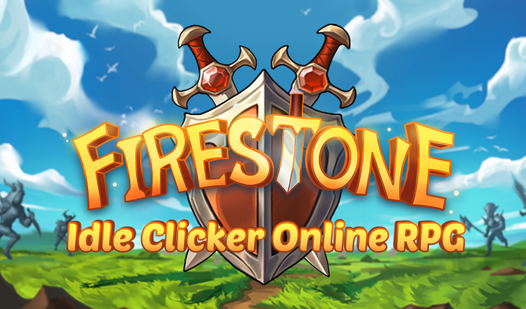
Firestone - Idle Clicker Online RPG
Your heroes battle automatically in Firestone - Idle Clicker Online RPG, even when you're offline! It’s a fantastic idle RPG where you assemble a powe...
▶ Play FreeHyper-Casual Games
Stripped to the absolute minimum — one mechanic, one button, instant fun. Hyper-casual games are comparable to single-serving snacks: quick, satisfying, and easy to put down. They dominated mobile gaming from roughly 2017 to 2023 and remain hugely popular for pure pick-up-and-play moments.
The design constraint is extreme: players should understand what to do within the first three seconds, no text required. This forces genuinely creative solutions to communication — animation, color, layout all do the work that words usually would.
Merge Games
Combine two identical items to create something new. Then merge those. Then merge those. The visual feedback of watching your board evolve from basic elements into complex ones is genuinely compelling, and the mechanic creates natural pacing — you're always one step away from something new.
Merge games often sit at the intersection of puzzle and simulation, creating a thoughtful but low-pressure experience.

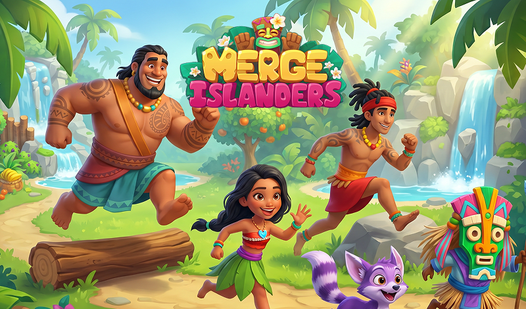
Merge Islanders
Fans of logic games and brain challenges will find their new obsession in this sunny tropical escape. Merge Islanders brings you to the beautiful isla...
▶ Play FreeHidden Object Games
Search a detailed scene for specific items within a time limit or at your own pace. Hidden object games are relaxing, visually rich, and great for players who prefer careful observation over quick reflexes. They often carry light story elements that give each level a sense of purpose and narrative weight.

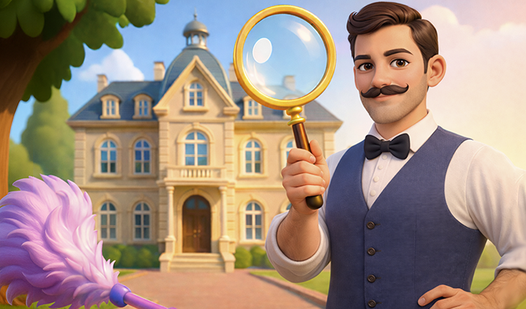
Hidden Object: My Hotel
Fans of mystery and renovation will fall in love with Hidden Object: My Hotel instantly. This captivating hidden object adventure tasks you with resto...
▶ Play FreeSorting and Logic Puzzles
Sort colored objects, arrange sequences, fill containers correctly. These games scratch a specific organizational itch that many players don't know they have until they start. The satisfaction comes from order emerging from chaos — the completed state feels genuinely satisfying in a way that's hard to explain until you've experienced it.

Sort Water Now
Logic enthusiasts will find endless satisfaction in Sort Water Now as they methodically arrange vibrant liquids into their matching containers. This e...
▶ Play FreeThe Psychology Behind Casual Game Engagement
Understanding why casual games feel good is part of understanding what they are. Several psychological mechanisms work together to create the experience.
Completion satisfaction. Human brains respond to finishing things. A level completed, a row cleared, a puzzle solved — each triggers a small but real reward response. Casual games are structured around these micro-completions, delivering satisfaction dozens of times per session.
Low-stakes exploration. Because failure consequences are minimal, players feel safe experimenting. This freedom to try things without fear is itself enjoyable and rarely available in daily life.
Visible progress. Stars collected, levels unlocked, meters filling — casual games make progress legible in a way that life rarely does. This visibility reinforces continued play because the system clearly shows that effort is being rewarded.
Rhythm and flow. Well-designed casual games establish a satisfying rhythm: action, response, action, response. Once this rhythm is established, it's self-sustaining. Players enter a mild flow state where attention is fully absorbed but strain is absent.
These mechanisms aren't tricks — they're applications of what humans find genuinely satisfying. The best casual games use them honestly, providing real enjoyment rather than manufactured dependency.
Best Casual Games for Beginners Right Now
Here are specific games that work especially well for players new to the casual genre or returning after time away.
Creative and Relaxing: Phone Case Coloring & Design
For anyone who enjoys making things, this is an ideal starting point. You design phone cases using colors, patterns, and decorations — no time pressure, no fail state, no score. It's a creative sandbox structured like a game. The relaxing audio and smooth controls make it a particularly good choice if competitive games have ever felt stressful.
Cozy Management: Cat Cafe: Feed Cute Kittens
Running a small cat cafe is the exact experience this game provides. You serve customers, keep the kittens content, and gradually grow the space. The pacing is gentle, the visual design is warm, and there's always one small satisfying task to accomplish. It's the kind of game people return to daily without it ever feeling like an obligation.
Revealing Puzzles: Tap Gallery
Clear blocks to uncover a beautiful image hidden underneath. The mechanic is simple — tap groups of same-colored blocks to remove them — but the reward of revealing the final image gives each level genuine purpose. The puzzles become more strategic over time without losing the accessible feel that makes it easy to start.
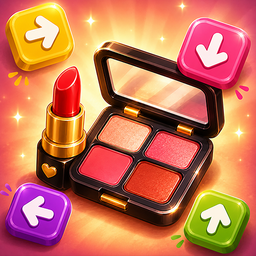
Tap Gallery
Clear your mind by tapping away colorful tiles to reveal hidden masterpieces in this addictive puzzle experience. Precision matters as you strategical...
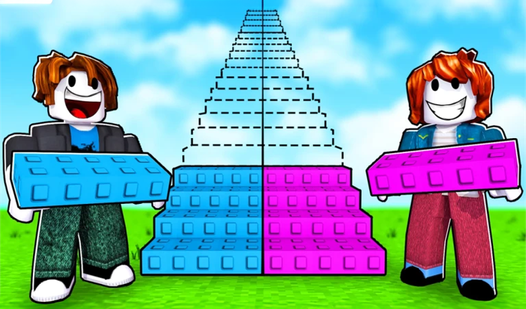
▶ Play FreeMovement and Momentum: Obby: 1 Step = $1
Each step builds a staircase and earns virtual money. The game turns simple movement into a loop of progress and reward that's surprisingly compelling. The concept clicks the moment you start playing, and sessions tend to run longer than planned because each step creates visible, satisfying change.
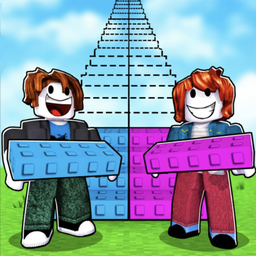
Obby: 1 Step = $1
Every single step you take in this addictive arcade experience literally turns into cold hard cash. Obby: 1 Step = $1 hooks you instantly because it t...
▶ Play FreePhysics Satisfaction: Will it Crush?
Drop objects, watch physics happen, collect rewards. Will it Crush? is exactly as straightforward as it sounds, and the physics simulation makes each drop feel genuinely satisfying. The variety of objects and mechanisms keeps things fresh across many sessions. It's a strong example of hyper-casual design at its best — zero complexity, maximum enjoyment.
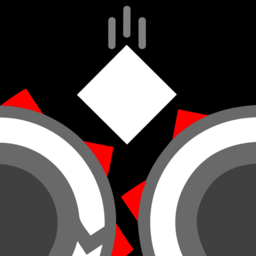
Will it Crush?
Watching heavy industrial machinery turn solid objects into dust provides a weirdly satisfying sense of peace that few other experiences can match. Wi...
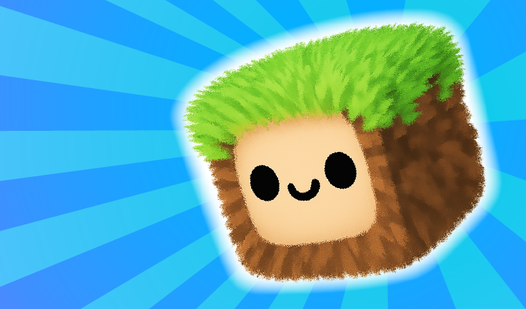
▶ Play FreeTactile Relaxation: Happy Fluffy Cubes
Squeeze colorful cubes, watch them compress, collect the results. Happy Fluffy Cubes taps into the same psychological response as fidget toys — the satisfying feeling of pressure and release. The visual design is genuinely appealing, and the gameplay functions almost as an interactive stress reliever. Good for moments when you need to decompress rather than focus.
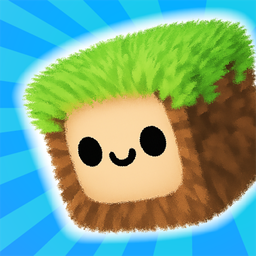
Happy Fluffy Cubes
Navigate through dangerous obstacle courses as an adorable blocky creature in Happy Fluffy Cubes. You must keep your finger pressed down to steer your...
▶ Play FreePractical Tips for Getting Started
If you're new to casual gaming and want to find what works for you, these practical observations will save time.
Follow visual interest first. A game's aesthetic tells you a great deal about its feel before you've played a single second. Bright, saturated cartoon visuals signal a lighter and more forgiving experience. More subdued or detailed visuals often indicate strategic depth. Go with what attracts you visually — it usually correlates with the experience you'll enjoy.
Don't skip the tutorial. Even games that look obvious have specific mechanics worth understanding from the start. A thirty-second tutorial prevents five minutes of playing a game incorrectly and enjoying it less for it.
Give games a fair amount of time before deciding. Most casual games use early levels as warm-ups. The first level is almost never the best level. Give games at least three to five minutes before making a judgment.
Explore multiple subgenres. If match-3 puzzles don't click for you, try an idle game. If idle games feel too passive, try a sorting puzzle or a physics game. The range within casual gaming is enormous, and your personal sweet spot is worth searching for.
Match platform to habit. Browser games suit desktop play during breaks. Mobile apps fit commutes and waiting rooms. Playing on the platform that matches your actual daily habits makes casual gaming feel natural rather than like a special activity.
Where to Find More Casual Games
FreeJoy.games maintains a large catalog of casual games organized by subgenre, making it practical to browse based on what you're actually looking for. All games are playable directly in the browser — no account required, no installation. If puzzle games are calling, you can go straight to the puzzle section. If you want to experiment with idle progression, there's a section for that too.
The games featured in this guide represent a solid starting lineup, but the best casual game for any given moment is the one that matches your current mood and available time. Casual gaming's greatest strength is exactly that flexibility.