Tower Defense Games Online Free Unblocked
Tower defense games online free unblocked — that's the magic phrase students, office workers, and casual gamers type in whenever they want a quick strategy fix without installing anything or hitting a firewall wall. The genre is brilliantly simple on the surface: place towers, stop waves of enemies, upgrade your defenses, survive. But underneath that simple loop hides some of the deepest strategic thinking in all of casual gaming. You're managing resources, reading enemy pathing, making split-second upgrade calls, and planning five waves ahead all at the same time.
The best part? You don't need a powerful PC, a gaming console, or even a fast internet connection. These games run in your browser, load in seconds, and are completely free. This guide covers the best picks across different styles — from chaotic brainrot fun to methodical roguelikes — along with some strategy tips to help you stop losing on wave 12.
Best Tower Defense Games You Can Play Unblocked
This section is where you want to start. These games are the most-played, most-recommended tower defense titles that run smoothly in any browser without needing a VPN or special access. Whether the school WiFi is strict or the work firewall is aggressive, these load fast and play even faster.
Obby: Brainrot Tower Defense
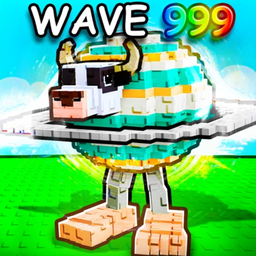
If you've spent any time in Roblox-adjacent gaming culture, you already know what "brainrot" means — chaotic, meme-heavy, deliberately overwhelming. Obby: Brainrot Tower Defense leans into that aesthetic hard while keeping the actual tower defense mechanics surprisingly solid. You place and upgrade towers along a path, with each wave getting progressively more absurd. The key here is tower placement — before you do anything else, scout the full path and identify the spots where enemies will slow down or curve. Those corners are where your damage-per-second towers should go. The meme visuals are just window dressing; under the hood this is a proper TD game that will punish sloppy strategy.
Obby: Brainrot Tower Defense
Fans of strategic challenges will find endless excitement in Obby: Brainrot Tower Defense as they defend their base against relentless waves. This int...
▶ Play FreeMine - Base Defenses
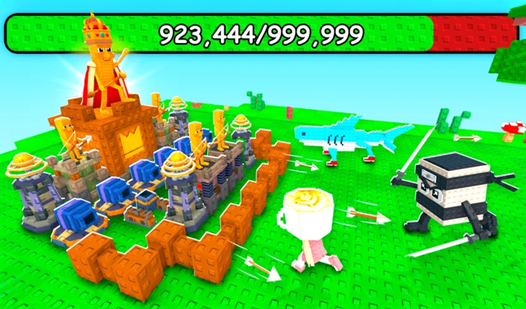
Mine - Base Defenses is one of the more unique picks in this list because it doesn't just ask you to place towers and wait. You're also managing resource extraction. Your base needs to defend itself while simultaneously generating the economy that funds better defenses. It's a loop that feels much closer to an RTS than a traditional TD game, which makes it stand out immediately. You need to prioritize: do you invest in more mining operations to accelerate your economy, or do you reinforce the perimeter because enemies are already testing your walls? Getting that balance right is what separates players who make it to the late game from those who get overrun in the middle waves.

Mine - base defenses
Fans of strategic survival and block-based building will find their new obsession in Mine - base defenses. This immersive experience challenges you to...
▶ Play FreeThe Crystal: Roguelike Tower Defense
The Crystal takes the tower defense formula and injects it with roguelike DNA — and the result is genuinely addictive. Every run feels different because the customization system is flexible enough to support wildly different build strategies. You might go full single-target burst damage one run and area-of-effect slow towers the next. Neither approach is strictly correct, which is what keeps you coming back. The roguelike structure means death isn't a frustrating game-over screen — it's a chance to try a completely different approach. If you've been bored by TD games that feel the same every time, this one solves that problem.

The Crystal: Roguelike Tower Defense
Staring at a blank screen during your lunch break is a classic sign that you need a quick gaming fix to reset your brain. The Crystal: Roguelike Tower...
▶ Play FreeClassic TD Games Available in Browser
Tower defense as a genre has been around for decades, and some of the best designs are the older, more traditional ones. These games don't need flashy graphics or complex mechanics to be compelling — they work because the core gameplay is just that good. All of these run in-browser without any issues.
Endless Siege — Tower Defense
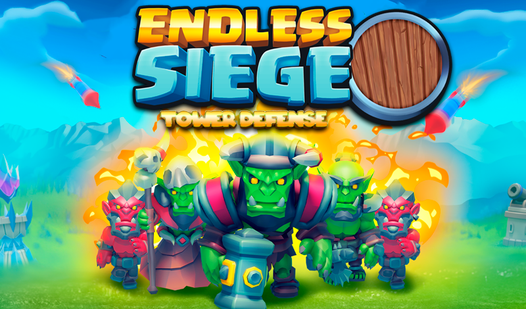
The name tells you exactly what you're signing up for: endless waves, no final boss, no victory screen. Just how long can you hold the line? Endless Siege is built around the classic TD formula — strategic tower placement, resource management between waves, and a gradually escalating difficulty that eventually becomes merciless. What makes it work is the "one more wave" feeling. You keep telling yourself you'll stop after this round, and then the next wave comes and you need to see if your newly upgraded turrets can handle it.
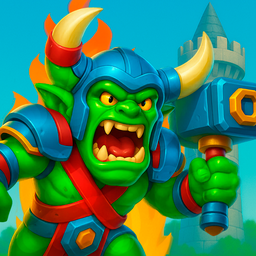
Endless Siege "Tower Defense"
Strategy fans who crave intense action will find their new obsession in Endless Siege Tower Defense. This addictive experience challenges you to defen...
▶ Play FreeZombie Parade Defense 5
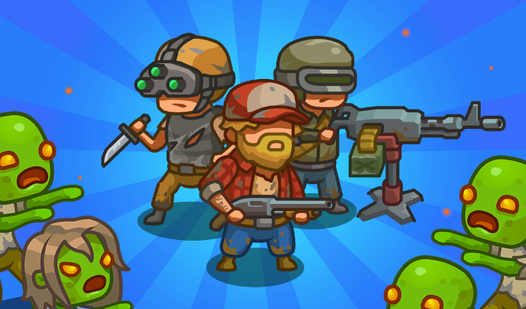
Zombies and tower defense are a natural match — slow-moving but overwhelming in numbers, with occasional faster variants that punish complacency. Zombie Parade Defense 5 is a series entry that knows what it is and executes it well. The visual style is gritty, the zombie variety keeps you on your toes, and the upgrade paths give you real decisions to make. Do you go wide (lots of cheap towers spread across the map) or tall (fewer, heavily upgraded towers at chokepoints)? Both strategies work in different situations, which gives the game genuine replayability.

Zombie Parade Defense 5
Surviving a relentless undead apocalypse requires more than just guts, and Zombie Parade Defense 5 puts your strategic skills to the ultimate test. Pr...
▶ Play FreeJanissary Tower
Janissary Tower pulls from historical themes — the Janissaries were elite Ottoman soldiers, and the game channels that military precision into its mechanics. It's more deliberate and methodical than the zombie-chaos entries, asking you to think carefully about troop placement and timing rather than just firepower. If you enjoy strategy games that reward patience and planning over reaction speed, Janissary Tower scratches that itch well. The historical aesthetic is also a nice change of pace from the sci-fi and fantasy themes that dominate the genre.
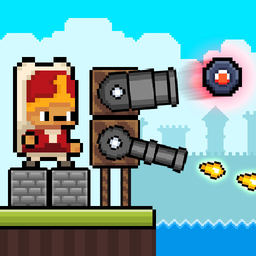
Janissary Tower
Tactical gaming fans will find Janissary Tower an absolute blast for testing their quick reflexes and strategic planning skills. This addictive battle...
▶ Play FreeTower Train: Zombie Defense 2D
Tower Train: Zombie Defense 2D adds a clever twist to the formula — your defenses aren't static. The train mechanic means your setup is mobile, which completely changes how you think about enemy waves and tower positioning. Instead of building a fixed perimeter, you're managing a moving line of defense that needs to cover different threats at different angles. It's disorienting at first but deeply satisfying once it clicks. The 2D presentation keeps things clean and readable even when the screen gets busy.
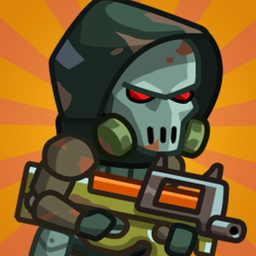
Tower Train: Zombie Defense 2D
Command a high-stakes tactical defense as you fortify your subway station against relentless waves of mutants in Tower Train: Zombie Defense 2D. You w...
▶ Play FreeIron Towers Alliance
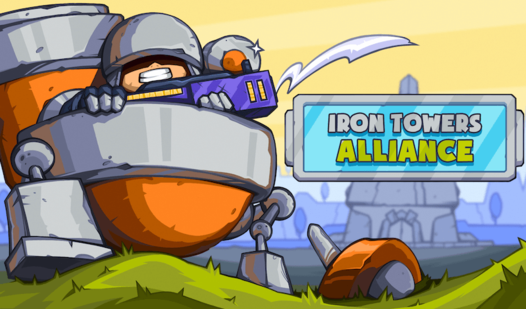
Iron Towers Alliance leans into the cooperative and alliance mechanics — even in single-player, the game has you managing multiple tower factions that each have their own strengths and weaknesses. Mixing tower types effectively is the core skill here. You can't just spam your favorite tower and win; each wave requires you to look at what's coming and respond with the right combination of defenses. Iron Towers Alliance rewards players who take the time to understand what each tower type actually does, not just which one has the highest damage number.
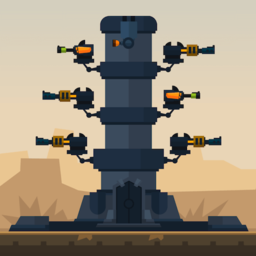
Iron Towers Alliance
Constructing an impenetrable fortress is only the first step in Iron Towers Alliance where your tactical choices determine the fate of your base. You ...
▶ Play FreeStrategy Tips for Tower Defense Beginners
If you're new to the genre or you keep losing at mid-game difficulty, these tips will immediately improve your results. Tower defense looks simple, but there are non-obvious mechanics that separate winning and losing play.
Learn the path first, build second. Before you place a single tower, watch the first wave move through the map. Identify the longest stretches of path, the tightest corners, and the entry/exit points. Towers covering longer sections of path deal more total damage than towers at the edges — this is the single most important positioning principle in the genre.
Splash damage towers at chokepoints, single-target towers everywhere else. Area-of-effect towers (bombs, flames, explosions) shine when enemies are clumped together. Corners and narrow sections create those clusters. Single-target towers are more efficient when enemies are spread out. Matching tower type to enemy density is the kind of micro-optimization that doesn't feel important on wave 5 but absolutely matters on wave 30.
Don't over-invest in early waves. A common beginner mistake is spending everything on wave 1-5 towers and then having no budget when the serious waves arrive. Build just enough to survive early waves comfortably, then save resources for mid-game upgrades. The math almost always favors saving over early spending.
Upgrade before you expand. One level-3 tower usually outperforms three level-1 towers at the same resource cost. Depth beats width in most TD games. Pick your best-positioned towers and upgrade them fully before adding new placements.
Identify the fast enemy before it arrives. Almost every TD game introduces a "runner" enemy type that moves much faster than normal. Watch for wave indicators or enemy preview panels. When a fast wave is coming, make sure you have at least one slow-effect tower or high-rate-of-fire tower in your lineup. Nothing ends a run faster than watching a runner zip past your entire defense grid.
Resource management beats everything. You can have perfect tower placement and still lose if you spend into deficit. Always keep a buffer — at least 20-30% of your max resources — so you can respond to surprises. A surprise elite enemy or an unexpected enemy-type swap can demand emergency spending, and you need that money available.
Tower Defense Games With Upgrades and Progression
Some of the best tower defense games online free unblocked aren't just about surviving waves — they're about building something. Games with robust upgrade systems and progression mechanics give you a reason to keep playing beyond just "don't let enemies reach the end."
Pumpkin Defense: Merge Cannon
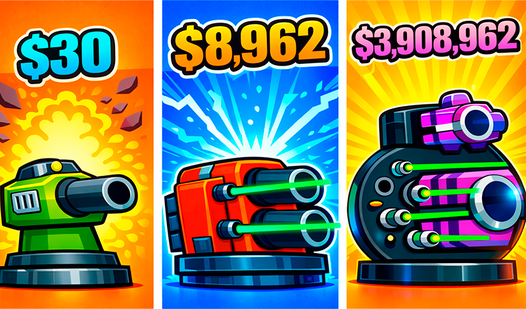
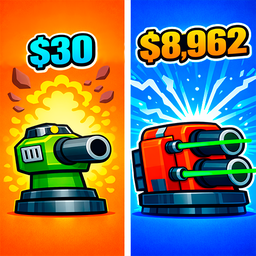
Pumpkin Defense: Merge Cannon takes a Halloween-flavored approach and adds a merge mechanic that makes resource management feel fresh and tactile. Instead of buying tower upgrades from a menu, you merge two identical cannons to create a more powerful version. It's the same satisfying loop as merge games applied to tower defense, and it works remarkably well. The strategic wrinkle is that merging costs you two towers temporarily — you need to manage your active defenses during the merge process, which creates genuine tension. Against a relentless wave of monsters, timing your merges correctly is half the battle.
Pumpkin Defense: Merge Cannon
Tactical tower defense games transform simple idle moments into intense strategic battles against waves of unrelenting foes. Pumpkin Defense: Merge Ca...
▶ Play FreeMinimalist Tower Defense
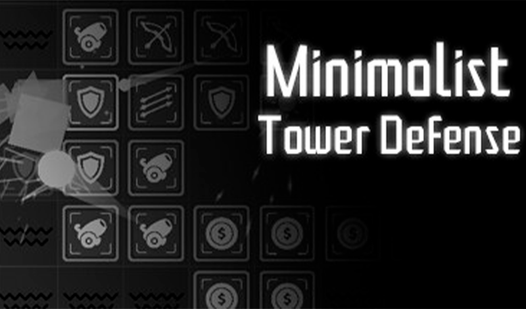
Don't let the clean visual design fool you — Minimalist Tower Defense is not a casual walk. The minimalist aesthetic is a design philosophy, not a difficulty setting. The game strips away UI clutter and visual noise so you can focus entirely on the strategic problem in front of you: collecting resources efficiently and establishing a defense line before enemies break through. The resource-collection loop adds an active management layer that most passive TD games skip. You're not just building and watching — you're making constant micro-decisions about where to gather next. It's the TD game for players who want more agency between tower placements.

Minimalist Tower Defense
Staring at a blank screen during your lunch break is the perfect recipe for boredom, but a quick tactical challenge is exactly what you need to rechar...
▶ Play FreeUpgrade philosophy in progression-based TD games
The best progression systems in the genre share a few traits. First, they give you meaningful choices — not just "increase damage by 5%" but branching paths that change how a tower fundamentally works. Second, they introduce new tower types at a pace that keeps gameplay fresh without overwhelming you. Third, they balance short-term wave survival against long-term build investment. Games that nail all three feel endlessly replayable because no two runs are optimized the same way.
When playing any TD game with upgrades, resist the temptation to follow the same build every time. Experimentation leads to discovering combo synergies — two tower types that seem mediocre individually but become devastating when placed adjacent to each other. Most players don't find these combos because they stick to what worked last time. Try something different every few runs.
Why Browser Tower Defense Games Are Worth Your Time
The unblocked, free-to-play browser market has quietly produced some of the best tower defense experiences available anywhere. Without the pressure of monetization schemes or pay-to-win mechanics, many browser TD developers have focused entirely on gameplay. The result is a library of games where the fun comes from the strategy itself, not from spending money to skip challenges.
Browser TD games also have a structural advantage: they're perfect for short sessions. A single run can last 10-20 minutes or stretch to an hour depending on how deep you want to go. You can close the tab when class starts and pick up roughly where you left off with a new run. There's no save-file pressure, no subscription required, no waiting for energy to regenerate. Just open, play, close.
The variety is also genuinely impressive. In this list alone you have: a chaotic meme-flavored Roblox-style defense, a mining/defense hybrid, a roguelike with per-run customization, a merge mechanic defense, a historical Ottoman theme, a zombie train defense, and a pure minimalist strategy experience. Every player finds something that fits their mood.