TOP 11 Best History Games — Free Online
If you're searching for the best History games to play without spending anything, you're in the right place. History-themed games occupy a unique corner of online gaming — they blend entertainment with real events, giving you a chance to command armies, witness legendary battles, and explore eras that textbooks can only describe in flat text. Whether you want to relive World War II tank skirmishes or trace the footsteps of an old storyteller through a Russian village, this genre delivers both excitement and substance.
In this list we've gathered six titles that genuinely stand out among History games online. Each one is playable for free right in your browser — no installations, no paywalls blocking the core experience. We'll break down what makes each game tick, who it's best suited for, and what to expect when you first load it up. Let's get into it.
How We Picked the Best History Games
The selection process wasn't random. We went through dozens of titles on FreeJoy.games and applied a clear set of criteria:
Historical authenticity — Does the game actually engage with history? Some games slap a vintage aesthetic on generic mechanics. We wanted titles where the historical setting is central, not decorative.
Gameplay quality — A game can have a beautiful period setting but still be boring to play. We looked for solid mechanics, meaningful decisions, and replayability.
Accessibility — All of these run directly in the browser. No launcher required. No account needed to start playing.
Variety — History spans thousands of years and dozens of genres. We deliberately included different styles: strategy, simulation, action, and narrative — so there's something here regardless of your preferred playstyle.
Free availability — Every game on this list is genuinely free. You can load it up right now.
With those criteria in mind, here's our top pick list for the best History games available online today.
TOP 6 Best History Games
1. Speedboy: History with Grandfather
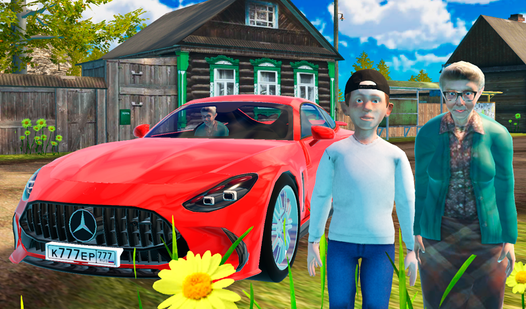
This one is a pleasant surprise. Speedboy: History with Grandfather doesn't pretend to be a grand war simulator — instead it takes you through the quiet, lived-in history of a Russian village as told by an old man to his grandson. The storytelling approach gives this game a warmth that big-budget strategy titles rarely achieve.
You play as a boy exploring his grandfather's memories, moving through recreated historical vignettes set in the Soviet era. The visual style is nostalgic and hand-crafted, and the gameplay involves light puzzles and exploration rather than combat. It's the kind of game that makes you think about oral history — how ordinary people carry the past in their daily lives.
What makes this stand out among History games is its human scale. Instead of commanding divisions, you're following one family's story across decades. It's ideal for players who appreciate narrative-driven games and don't need explosions to stay engaged.
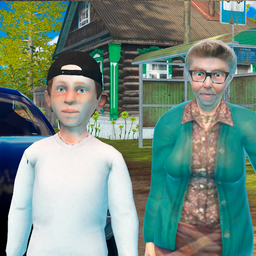
Speedboy: History with Grandfather
Fans of chaotic driving missions will find their next obsession in Speedboy: History with Grandfather. Navigating the rural landscape of a classic рус...
▶ Play Free2. Blade Runner: History of Events
Blade Runner: History of Events approaches history from an entirely different angle — through the lens of time travel and speculative fiction. The game follows a protagonist navigating a sequence of historical and near-future events, and the "history of events" framing is taken seriously: the choices you make alter the timeline in ways that reflect real cause-and-effect logic.
The gameplay is point-and-click adventure mixed with light action sequences. Each chapter drops you into a different era, requiring you to understand the context of that period to progress. It's not a history lesson disguised as entertainment — it genuinely uses historical moments as puzzle mechanics.
If you've ever been curious about how small decisions ripple outward through time, this game makes that concept visceral. The atmosphere is dark and cinematic, the pacing is tight, and the historical detail in each era feels researched rather than generic.
3. Warfare 1942
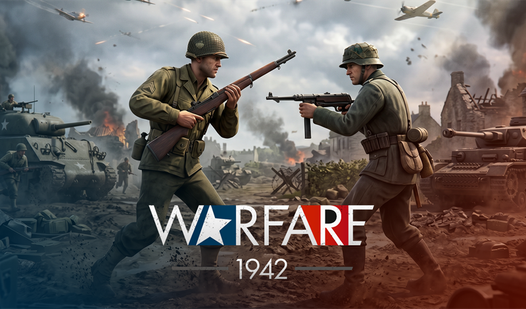
When people think History games, World War II usually comes to mind first — and for good reason. Warfare 1942 is one of the cleanest browser-based representations of that conflict. It's a 2D side-scrolling strategy game where you command Allied or Axis forces across historically inspired missions.
The core loop is satisfying: you deploy infantry, tanks, artillery, and air support while managing resources and responding to the enemy's movements. Maps are based on actual theaters of war — North Africa, the Western Front, the Pacific — and the unit types reflect what was actually fielded during the conflict.
What sets Warfare 1942 apart from generic war games is the tactical depth packed into a simple interface. You're not just clicking units — you're thinking about flanking, suppression, and timing. The historical framing gives context to why certain unit compositions work and others don't. It's the kind of game you can lose an hour to without noticing.
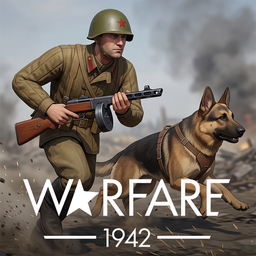
Warfare 1942
Historical warfare remains a timeless thrill because it turns every battlefield moment into a high-stakes tactical challenge. Warfare 1942 delivers th...
▶ Play FreeBefore we move on to the next featured title, here are a few more games worth checking out if you enjoy adventure and exploration alongside historical themes:
Cat Voyage
Who knew the sea held so many secrets and a treasure trove of merging fun? Cat Voyage invites you on a whimsical underwater expedition unlike any othe...
▶ Play Free
Hoby Tales
Stuck in a meeting that's dragging on, or just need a quick mental escape during a busy day? Hoby Tales is your perfect antidote for those moments whe...
▶ Play Free4. World War Two Tanks
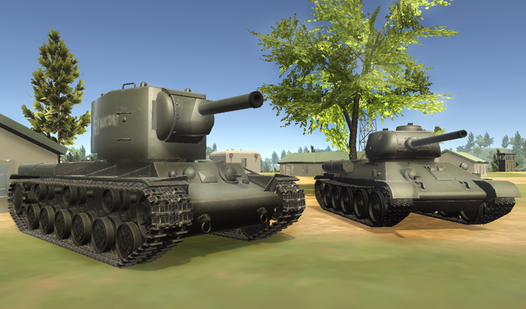
If Warfare 1942 scratches the broad strategy itch, World War Two Tanks goes deep on one specific aspect of the conflict: armored warfare. This game focuses entirely on tank combat across multiple WWII campaigns, and the historical detail packed into the vehicle roster is genuinely impressive for a free browser title.
You take direct control of tanks ranging from early-war light vehicles to heavy late-war machines like the Tiger and the Sherman. Each tank handles differently — weight, speed, turret rotation speed, and armor angles all factor into combat. The missions follow the actual progression of tank warfare during the war, so you'll experience how doctrine and technology evolved from 1939 to 1945.
The learning curve is gentle enough for newcomers but the later missions provide real challenge. Knowing historical context actually helps you play better here: understanding why certain tanks dominated in certain terrain makes the gameplay decisions feel meaningful rather than arbitrary.
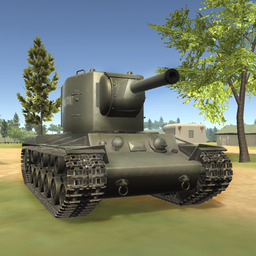
World War Two Tanks
Historical warfare remains one of the most intense genres because it puts you directly inside the legendary steel beasts that changed the course of hi...
▶ Play Free5. Funny Regiments
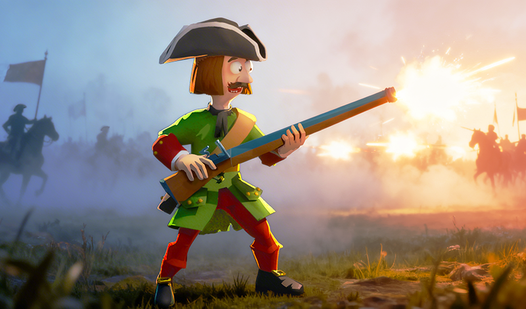
Don't let the name mislead you — Funny Regiments is a strategy game with serious historical roots. It's dedicated to the Northern War (1700–1721), the conflict between Sweden and Russia that reshaped the balance of power in Northern Europe. This is a specific, underrepresented period in gaming, and the developers clearly did their homework.
You command regiments of infantry and cavalry in turn-based battles drawn from actual engagements of the era. The game covers famous encounters like the Battle of Poltava and several lesser-known skirmishes that determined the war's outcome. The "funny" in the title refers to the stylized, slightly cartoonish art direction — the gameplay itself is strategic and historically grounded.
For history enthusiasts who are tired of the same WWII and Roman Empire settings, Funny Regiments offers something genuinely different. The Northern War is fascinating and poorly covered in games. This title fills that gap with solid mechanics and real historical events as its backbone.
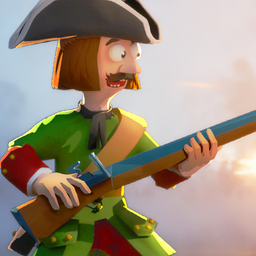
Funny Regiments
Warfare in the 18th century was rarely this hilarious, blending high-stakes musket combat with absolute battlefield chaos. Funny Regiments drops you i...
▶ Play FreeWhile you're in the strategic mindset, these titles also offer great experiences for players who enjoy building and managing:
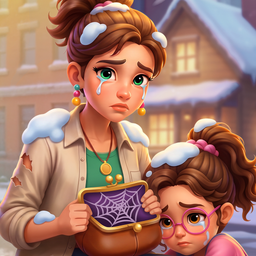
TropicVille
Did you know that merge games are renowned for their ability to provide both a relaxing escape and a satisfying challenge? In TropicVille, you'll get ...
▶ Play Free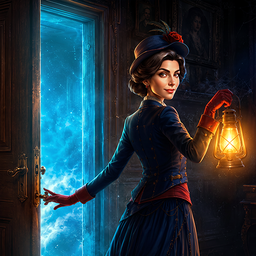
Lamplighter
Puzzle lovers and fans of cozy town restoration games are going to adore Lamplighter! A creeping darkness has engulfed Lantern Town, and only you, th...
▶ Play Free6. Battle of Middle-earth: War of Survival
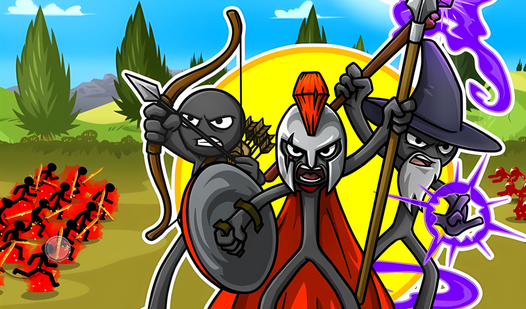
Rounding out our list of the best History games is a title that leans into historical inspiration rather than direct recreation. Battle of Middle-earth: War of Survival is a fantasy strategy game, but its warfare mechanics are pulled directly from medieval military history — siege warfare, formation tactics, resource management through sustained campaigns.
The game's conflicts mirror real historical dynamics: the tension between technologically superior but numerically inferior forces, the strategic importance of chokepoints and fortifications, the role of cavalry as a decisive shock weapon. Players who know their medieval military history will recognize these patterns even through the fantasy veneer.
This is the right pick for players who find pure historical games occasionally dry but want something with genuine strategic meat. The fantasy setting removes the constraint of being "accurate" while still delivering the tactical experience that makes History games compelling.
Battle of Middle-earth: War of Survival
Command your stickman army to glory as you navigate the intense challenges of Battle of Middle-earth: War of Survival. You manage every unit on the ba...
▶ Play FreeAnd for those who enjoy naval history and seafaring adventure:
Pirate Ships: Build and Fight
Ahoy, matey! If you crave the thrill of naval warfare and the freedom of the open sea, Pirate Ships: Build and Fight is your ultimate destination. Co...
▶ Play FreeTips for New Players
History games come in several distinct flavors, and knowing which suits you will save a lot of frustration early on.
Start with the genre you already like. If you enjoy action games, Warfare 1942 and World War Two Tanks are natural entry points — they have familiar mechanics with historical dressing. If you prefer narrative and atmosphere, Speedboy: History with Grandfather or Blade Runner: History of Events will feel immediately comfortable. Don't force yourself into a turn-based strategy game if you've never enjoyed that format.
Read the in-game context. Most good History games include briefings, codex entries, or story text that explains the historical setting. This isn't padding — it's the game rewarding you for paying attention. Understanding why you're fighting at Poltava or what the Battle of the Bulge meant strategically makes the gameplay more legible.
Don't rush early missions. History games often use early levels as tutorials not just for mechanics but for historical context. Rushing through them means missing setup that pays off later. Slow down, read the text, and understand the situation before you start optimizing.
Experiment with difficulty settings. Many players default to the hardest setting immediately. In History games, this often means you're fighting against both the AI and your own unfamiliarity with the period. Start on normal, learn the historical dynamics, then push difficulty upward once the setting is familiar.
Cross-reference with real history. This is the secret bonus of the genre. When a game mentions the Northern War or the Normandy landings, look it up. The real history adds layers of meaning to what you're doing in the game, and the game makes the history memorable in a way that reading alone rarely does.
Use pauses and replays. Strategy and tactics games benefit from pausing to assess the situation. Most browser-based History games support this. Don't play them at real-time speed if that's not the intended experience — slow down and think like the commanders you're simulating.
Why Browser-Based History Games Matter
There's a practical argument for browser games that often gets overlooked: accessibility. Not everyone has a gaming PC capable of running titles like Total War or Hearts of Iron. Browser-based History games remove that barrier entirely. You can play Warfare 1942 on a five-year-old laptop, on a school computer, on a tablet. The barrier to experiencing quality historical gameplay is essentially zero.
There's also a discovery argument. Smaller, browser-based titles often cover historical periods that big studios ignore entirely. Funny Regiments covering the Northern War is a perfect example — you will not find AAA games dedicated to that conflict. The indie and browser game space fills those gaps, giving historical periods their due even when commercial incentives push mainstream developers toward the same handful of famous wars.
Finally, there's the question of commitment. A forty-hour strategy epic demands serious time investment. A browser game you can load in thirty seconds and play for twenty minutes fits real life better. History games in this format become a genuine hobby rather than a weekend-consuming obligation.