TOP 19 Best Carpet Solitaire Games
Few card game formats have the staying power of solitaire. Among the many variants out there, the best Carpet Solitaire games occupy a special spot — they reward patience, planning, and that satisfying moment when a long chain of moves finally pays off. If you've been searching for the best Carpet Solitaire games to play free online without downloading anything, this list was built for you.
We've gathered 13 top picks across different styles and difficulty levels, so you can find exactly the kind of session you're in the mood for — quick and casual, or deep and strategic. Everything here runs directly in the browser. No installations, no accounts, no paywalls. Just great card games ready the moment you click play.
How We Chose These Games
Putting together a reliable Carpet Solitaire ranking takes more than just picking names that sound familiar. We evaluated each game across several practical criteria:
- Range of difficulty — does it work for newcomers and for players with hundreds of hours logged?
- Gameplay variety — are there different modes, layouts, or deck options to keep sessions fresh?
- Visual clarity — can you read the cards quickly, or does the design create unnecessary friction?
- Performance — does it load fast and run smooth across different devices and browsers?
- Replayability — is this a game you return to, or one you close after a single session?
Every game on this list is available completely free in browser. The selection skews toward titles with staying power — games that hold up across dozens of sessions, not just the first five minutes.
Top 13 Best Carpet Solitaire Games to Play Right Now
1. Spider Solitaire (1, 2, and 4 Suits)
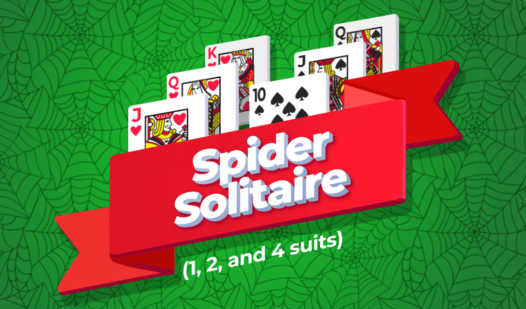
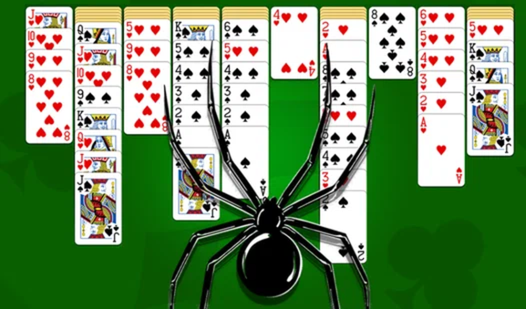
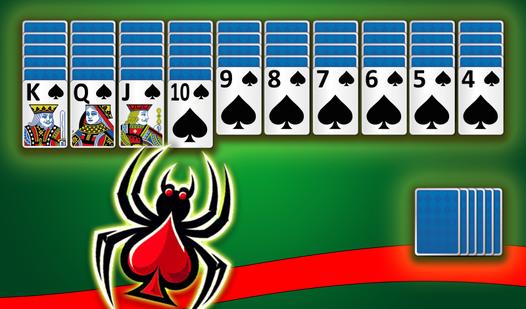
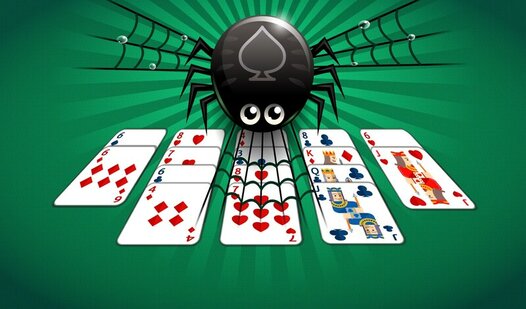
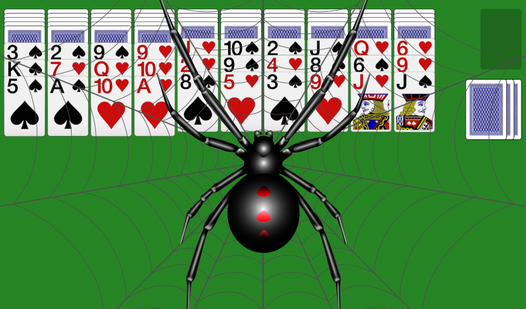
Spider Solitaire is one of those games that scales beautifully with your skill level. This version nails that scalability by offering three separate difficulty tiers built around the number of suits in play. One suit is the natural starting point — sequences are easier to form, and the board stays manageable. Two suits introduce more complexity, forcing you to juggle color combinations more carefully. Four suits is where things get genuinely demanding, requiring precise planning several moves in advance.
What makes this version stand out isn't just the difficulty range but how naturally it teaches you to think ahead. Casual players can build confidence on the easy setting, while veterans will find real challenge in the harder modes. The interface stays clean across all three configurations, and the undo system is generous enough to encourage experimentation without making the game feel consequence-free.
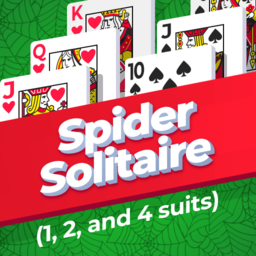
Spider Solitaire (1, 2, and 4 suits)
Arrange descending sequences of the same suit from king to ace to clear the board. Spider Solitaire offers a classic card game experience with multipl...
▶ Play Free2. Jigsaw Solitaire
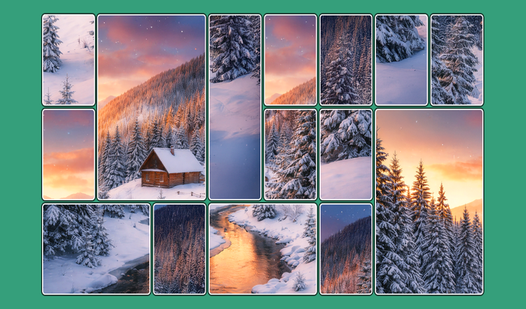
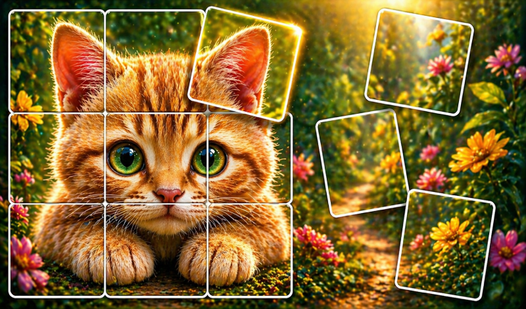
Classic solitaire gameplay and jigsaw puzzle mechanics don't seem like an obvious combination, but Jigsaw Solitaire makes it work in a way that feels natural rather than gimmicky. As you clear card sequences, pieces of a puzzle image gradually come together on screen — a simple but effective reward loop that adds a layer of visual motivation on top of the standard card game satisfaction.
The images are bright and cheerful, the card mechanics follow familiar solitaire rules, and the pacing encourages you to slow down and savor the process rather than rush through the deal. Sessions feel genuinely relaxing. If you've ever found pure card games slightly monotonous over long stretches, the puzzle element here provides just enough novelty to sustain engagement across multiple sittings. Great pick for casual players who want a bit more personality in their solitaire experience.
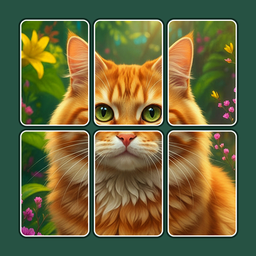
Jigsaw Solitaire
Fans of logic challenges and beautiful visuals will find Jigsaw Solitaire the ultimate way to decompress after a long day. This refreshing take on the...
▶ Play Free3. Dreamland Solitaire
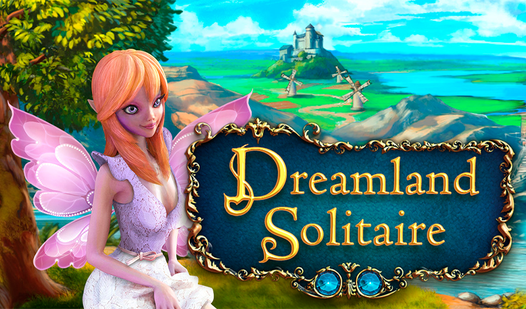
Dreamland Solitaire takes the reliable fundamentals of classic solitaire and builds a genuinely enchanting world around them. The board design draws on soft, magical aesthetics — gentle colors, smooth animations, and a storybook atmosphere that makes the whole experience feel like more than just a card exercise.
The difficulty hits a sweet spot that many solitaire games miss: challenging enough that you need to pay attention and plan your moves, but not so punishing that beginners will bounce off immediately. Card layouts shift between levels, so the game stays interesting across extended play. The sound design is subtle and pleasant, contributing to the overall sense of calm without becoming distracting. Among the best Carpet Solitaire games on this list, Dreamland is the one most likely to make you lose track of time in the nicest possible way.
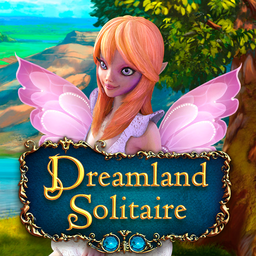
Dreamland Solitaire
Fans of card games will find a new obsession in Dreamland Solitaire as it blends relaxing strategy with a charming magical aesthetic. Your main missio...
▶ Play Free4. Maps – Solitaire Spider
Maps - Solitaire Spider applies a cartographic theme to the Spider Solitaire format, and the result is more cohesive than a visual theme alone would suggest. The geographic visual identity gives the game a distinct feel that separates it from the dozens of generic Spider clones floating around the web.
Three difficulty levels cover the full range from beginner-friendly to genuinely strategic, and the progression between them is well-paced. The card dealing animation is clean, the controls are responsive, and the game communicates clearly without overwhelming the screen with unnecessary UI elements. What earns Maps a spot on this Carpet Solitaire ranking is the consistent attention to detail — the small visual flourishes, the polished interactions, and the sense that the developers actually played their own game before releasing it.
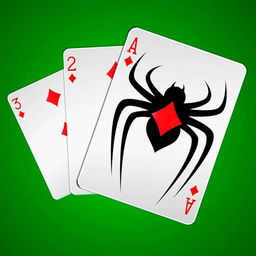
Maps - Solitaire Spider
Card game enthusiasts who enjoy a good mental workout will find Maps - Solitaire Spider the perfect companion for a quick break. This addictive challe...
▶ Play Free5. Solitaire Swift
Three solitaire modes in one game sounds straightforward, but Solitaire Swift earns its place by making each mode feel genuinely distinct rather than cosmetically different. The restrictions built into each variant — different dealing rules, undo limitations, or time-based scoring — change how you approach the game at a fundamental level, not just on the surface.
Players who thrive on variety will find themselves rotating between modes depending on their mindset. Some sessions call for a fast, reactive style; others reward careful, deliberate planning. Having both options under one roof, implemented thoughtfully, is rarer than you'd think in free browser solitaire. Performance is snappy, the interface is uncluttered, and the game doesn't waste your time with excessive loading screens or unnecessary animations.
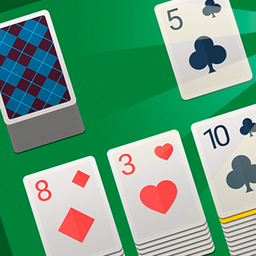
Solitaire Swift
Clear the board by matching cards one rank higher or lower regardless of their suit or color. Solitaire Swift keeps your brain sharp as you strategica...
▶ Play Free6. Klondike Solitaire
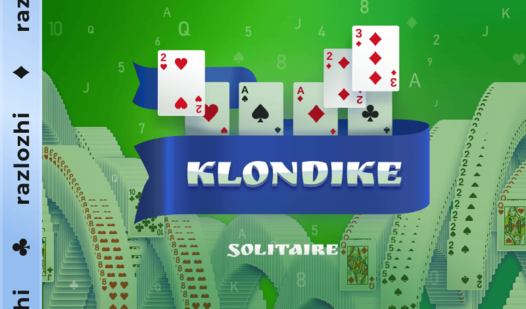
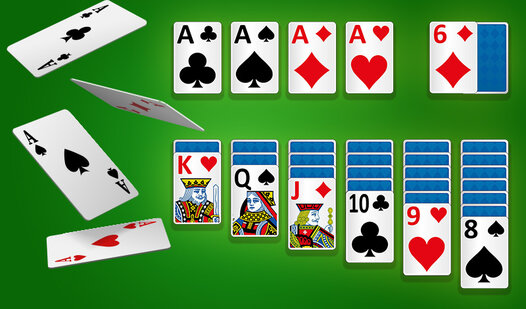
Klondike is where most people's solitaire journey begins, and this browser version shows exactly why the format became the template for an entire genre. The rules are clean and learnable in minutes: arrange cards in alternating colors and descending order across the tableau, build up foundation piles from Ace to King, clear the board to win.
What this version does particularly well is balance accessibility with genuine challenge. Deals feel fair — you'll encounter difficult boards, but not ones that feel deliberately broken. The hint system nudges you when you're stuck without playing the game for you, and the undo function gives you room to experiment freely. For new players, Klondike Solitaire is the best possible starting point. For veterans, it remains a reliable, no-frills session when you want solid gameplay without complexity.
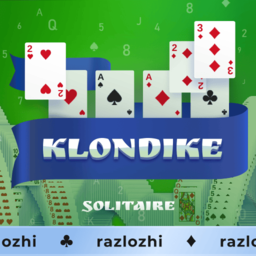
Klondike Solitaire
Card enthusiasts seeking a classic mental challenge will find their perfect match in Klondike Solitaire. This timeless puzzle tests your patience and ...
▶ Play Free7. Solitaire for 1 and 3 Cards
The number of cards you draw per turn in Klondike-style solitaire has a bigger impact on strategy than most players initially realize. Draw one card and you have maximum visibility — every draw is predictable, and you can plan your tableau moves with confidence. Draw three and the game opens up significantly: cards cycle through the deck differently, buried cards matter more, and your decision-making needs to account for what's coming several deals down the line.
Solitaire for 1 and 3 Cards lets you choose which experience you prefer, and both options are well-implemented. The game explains the strategic implications of each setting, which makes it educational as well as entertaining. Players who haven't experimented with both draw modes will likely find that switching reveals a nearly different game hiding inside the same familiar framework.
Solitaire for 1 and 3 cards
Staring at a blank screen during a midday slump is the worst, but a quick round of Solitaire for 1 and 3 cards is the perfect mental reset. This class...
▶ Play Free8. Jigsolitaire
Jigsolitaire occupies similar creative territory to Jigsaw Solitaire but takes a slightly different angle on how the puzzle and card mechanics interact. The integration feels tighter here — the puzzle progress feels less like a decoration layered on top of the card game and more like a natural extension of it.
The pacing is deliberately relaxed, which suits the format well. This isn't a game that rushes you or scores you on speed. It's designed for the kind of session where you want to clear your head rather than sharpen your competitive edge. The card mechanics are accessible enough for players new to solitaire, making Jigsolitaire a genuine entry point for the genre rather than just a casual spin-off. If you're introducing someone to solitaire for the first time, this is one of the friendlier options on the list.
Jigsolitaire
Staring at a blank screen during a midday slump is the worst, but finding a quick way to reset your brain is a total game changer. Jigsolitaire acts a...
▶ Play Free9. Solitaire Klondike – Deluxe
The "deluxe" label in card games can mean anything from a slightly shinier background to a genuinely expanded experience. In this case, it means a more refined visual package, a scoring system that gives you concrete goals beyond clearing the board, and enough level variety to keep extended sessions interesting.
Solitaire Klondike - Deluxe doesn't reinvent Klondike — it refines it. The fundamentals are exactly what you'd expect, but executed with noticeably more care than most browser alternatives. The scoring system adds a meta-game layer for players who find a single clearing too short a goal. Visual design is crisp without being flashy. If you've been playing standard Klondike and want something that feels a bit more substantial, this is the natural next step.
Solitaire Klondike - Deluxe
Card games remain the ultimate way to sharpen your mind while enjoying a relaxing break during a busy day. Solitaire Klondike - Deluxe brings the clas...
▶ Play Free10. Incredible Solitaire
Most solitaire games pick a format and stick with it. Incredible Solitaire does something bolder: it combines Tripeaks and Golf solitaire into a single game, creating an experience that plays unlike anything else on this list.
Tripeaks involves clearing pyramid-shaped card layouts by chaining removals, while Golf solitaire focuses on building sequences and maximizing scoring opportunities. The two formats complement each other in unexpected ways — strategies from one start influencing how you approach the other, and the combined rhythm creates a kind of flow state that single-format solitaire rarely achieves. The learning curve is gentle enough that you won't need to study the rules for long, but the depth reveals itself gradually over multiple sessions.
Incredible Solitaire
Solitaire challenges have been the ultimate way to sharpen your focus and pass the time for generations. Incredible Solitaire takes this classic exper...
▶ Play Free11. Solitaire Spider – Deluxe
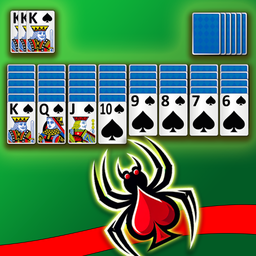
Spider Solitaire at its best requires patience, spatial awareness, and the ability to hold multiple card sequences in mind simultaneously. Solitaire Spider - Deluxe provides a setting that respects those qualities — the visual design is clean and readable during extended sessions, and the difficulty scaling gives both novice and experienced players a proper challenge.
The progression from easy to hard mode here is handled particularly well. Easy mode is genuinely accessible without feeling dumbed-down. Hard mode demands the kind of systematic planning that will test even players with significant Spider experience. Stat tracking across sessions gives you a sense of long-term progress, which is a feature more solitaire games should include. For anyone whose primary solitaire format of choice is Spider, this is among the strongest free browser implementations available.
Solitaire Spider - Deluxe
Card game enthusiasts who enjoy a good mental workout will find Solitaire Spider - Deluxe to be their new favorite pastime. This classic solitaire spi...
▶ Play Free12. Double Klondike Solitaire
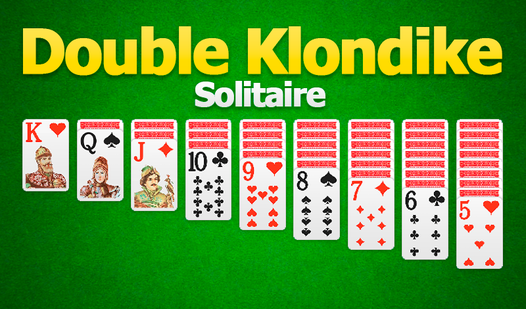
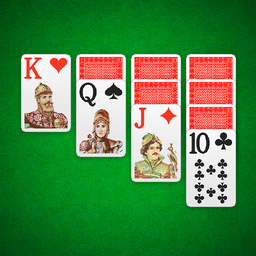
Take everything you know about Klondike Solitaire and add a second deck. The board expands, the column count grows, and suddenly the familiar game feels completely different. Double Klondike Solitaire is one of the more interesting difficulty escalations available in free browser solitaire because it adds genuine strategic complexity rather than just making the existing game faster or more punishing.
Tracking more cards means thinking more broadly. Positions you'd consider safe in standard Klondike become contingent on moves happening elsewhere on the expanded board. The rules stay identical to what you already know, so there's no learning curve on the mechanics — just a meaningful increase in the number of variables you need to manage. Strongly recommended for Klondike players who feel the original has become too predictable.
Double Klondike Solitaire
Arrange cards by suit from Ace to King across eight foundation piles in this challenging variation of the classic card game. Double Klondike Solitaire...
▶ Play Free13. Scorpio – World's Best Solitaires
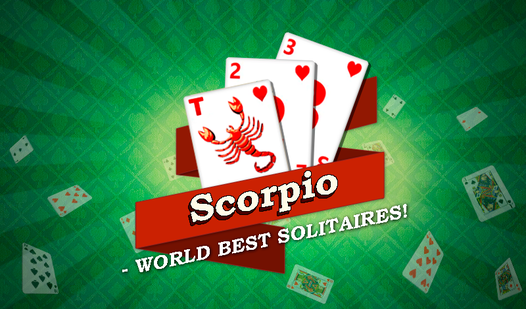
Scorpio closes the list with a collection approach that delivers on its ambitious subtitle. Multiple solitaire variants, consistently implemented, wrapped in a visual design that holds up across all included modes — it's a strong package for anyone who hasn't committed to a single solitaire format or simply prefers having options.
The real strength of Scorpio is the balance between variety and coherence. Switching between game modes doesn't feel like jumping between unrelated products; it feels like exploring different rooms in the same well-designed house. If you spend significant time with solitaire games in general and want a single destination that covers multiple formats reliably, Scorpio earns its place at the top of the best Carpet Solitaire online rankings.
Scorpio - world best solitaires!
Staring at a stagnant screen while your coffee gets cold is a classic sign that you need a mental refresh right now. Scorpio - world best solitaires! ...
▶ Play FreeTips for Beginners
Starting out with solitaire can feel like guesswork until certain patterns click into place. A few practical habits will accelerate that process significantly.
Move Aces to the foundation immediately. An Ace sitting on the tableau is blocking a pile and not contributing to your win condition. Every time one becomes accessible, move it. Same goes for 2s once the matching Ace is already on the foundation.
Pause before each move. The temptation to react to the first available option is strong, but impulsive early moves can close off paths you'll need later. Before touching a card, scan the entire board for what each possible move would enable or block. Thirty seconds of observation beats five minutes of backtracking.
Treat empty columns as a strategic resource. In Spider and Klondike variants, an empty tableau column is one of your most powerful tools for reorganizing stuck sequences. Once you fill an empty column, you lose that flexibility. Resist the urge to fill gaps immediately — hold empty space for moves that genuinely need it.
Use undo actively, not as a crutch. The undo button exists for testing, not just correcting obvious mistakes. Try a move, see what it opens up, and undo it if the result doesn't help. This kind of deliberate experimentation accelerates your pattern recognition faster than just playing through deals linearly.
Start on lower difficulty. Choosing an easier mode isn't a sign of weakness — it's how you build the spatial awareness and card-sequence recognition that make harder modes approachable. Every solitaire game has its own quirks. Starting easy lets you learn those quirks without being punished for not knowing them yet.
Pay attention to what's in the stock pile. As you develop experience, get in the habit of tracking which cards have been played and which are still available in the draw pile. Knowing that the red 7 you need is still somewhere in the deck changes your approach to the tableau completely compared to knowing it's already buried under an inaccessible pile.
More Games Worth Your Time
If you've worked through the main list and want even more to explore, these titles are all worth checking out. Each brings its own flavor to the broader solitaire family.
Spider Solitaire - The Perfect Deal
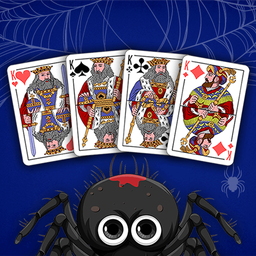
Arrange cards into descending sequences from King to Ace to clear the board in this engaging logic challenge. Spider Solitaire - The Perfect Deal test...
▶ Play Free
Spider Solitaire Cards
Staring at a blank screen during a midday slump is the worst, but a quick mental reset can change your entire outlook. Spider Solitaire Cards serves a...
▶ Play Free
Mahjong Solitaire For Free
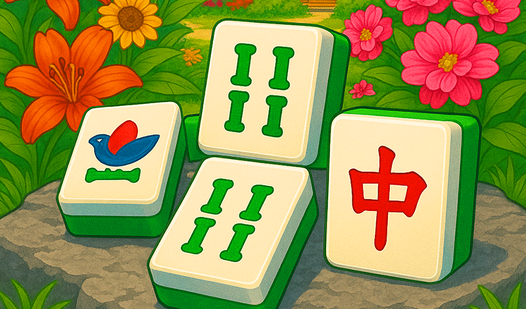
Match pairs of identical tiles to clear the board in this relaxing brain teaser. Your main objective is to identify free pieces and remove them from t...
▶ Play Free
Spider Solitaire 2024
Staring at the clock waiting for your next meeting or just need a mental reset during a long afternoon? Spider Solitaire 2024 is the ultimate browser-...
▶ Play Free
Solitaire Mahjong Classic
Staring at the screen during a mid-day slump is the worst way to spend your break. Solitaire Mahjong Classic is the perfect remedy to sharpen your foc...
▶ Play Free