How to Play WW2 Games: Rules, Strategies & Free Options
World War II has inspired some of the most gripping games ever made — from massive strategy simulations to fast-paced browser titles you can jump into right now. If you've been wondering how to play WW2 games and what separates decent players from great ones, this guide covers it all. Rules, tactics, historical context, and top free picks — everything in one place.
What Are WW2 Games?
WW2 games are set during World War II (1939–1945) and put you in the boots of soldiers, tank commanders, or military strategists fighting across Europe, the Pacific, and North Africa. The genre spans several styles:
- Real-time strategy (RTS) — build armies, manage resources, and outmaneuver the enemy on dynamic maps
- Tower defense / base defense — hold positions against relentless enemy waves using smart unit placement
- Action shooters — close-quarters combat with rifles, grenades, and machine guns
- Tank battles — armored warfare where positioning, angling, and upgrades determine survival
- Merge games — combine units progressively to produce stronger, more capable troops
Each subgenre follows different rules, but the WW2 setting gives all of them a distinct character: period-accurate weapons, iconic vehicles like the T-34 or Sherman tank, and battle maps inspired by real theaters of war.
The appeal is straightforward — WW2 stories are dramatic, the equipment is legendary, and the stakes feel real even in a browser game. Players aren't just clicking through menus; they're recreating history, or at least a stylized version of it that teaches you something about what made this era of warfare so intense.
The variety is also a draw. WW2 covers six years of rapidly evolving warfare across multiple continents, which gives designers enormous creative space. A game set in Stalingrad in 1942 plays nothing like a Pacific island campaign in 1944 — different terrain, different unit types, different tactical priorities. That range keeps the genre fresh across dozens of titles.
Rules and Basics of WW2 Games
Understanding core mechanics helps you click less and think more. Here's what most WW2 titles share:
Resource Management
Nearly every strategy-based WW2 game asks you to manage resources — gold, ammunition, fuel, or troop capacity. The foundational rule: never spend everything at once. Keep a reserve so you can respond to surprises. Enemy forces almost always strike when your resources are at their lowest, and a depleted economy turns a winnable battle into a rout.
In merge-style games this translates to board space. Running out of empty grid slots because you hoarded too many low-tier units is the same as running out of gold — you can no longer react to what the game throws at you.
Unit Types and Counters
Infantry, tanks, artillery, and aircraft each have strengths and exploitable weaknesses. Artillery demolishes fortifications but moves slowly and has minimum engagement range. Tanks roll through infantry but get chewed apart by dedicated anti-tank guns. Aircraft are devastating at range but expensive and fragile at close quarters. Learning which unit type counters another is the single most transferable skill across WW2 strategy games — understand the rock-paper-scissors dynamic and most encounters stop feeling random.
Objectives Over Kills
One of the most common rookie mistakes: focusing on kills when the game wants you to capture points, escort units, or defend a position for a set number of turns. Always read the objective first. A significant number of WW2 strategy missions are impossible to win through pure destruction — the real goal is territorial control, and chasing every enemy unit leaves your objectives undefended.
Upgrade Priorities
Most free WW2 games feature upgrade trees. The trap is spreading your points thin trying to improve everything evenly. Identify your core strategy — tank rushes, defensive lines, air support — and max out two or three upgrades that directly support it. A fully upgraded tank cannon outperforms five partially upgraded ones in almost every engagement.
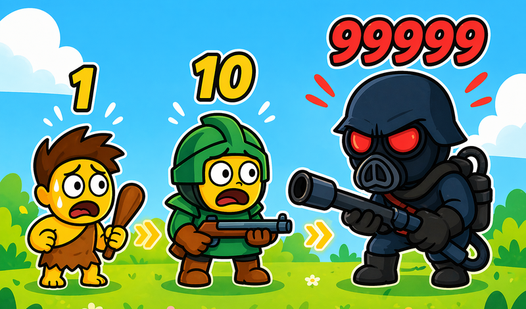
One of the best examples of these rules coming alive is Army Evolution: Merge & Tactics. You build your force by merging units — start with basic recruits, combine identical soldiers to produce elite troops, and keep expanding your lineup as the enemy escalates. The merge mechanic forces forward planning: dragging the wrong unit wastes board space, and board space is survival. It's a genuinely clever framework for teaching resource economy without ever making it feel like a lecture.
Army Evolution: Merge & Tactics
History comes alive on the battlefield as you command forces ranging from ancient knights to high-tech robots in Army Evolution: Merge & Tactics. Mast...
▶ Play FreeWW2 Strategies That Actually Work
Generic advice like "be aggressive" or "play defensively" rarely helps in practice. These are specific tactics that consistently make a difference across multiple WW2 game types.
1. Control the Flanks
Moving forces around the enemy's side forces them to split attention between two threats at once. A direct assault against a fortified position is almost always the worst approach — the defender has the structural advantage. Flank first, pin from the front, then close in. This works in RTS games, side-scrollers, and multiplayer shooters alike.
2. Use Terrain
Trees, ruined buildings, ridgelines — quality WW2 games model cover seriously, and using it can reduce incoming damage significantly. Don't advance through open fields when cover is available. Move from position to position, pausing to assess before the next move. This is especially critical with infantry, which dies fast in the open.
3. Hit the Economy, Not Just the Army
In RTS-style WW2 games, destroying enemy resource nodes or supply lines often wins faster than killing their units. A starving army stops producing reinforcements. If you can raid gold mines or cut supply routes, do it aggressively early in the match before the enemy's economy matures.
4. Know When to Trade
Sometimes deliberately losing a unit to eliminate two enemy units is the correct call. The key is calculating whether the trade favors you. Trading an expensive heavy tank for two cheap riflemen is almost always good. Trading an engineer who repairs fortifications for a basic foot soldier is almost always bad. Think in terms of long-term production value, not immediate unit cost.
5. Never Leave Captured Ground Undefended
Offense wins individual fights; defense wins campaigns. After capturing a control point, immediately reinforce it. Players who push forward without leaving garrison units lose their gains the moment enemy pressure shifts. Think of every captured position as a new base that needs infrastructure before you move on.
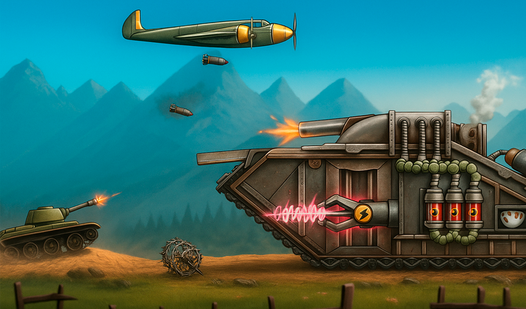
Tank Fury: Boss Battle 2D illustrates the trade mechanic perfectly. You fight progressively more dangerous tank bosses, upgrading between rounds. The boss is usually outgunning you in raw firepower, so the entire game becomes about knowing when to absorb a hit versus when to dodge, and which upgrades make the biggest marginal difference against the current threat. Sloppy trades end runs abruptly here.
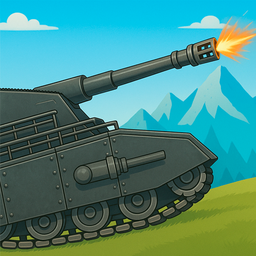
Tank Fury: Boss Battle 2D
Stuck in a dull meeting or just need a high-octane escape during your lunch break? Tank Fury: Boss Battle 2D turns your browser into a chaotic armored...
▶ Play Free6. Adapt Mid-Match
If your standard build isn't working against a specific enemy composition, change it mid-match. Players who commit to a failing strategy because it's what they practiced lose more than players who pivot. Flexibility is worth more than mastery of any single tactic — it's harder to develop, but it makes you much harder to counter.
7. Timing Attacks Around Cooldowns
Many WW2 games give enemies attack patterns or cooldown windows after large strikes. Recognizing these windows and pushing during them instead of when the enemy is fully active is an advanced habit that separates average players from strong ones. Let the big attack land, absorb it, then strike while the enemy reloads.
8. Don't Over-Merge Early
In merge-based WW2 games, the temptation is to merge every matching unit immediately. Resist it in the early game. Holding two unmerged mid-tier units can be more effective than having one high-tier unit if you need coverage across multiple lanes. Merge tactically based on the current threat, not as a reflex.
The Evolution of WW2 Tanks
Tanks are arguably the most iconic vehicles of the Second World War, and a significant portion of the best free WW2 games focus entirely on armored combat. The historical technology jump across six years of war was staggering — early WW2 tanks were slow, lightly armored, and poorly equipped compared to the behemoths that appeared by 1944-1945.
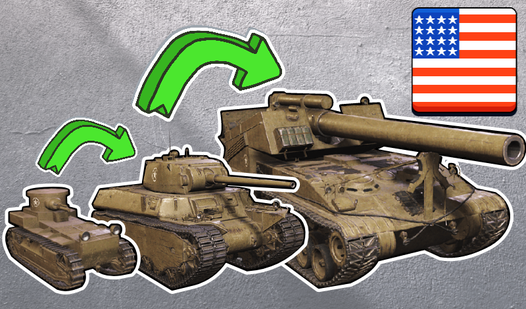
Tank Evolution captures this historical arc in gameplay form. You start with early-war light vehicles and progressively unlock heavier, more capable machines as you advance through stages. The game makes you feel the difference between an early scout tank and a late-war heavy — both in movement speed and how much punishment you can absorb.
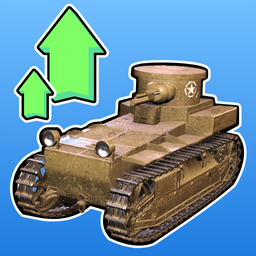
Tank evolution
Armor history is filled with fascinating transitions, and Tank evolution perfectly captures that progression from tiny prototypes to massive behemoths...
▶ Play FreeThe historical lesson maps directly to strategy: don't try to use a light tank as a breakthrough vehicle. Each class has a role. Early tanks scout and harass; mid-tier tanks hold lines and support infantry; heavy tanks assault fortified positions. Playing against the role of your current vehicle is one of the fastest ways to lose a round.
Free WW2 Games to Play Right Now
You don't need to spend anything to get a quality WW2 experience. These titles are free, browser-based, and genuinely worth your time.
Call of Battle
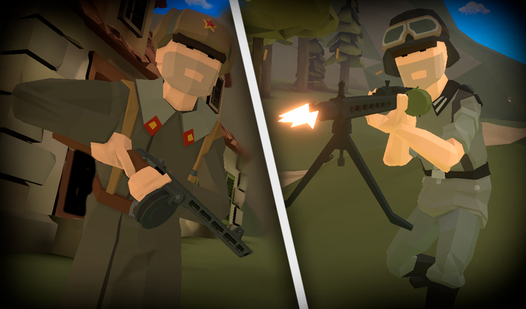
A WW2 strategy game focused on capturing control points with period-accurate nations and weapons. Matches reward tactical positioning over raw firepower — you can win engagements with technically weaker units if you hold elevated terrain and cut off enemy reinforcement routes. Simply rushing the objective with maximum force gets you flanked and eliminated. Systematic, patient play wins here.
The multiplayer dynamic (where applicable) adds an unpredictability that single-player missions lack — human opponents adjust to your patterns in ways AI doesn't, which makes every match feel distinct.
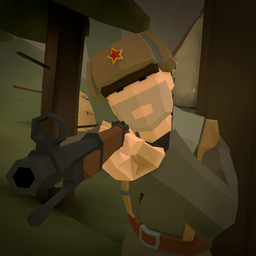
Call of Battle
Midday fatigue hits hard when you are stuck staring at a blank screen and need a serious adrenaline rush to break the monotony. Call of Battle serves ...
▶ Play FreeTank Attack 5
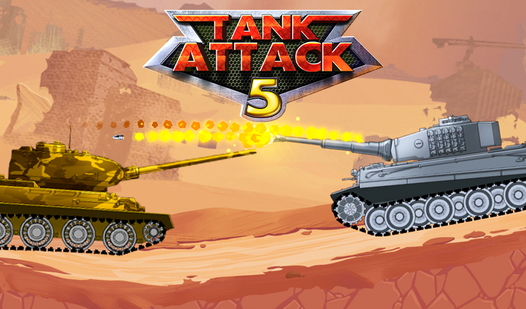
A focused tank action game where the goal is clean and direct: destroy enemy armor, collect upgrades, and survive long enough to reach the boss fight. "Simple" doesn't mean easy here — the enemy AI punishes sloppy driving and ignoring armor angles. Positioning your tank so the enemy hits your thicker frontal armor instead of your sides makes a measurable difference in survivability.
The upgrade system is satisfying in its efficiency: each cleared wave provides currency for speed, armor, or firepower improvements, and the wrong upgrade path against a particular boss type can end your run immediately. Reading the boss's attack pattern before committing to an upgrade strategy is the habit that gets you to later waves consistently.
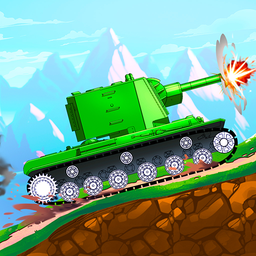
Tank Attack 5
Command legendary steel beasts and dominate the battlefield in Tank Attack 5 as you crush enemy lines and prepare for epic boss fights. You will gathe...
▶ Play FreeMore Military Games Worth Your Time
The free browser gaming space has more solid military options beyond the WW2 headliners. A few worth checking out:
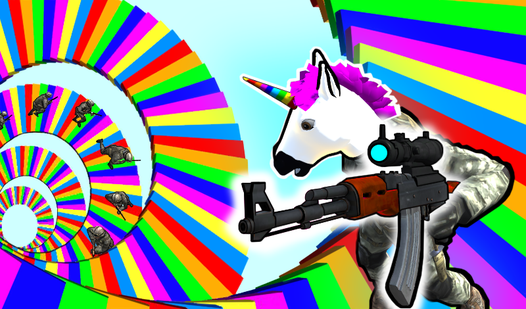
Soldiers Took Over the Obby World blends platformer mechanics with a military theme. It's lighter in tone and less strategically intense than the other titles on this list, but it's a genuinely fun change of pace when you want something that demands less deliberate planning.
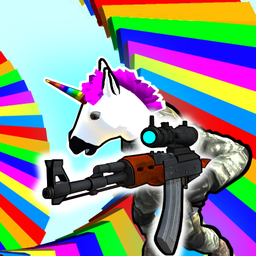
Soldiers Took Over the Obby World
Adrenaline junkies who enjoy intense parkour challenges paired with high-octane gunfights will find Soldiers Took Over the Obby World a total blast. T...
▶ Play FreeRed and Blue Leader 2 is a turn-based strategy game where you command red or blue forces in head-to-head tactical engagements. Simple controls mask surprisingly deep decisions about when to advance aggressively and when to hold a defensive line and force the opponent to come to you.
Metal Crunch: Confrontation focuses on mechanized combat with an emphasis on direct armor-versus-armor fights. If you like the tactile satisfaction of trading shots with enemy vehicles and outlasting them through a combination of positioning and upgrade timing, this one delivers that loop efficiently.
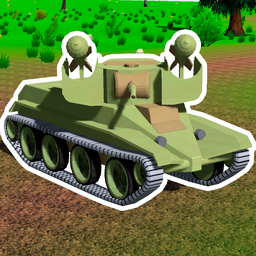
Metal Crunch: Confrontation
Tactical armored warfare requires more than just raw firepower to dominate the battlefield. Metal Crunch: Confrontation brings intense tank combat to ...
▶ Play FreeTips for New Players Starting Out
If WW2 games are new territory for you, a few specific habits will cut down frustration significantly:
Read unit tooltips. Most free WW2 games embed meaningful combat information in unit descriptions — range, damage type, movement speed, armor class. Players who read these routinely win more often than players who treat units as interchangeable pieces.
Start with the campaign or tutorial. Not because you need hand-holding, but because these modes introduce mechanics in order of complexity. Jumping straight into advanced or competitive modes can put you in situations where you lack the tools to respond effectively. Let the campaign teach you the vocabulary before you improvise.
Observe the first wave before committing. In tower defense WW2 games especially, watching the opening attack before placing major units tells you which lane the enemy favors, what unit types arrive first, and which defensive positions performed well. That information is more valuable than the resources you'd spend reacting on instinct.
Experiment freely. With free browser games there's no permanent cost to losing a run. Try unconventional strategies, unexpected unit combinations, aggressive early pushes when the textbook says to play conservatively. Informed experimentation produces better learning than cautious repetition of the same safe approach every run.
Revisit old levels after upgrading. Many WW2 games allow you to replay completed missions. Going back with a stronger loadout sometimes reveals mechanics or alternative approaches you missed the first time through, and that knowledge carries forward into harder content.
Why WW2 Games Keep Drawing Players In
The genre has been active for decades and shows consistent staying power. Part of the attraction is historical weight — the equipment isn't invented. T-34s, Sherman tanks, Panzer IVs, and P-51 Mustangs were real machines with real performance characteristics, and good WW2 games build their mechanics around those differences rather than ignoring them.
There's also the variety. The conflict touched nearly every corner of the world and evolved dramatically from the opening campaigns in Poland and France to the island-hopping Pacific battles and the mechanized eastern front. Each setting gives designers a distinct tactical environment to build from.
Free browser WW2 games have opened the genre to anyone with a device and a connection — no installation, no subscription, no hardware requirements. The best of them offer real strategic depth in a format playable on a lunch break. Pick a title from the list above and see what kind of player you naturally become.