How to Play Watermelon: Rules, Tips & Free Games
If you've been searching for how to play Watermelon, you've come to the right place. This addictive fruit-merging puzzle has taken the casual gaming world by storm — and for good reason. Simple to pick up, surprisingly hard to master, Watermelon challenges you to think spatially, plan ahead, and resist the urge to just drop fruits wherever they land. Let's break down everything you need to know.
What Is the Watermelon Game?
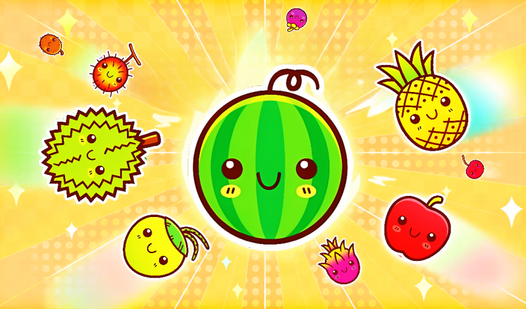
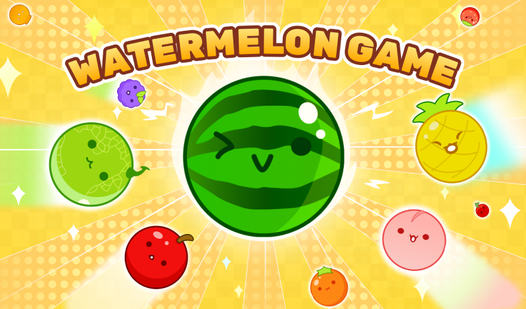
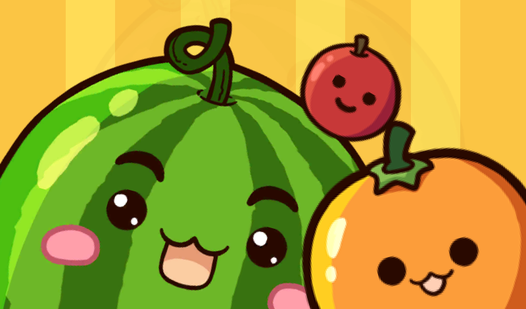
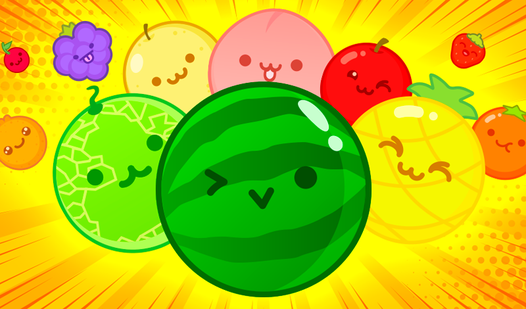
The Watermelon Game is a physics-based puzzle where you drop fruits into a container and merge identical ones to create larger fruits. The sequence runs from tiny cherries all the way up to the prized watermelon — the biggest fruit and the ultimate goal.
Originally released in Japan as "Suika Game" (スイカゲーム), it became a worldwide phenomenon thanks to streamers and content creators sharing their sessions online. The concept is straightforward: fill your container with fruit, combine matching ones, and try to rack up as many points as possible without the pile overflowing the top.
The beauty of Watermelon lies in its tension. Every drop matters. One wrong placement can cascade into a chain reaction that sends fruit spilling over the edge — ending your run and leaving you to restart with nothing but determination and slightly better spatial awareness.
Suika Game Watermelon
Staring at the clock during a long afternoon slump is the worst, but finding a quick way to refresh your brain makes all the difference. Suika Game Wa...
▶ Play FreeHow to Play Watermelon: The Basic Rules
Learning how to play Watermelon takes about thirty seconds. Mastering it? That's another story entirely.
The fruit hierarchy runs from smallest to largest:
- Cherry
- Strawberry
- Grape
- Dekopon (small orange)
- Persimmon
- Apple
- Pear
- Peach
- Pineapple
- Melon
- Watermelon
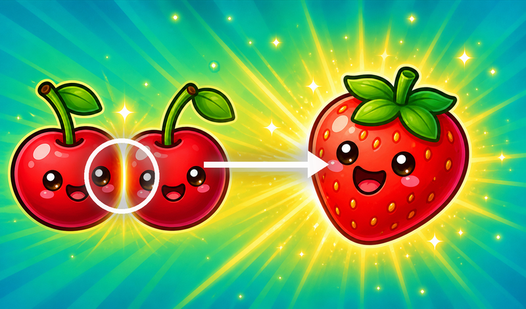
When two identical fruits touch, they merge into the next fruit up the chain. Two cherries become one strawberry. Two strawberries become one grape. And so on, all the way until two melons combine into the legendary watermelon.
The game ends when any fruit stacks above the container's top boundary line. You don't get a warning — the moment a piece crosses that line, it's over.
Scoring works by awarding points every time a merge happens. Bigger merges earn more points. Chain reactions — where one merge immediately triggers another and another — are where the real score multipliers come from.
The next-piece preview shows you which fruit is coming after your current drop. This gives you one step of advance planning. Use it constantly, because ignoring it is one of the most common mistakes new players make.
You cannot move a fruit once you've dropped it. Physics takes over the moment it leaves your cursor. This is what makes every drop meaningful and every mistake permanent.
Watermelon Game
Drop colorful fruits into a confined box to trigger satisfying merge reactions that clear your space and rack up points. Every time two identical item...
▶ Play FreeHow to Play Watermelon: Core Strategies That Actually Work
Once you know the rules, the real work begins: developing a strategy that keeps your container from becoming a chaotic mess within two minutes.
Build From the Sides, Not the Center
New players almost always drop fruits in the middle of the container. This creates a mountain that quickly reaches the danger zone. Work the sides first instead. Pack fruit along the left and right edges, keeping the center relatively open. This gives you more room to maneuver and creates better conditions for chain reactions in the middle where you have the most control.
Keep Similar Fruits at the Same Height
Try to keep fruits of the same type at roughly the same level in the container. When two identical fruits are side-by-side or close enough to touch after a drop, they merge automatically. If one cherry is on the left wall and another is buried on the far right under a pineapple, you'll struggle to get them together. Cluster matching fruits near each other as much as the physics allow.
Don't Panic-Drop
One of the most destructive habits is panic-dropping when the pile gets high. You see fruit creeping toward the danger line and rapidly drop pieces anywhere just to do something. This almost always makes things worse. Take a breath, assess where you have actual space, and make a deliberate choice. The game doesn't punish you for pausing — only for dropping.
Chase Chain Reactions
A chain reaction is when one merge triggers another immediately. For example: two cherries merge into a strawberry, that strawberry touches another strawberry and becomes a grape, that grape bumps into another grape and creates a dekopon — all from a single drop. Each link in the chain scores points and, more importantly, reduces the total number of fruits in your container. Setting up chain reactions is the single most impactful skill you can develop.
Use the Walls
Fruits bounce and roll when they land. The side walls are your allies. Dropping a fruit close to a wall often causes it to slide into a gap you couldn't directly aim for from above. Skilled players regularly use wall angles to reach spots that seem inaccessible from a straight drop. This takes practice to learn, but once it clicks, it opens up a completely different level of precision.
Prioritize Clearing Small Fruits
Small fruits — cherries, strawberries, grapes — take up a lot of space and don't contribute much to your score individually. Getting them merged as quickly as possible clears room and often triggers the chains you're looking for. If you have a cluster of small fruit building up on one side, deliberately feed the same type into that cluster to clear it.
The Endgame: Going for the Watermelon
Most sessions end well before anyone makes a watermelon. But if you find yourself in a strong position — container well-organized, good chain potential — here's how to close it out:
- Work toward getting two melons into your container
- Position them so they're adjacent or very close together
- Carefully drop fruit to push them into contact
- Watch the explosion of points as they merge into a single giant watermelon
The game doesn't end when you create a watermelon. You keep playing — though the container is now significantly fuller and the challenge intensifies considerably.
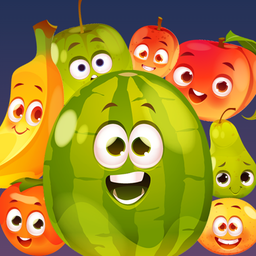
Merge Fruits: Collect a Watermelon
Staring at a stagnant spreadsheet or waiting for a meeting to start can feel like an eternity when your brain is craving a quick mental refresh. Merge...
▶ Play FreeVariations and Spinoffs Worth Playing
The success of Watermelon has produced a huge number of creative variations. Each one takes the core merging mechanic and adds its own spin — different themes, different sequences, or completely different objects to merge.
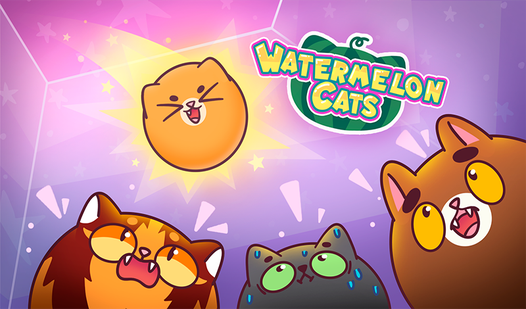
Watermelon Cats replaces fruits with adorable cats. The merging logic is identical — matching cats combine into larger cats — but the charm of watching tiny kittens evolve into massive fluffy giants creates a completely different emotional experience.
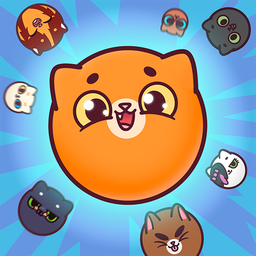
Watermelon Cats
Drop fluffy feline friends into a container to combine them into larger characters and rack up massive scores. Mastering this watermelon merge mechani...
▶ Play FreeMerge Fruits: Fold the Watermelon puts a twist on the standard formula with slightly modified physics and container dynamics that change how fruit stacks and rolls. If you've played the original until you're bored, this one refreshes the experience.
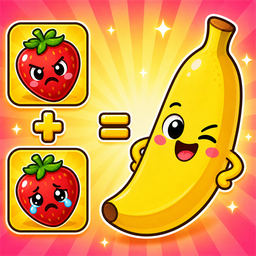
Merge fruits: Fold the Watermelon!
Matching games offer a strangely satisfying rhythm that keeps your brain engaged while you unwind after a busy day. Merge fruits: Fold the Watermelon!...
▶ Play FreeFruit Merge: Watermelon Puzzle leans toward structured puzzle challenges rather than open-ended survival mode, giving you specific objectives to hit in each session.
Fruit Merge: Watermelon Puzzle
Drop colorful fruits into the container and watch them merge into larger varieties as you aim for the legendary watermelon. Fruit Merge: Watermelon Pu...
▶ Play FreeMerge the Fruits — Get to the Watermelon is a clean, focused take on the format that strips things down to essentials: drop, merge, score. Great if you want the pure experience without extra bells and whistles.
Merge the fruits - get to the watermelon
Combine identical fruits with precise taps to trigger a high-scoring merge that evolves your collection into larger varieties. Each successful match b...
▶ Play FreeBest Free Watermelon Games Online
You don't need to spend anything to enjoy these games. Here are the top picks available on FreeJoy right now — no registration, no download, no conditions attached.
Merge Watermelon delivers the classic experience with clean visuals and smooth physics. The container has just the right depth to give you room to maneuver before things get chaotic — which is exactly what you want when you're still learning.
Merge Watermelon
Drop vibrant fruits into the container and watch them merge into larger varieties as you test your spatial reasoning. Every time two identical pieces ...
▶ Play FreeLearn the Fruits: A Giant Watermelon is a gentler variant — ideal for younger players or anyone who wants a low-pressure introduction to the mechanics without the high-stakes tension of the standard game.
Learn the Fruits. A giant watermelon
Fans of logic challenges and colorful puzzles will find Learn the Fruits. A giant watermelon a perfect way to test their spatial reasoning skills. You...
▶ Play FreeFruit Merge: Watermelon keeps the classic chain-reaction formula intact and is one of the most polished free versions available. Physics feel responsive, merges are satisfying, and the visual feedback when you pull off a long chain is genuinely rewarding.
Fruit Merge: Watermelon
Staring at the clock during a long afternoon or just waiting for your coffee to brew can feel like an eternity. Fruit Merge: Watermelon is the ultimat...
▶ Play FreeAll games listed here run directly in your browser on FreeJoy, with no account required. Open and play.
Common Mistakes to Avoid
Even experienced players fall into these traps repeatedly:
Dropping fruits too fast. The game doesn't punish you for taking your time. A second of deliberate thought can prevent a cascade that ends your run. Speed is rarely your friend here.
Ignoring the next-fruit preview. Always check what's coming after your current piece. If the next one is a cherry, you might position your current drop completely differently to set up a merge.
Letting small fruits pile up. A growing heap of cherries and strawberries on one side is slow-motion disaster. Deal with small fruits aggressively by deliberately feeding matching pieces into clusters.
Trying to perfectly organize the container. Some players spend so much energy maintaining a clean layout that they lose track of the overall fill level. The goal is surviving and scoring, not a perfectly sorted container. Good enough and low is better than perfect and high.
Forgetting that fruits roll. Round fruits don't stay where they land. A melon rolling across a half-full container can be catastrophic. Account for physics, especially with large fruits — they keep rolling further than you'd expect.
Dropping large fruits when the container is high. A pineapple or melon dropped into an already-full container might be the thing that pushes one small fruit over the line. When the pile is high, switch to smaller pieces and work on clearing some space first.
Why Watermelon Is So Addictive
There's real game design craft hiding under the simple surface of Watermelon. Several psychological mechanisms work together to keep you playing:
Clear goals: Make the watermelon. Beat your high score. The objectives are immediately obvious, which lowers the barrier to starting a new game after a loss.
Near-miss tension: Your container fills up, you're almost done, you pull off a chain reaction that saves you and drops the level back down. This kind of rescue keeps players hooked far longer than games where runs end predictably.
Variable outcomes: Sometimes the fruit drops perfectly. Sometimes it doesn't. This unpredictability — combined with the feeling that skill can overcome bad luck — creates the "one more game" impulse that's hard to resist.
Short session length: A game can last anywhere from two minutes to twenty. That flexibility makes it easy to pick up between tasks, and equally easy to burn an entire afternoon on.
Physics as a wildcard: The simulation means no two games play out identically. The same strategy in the same position can produce different results depending on how fruit settles. This keeps sessions fresh even when the mechanics are deeply familiar.
Tips for Beginners vs. Advanced Players
If you're just starting out:
- Focus on not overflowing rather than chasing a high score. Survival is the first skill.
- Drop fruits slowly and watch what happens after each one lands before dropping the next.
- Getting to a pineapple or melon is a good early goal — don't worry about the watermelon yet.
- Pay attention to how round fruits roll after landing. This takes a few games to internalize.
If you're a more experienced player:
- Track how many chain reactions you're generating per session. If you're not hitting 4+ chains regularly, work on how you cluster fruits.
- Keep your largest fruits in the bottom half of the container. Large fruits near the top are extremely difficult to use safely.
- Experiment with near-wall drops for precise placement. The physics engine is consistent — if a drop angle works once, it'll work again.
- Give yourself a target score before you start. A clear number keeps you from quitting during hard patches or getting complacent during good runs.